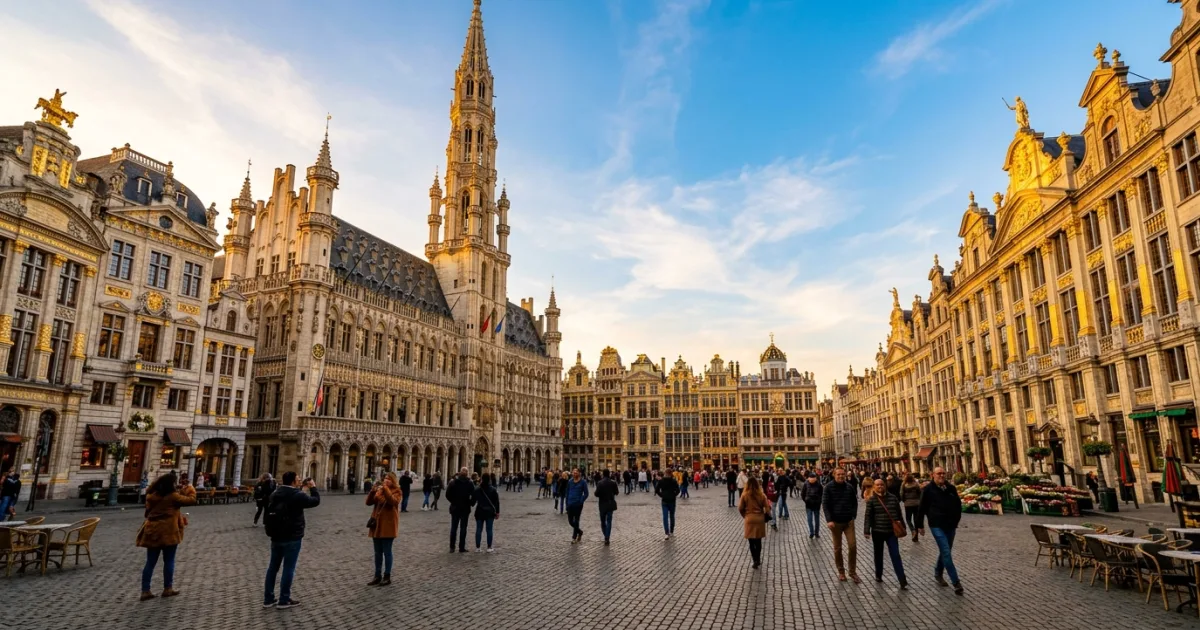
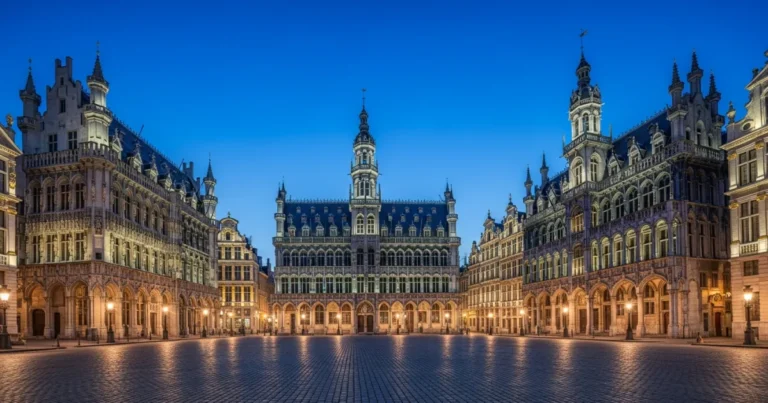
The Brussels-Capital Region is much more than just the political center of Europe; it is a mosaic of diverse neighborhoods, each with its own distinct character. From the upscale boutiques of Avenue Louise to the bohemian vibe of Saint-Gilles, the region invites deep exploration. The historic core is anchored by the breathtaking Grand-Place, widely considered one of the most beautiful squares in the world, surrounded by opulent guildhalls and the striking Gothic Town Hall.
Art and history enthusiasts will find themselves captivated by the region's offerings, which include the expansive Royal Museums of Fine Arts, the whimsical Magritte Museum, and the intricate Art Nouveau facades designed by Victor Horta. Meanwhile, food lovers can embark on a gastronomic journey, sampling Trappist beers in centuries-old taverns, indulging in warm Brussels waffles, and discovering the innovative culinary creations of local chefs. With its lush parks, vibrant street art, and welcoming atmosphere, the Brussels-Capital Region is a destination that continually surprises and delights.
Reasons to Visit
- Marvel at the architectural splendor of the Grand-Place, a UNESCO World Heritage site.
- Indulge in world-class Belgian chocolates, waffles, and an unparalleled variety of local beers.
- Explore a vast array of museums, from classic fine arts to the interactive Parlamentarium.
- Discover the birthplace of Art Nouveau through the stunning works of Victor Horta.
- Experience a truly international atmosphere in the diplomatic heart of the European Union.
Things to Avoid
- Avoid dining in the immediate vicinity of the Grand-Place or the Rue des Bouchers if you want to escape tourist traps and inflated prices.
- Do not rely solely on taxis, as traffic congestion can be heavy; use the efficient metro and tram systems instead.
- Avoid walking alone late at night in the areas immediately surrounding the major train stations, particularly Gare du Nord and Gare du Midi.
- Don't assume all museums are open every day; always check for Monday closures.
Local Transportation Tips
The Brussels-Capital Region boasts a comprehensive and integrated public transportation system operated by STIB/MIVB, comprising four metro lines, numerous tram routes, and an extensive bus network. Contactless payment is available directly at the turnstiles and on vehicles, making it incredibly easy for visitors to tap in and out using a bank card or smartphone. For regional travel or day trips to cities like Bruges or Ghent, the SNCB/NMBS national railway system operates frequently from the three main stations: Brussels-South (Midi), Brussels-Central, and Brussels-North.
Travel Etiquette
- Greet shopkeepers with a polite 'Bonjour' when entering and 'Au revoir' when leaving.
- Tipping is not mandatory as a service charge is included in restaurant bills, but leaving small change or rounding up is appreciated for good service.
- When using escalators in the metro, always stand on the right to allow people in a hurry to pass on the left.
- Dress neatly; while Brussels is casual, locals tend to dress smartly when dining out or visiting cultural institutions.
Recommended Age Group
The Brussels-Capital Region offers a diverse array of attractions and amenities that cater to travelers of all ages, making it a highly versatile destination.
- Babies (0-2 years): Recommended. The city has many parks and family-friendly cafes, though navigating cobblestones with a stroller can occasionally be challenging.
- Kids (3-12 years): Recommended. Children will love the interactive exhibits at the Museum of Natural Sciences, Mini-Europe, and the Comic Strip Center.
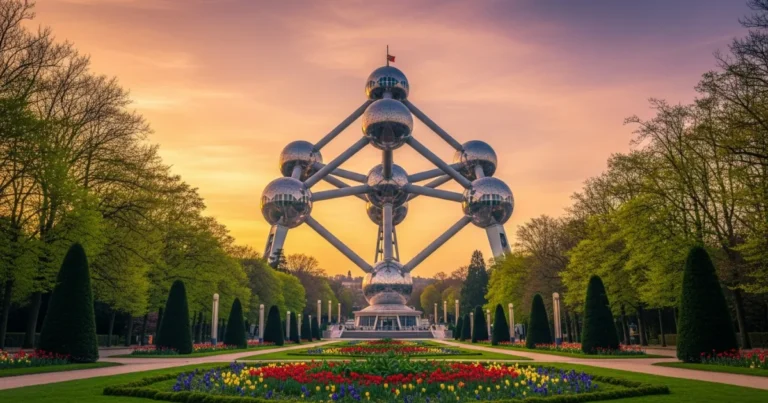
- Teens (13-19 years): Recommended. Teens can enjoy the vibrant street art, vintage shopping in the Marolles district, and the unique structure of the Atomium.
- Adults (20-64 years): Recommended. Adults will appreciate the rich history, world-class dining, extensive brewery tours, and dynamic nightlife.
- Seniors (65+ years): Recommended. The region offers excellent museums, comfortable public transport, and beautiful architecture, though some historic areas require walking on uneven surfaces.
Accessibility Level: Medium
- Many major museums, including the Magritte Museum and the Royal Museums of Fine Arts, offer full wheelchair accessibility and elevators.
- The STIB/MIVB public transport network is progressively upgrading stations; currently, many metro stations have elevators, and newer trams are low-floor.
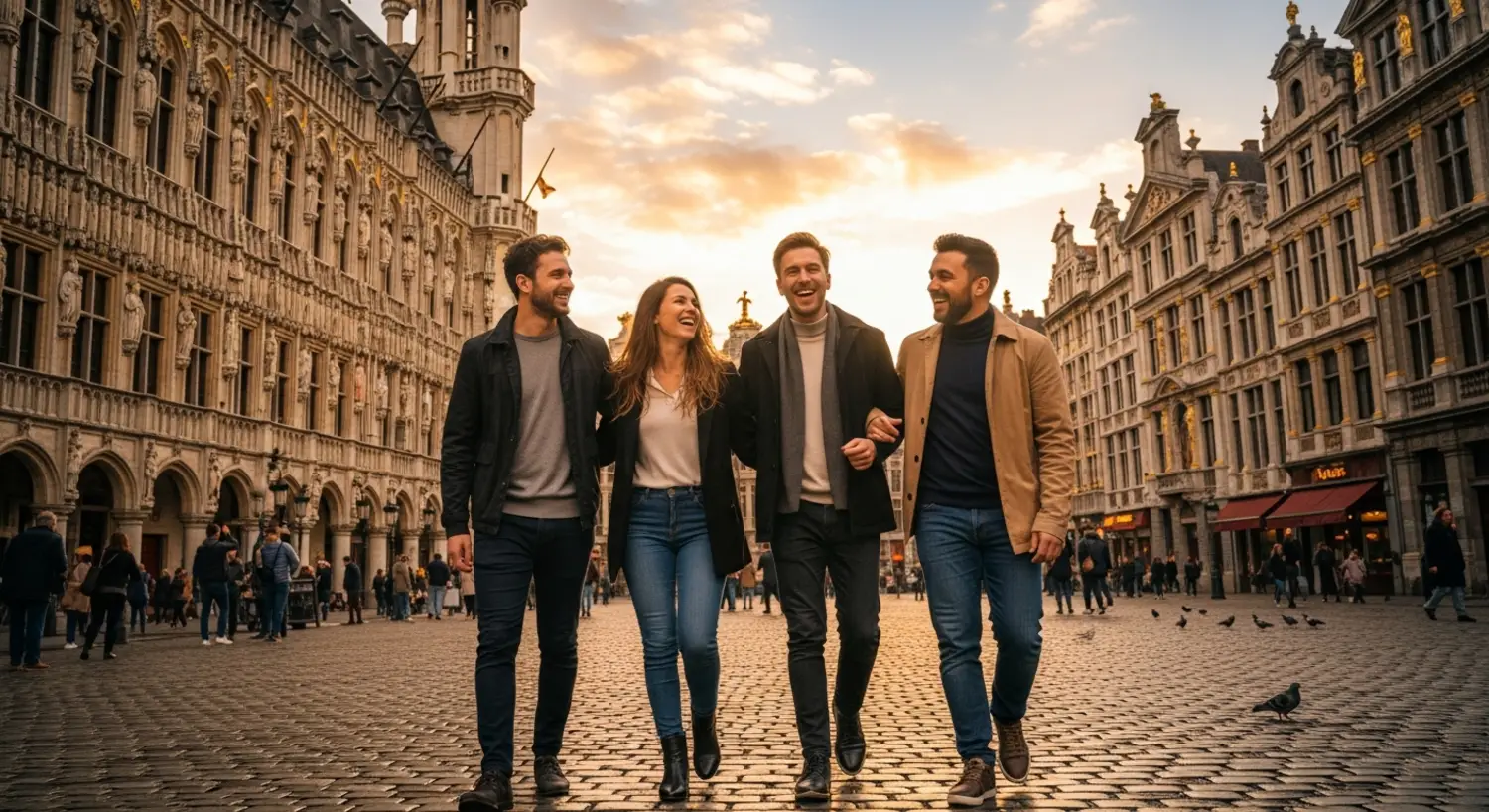
- Cobblestone streets in the historic center around the Grand-Place can be challenging for manual wheelchair users.
- Accessible public toilets are available in major train stations, large shopping centers, and modern public buildings.
Did You Know?
Brussels is considered the comic strip capital of the world. The city pays homage to its rich comic heritage with over 50 colorful murals scattered across the region, featuring beloved characters like Tintin, the Smurfs, and Asterix painted on the sides of buildings.
Cool Statistics
- The Brussels-Capital Region is officially bilingual, with street signs and public announcements in both French and Dutch.
- The region is home to over 80 museums covering everything from musical instruments to natural sciences.
- The iconic Atomium was constructed for the 1958 Brussels World's Fair and represents an iron crystal magnified 165 billion times.
- Brussels produces more than 800 different brands of beer.








Buy a compatible power adapter for your trip