>
>
>
Wallonia (Belgium)
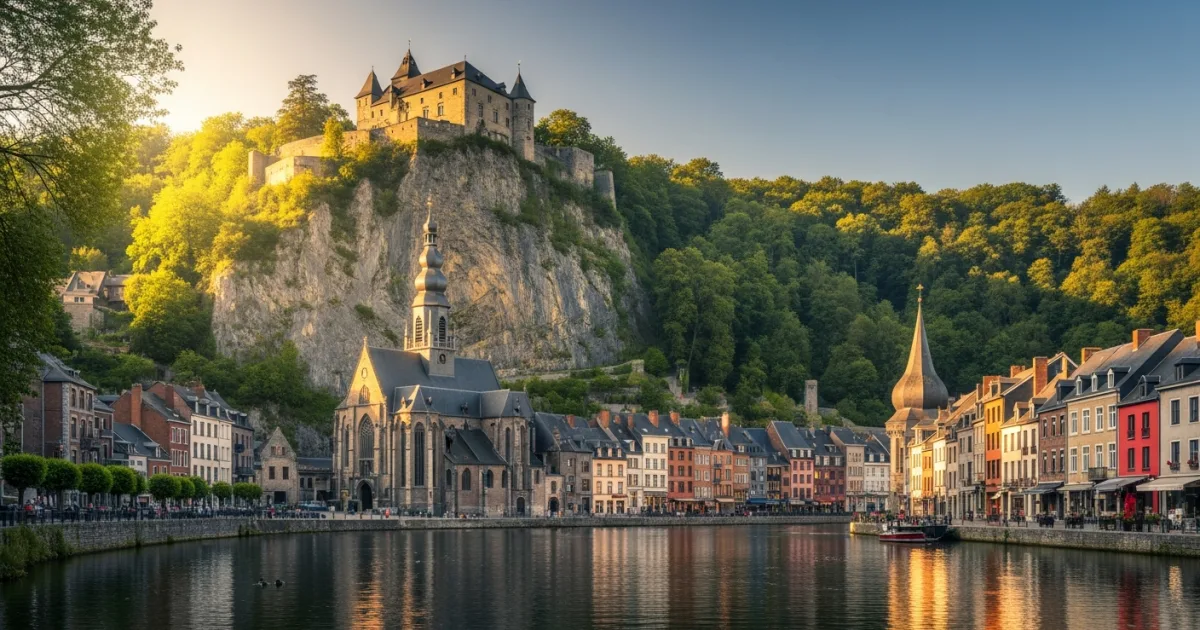
Panoramic view of Dinant, Wallonia featuring the Citadel and Collegiate Church along the Meuse River

Intro

Wallonia, the French-speaking southern region of Belgium, is a captivating destination characterized by its rolling hills, dense Ardennes forests, and picturesque river valleys. Visitors are drawn to its rich tapestry of medieval castles, charming villages like Durbuy, and historic cities such as Namur and Liège. The region offers a perfect blend of outdoor adventure and cultural immersion, making it an ideal getaway for nature lovers and history enthusiasts alike. Beyond its scenic landscapes, Wallonia boasts a deeply rooted culinary and brewing heritage that delights every traveler. From savoring world-renowned Trappist beers brewed in ancient monasteries to indulging in hearty local dishes like Boulets à la Liégeoise, the gastronomy here is second to none. Whether you are kayaking down the Lesse River, exploring World War II historical sites in Bastogne, or relaxing in the thermal baths of Spa, Wallonia promises a diverse and unforgettable European experience.

Additional Information

Wallonia is a region that invites travelers to slow down and savor the experience. Covering the southern half of Belgium, it contrasts sharply with the flatter, Dutch-speaking north. Here, the landscape heaves into the dramatic, forested hills of the Ardennes, carved by winding rivers like the Meuse, Semois, and Lesse. This geography has historically made Wallonia a land of fortresses and castles, many of which still stand guard over picturesque valleys today. Cities like Namur, with its imposing citadel, and Dinant, birthplace of the saxophone, offer rich historical narratives alongside stunning visual appeal.

Beyond its history and nature, Wallonia is a paradise for epicureans. The region takes immense pride in its artisanal products. It is the heartland of authentic Trappist beers, brewed by monks in abbeys that have stood for centuries. Visitors can embark on tasting tours that pair these complex ales with locally produced cheeses and cured Ardennes ham. Whether you are seeking the thrill of outdoor sports, the tranquility of a wellness retreat in the town of Spa, or a deep dive into European history, Wallonia provides a multifaceted journey that caters to all senses.

Reasons to Visit

  • The Ardennes: A premier destination for hiking, mountain biking, and nature immersion.
  • Trappist Breweries: Taste world-renowned beers like Chimay, Orval, and Rochefort right near their source.
  • Historic Castles: Explore magnificent fortresses such as the Castle of Bouillon and the Citadel of Dinant.
  • Charming Villages: Wander through Durbuy, often dubbed the 'smallest city in the world', and other picturesque towns.
  • World War II History: Visit Bastogne and the surrounding areas to learn about the pivotal Battle of the Bulge.
  • Thermal Baths: Relax in the town of Spa, the original wellness destination that gave its name to spas worldwide.

Things to Avoid

  • Assuming Everyone Speaks English: While common in tourist spots, rural areas may have limited English speakers. A little French goes a long way.
  • Relying Solely on Trains for Rural Areas: Trains are great for cities, but buses in the Ardennes can be infrequent. Rent a car for deep exploration.
  • Skipping Local Cuisine: Don't just stick to international food; missing out on local stews, cheeses, and beers is a missed opportunity.
  • Underestimating the Weather: The Ardennes can be cooler and wetter than the rest of Belgium. Always bring layers.

Local Transportation Tips

Wallonia is well-connected by the Belgian national railway network (SNCB), making travel between major hubs like Brussels, Namur, Liège, and Mons fast and efficient. For regional travel, the TEC bus network covers smaller towns and villages. However, to truly experience the hidden gems, remote abbeys, and scenic viewpoints of the Ardennes, renting a car is highly recommended. Cycling is also a popular way to get around locally, with an extensive network of RAVeL (autonomous network of slow ways) paths dedicated to pedestrians and cyclists.

Travel Etiquette

  • Greetings: A polite 'Bonjour' (Good morning/hello) when entering shops or cafes is expected and appreciated.
  • Tipping: Service is included in restaurant bills, but leaving a small amount of change or rounding up is common for good service.
  • Punctuality: Belgians value punctuality. Arrive on time for tours, reservations, and meetings.
  • Dining: Keep your hands on the table (not in your lap) while eating, and wait for a toast before taking your first sip of a drink.

Recommended Age Group

Wallonia offers diverse attractions that cater to travelers of all ages, from active outdoor enthusiasts to those seeking relaxed cultural experiences.

  • Babies (0-2 years): Neutral. While cities are stroller-friendly, rural trails and historic castles with cobblestones can be challenging to navigate.
  • Kids (3-12 years): Recommended. Children will love exploring medieval castles, visiting wildlife parks like Pairi Daiza, and enjoying outdoor spaces.
  • Teens (13-19 years): Recommended. Adventure activities like kayaking on the Lesse, mountain biking, and exploring caves provide great excitement.
  • Adults (20-64 years): Recommended. Perfect for enjoying the rich gastronomy, brewery tours, historical sites, and extensive hiking trails.
  • Seniors (65+ years): Recommended. The region offers relaxing wellness retreats in Spa, accessible river cruises, and rich cultural museums.

Accessibility Level: Medium

  • Public Transport: Major train stations in Wallonia are equipped with elevators and ramps, but smaller rural stations may lack full accessibility.
  • Attractions: Many modern museums and major sites are wheelchair accessible, though historic castles and natural caves often have stairs and uneven terrain.
  • Cities: Historic city centers feature cobblestone streets which can be bumpy for wheelchair users, though main pathways are generally manageable.
  • Accommodation: Larger hotels in cities like Namur and Liège offer accessible rooms, but it is crucial to verify facilities in advance when booking rural guesthouses.

Did You Know?

Did you know that the town of Spa in Wallonia is the origin of the word 'spa'? Since the 16th century, its mineral-rich thermal springs have attracted visitors seeking health and wellness, eventually leading to the town's name becoming the universal term for a place of water-based treatments and relaxation.

Cool Statistics

  • 3: The number of authentic Trappist breweries located in Wallonia (Chimay, Orval, Rochefort).
  • 1815: The year the famous Battle of Waterloo took place, located in the Walloon province of Walloon Brabant.
  • 1,000+: The approximate number of kilometers of RAVeL paths (greenways) available for cycling and walking in the region.
  • 1846: The year Adolphe Sax, born in Dinant, Wallonia, patented the saxophone.

Address:

Wallonia, Belgium

Find Nearby Accommodations

Basic Info

address icon

COUNTRY & Region

Belgium,
Europe
Medium
Currency icon

LOCAL CURRENCY​

Euro (EUR)
Price level icon
Medium
Safety Level icon
Duration icon

Recommended Duration

• 1-7 days
• More than a week

Electricity

electricity icon

Electricity

220-240V,
50Hz
Plug Socket icon

Plug Type

• Type C (Round pin)
• Type E (Two round pins with earth pin)
Plug types
Click To View Plug Types

Activities To Do In Wallonia (Belgium)

Best Time To Visit

The best time to visit Wallonia is during the spring (April to June) and autumn (September to October) when the weather is mild, and the landscapes are vibrant with blooming flowers or fall foliage. Summer (July and August) is also popular for outdoor activities and festivals, though it can be busier.

  • Spring: Ideal for cycling and witnessing the countryside come to life.
  • Summer: Perfect for kayaking, camping, and attending local outdoor events.
  • Autumn: Offers stunning foliage in the Ardennes, great for hiking and photography.
  • Winter: Best for visiting Christmas markets in cities like Liège and enjoying cozy culinary experiences.

Remember to check the weather forecast a few days before the trip and before heading to the airport.

Safety Level icon

SAFETY Level

Safe. Wallonia is generally very safe for travelers. Standard precautions against petty theft, such as pickpocketing, should be taken in larger transport hubs like Liège or Charleroi. However, the rural areas, smaller towns, and nature reserves are exceptionally secure. Always check weather conditions before embarking on hikes in the Ardennes.

The rating is based on multi-year peace, crime, and security indices. Before you go, always verify current conditions through official government travel advisories.

Spoken Languages

French is the primary language spoken in Wallonia. A small eastern portion of the region speaks German. English is widely understood in tourist areas, hotels, and by younger generations.

Learn The Language

  • Bonjour (Hello)
  • Merci (Thank you)
  • S’il vous plaît (Please)
  • Où sont les toilettes ? (Where are the toilets?)
  • L’addition, s’il vous plaît (The bill, please)
  • Parlez-vous anglais ? (Do you speak English?)
  • Combien ça coûte ? (How much is this?)
  • Au revoir (Goodbye)

Trip Cost & Budgeting for Wallonia (Belgium), 2026

Everything you need to know about money while traveling
Is Wallonia (Belgium) expensive for tourists in 2026? Generally, it is a moderately priced destination. You can expect to pay around 3.65 EUR for a cappuccino, 4.90 EUR for a pint of local beer, and 20 EUR for a standard main meal at a mid-range restaurant. These Human Verified prices reflect the current cost of living in the region. Use the data table below to calculate your specific daily budget based on your travel style.
Currency icon

LOCAL CURRENCY​:

Euro (EUR)
Price level icon
Medium
Credit and debit cards are widely accepted, but carrying a small amount of cash is useful for markets.

Per person, per day – pocket cash for small purchases.

Local: 30
Euro (EUR)
≈ 0 USD

Full daily spend estimation (accomodation, food, transportation, attractions).

Travel Style
Euro (EUR)
≈ USD ($)
Budget
85
Mid-range
150
Comfort
330

The Prices, Daily costs, and calculator results are estimates for planning purposes only. Actual costs may vary based on season, booking timing, personal spending habits, and currency fluctuations. TravelingWiz cannot be held responsible for discrepancies between these estimates and your final trip expenses.

  • • Utilize the extensive train network for affordable intercity travel between Wallonia's historic towns.
  • • Opt for local street food like frites and waffles for delicious, budget-friendly lunch options.
  • • Visit museums and historical sites on free admission days to save significantly on sightseeing costs.
  • • Carry a reusable water bottle to take advantage of safe, high-quality tap water throughout the region.

Pre-Order Tickets

Avoid disappointment when tickets sell out — and skip the long lines by booking online in advance. You’ll often save up to 20% too.
Save up to 20%

Travel Discounts & Coupons

Save on hotels, attractions, transport, and gear — find verified discounts for smarter travel spending.
Verified Coupons

What To Pack

  • Layered Clothing: The weather in Belgium can be unpredictable; pack layers to adjust to changing temperatures.
  • Rain Gear: A lightweight, waterproof jacket and a travel umbrella are essential year-round.
  • Comfortable Walking Shoes: Essential for navigating cobblestone streets in historic towns and hiking trails in the Ardennes.
  • Universal Power Adapter: To ensure your electronics stay charged with Type C or E outlets.
  • Daypack: Useful for carrying essentials during day trips, hikes, or cycling excursions.
We couldn't find tips for Wallonia (Belgium).
If you got any, please share

Recommended Itineraries for this Destination

We couldn't find itineraries for Wallonia (Belgium).
you can contact us for custom trip plan

Food & Drink Highlights

Local Food Overview

Walloon cuisine is characterized by its rich, comforting flavors and deep connection to local agriculture. The region is famous for its artisanal cheeses, cured meats from the Ardennes, and an unparalleled tradition of brewing Trappist and abbey beers. Meals often feature hearty ingredients like potatoes, pork, and seasonal game, perfectly designed to warm you up after a day of exploring.
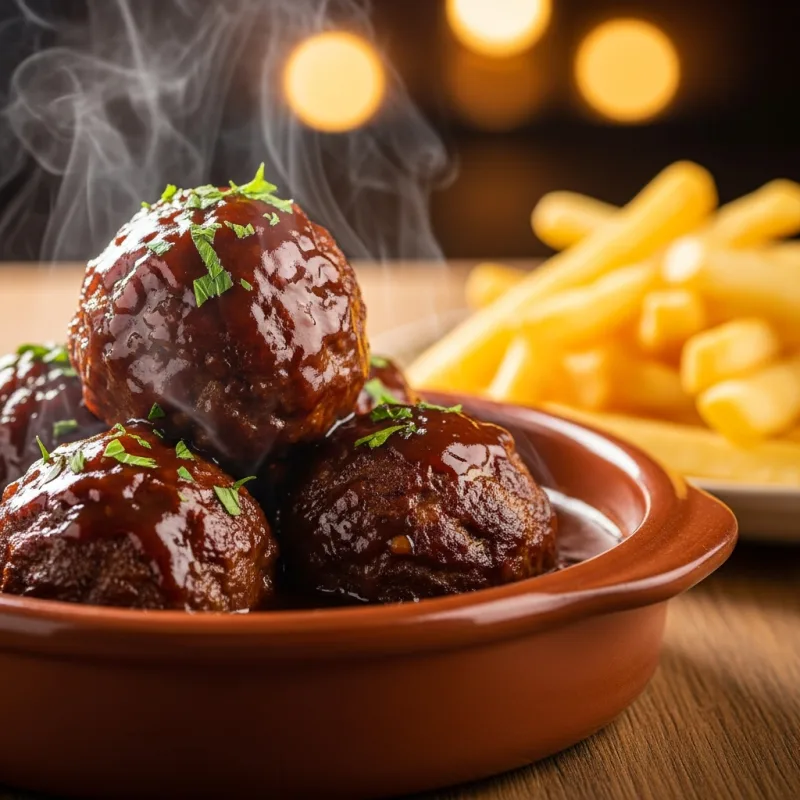
A bowl of Boulets à la Liégeoise with a side of Belgian frites

Must Try Dish

Boulets à la Liégeoise - Large, tender beef and pork meatballs simmered in a rich, sweet-and-sour sauce made from local apple-pear syrup. Traditionally served with crispy Belgian frites, this hearty dish perfectly captures the comforting essence of Walloon cuisine.

Food Experiences

No food experience found

GetReady

Plan your trip seamlessly with our trusted partners and expert guidance. Follow these steps to book everything you need or connect with a local tour guide for personalized support

Step 1: Find the Perfect Accommodation

Explore a wide range of hotels, boutique stays, and vacation rentals to suit every traveler’s needs and budget. From luxury options to cozy family stays, find the best place for your trip.

Step 2: Book Your Flights

Secure the best flight deals for your destination. With our trusted partners, booking flights is quick and hassle-free.

Step 3: Let a Tour Guide Help

Not sure where to start? A professional local tour guide can create a customized itinerary or assist you in planning your trip. Make your journey seamless and stress-free.

Step 4: Rent a Car

Travel at your own pace by renting a car. Whether you’re exploring cities or embarking on a road trip, find reliable and convenient car rental options.

Step 5: Get Travel Insurance

Protect yourself and your loved ones with comprehensive travel insurance. Our partners offer plans to cover every aspect of your journey.

Step 6: Need a Visa?

Check visa requirements for your destination and apply quickly with trusted services. Simplify the process and ensure you’re ready to travel without delays.

FAQs

Trains are excellent for traveling between major cities like Namur, Liège, and Mons. For exploring the rural Ardennes, renting a car is highly recommended.
While French is the official language, English is widely spoken in tourist areas, hotels, and major attractions. Learning a few basic French phrases is always appreciated.
Namur (the capital), Liège (known for its vibrant culture), Dinant (famous for its citadel and saxophone history), and Durbuy (often called the smallest city in the world) are top choices.
Absolutely. The Ardennes region offers fantastic hiking, cycling, and kayaking opportunities, especially along the Lesse and Semois rivers.
Yes, Wallonia is home to several famous Trappist breweries like Orval, Chimay, and Rochefort. While the actual brewing areas are often restricted, they have visitor centers and nearby cafes for tasting.

Help Us Improve

If you visited
Wallonia (Belgium)
click here to share your tips and stories.

This will help us improve our guides for the entire travelers community.

Related Articles

Check out our related articles and blog posts to learn even more about the destination.
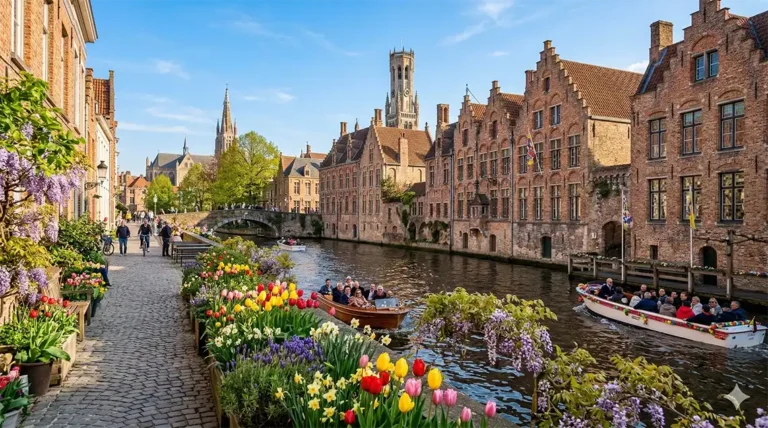
A scenic view of a canal in Bruges during spring - a highlight of Belgium travel 2026.
Best Time to Visit Belgium in 2026: Month-by-Month Seasonal Guide

Don’t Travel Alone

Share with your friends and family

Join travel lovers and get exclusive travel tips, coupons and more!

Register

Now!