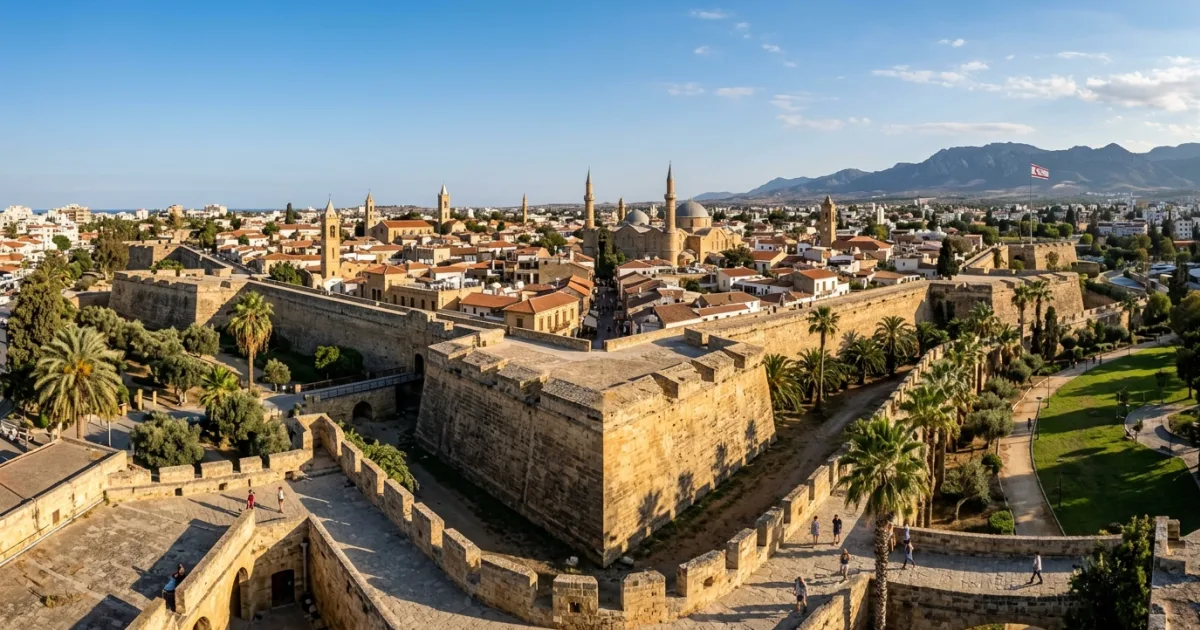
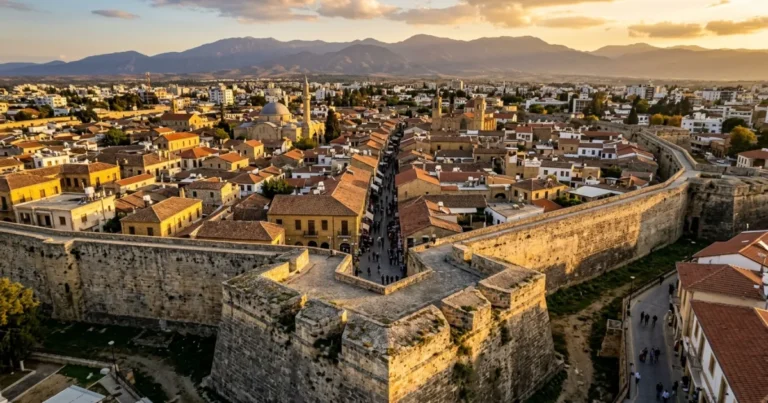
The Nicosia Region forms the geographical and political core of Cyprus, anchored by the ancient walled city of Lefkosia. The city’s history is preserved inside a star-shaped ring of 16th-century Venetian walls, engineered with eleven pointed bastions designed to defend against Ottoman invasion. Today, those perimeter walls encapsulate a compact, vibrant historic quarter where Byzantine domes stand alongside Gothic stonework and neoclassical timber-balconied mansions.
Venture beyond the historic capital and the region transitions into rolling hills and agricultural settlements leading to the Troodos massif. Rural highlights include Machairas Monastery, the UNESCO-listed painted churches of the foothills, and preserved heritage villages that demonstrate centuries-old Cypriot stone-and-mudbrick architecture. Because it lacks commercial cruise ports and high-density beach resorts, the Nicosia Region provides an unhurried, authentic window into contemporary Cypriot life and deep Mediterranean history.
Reasons to Visit
- Walk the star-shaped 16th-century Venetian fortification walls and historic stone gates like the Famagusta Gate.
- Explore the Cyprus Museum, home to the island's most comprehensive collection of Neolithic, Bronze Age, and Classical antiquities.
- Experience the contrast and history of the UN Buffer Zone and Ledra Street pedestrian crossing.
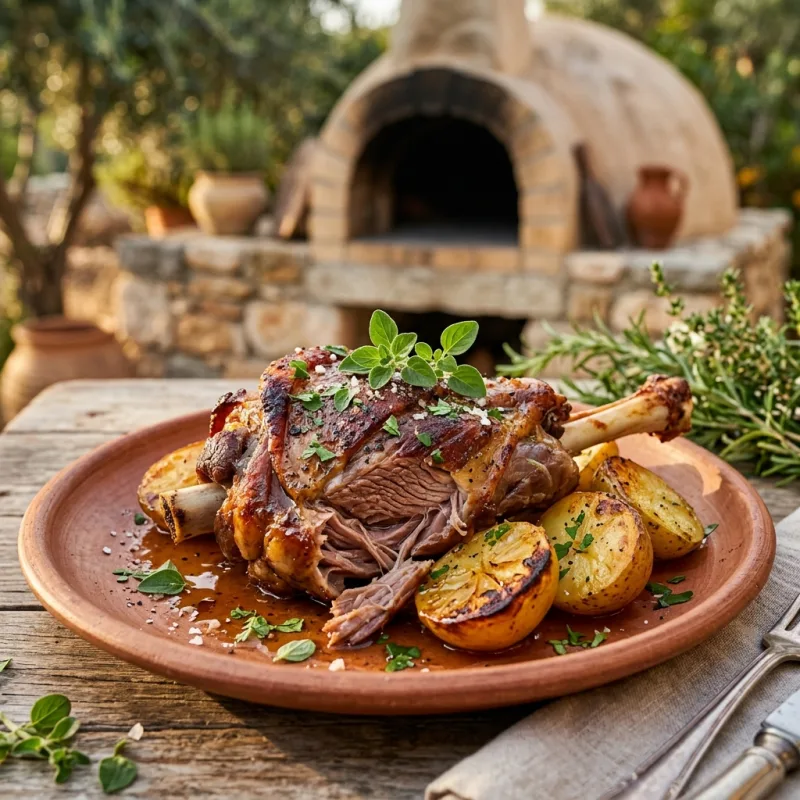
- Dine on authentic multi-dish meze in historic neighborhood courtyards in Chrysaliniotissa and Laiki Geitonia.
- Discover the traditional mountain architecture of UNESCO Tentative List village Fikardou.
Things to Avoid
- Avoid walking long distances exposed to direct sun during July and August midday hours without proper hydration and headwear.
- Avoid taking photographs directly of military installations, watchtowers, or armed personnel stationed along the UN Buffer Zone.
- Do not forget your physical passport at your accommodation if you intend to cross the Green Line pedestrian checkpoints.
- Avoid relying solely on credit cards when purchasing small items in remote foothill villages.
Local Transportation Tips
Within the historic core, walking is the best method of transit due to pedestrianized lanes and short distances between landmarks. The municipality also operates small electric Old City minibuses that navigate narrow streets free of charge or for nominal fares. For outer metropolitan connections, Cyprus Public Transport operates modern city buses with contactless payment. For travel into the Troodos foothills or surrounding agricultural villages, renting a car is strongly recommended, as rural bus services are infrequent. Driving is on the left side of the road.
Travel Etiquette
- Dress respectfully when entering places of worship; cover shoulders and knees in Greek Orthodox churches and remove shoes before entering functioning mosques.
- Cypriot dining is unhurried; do not expect fast table turnover during an evening meze, as meals are social rituals.
- When discussing island politics or the partition of Cyprus, approach conversations with sensitivity and open ears.
- Tipping of 5% to 10% for attentive restaurant service is customary and appreciated, though service charge is sometimes included.
Recommended Age Group
The Nicosia Region offers rich historical, cultural, and culinary activities best enjoyed by adults and independent travelers.
- Babies (0-2 years): Neutral. Narrow sidewalks and uneven stone pavements in parts of the old quarter can make stroller navigation slightly challenging, though local hospitality toward infants is warm.
- Kids (3-12 years): Neutral. Children interested in ancient armor and interactive displays will enjoy the museums, but the absence of sandy beaches and themed attractions may limit engagement.
- Teens (13-19 years): Recommended. Older youth and teenagers often find the geopolitics of the divided city, vibrant urban street art, and boutique café culture fascinating.
- Adults (20-64 years): Recommended. Exceptional balance of archaeological depth, walking tours, culinary meze nights, and regional architectural exploration.
- Seniors (65+ years): Recommended. Flat terrain within the walled city center, accessible cultural venues, and rich history make this a rewarding destination for mature travelers.
Accessibility Level: Medium
- Major institutions such as the Cyprus Museum, Leventis Municipal Museum, and modern shopping corridors offer level ramp access and elevators.
- The medieval core features cobblestone alleys and occasional high curbs, though pedestrianization projects have improved step-free pathways.
- Low-floor municipal buses operate across the urban transport network with designated wheelchair bays.
Did You Know?
Nicosia has been continuously inhabited for over 4,500 years and has served as the capital of Cyprus since the 10th century Byzantine era, chosen specifically because its inland position protected it from coastal pirate raids.
Cool Statistics
- Venetian rampart perimeter: 4.5 kilometers forming an almost perfect circular fortress with 11 bastions
- Museum antiquity span: The Cyprus Museum exhibits artifacts dating from the 9th millennium BCE to the early Byzantine era
- Solar record: Nicosia averages over 3,300 hours of bright sunshine per year







Buy a compatible power adapter for your trip