Disclosure: This site contains affiliate links. We may earn a commission if you make a purchase, at no extra cost to you.

>
>
>
Capital Region of Denmark

Capital Region of Denmark

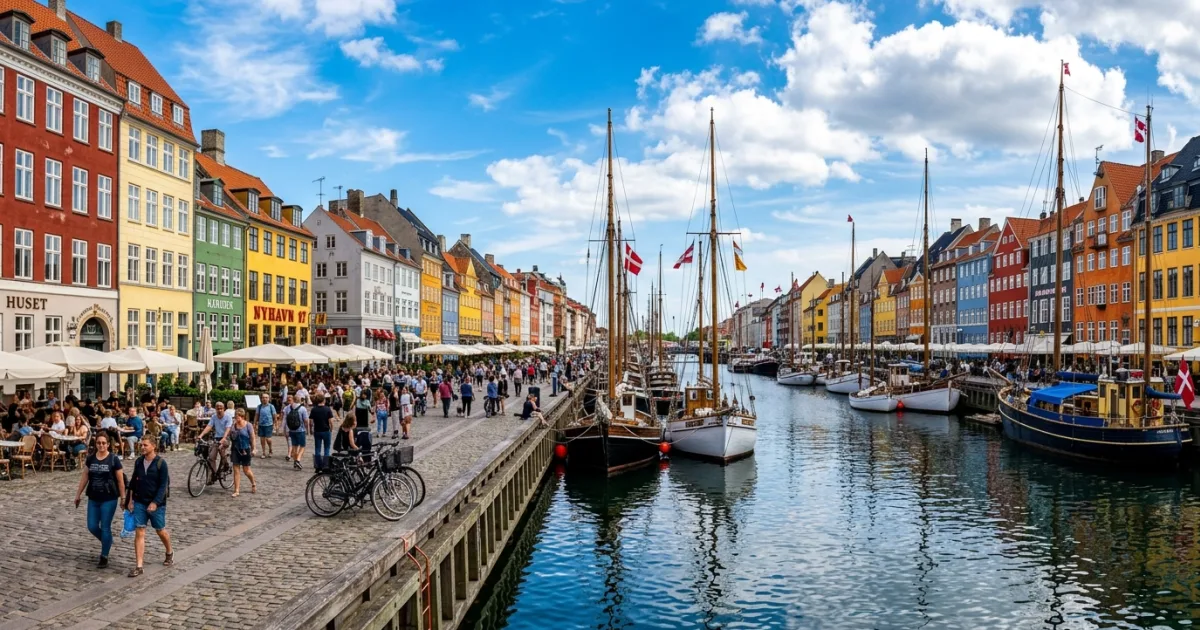
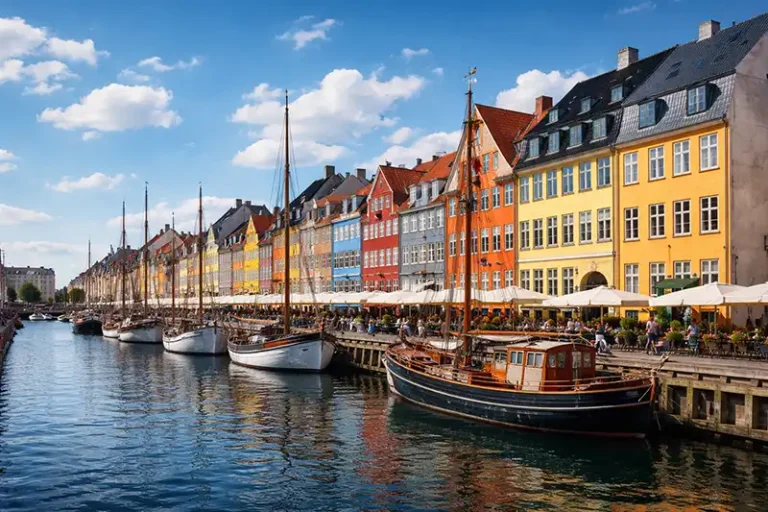
Colorful townhouses and boats along the Nyhavn canal in the Capital Region of Denmark.

Capital Region of Denmark Overview & Key Highlights

The Capital Region of Denmark, encompassing Copenhagen, North Zealand, and the island of Bornholm, offers a seamless blend of historic grandeur and cutting-edge sustainability. Visitors can explore royal palaces like Kronborg and Frederiksborg, cycle through the world's most bike-friendly urban landscapes, and indulge in New Nordic cuisine at Michelin-starred restaurants or bustling street food markets. The region is a testament to modern Scandinavian living, where centuries-old architecture sits comfortably alongside innovative, eco-friendly design. Beyond the vibrant capital city, the region unfolds into serene coastal rivieras, lush beech forests, and the dramatic cliffs of Bornholm. Efficient public transportation connects these diverse landscapes, making it effortless to transition from the alternative urban vibe of Christiania to the quiet, sandy beaches of the Danish Riviera in under an hour. Whether you are seeking world-class museums, maritime history, or simply a relaxing stroll along picturesque canals, this region provides a deeply enriching and highly accessible travel experience.

Capital Region of Denmark Travel Guide: Logistics & In-Depth Tips

The Capital Region of Denmark is a masterclass in balancing historical preservation with forward-thinking urban development. At its heart lies Copenhagen, a city renowned for its colorful Nyhavn harbor, the historic Tivoli Gardens, and a culinary scene that has redefined global gastronomy. Yet, the region's appeal extends far beyond the city limits. To the north, the 'Danish Riviera' offers pristine beaches, charming fishing villages, and the majestic Kronborg Castle, famously known as the setting for Shakespeare's Hamlet.

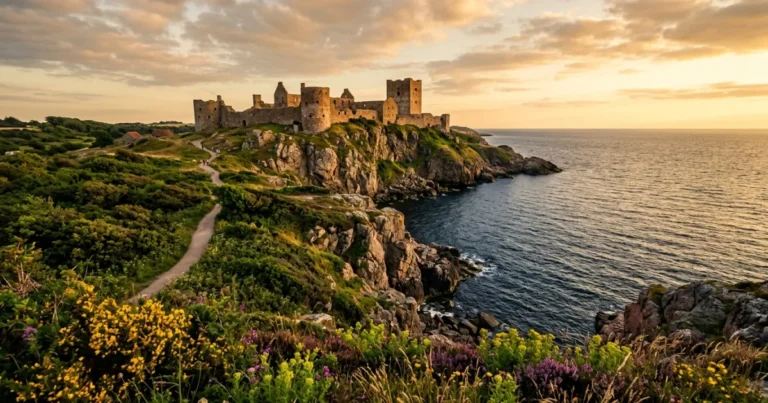
Further afield, the region includes the Baltic Sea island of Bornholm, a rugged paradise of granite cliffs, round churches, and smokehouses. Throughout the region, a deep commitment to sustainability is evident in the ubiquitous bicycle culture, clean harbor baths, and wind turbines dotting the horizon. Whether you are an architecture enthusiast, a foodie, or a nature lover, the Capital Region provides a rich, multifaceted experience.

Reasons to Visit

  • World-class culinary scene featuring New Nordic cuisine and vibrant street food.
  • Exceptional cycling infrastructure making it easy and safe to explore.
  • Rich history showcased through magnificent Renaissance castles and royal palaces.
  • Cutting-edge modern architecture and world-renowned Danish design.
  • High accessibility and a family-friendly environment with numerous parks and attractions.

Things to Avoid

  • Walking in the designated bike lanes—cyclists move fast and expect the lanes to be clear.
  • Relying on taxis, which are notoriously expensive; use the efficient public transport instead.
  • Buying bottled water when the tap water is free and of superior quality.
  • Jaywalking, as it is frowned upon and can result in a fine.

Local Transportation Tips

The region boasts an incredibly efficient and integrated public transportation system. The S-tog (commuter trains), Metro, and extensive bus network make navigating Copenhagen and its suburbs a breeze. For trips to North Zealand, regional trains run frequently. However, the most authentic way to travel is by bicycle; dedicated bike lanes and rental schemes are available everywhere.

Travel Etiquette

  • Respect the bike lanes and always look before crossing them.
  • Be punctual; Danes value time and punctuality highly.
  • Keep your voice down in public transport, as loud conversations are considered impolite.
  • Say 'tak' (thank you) frequently, as politeness is highly regarded.

Recommended Age Group

The Capital Region of Denmark is highly versatile and welcoming to travelers of all ages, offering excellent infrastructure and diverse attractions.

  • Babies (0-2 years): Recommended. The region features excellent infrastructure, widespread changing facilities, and highly stroller-friendly streets and public transport.
  • Kids (3-12 years): Recommended. Attractions like Tivoli Gardens, the Experimentarium, and numerous interactive parks make it a paradise for children.
  • Teens (13-19 years): Recommended. Safe urban exploration, trendy shopping districts, and vibrant street food markets appeal greatly to teenagers.
  • Adults (20-64 years): Recommended. World-class dining, sophisticated nightlife, and rich cultural institutions provide endless entertainment.
  • Seniors (65+ years): Recommended. Highly accessible public transport, flat terrain, and a wealth of historical sites make it comfortable and engaging for older travelers.

Accessibility Level: High

  • Public transportation, including buses, trains, and the Metro, is highly accessible with low floors, ramps, and elevators.
  • Most major museums, castles, and attractions offer wheelchair access and accessible restrooms.
  • The flat terrain and well-paved streets make navigating the cities and towns comfortable for those with mobility challenges.

Did You Know?

The Capital Region of Denmark includes the island of Bornholm, which is geographically located much closer to the coasts of Sweden and Poland than to the rest of Denmark.

Cool Statistics

  • Copenhagen aims to become the world's first carbon-neutral capital by 2025.
  • Over 60% of Copenhageners commute to work or school by bicycle every day.
  • The region is home to Kronborg Castle, a UNESCO World Heritage site and the setting of Shakespeare's Hamlet.


Address:

Capital Region of Denmark, Denmark

Find Nearby Accommodations

Basic Info

address icon

COUNTRY & Region

Denmark,
Europe

ACCESSIBILITY LEVEL​

High
Currency icon

LOCAL CURRENCY​

Danish krone (DKK)
Price level icon
High
Safety Level icon

SAFETY LEVEL

Duration icon

Recommended Duration

• 1-7 days
• More than a week

Electricity

electricity icon

Electricity

220-240V, 
50Hz
Plug Socket icon

Plug Type

• Type C (Round pin)
• Type E (Two round pins with earth pin)
• Type F (Two round pins with earth clips)
• Type K (Three round pins)
Plug types
Click To View Plug Types
Capital Region of Denmark is part of our
Accessible Travel collection

Activities To Do In Capital Region of Denmark

Best Time To Visit Capital Region of Denmark

The best time to visit the Capital Region of Denmark is during the warmer months from May to September, when the days are long, and outdoor life is in full swing.

  • May - June: Spring blooms, pleasant temperatures, and fewer crowds.
  • July - August: Peak summer with long daylight hours, festivals, and lively harbor baths.
  • September: Mild autumn weather, beautiful foliage, and a cozy atmosphere.

Average Temperatures Per Month

Remember to check the weather forecast a few days before the trip and before heading to the airport.

Safety Level icon

Safety Level

The Capital Region is exceptionally safe with low crime rates. Standard precautions against pickpockets in crowded tourist areas (like Strøget or Central Station) apply. The biggest hazard for tourists is often stepping into busy bike lanes without looking—always check both ways for cyclists before crossing.

The rating is based on multi-year peace, crime, and security indices. Before you go, always verify current conditions through official government travel advisories.

Emergency Numbers

Police: 112 (Universal)
Ambulance: 112 (Universal)

No internet needed • Includes local translations • Free for TravelingWiz readers

Spoken Languages

Danish is the official language, but English is spoken fluently by the vast majority of the population.

Learn The Language

  • Hej (Hello)
  • Tak (Thank you)
  • Ja / Nej (Yes / No)
  • Undskyld (Excuse me / Sorry)
  • Taler du engelsk? (Do you speak English?)
  • Hvor meget koster den? (How much does it cost?)
  • Skål! (Cheers!)
  • Farvel (Goodbye)
Travel Booking Partner - TravelingWiz

Trip Cost & Budgeting for Capital Region of Denmark, 2026

Everything you need to know about money while traveling
Is Capital Region of Denmark expensive for tourists in 2026? Yes, it is widely considered a high-cost destination. Based on Human Verified prices, you can expect to pay around 45 DKK for a cappuccino, 60 DKK for a pint of domestic beer, and about 200 DKK for a standard main meal at a mid-range restaurant. Use the data table below to calculate your specific daily budget based on your travel style. With TravelingWiz's Human Verified data, a typical traveler should expect to spend around $267 USD per day for a mid-range trip in Capital Region of Denmark. Click the Trip Cost Calculator button below the table to work out your personal budget for this trip.
Currency icon

LOCAL CURRENCY​:

Danish krone (DKK)
Price level icon
High
Credit cards are universally accepted across Denmark, making cash almost entirely unnecessary for travelers in the Capital Region.

Per person, per day – pocket cash for small purchases.

Local: 350
Danish krone (DKK)
≈ 54 USD

Full daily spend estimation (accommodation, food, transportation, attractions).

Travel Style
Danish krone (DKK)
≈ USD ($)
Budget
950
146
Mid-range
1730
267
Comfort
3800
586

The Prices, Daily costs, and calculator results are estimates for planning purposes only. Actual costs may vary based on season, booking timing, personal spending habits, and currency fluctuations. TravelingWiz cannot be held responsible for discrepancies between these estimates and your final trip expenses.

  • Buy a Copenhagen Card to get free entry to over 80 attractions and unlimited public transportation.
  • Rent a bicycle instead of using taxis, as Copenhagen is incredibly bike-friendly and rentals are highly affordable.
  • Eat lunch at local food halls like Reffen or Torvehallerne, or grab traditional smørrebrød from bakeries to save on dining.
  • Drink tap water, which is exceptionally clean and completely free, rather than buying expensive bottled water.

Pre-Order Tickets

Avoid disappointment when tickets sell out — and skip the long lines by booking online in advance. You’ll often save up to 20% too.
Save up to 20%

Travel Discounts & Coupons

Save on hotels, attractions, transport, and gear — find verified discounts for smarter travel spending.
Verified Coupons

What To Pack

  • Windproof jacket for unpredictable coastal weather.
  • Comfortable, flat walking shoes or sneakers for cobblestone streets and cycling.
  • Layered clothing to adapt to fluctuating daily temperatures.
  • A reusable water bottle to take advantage of the excellent tap water.
  • A universal power adapter for Type K or Type C outlets.
We couldn't find tips for Capital Region of Denmark.
If you got any, please share

Recommended Itineraries for Traveling to Capital Region of Denmark

We couldn't find itineraries for Capital Region of Denmark.
you can contact us for custom trip plan

Food & Drink Highlights

Local Food Overview

The Capital Region is the epicenter of New Nordic cuisine, focusing on seasonal, local, and foraged ingredients. From high-end Michelin-starred dining to traditional open-faced sandwiches, the culinary scene is diverse, innovative, and deeply rooted in Danish heritage.
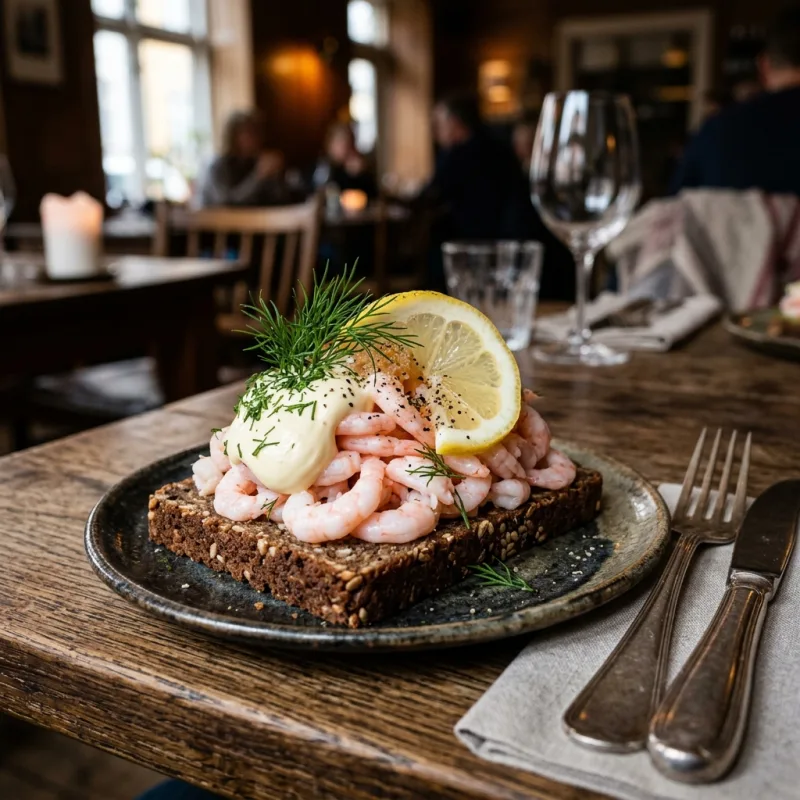
Traditional Danish Smørrebrød with shrimp and dill

Must Try Dish

Smørrebrød - A traditional Danish open-faced sandwich built on dense, dark rye bread (rugbrød). It is artfully topped with a variety of ingredients such as pickled herring, roast beef, or fresh shrimp, garnished with herbs and remoulade.
Food Experiences Title Icon

Food
Experiences

Discover cooking classes, tastings and local food tours

No food experience found
Maya, the human travel expert at TravelingWiz, offering curated, non-AI expertise

Maya’s Final Checklist for Capital Region of Denmark

Logistics shouldn’t be the focus of your trip—the experience should. I’ve hand-vetted these essential partners to ensure your arrival, stay, and exploration are as smooth as an Athenian breeze.

Where to Stay

From boutique hotels to local apartments—compare thousands of options and find the perfect stay in the best neighborhood.

Air Travel

Getting there should be seamless. Compare the best routes and prices across top airlines to start your journey on the right note.

Local Guides

Connect with experts who know the destination best. Get personalized advice and insider tips to help you plan your perfect trip.

Travel Protection

The “Engineer’s” rule: always have a backup. Secure your trip with a plan that covers every “what if” and unexpected change.

Car Rentals

Explore at your own pace with total freedom. Compare reliable rental options and find the right vehicle for your adventure.

Visa Services

Don’t let paperwork slow you down. Get expert assistance with your application to ensure all your entry documents are in order.

FAQs

Yes, the area is known for its high cost of living. Based on our Human Verified prices, expect to pay around 45 DKK for a cappuccino, 60 DKK for a pint of domestic beer, and 250 DKK for a standard main meal at a mid-range restaurant. While pricey, careful planning makes visiting manageable. Use the data table below to calculate your specific daily budget based on your travel style.
You should rent a bicycle to navigate the city like a local, which is the most efficient and authentic way to travel. For longer distances or bad weather, utilize the excellent public transport network. Purchase the Copenhagen Card to enjoy unlimited travel on buses, trains, and the metro. Expect to spend approximately 100-150 DKK per day on transport if you do not buy a multi-day pass.
You need a passport valid for at least 3 months beyond your planned date of departure from the Schengen Area. If you are a citizen of the US, UK, or Canada, you can enter visa-free for up to 90 days. Other nationalities must apply for a standard Schengen visa. Additionally, you should carry travel health insurance, which is highly recommended for all visitors and mandatory for visa applicants.
Yes, you can easily rely on electronic payments as Denmark is a highly cashless society. Credit and debit cards are widely accepted at nearly every restaurant, shop, and attraction, even for small purchases. While it is helpful to have a small amount of Danish Krone for emergencies, you will find that a digital wallet or card is the most convenient way to manage your 1,500-2,500 DKK average daily budget.

Your Insights Matter

TravelingWiz grows through the stories of our community. If you’ve recently explored ,Capital Region of Denmark share your tips and stories to help us perfect our guides for the next traveler.

Related Articles

Check out our related articles and blog posts to learn even more about the destination.

Don’t Travel Alone

Share with your friends and family

Where should we send your offline card?

We hate spam just as much as you do

newsletter_consent *