Disclosure: This site contains affiliate links. We may earn a commission if you make a purchase, at no extra cost to you.

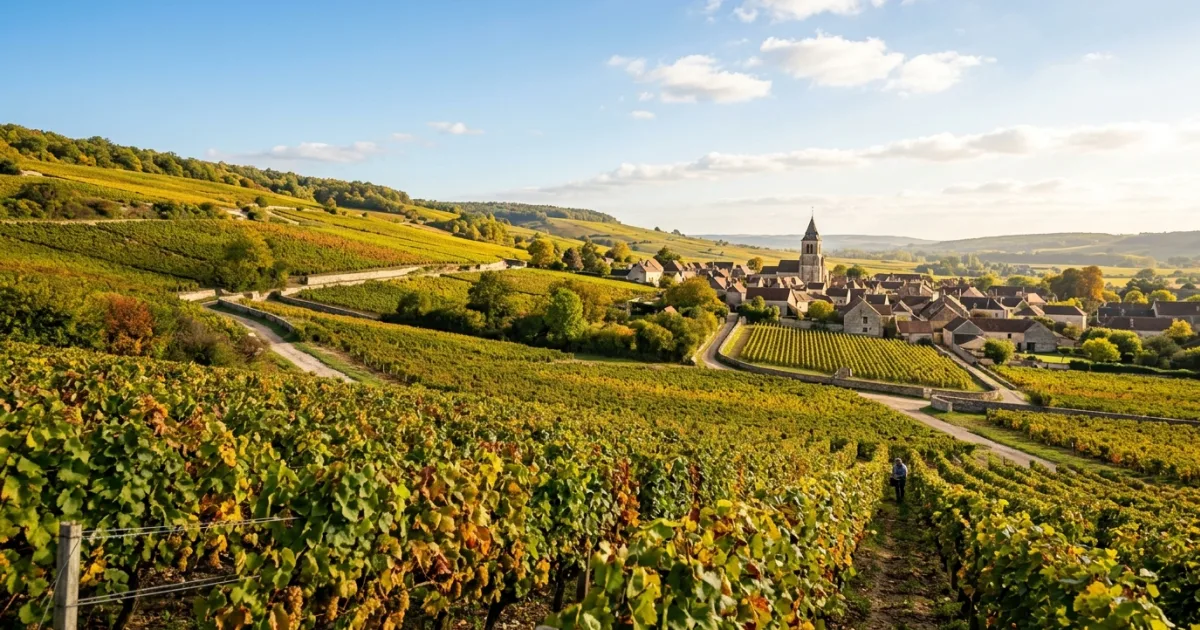
Panoramic view of golden autumn vineyards and a stone village in Côte-d'Or, France

Cote-d’Or Overview & Key Highlights

Côte-d'Or is the historical and viticultural beating heart of Burgundy in east-central France. Famous for the UNESCO-inscribed Climats of the Burgundy vineyards, this department stretches from the medieval ducal grandeur of Dijon through the undulating slopes of the Route des Grands Crus down to Beaune. The landscape is an intricate patchwork of limestone hillsides, dense oak forests, tranquil canals, and stone-built wine hamlets that have preserved their architectural integrity for centuries. Beyond prestigious cellars producing world-class Pinot Noir and Chardonnay, Côte-d'Or offers deeply layered European history. Travelers encounter major landmarks such as the 12th-century Cistercian Abbey of Fontenay, the Roman battlefields of Alésia, and the Renaissance fortress of Châteauneuf-en-Auxois. Whether navigating the department via scenic cycling lanes alongside the Canal de Bourgogne or indulging in classic French gastronomy, Côte-d'Or balances rural tranquility with refined epicurean indulgence.

Cote-d’Or Travel Guide: Logistics & In-Depth Tips

The department of Côte-d'Or derives its name—meaning 'Golden Slope'—from the sun-drenched hillsides of the limestone escarpment that turn radiant yellow and gold during autumn. Located within the Bourgogne-Franche-Comté administrative region, it is globally celebrated as the ancestral home of Pinot Noir and Chardonnay. The vineyard parcels, historically documented and classified as Climats, represent centuries of meticulous land management pioneered by Benedictine and Cistercian monks.

Beyond its prestigious viticulture, Côte-d'Or is an architectural showcase spanning classical antiquity to the late Renaissance. The department houses the magnificent Palace of the Dukes of Burgundy in Dijon, the colorful glazed tile roofs of the 15th-century Hospices de Beaune, and the serene Cistercian Abbey of Fontenay. Broad plateaus, tranquil waterways like the Canal de Bourgogne, and sleepy stone villages provide an idyllic backdrop for immersive cultural and epicurean exploration.

Reasons to Visit

  • Drive or cycle along the iconic Route des Grands Crus passing legendary wine villages like Vosne-Romanée and Gevrey-Chambertin.
  • Admire the flamboyant Gothic architecture and polychrome tiled roofs of the Hôtel-Dieu in Beaune.
  • Immerse yourself in Dijon's rich heritage, from the Ducal Palace to interactive culinary exhibits at the Cité Internationale de la Gastronomie et du Vin.
  • Explore quiet historical gems like the UNESCO-listed Abbey of Fontenay and the hilltop medieval village of Châteauneuf-en-Auxois.
  • Experience farm-to-table culinary traditions featuring regional cheeses, artisanal charcuterie, and Michelin-starred establishments.

Things to Avoid

  • Avoid arriving at rural wineries without an appointment, as winemakers are frequently working in the cellars or vines.
  • Do not expect shops and restaurants in smaller villages to remain open on Sundays and Mondays.
  • Avoid driving through narrow historical centers like central Dijon; utilize exterior park-and-ride facilities instead.
  • Do not rely strictly on public transport if you plan to visit rural abbeys and isolated châteaux outside the main rail corridor.

Local Transportation Tips

SNCF regional TER trains provide frequent and affordable connections along the primary axis between Dijon, Gevrey-Chambertin, Nuits-Saint-Georges, and Beaune. For broader regional exploration into the Auxois region or the Morvan borders, renting a vehicle is highly recommended. Active travelers can utilize the Voie des Vignes, a well-marked cycling route meandering directly through vineyard landscapes.

Travel Etiquette

  • Always greet shopkeepers and hosts with a polite 'Bonjour Madame' or 'Bonjour Monsieur' upon entering an establishment.
  • Avoid wearing heavy perfume or cologne during structured wine tastings, as it interferes with sensory evaluations.
  • Keep voices at a moderate volume in restaurants and historical religious sanctuaries.

Recommended Age Group

Côte-d'Or offers varied cultural and scenic experiences, though its core attractions cater predominantly to adult travelers.

  • Babies (0-2 years): Neutral. Quiet countryside roads are pleasant, but ancient cobblestone pathways and narrow cellar stairs can challenge strollers.
  • Kids (3-12 years): Neutral. Castles and canal strolls offer recreation, though lengthy wine tastings and historical museums may limit general appeal.
  • Teens (13-19 years): Neutral. Outdoor cycling, fortress exploration, and culinary discovery appeal, though nightlife is subdued outside of Dijon.
  • Adults (20-64 years): Recommended. World-class wine routes, high-end gastronomy, and deep architectural heritage create an ideal travel destination.
  • Seniors (65+ years): Recommended. Manageable walking distances, relaxed pace, scenic drives, and curated cultural sites cater excellently to mature travelers.

Accessibility Level: Medium

  • Modern trams and public buses in Dijon offer step-free access and audio-visual stop announcements.
  • Major attractions like the Hospices de Beaune and Cité Internationale de la Gastronomie feature wheelchair ramps and elevator access.
  • Historic underground wine cellars and medieval fortress ruins often feature steep stone stairways and uneven footing, presenting mobility challenges.

Did You Know?

The name 'Côte-d'Or' is the only French department name not based on a geographical feature like a river, mountain, or forest; it was chosen poetically by the Constituent Assembly in 1790 to describe the golden foliage of the autumn vines.

Cool Statistics

  • Over 1,200 individually delimited vineyard parcels (Climats) are recognized under the UNESCO World Heritage designation.
  • The Route des Grands Crus spans approximately 60 kilometers of premier wine country.
  • Home to Fontenay Abbey, founded in 1118, one of the oldest and most complete Cistercian abbeys in Europe.


Address:

Côte-d'Or, France

Find Nearby Accommodations

Basic Info

address icon

COUNTRY & Region

France,
Europe

ACCESSIBILITY LEVEL​

Medium
Currency icon

LOCAL CURRENCY​

Euro (EUR)
Price level icon
Medium
Safety Level icon

SAFETY LEVEL

Duration icon

Recommended Duration

• 1-7 days
• More than a week

Electricity

electricity icon

Electricity

220-240V, 
50Hz
Plug Socket icon

Plug Type

• Type C (Round pin)
• Type E (Two round pins with earth pin)
Plug types
Click To View Plug Types
Cote-d’Or is part of our
Silver Nomads collection

Activities To Do In Cote-d’Or

Best Time To Visit Cote-d’Or

Côte-d'Or experiences distinct seasons, with late spring and autumn offering optimal conditions for touring vineyards and historic monuments.

  • May to June: Pleasant daytime temperatures, blooming countryside, and lower tourist congestion compared to midsummer.
  • September to October: The vibrant harvest season (les vendanges), featuring golden foliage along the slopes and active winery life.
  • November to April: Cooler and quieter months suitable for tranquil city stays in Dijon, though many smaller village tasting rooms operate on reduced winter schedules.

Average Temperatures Per Month

Remember to check the weather forecast a few days before the trip and before heading to the airport.

Safety Level icon

Safety Level

Côte-d'Or maintains very low crime rates across both urban centers and rural villages. Keep your vehicle empty of visible luggage or wine purchases when parking at unattended vineyard trailheads. When cycling on rural vineyard lanes, watch for tractors and narrow agricultural machinery during working hours.

The rating is based on multi-year peace, crime, and security indices. Before you go, always verify current conditions through official government travel advisories.

Emergency Numbers

Police: 17
Ambulance: 15

No internet needed • Includes local translations • Free for TravelingWiz readers

Spoken Languages

French (official), with English widely understood in hospitality, wine estates, and tourist hubs.

Learn The Language

  • Bonjour (Hello / Good day)
  • Merci beaucoup (Thank you very much)
  • S’il vous plaît (Please)
  • Une dégustation, s’il vous plaît (A wine tasting, please)
  • L’addition, s’il vous plaît (The check, please)
  • Parlez-vous anglais ? (Do you speak English?)
  • Où est la gare ? (Where is the train station?)
  • Au revoir (Goodbye)
Travel Booking Partner - TravelingWiz

Trip Cost & Budgeting for Cote-d'Or, 2026

Everything you need to know about money while traveling
Is Cote-d’Or expensive for tourists in 2026? Cote-d’Or is moderately priced compared to Paris, offering reasonable costs for high-quality French food and wine. You can expect to pay around €3.00 for a coffee, €6.80 for a domestic beer, and €22.00 for a standard main meal. With our Human Verified prices, planning your trip is straightforward. Use the data table below to calculate your specific daily budget based on your travel style.
Currency icon

LOCAL CURRENCY​:

Euro (EUR)
Price level icon
Medium
Credit and debit cards are accepted almost everywhere in Cote-d’Or, though carrying a small cash buffer remains helpful.

Per person, per day – pocket cash for small purchases.

Local: 17
Euro (EUR)
≈ 43 USD

Full daily spend estimation (accommodation, food, transportation, attractions).

Travel Style
Euro (EUR)
≈ USD ($)
Budget
95
102
Mid-range
170
215
Comfort
370
452

The Prices, Daily costs, and calculator results are estimates for planning purposes only. Actual costs may vary based on season, booking timing, personal spending habits, and currency fluctuations. TravelingWiz cannot be held responsible for discrepancies between these estimates and your final trip expenses.

  • • Take advantage of fixed-price lunch menus (formule du midi) at local bistros for high-quality dining at lower prices.
  • • Buy a Divia transport pass for unlimited rides on Dijon's trams and buses rather than buying single tickets.
  • • Purchase wine directly from local domain producers along the Route des Grands Crus instead of boutique shops.
  • • Visit the Marché des Halles in Dijon to pick up regional cheeses, breads, and produce for affordable picnics.

Pre-Order Tickets

Avoid disappointment when tickets sell out — and skip the long lines by booking online in advance. You’ll often save up to 20% too.
Save up to 20%

Travel Discounts & Coupons

Save on hotels, attractions, transport, and gear — find verified discounts for smarter travel spending.
Verified Coupons

What To Pack

  • Sturdy walking shoes with non-slip soles for navigating limestone cellars and cobblestone streets
  • Smart-casual dinner attire suitable for upscale bistros and Michelin-starred dining rooms
  • Layered clothing and a waterproof jacket to adapt to variable semi-continental weather
  • Compact wine-bottle protector sleeves for transporting vintage bottles safely
  • Universal Type E electrical adapter and portable charger for full-day vineyard touring
We couldn't find tips for Cote-d’Or.
If you got any, please share

Recommended Itineraries for Traveling to Cote-d’Or

We couldn't find itineraries for Cote-d’Or.
you can contact us for custom trip plan

Food & Drink Highlights

Local Food Overview

Gastronomy in Côte-d'Or is rooted in slow-braised meats, rich sauces, and regional dairy heritage. Dijon mustard, Charolais beef, and Époisses cheese define the local palate. Meals typically celebrate traditional recipes developed around Burgundy wines, accompanied by artisanal pain d'épices (spiced bread) and gougères (baked savory choux pastries filled with Gruyère).
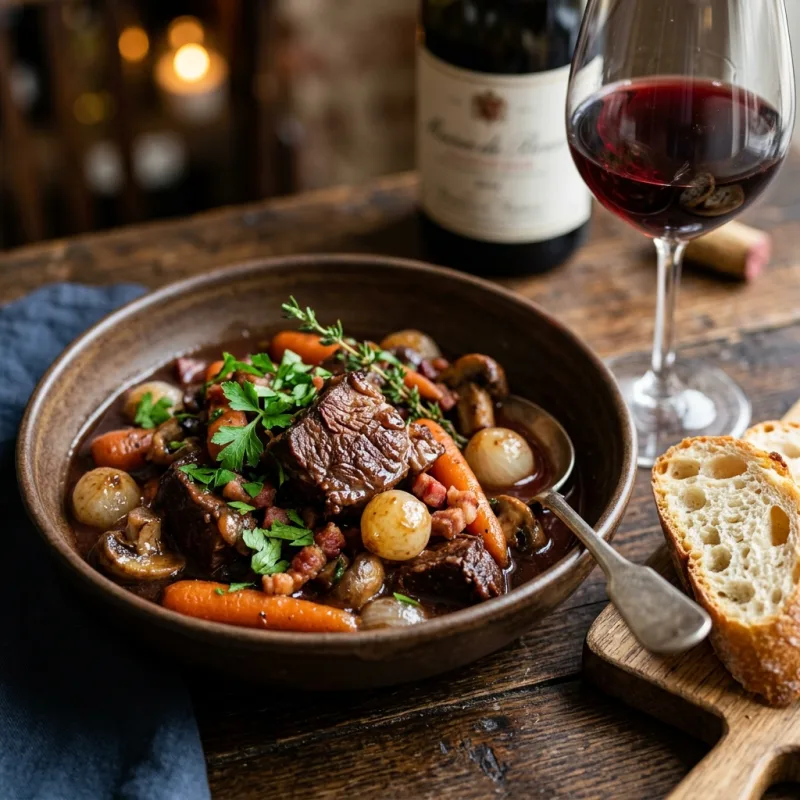
Authentic Boeuf Bourguignon stew served in a rustic ceramic bowl with red wine and fresh bread

Must Try Dish

Boeuf Bourguignon - Charolais beef slow-cooked for hours in red Burgundy wine with carrots, onions, garlic, mushrooms, and lardons. The resulting stew produces exceptionally tender meat bathed in a glossy, deeply savory reduction that captures the essence of French terroir.
Food Experiences Title Icon

Food
Experiences

Discover cooking classes, tastings and local food tours

No food experience found
Maya, the human travel expert at TravelingWiz, offering curated, non-AI expertise

Maya’s Final Checklist for Cote-d’Or

Logistics shouldn’t be the focus of your trip—the experience should. I’ve hand-vetted these essential partners to ensure your arrival, stay, and exploration are as smooth as an Athenian breeze.

Where to Stay

From boutique hotels to local apartments—compare thousands of options and find the perfect stay in the best neighborhood.

Air Travel

Getting there should be seamless. Compare the best routes and prices across top airlines to start your journey on the right note.

Local Guides

Connect with experts who know the destination best. Get personalized advice and insider tips to help you plan your perfect trip.

Travel Protection

The “Engineer’s” rule: always have a backup. Secure your trip with a plan that covers every “what if” and unexpected change.

Car Rentals

Explore at your own pace with total freedom. Compare reliable rental options and find the right vehicle for your adventure.

Visa Services

Don’t let paperwork slow you down. Get expert assistance with your application to ensure all your entry documents are in order.

FAQs

Renting a car provides optimal flexibility for exploring remote vineyards, historical abbeys, and rural châteaux. However, regional TER trains effectively connect Dijon, Beaune, and Nuits-Saint-Georges, while dedicated cycle paths offer great routes for active travelers.
Yes, advance reservations are strongly advised, especially for prestigious domaines and historic cellars along the Route des Grands Crus. Drop-in tastings are primarily limited to independent village wine boutiques and larger négociant houses.
Dijon is ideal if you prefer vibrant urban culture, extensive museums, and diverse dining scenes. Beaune is preferable if your primary focus is deep immersion in wine estates, walking through cellars, and exploring central vineyard corridors.

Your Insights Matter

TravelingWiz grows through the stories of our community. If you’ve recently explored ,Cote-d’Or share your tips and stories to help us perfect our guides for the next traveler.

Related Articles

Check out our related articles and blog posts to learn even more about the destination.

No related articles found

Don’t Travel Alone

Share with your friends and family

Where should we send your offline card?

We hate spam just as much as you do

newsletter_consent *