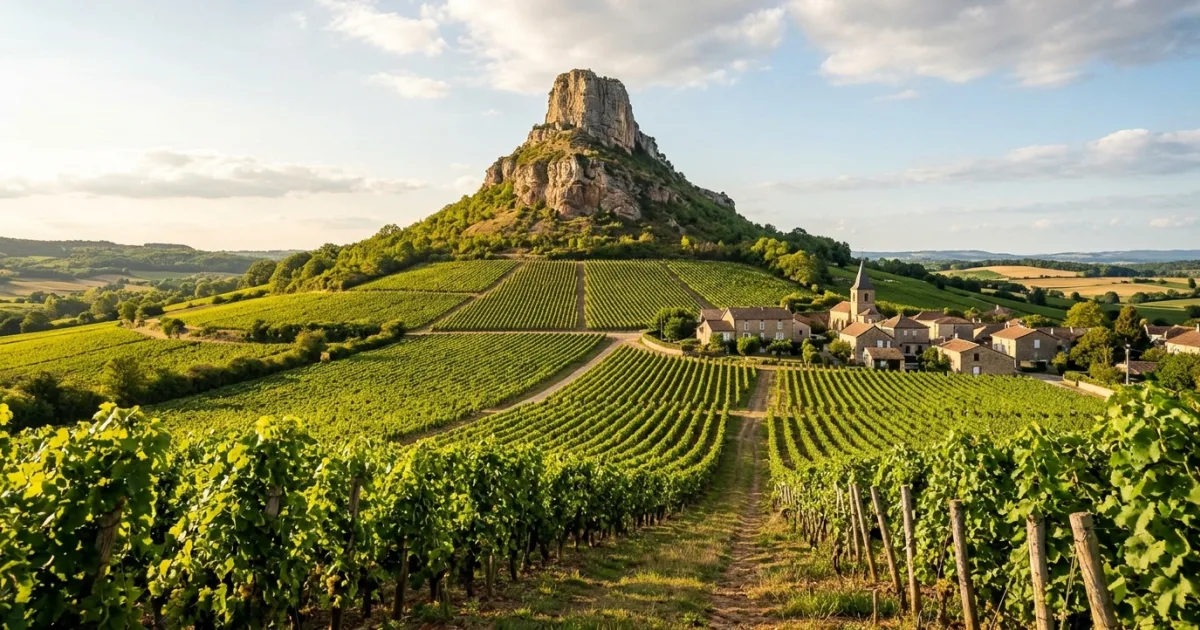
Saône-et-Loire is the southern gateway to the historical Duchy of Burgundy, presenting an expansive landscape where limestone bluffs meet rolling pastoral farmland. The department is bounded by the Saône River on its eastern flank and the granite heights of the Morvan mountains to the northwest. This geographical variety has shaped human habitation for millennia, evidenced by prehistoric remains at the Roche de Solutré and Roman urban planning visible in Autun's monumental city gates and preserved Roman theater.
During the Middle Ages, the territory served as the spiritual heart of Western Christendom through the Benedictine Abbey of Cluny, whose mother church was the largest religious building in the world until the reconstruction of St. Peter's in Rome. Today, that monastic heritage survives across hundreds of Romanesque parish churches tucked into picturesque stone villages like Brancion, Chapaize, and Semur-en-Brionnais. Travelers today find a relaxed lifestyle centered on outdoor recreation, world-class viniculture, and agricultural markets that preserve centuries-old French farming customs.
Reasons to Visit
- Marvel at the historic remains and digital reconstructions of Cluny Abbey, once the center of a monastic empire.
- Cycle along France's original Voie Verte, an expansive traffic-free route built along converted railway tracks.
- Hike to the summit of the Roche de Solutré for panoramic views over world-famous Pouilly-Fuissé vineyards.
- Explore Autun's ancient Roman amphitheater, medieval cathedral, and pristine ramparts.
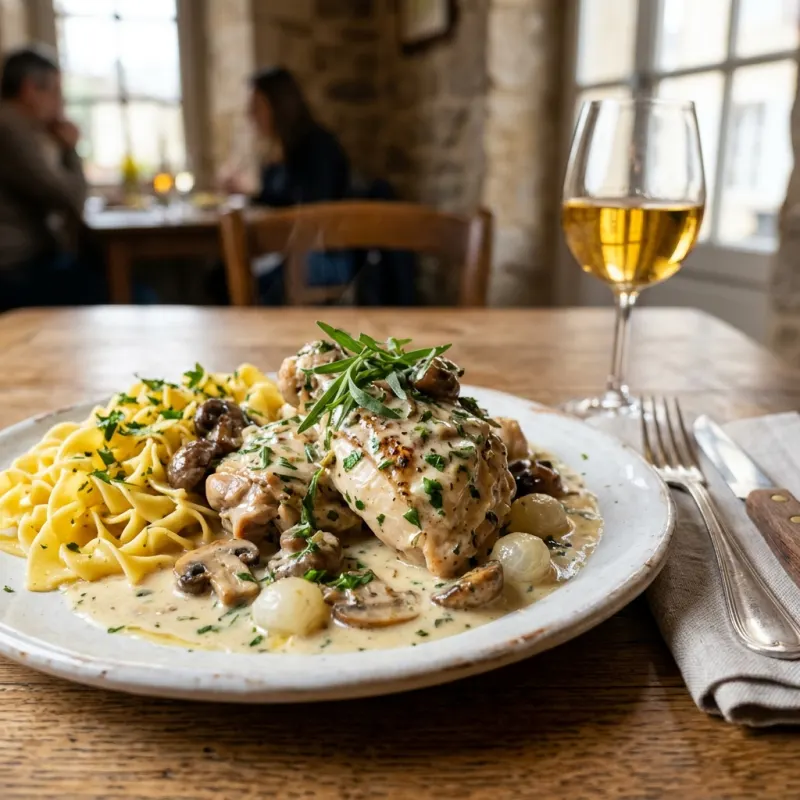
- Sample certified Bresse poultry and Charolais beef right at the bustling Monday livestock market in Louhans.
Things to Avoid
- Do not arrive in rural villages on Sunday afternoons or Mondays expecting retail shops and small restaurants to be open.
- Avoid driving into vineyard access tracks (chemins de vigne) with standard vehicles, as they are reserved for farm machinery and can be impassable.
- Do not rely solely on public buses for reaching isolated Romanesque chapels in the Brionnais hills.
- Avoid visiting wineries during the intense September grape harvest without calling ahead to confirm availability.
Local Transportation Tips
Public transportation connects the major urban arteries, with SNCF regional trains running along the Dijon-Chalon-sur-Saône-Mâcon corridor and high-speed TGV trains stopping at Mâcon-Loché TGV and Le Creusot Montceau TGV. Regional bus networks operate between larger towns, but coverage in rural hamlets is infrequent. Renting a car provides the greatest flexibility for touring the wine routes and countryside. For cyclists, the department features over 1,000 kilometers of designated cycle tracks, including the paved, off-road Voie Verte and riverside EuroVelo 6 routes.
Travel Etiquette
- Always greet store owners, receptionists, and restaurateurs with a polite 'Bonjour Madame' or 'Bonjour Monsieur' upon entering an establishment.
- When participating in wine tastings, take time to listen to the producer's explanation before tasting, and feel comfortable using the spittoon (crachoir).
- Respect private vineyard plots by staying on marked public hiking and cycling rights-of-way.
- Keep voices moderate when visiting functioning village churches and historical abbey grounds.
Recommended Age Group
Saône-et-Loire offers varied experiences suited to distinct travel styles, particularly favoring outdoor enthusiasts, culture lovers, and multi-generational family groups.
- Babies (0-2 years): Neutral. Cobblestoned historic villages and steep castle steps present challenges for strollers, though the paved Voie Verte trails accommodate baby joggers comfortably.
- Kids (3-12 years): Recommended. Children enjoy interactive visits at Cormatin Castle with its giant hedge maze, exploring prehistoric underground caverns at Azé, and renting electric boats on the canals.
- Teens (13-19 years): Recommended. Excellent destination for active teenagers who enjoy cross-country mountain biking, kayaking the Saône, tree-top adventure courses, and hiking geological outcrops.
- Adults (20-64 years): Recommended. An ideal destination for independent travelers seeking world-class gastronomy, cellar tastings, historic architecture, and scenic driving circuits.
- Seniors (65+ years): Recommended. Gentle topography along the valleys, accessible paved greenways, unhurried cultural sites, and high tourist comfort make it exceptionally rewarding for mature travelers.
Accessibility Level: Medium
- Cluny Abbey and major tourist offices offer dedicated tactile models, elevators, and step-free visitor routes for travelers with reduced mobility.
- The Voie Verte network features flat, paved asphalt trails with zero automotive traffic, making it well-suited for handbikes and wheelchairs.
- Historic village centers such as Brancion and Semur-en-Brionnais feature uneven cobblestones and steep gradients that may require assistance.
- TGV stations at Mâcon-Loché and Le Creusot offer complete SNCF Accès Plus assistance services for travelers with disabilities.
Did You Know?
Saône-et-Loire created France's very first 'Voie Verte' in 1997, converting an abandoned railway line between Cluny and Givry into an accessible, car-free multi-use paved trail that served as the blueprint for greenways across the entire nation.
Cool Statistics
- Over 300 Romanesque churches and chapels dot the departmental landscape, representing one of the highest concentrations in Europe.
- Home to France's first designated Voie Verte, now part of a regional cycling network exceeding 1,000 km.
- The department produces prestigious wines across 5 separate AOC vineyard areas, including Pouilly-Fuissé, Saint-Véran, and Mercurey.






Buy a compatible power adapter for your trip