Disclosure: This site contains affiliate links. We may earn a commission if you make a purchase, at no extra cost to you.

>
>
>
French Polynesia

French Polynesia

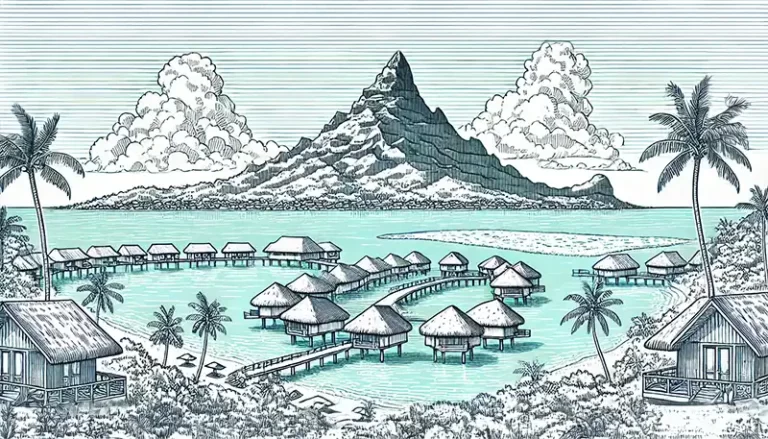
Aerial view of overwater bungalows in Bora Bora, French Polynesia at sunset

French Polynesia Overview & Key Highlights

French Polynesia, a captivating overseas collectivity of France, is an idyllic South Pacific paradise renowned for its breathtaking natural beauty, vibrant marine life, and rich Polynesian culture. Comprising over 100 islands scattered across five archipelagos, including the iconic Society Islands (Tahiti, Bora Bora, Moorea), the Tuamotus, Marquesas, Austral, and Gambier Islands, this destination offers an unparalleled escape into a world of turquoise lagoons, lush volcanic peaks, and pristine white-sand beaches. It's a dream destination for honeymooners, adventure seekers, and those yearning for ultimate relaxation amidst stunning tropical scenery. Visitors to French Polynesia can immerse themselves in a diverse array of experiences, from world-class diving and snorkeling among vibrant coral gardens to exploring ancient marae (sacred sites) and engaging with the warm, welcoming local communities. The islands promise a blend of luxurious overwater bungalows, thrilling water sports, and opportunities to discover unique flora and fauna. Whether you're seeking serene moments of tranquility or exhilarating adventures, French Polynesia delivers an unforgettable journey into the heart of paradise.

French Polynesia Travel Guide: Logistics & In-Depth Tips

French Polynesia, officially the Collectivity of French Polynesia, is a vast expanse of 118 islands and atolls spread over 2,000 kilometers in the South Pacific Ocean. These islands are grouped into five archipelagos: the Society Islands (including Tahiti, Moorea, Bora Bora, Huahine, Raiatea, Taha'a), the Tuamotu Archipelago, the Marquesas Islands, the Austral Islands, and the Gambier Islands. Each archipelago offers a distinct charm, from the iconic volcanic peaks and turquoise lagoons of the Society Islands to the remote, rugged beauty of the Marquesas and the low-lying coral atolls of the Tuamotus, famous for their exceptional diving and pearl farms. The capital, Papeete, on the island of Tahiti, serves as the main international gateway and economic hub.

Reasons to Visit

  • Unrivaled Natural Beauty: Iconic volcanic landscapes, crystal-clear lagoons, and pristine beaches.
  • World-Class Diving & Snorkeling: Abundant marine life, vibrant coral reefs, and shark/ray encounters.
  • Luxurious Overwater Bungalows: The quintessential romantic accommodation experience.
  • Rich Polynesian Culture: Opportunities to experience traditional music, dance, and local customs.
  • Black Pearls: Home to some of the world's finest black pearls, with farm visits available.
  • Relaxation & Wellness: Perfect for unwinding, with numerous spas and serene environments.
  • Adventure Activities: Hiking, surfing, sailing, jet-skiing, and more.

Things to Avoid

  • Disrespecting Local Customs: Always be polite and respectful, especially when visiting sacred sites or local villages.
  • Touching Coral Reefs: This can damage the fragile ecosystem. Always observe marine life from a distance.
  • Littering: Help preserve the pristine environment by disposing of waste properly.
  • Underestimating Sun Exposure: The tropical sun is intense; always use high-SPF sunscreen and seek shade.
  • Ignoring Insect Repellent: Mosquitoes and sandflies can be prevalent, especially at dusk.
  • Drinking Tap Water (unless specified): Stick to bottled water or filtered water provided by your accommodation.
  • Over-scheduling: Embrace the 'mana' (spirit) of the islands and allow for spontaneous relaxation.

Local Transportation Tips

Getting around French Polynesia involves a mix of inter-island and intra-island transport. For travel between islands, domestic flights with Air Tahiti are the most common and efficient option, connecting major islands. Ferries operate regularly between Tahiti and Moorea, and some other nearby islands. On individual islands, options include rental cars (available on larger islands like Tahiti and Moorea), scooters, bicycles, and local taxis. Public buses (Le Truck) are available on Tahiti but less common on other islands. Many resorts offer shuttle services or can arrange transfers.

Travel Etiquette

  • Greetings: Always greet locals with 'Ia ora na' (hello) and 'Māuruuru' (thank you).
  • Dress Code: While casual is fine for resorts, dress modestly when visiting villages or religious sites.
  • Asking Permission: It's polite to ask permission before taking photos of people.
  • Tipping: Tipping is not traditionally expected in French Polynesia, as a service charge is often included. However, a small gratuity for exceptional service is always appreciated.
  • Respect for Nature: Be mindful of the environment, especially coral reefs and marine life.
  • Punctuality: 'Island time' is a real concept; things may run slower than expected, so embrace the relaxed pace.

Recommended Age Group

French Polynesia offers a diverse range of experiences, making it suitable for nearly all age groups, though some activities are better suited for specific demographics.

  • Babies (0-2 years): Recommended. Resorts are generally very accommodating with cribs and amenities. The calm lagoons are safe for splashing, but long travel times and intense sun require careful planning.
  • Kids (3-12 years): Recommended. Many resorts offer kids' clubs and activities. Snorkeling, gentle swimming, glass-bottom boat tours, and exploring beaches are highly engaging. Supervision is key for water activities.
  • Teens (13-19 years): Recommended. Teens will enjoy the wide array of water sports like paddleboarding, kayaking, jet-skiing, and beginner diving/snorkeling. Cultural experiences and exploring local markets can also be appealing.
  • Adults (20-64 years): Recommended. This is an ideal destination for adults, offering everything from romantic getaways and adventure sports to cultural immersion and ultimate relaxation. Luxury resorts cater extensively to this group.
  • Seniors (65+ years): Recommended. Many resorts offer accessible facilities and a relaxed pace. Gentle boat tours, cultural shows, and enjoying the serene beauty are perfect. Mobility might be a consideration for some excursions, but overall, it's a very welcoming destination.

Accessibility Level: Medium

  • Transportation: Inter-island flights and ferries may have limited accessibility features. Larger airports and ferry terminals are generally more accommodating.
  • Accommodation: Luxury resorts often provide accessible rooms and facilities, but it's crucial to confirm directly when booking. Guesthouses and smaller accommodations may have limited accessibility.
  • Terrain: Many islands feature rugged, volcanic terrain or sandy beaches, which can be challenging for those with mobility issues. Pathways in towns and resorts are generally paved.
  • Activities: Water activities like snorkeling and diving may require specific equipment or assistance. Boat tours can often accommodate, but check in advance.
  • Overall: While efforts are being made, French Polynesia is not universally accessible. Travelers with specific needs should plan meticulously and communicate requirements to tour operators and accommodations well in advance.

Did You Know?

French Polynesia is home to the world's largest atoll, Rangiroa, which is so vast it could fit the entire island of Tahiti within its lagoon. The islands are also famous for their unique black pearls, cultivated from the Pinctada margaritifera oyster, found predominantly in the Tuamotu and Gambier archipelagos. The traditional Polynesian art of tattooing ('tatau') originated here, with the word 'tattoo' itself deriving from the Tahitian word 'tatau'.

Cool Statistics

  • Comprises 118 islands and atolls spread over an area the size of Western Europe.
  • The total land area is approximately 4,167 square kilometers (1,609 sq mi).
  • The population is around 280,000 people.
  • Tahiti is the largest island, accounting for about 35% of the total land area.
  • Bora Bora's lagoon is three times the size of the island itself.
  • French Polynesia is one of the world's leading producers of cultured black pearls.
  • The highest point is Mount Orohena on Tahiti, at 2,241 meters (7,352 ft).

Address:

French Polynesia, France

Find Nearby Accommodations

Basic Info

address icon

COUNTRY & Region

France,
Pacific

ACCESSIBILITY LEVEL​

Medium
Currency icon

LOCAL CURRENCY​

CFP Franc (XPF)
Price level icon
High
Safety Level icon

SAFETY LEVEL

Duration icon

Recommended Duration

• 1-7 days
• More than a week

Electricity

electricity icon

Electricity

220-240V, 
60Hz
Plug Socket icon

Plug Type

• Type A (Flat blade)
• Type B (Flat blade with grounding pin)
• Type E (Two round pins with earth pin)
Plug types
Click To View Plug Types

Things To Do In French Polynesia

Total: 1

Bora Bora in French Polynesia
Discover Bora Bora, a paradise in French Polynesia, known for its turquoise lagoon, overwater bungalows, and unforgettable luxury experiences.

Activities To Do In French Polynesia

Best Time To Visit French Polynesia

French Polynesia enjoys a tropical climate, making it a year-round destination. However, there are two distinct seasons:

  • Dry Season (May to October): This is generally considered the best time to visit, offering cooler temperatures, lower humidity, and less rainfall. The skies are typically clear, and the ocean is calm, ideal for water activities. This is also peak tourist season, so expect higher prices and more crowds.
  • Wet Season (November to April): Characterized by higher temperatures, increased humidity, and more frequent, though often brief, rain showers. While there's a greater chance of tropical storms, the islands are lush and green, and you might find better deals on accommodation and flights. Diving visibility can still be excellent.

Average Temperatures Per Month

Remember to check the weather forecast a few days before the trip and before heading to the airport.

Safety Level icon

Safety Level

Safe. French Polynesia is an exceptionally safe destination with very low crime rates. Visitors can generally explore with peace of mind. Standard precautions against petty theft should always be observed, especially in crowded areas like markets or ports, but serious crime is rare. Always be mindful of your belongings and avoid leaving valuables unattended.

The rating is based on multi-year peace, crime, and security indices. Before you go, always verify current conditions through official government travel advisories.

Emergency Numbers

Police: 112 (Universal) / 17
Ambulance: 112 (Universal) / 15

No internet needed • Includes local translations • Free for TravelingWiz readers

Spoken Languages

The official languages are French and Tahitian. English is widely spoken in tourist areas, resorts, and by tour operators.

Learn The Language

  • Ia ora na (ee-ah oh-rah nah) – Hello
  • Māuruuru (mah-oo-roo-roo) – Thank you
  • ‘Aita pē’a pē’a (eye-tah peh-ah peh-ah) – No worries / You’re welcome
  • Parahi (pah-rah-hee) – Goodbye
  • ‘Ē (eh) – Yes
  • ‘Aita (eye-tah) – No
  • Eaha te huru? (eh-ah-hah teh hoo-roo) – How are you?
  • Maita’i roa (my-tah-ee roh-ah) – Very good
Travel Booking Partner - TravelingWiz

Trip Cost & Budgeting for French Polynesia, 2026

Everything you need to know about money while traveling
French Polynesia is a high-budget island destination where imported goods and remote logistics raise everyday travel expenses. Based on Human Verified prices, you can expect to pay around 500 XPF for a cappuccino, 600 XPF for a local beer, and roughly 3,500 XPF for a mid-range main meal. With TravelingWiz's Human Verified data, a typical traveler should expect to spend around $241 USD per day for a mid-range trip in French Polynesia. Click the Trip Cost Calculator button below the table to work out your personal budget for this trip.
Currency icon

LOCAL CURRENCY​:

CFP Franc (XPF)
Price level icon
High
Major cards are accepted at resorts and large shops, but local cash is essential for food trucks and small islands.

Per person, per day – pocket cash for small purchases.

Local: 2500
CFP Franc (XPF)
≈ 24 USD

Full daily spend estimation (accommodation, food, transportation, attractions).

Travel Style
CFP Franc (XPF)
≈ USD ($)
Budget
13750
133
Mid-range
25000
242
Comfort
55000
533

The Prices, Daily costs, and calculator results are estimates for planning purposes only. Actual costs may vary based on season, booking timing, personal spending habits, and currency fluctuations. TravelingWiz cannot be held responsible for discrepancies between these estimates and your final trip expenses.

  • • Eat at local food trucks known as roulottes in Papeete and Moorea for delicious, affordable evening meals.
  • • Use the passenger ferry between Tahiti and Moorea instead of taking domestic flights.
  • • Shop at local supermarkets for breakfast items, snacks, and bottled water rather than buying at hotel resorts.
  • • Book Air Tahiti multi-island flight passes in advance if traveling across several archipelagos.

Pre-Order Tickets

Avoid disappointment when tickets sell out — and skip the long lines by booking online in advance. You’ll often save up to 20% too.
Save up to 20%

Travel Discounts & Coupons

Save on hotels, attractions, transport, and gear — find verified discounts for smarter travel spending.
Verified Coupons

What To Pack

  • Lightweight, breathable clothing (cotton, linen)
  • Swimwear and cover-ups
  • Reef shoes or water sandals for protection against coral
  • Sun protection: high-SPF sunscreen (reef-safe recommended), wide-brimmed hat, sunglasses
  • Insect repellent, especially for evenings and jungle excursions
  • Light rain jacket or poncho (during wet season)
  • Snorkeling gear (though often provided by resorts/tours)
  • Underwater camera
  • Adapter for Type A, B, or E electrical outlets
  • Basic first-aid kit
  • Cash for smaller purchases and local markets
We couldn't find tips for French Polynesia.
If you got any, please share

Recommended Itineraries for Traveling to French Polynesia

We couldn't find itineraries for French Polynesia.
you can contact us for custom trip plan

Food & Drink Highlights

Local Food Overview

French Polynesian cuisine is a delightful fusion of fresh seafood, tropical fruits, and French influences. Staples include fresh fish, often prepared raw, taro, breadfruit, and coconut milk. Dining experiences range from casual roadside 'roulottes' to exquisite fine dining at luxury resorts, all offering a taste of the islands' bounty.
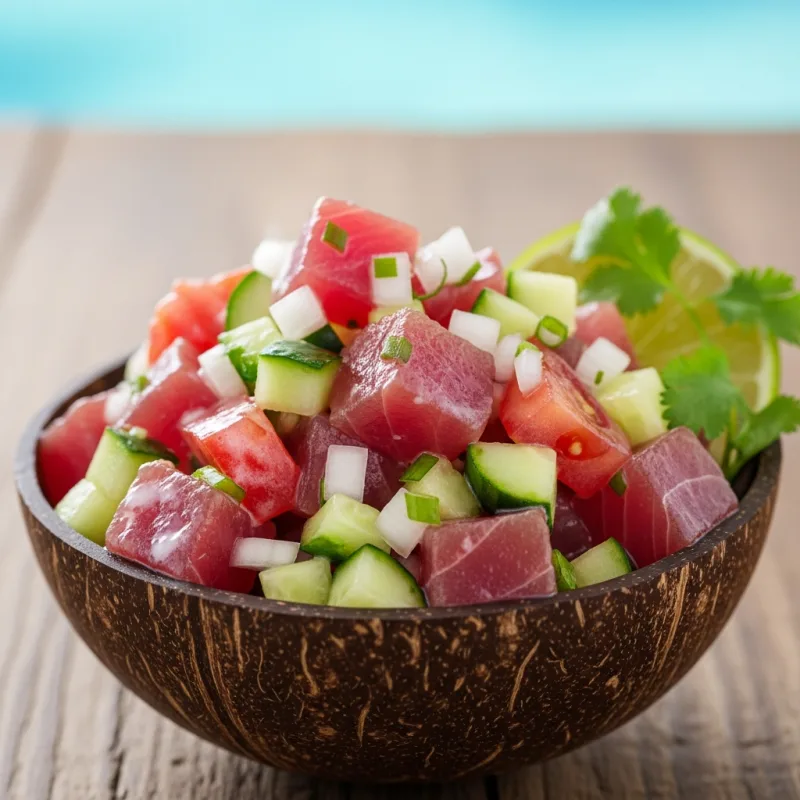
Poisson Cru, a traditional Tahitian raw fish salad with coconut milk and lime

Must Try Dish

Poisson Cru - This iconic Tahitian dish features fresh raw tuna marinated in lime juice and mixed with diced vegetables (cucumber, tomato, onion) and creamy coconut milk. It's a refreshing and flavorful staple, perfectly embodying the fresh, vibrant tastes of the Pacific.
Food Experiences Title Icon

Food
Experiences

Discover cooking classes, tastings and local food tours

No food experience found
Maya, the human travel expert at TravelingWiz, offering curated, non-AI expertise

Maya’s Final Checklist for French Polynesia

Logistics shouldn’t be the focus of your trip—the experience should. I’ve hand-vetted these essential partners to ensure your arrival, stay, and exploration are as smooth as an Athenian breeze.

Where to Stay

From boutique hotels to local apartments—compare thousands of options and find the perfect stay in the best neighborhood.

Air Travel

Getting there should be seamless. Compare the best routes and prices across top airlines to start your journey on the right note.

Local Guides

Connect with experts who know the destination best. Get personalized advice and insider tips to help you plan your perfect trip.

Travel Protection

The “Engineer’s” rule: always have a backup. Secure your trip with a plan that covers every “what if” and unexpected change.

Car Rentals

Explore at your own pace with total freedom. Compare reliable rental options and find the right vehicle for your adventure.

Visa Services

Don’t let paperwork slow you down. Get expert assistance with your application to ensure all your entry documents are in order.

FAQs

Inter-island travel is primarily by domestic flights (Air Tahiti) for longer distances or by ferry for shorter routes between islands like Tahiti and Moorea. Booking in advance is highly recommended.
While known for luxury, budget travel is possible by staying in guesthouses (pensions), eating at local food trucks (roulottes), and choosing less touristy islands. However, it will still be more expensive than many other destinations.
The local currency is the CFP Franc (XPF). Euros are not widely accepted, so it’s best to exchange currency or withdraw XPF from ATMs.
Visa requirements depend on your nationality. As an overseas collectivity of France, French Polynesia generally follows French visa policies, but there can be specific exemptions or requirements. It’s best to check with the French embassy or consulate in your country.
Key activities include snorkeling or diving in the lagoons, visiting a black pearl farm, exploring volcanic landscapes, enjoying a traditional Polynesian dance show, and relaxing on pristine beaches.

Your Insights Matter

TravelingWiz grows through the stories of our community. If you’ve recently explored ,French Polynesia share your tips and stories to help us perfect our guides for the next traveler.

Related Articles

Check out our related articles and blog posts to learn even more about the destination.

No related articles found

Don’t Travel Alone

Share with your friends and family

Where should we send your offline card?

We hate spam just as much as you do

newsletter_consent *