Hauts-de-France, a region of profound historical significance and diverse natural beauty, offers travelers a unique glimpse into northern French culture. Stretching from the poignant battlefields of the Somme to the dramatic cliffs of the Opal Coast, and encompassing bustling cities like Lille, this area is a tapestry of experiences. Its strategic location has shaped its history, evident in the numerous war memorials, medieval towns, and industrial heritage sites that dot the landscape. Beyond its historical depth, the region boasts a vibrant contemporary scene, with thriving art galleries, a robust culinary tradition influenced by its Belgian neighbors, and a welcoming atmosphere that invites deeper exploration.
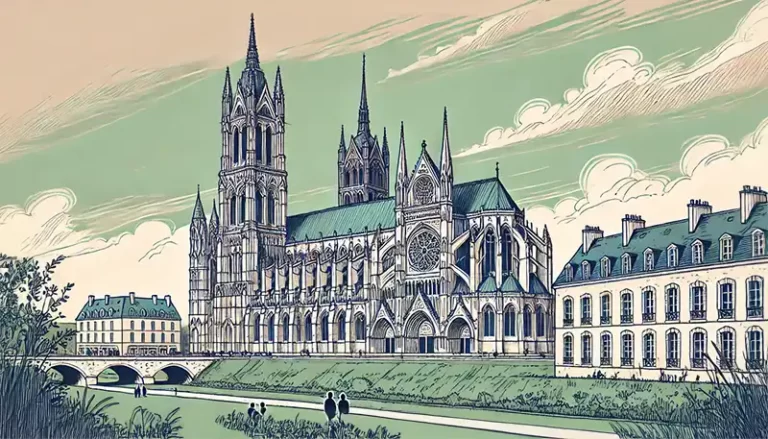
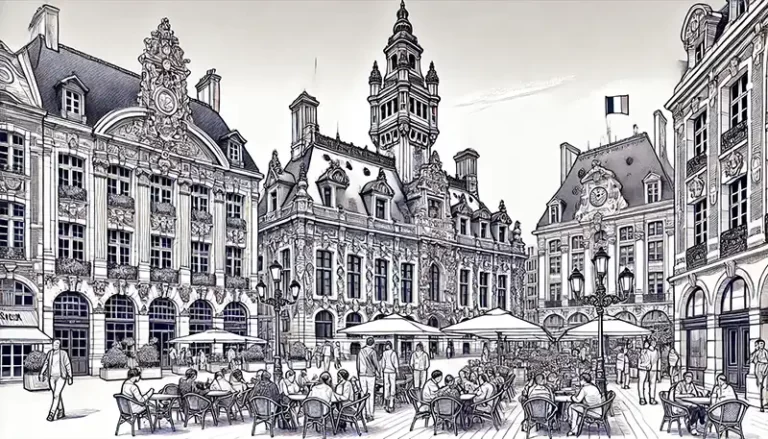
Visitors can immerse themselves in the solemn history of World War I at sites like the Thiepval Memorial, explore the architectural grandeur of Amiens Cathedral, or enjoy the lively atmosphere of Lille's Grand Place. The coastline offers stunning natural vistas and charming seaside resorts, while the interior is dotted with picturesque villages and lush natural parks perfect for outdoor activities. Hauts-de-France is a destination that rewards curiosity, offering a rich blend of cultural immersion, historical reflection, and gastronomic delight, making it an ideal choice for those seeking an authentic and multifaceted French adventure.
Reasons to Visit
- Rich Historical Significance: Explore numerous World War I battlefields, memorials, and museums, offering a profound historical experience.
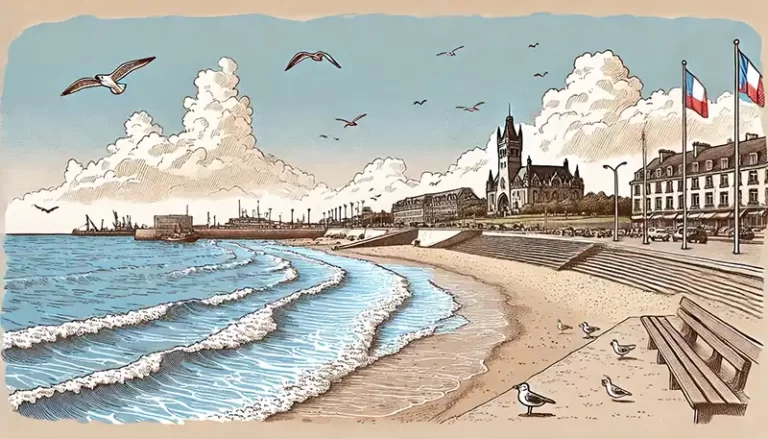
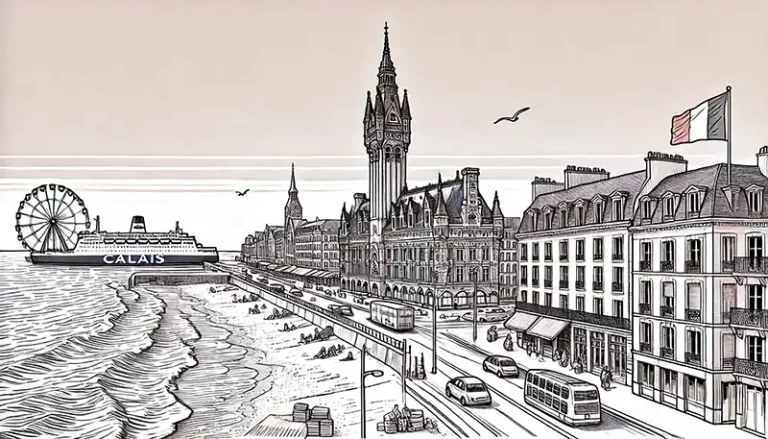
- Stunning Coastal Landscapes: Discover the dramatic cliffs and sandy beaches of the Opal Coast, perfect for scenic walks and seaside relaxation.
- Vibrant Cities: Experience the dynamic cultural scene, impressive architecture, and lively atmosphere of cities like Lille and Amiens.
- Unique Gastronomy: Indulge in hearty regional dishes, local beers, and delicious cheeses, reflecting a blend of French and Belgian culinary traditions.
- UNESCO World Heritage Sites: Visit several recognized sites, including belfries and parts of the Nord-Pas de Calais Mining Basin.
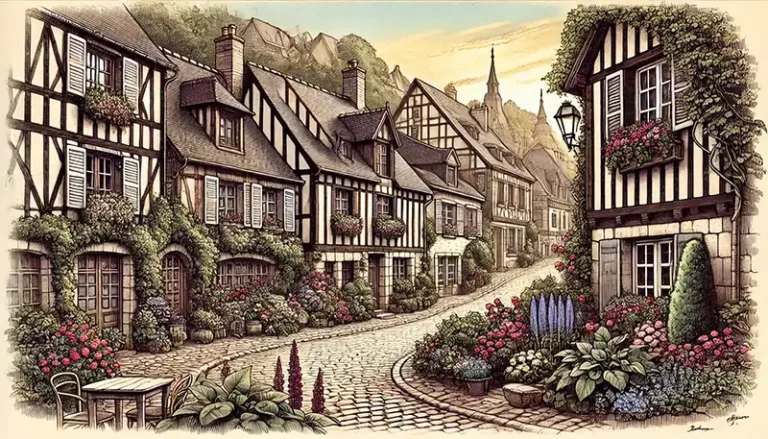
- Charming Villages: Wander through picturesque towns with traditional architecture and a relaxed pace of life.
- Outdoor Activities: Enjoy hiking, cycling, and water sports in diverse natural settings, from forests to coastal dunes.
Things to Avoid
- Ignoring Petty Crime: While generally safe, be vigilant against pickpocketing and bag snatching, especially in crowded tourist areas and on public transport.
- Underestimating Weather Variability: The weather can be unpredictable, even in summer. Always pack layers and waterproof gear.
- Not Booking Accommodation in Advance: Especially during peak season or major events, popular areas can fill up quickly.
- Relying Solely on English: While English is spoken in tourist hubs, learning a few basic French phrases will greatly enhance your experience, especially in rural areas.
- Missing Local Markets: Avoid sticking only to supermarkets; local markets offer fresh produce and a true taste of regional life.
- Disregarding Opening Hours: Many smaller shops and attractions may close for lunch or on certain days, particularly outside major cities.
Local Transportation Tips
Getting around Hauts-de-France is relatively straightforward, offering a variety of options to suit different travel styles. The region is well-connected by an efficient rail network (TER), making it easy to travel between major cities like Lille, Amiens, and Arras. Buses also serve smaller towns and rural areas, complementing the train services. For ultimate flexibility, especially when exploring the countryside, renting a car is highly recommended, allowing you to discover hidden gems at your own pace. Within cities, public transport systems, including trams and buses, are excellent for navigating urban centers.
Travel Etiquette
- Always greet shopkeepers and service staff with a "Bonjour" (or "Bonsoir" in the evening) and a "Merci" when leaving.
- Punctuality is appreciated, especially for dinner reservations or appointments.
- Dress respectfully when visiting religious sites or formal establishments.
- Tipping is customary but not obligatory; a small amount (5-10%) for good service is appreciated, especially in restaurants and cafés.
- Avoid speaking loudly in public spaces, particularly on public transport.
- When dining, keep your hands visible on the table (not in your lap).
- It's polite to ask "Parlez-vous anglais?" before assuming someone speaks English.
Recommended Age Group
Hauts-de-France is a remarkably versatile destination, offering a wide array of activities and attractions that cater to all age groups, making it an excellent choice for diverse travel parties.
- Babies (0-2 years): Recommended. The region offers family-friendly accommodations, parks, and a generally relaxed pace in many areas. Stroller-friendly paths are common in cities and larger parks.
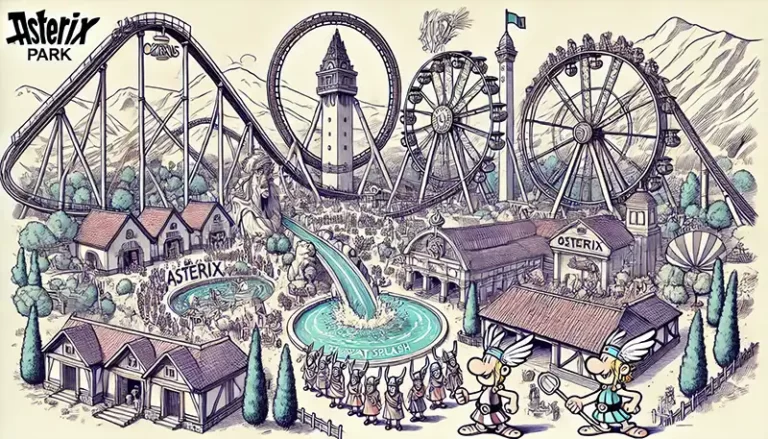
- Kids (3-12 years): Recommended. Children will enjoy exploring castles, visiting zoos and amusement parks (like Parc Astérix nearby), playing on beaches, and engaging with interactive museum exhibits, especially those related to history.
- Teens (13-19 years): Recommended. Teens can delve into the poignant history of WWI battlefields, enjoy water sports on the coast, explore vibrant city centers like Lille, and find plenty of photo opportunities.
- Adults (20-64 years): Recommended. This age group will appreciate the rich cultural heritage, diverse gastronomy, art galleries, historical sites, outdoor activities, and vibrant nightlife in urban centers.
- Seniors (65+ years): Recommended. With its accessible historical sites, charming towns, scenic drives, and excellent public transport in major areas, seniors can comfortably explore the region's many offerings at a leisurely pace.
Accessibility Level: Medium
- Major cities like Lille and Amiens generally offer good accessibility with ramps, elevators, and accessible public transport options.
- Many modern museums and cultural institutions are designed with accessibility in mind, providing wheelchair access and facilities.
- Historical sites, especially older castles and cathedrals, may have limited accessibility due to their ancient architecture (cobblestones, stairs). It's advisable to check specific site information in advance.
- Public transport in rural areas might be less accessible than in urban centers.
- Accessible accommodation options are available, but booking in advance and confirming specific needs is recommended.
Did You Know?
Hauts-de-France is home to several UNESCO World Heritage Sites, including the Belfries of Belgium and France, the Nord-Pas de Calais Mining Basin, and parts of the "Great War" battlefields, highlighting its profound historical and cultural significance.
Cool Statistics
- Hauts-de-France is the third most populous region in France.
- The region boasts over 1,000 km of coastline, including the Opal Coast.
- Lille, the regional capital, was a European Capital of Culture in 2004.
- The region produces a significant portion of France's sugar beet and potatoes.
- Over 100 million visitors come to the region annually, many drawn by its historical sites.







Buy a compatible power adapter for your trip