The Caucasus Mountains form an awe-inspiring natural boundary that stretches across Georgia's northern frontier, separating Europe from Western Asia. Defined by steep glaciated massifs, verdant gorges, and alpine tundra, the range features some of the highest peaks in Europe, including Mount Kazbek (5,054 m) and Mount Shkhara (5,193 m). The landscape is dotted with historical defensive stone watchtowers built during the Middle Ages, demonstrating the region's long history of isolated self-reliance.
Culturally, the Caucasus region is home to distinct ethnic sub-groups including the Svans, Tushetians, and Khevsurs, each possessing unique architecture, animist-Christian syncretic shrines, and ancient polyphonic singing traditions. Whether you are driving the hairpin curves of the Georgian Military Highway, hiking among blooming rhododendrons in Svaneti, or savoring mountain stews in quiet stone hamlets, the Caucasus offers an unmatched combination of rugged wilderness, living folklore, and welcoming hospitality.
Reasons to Visit
- World-class trekking routes through pristine glacial valleys and high alpine passes
- Iconic medieval defensive stone architecture, notably the UNESCO-listed tower houses of Svaneti and Ushguli
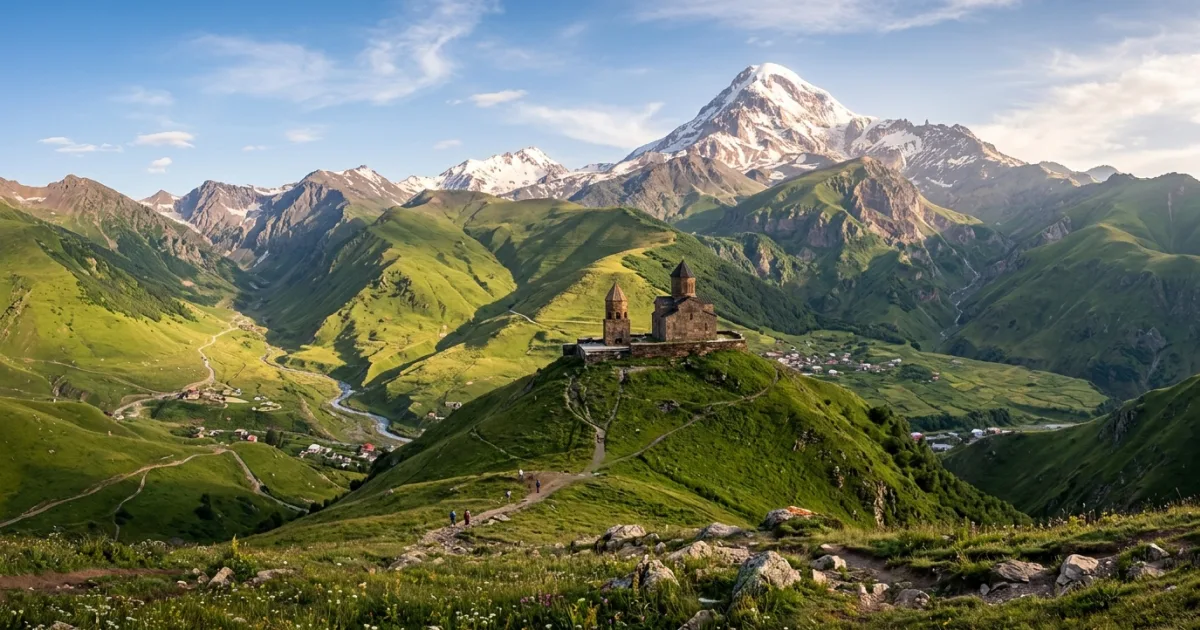
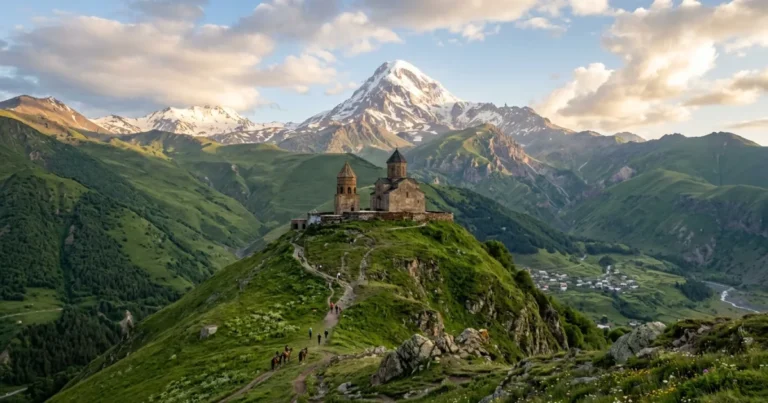
- Breathtaking panoramic viewpoints, including the mountaintop Gergeti Trinity Church silhouetted by Mount Kazbek
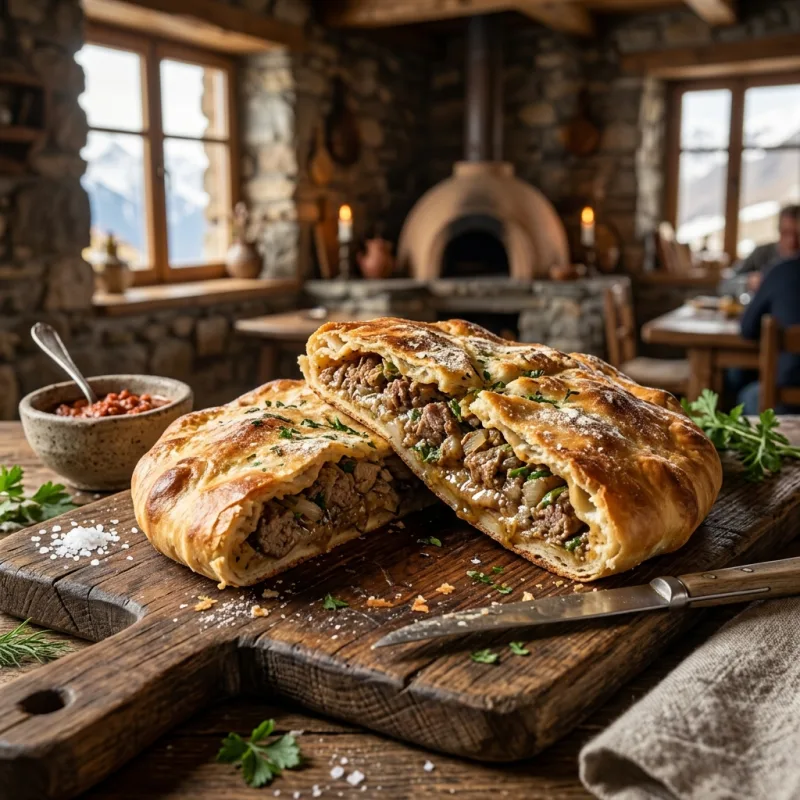
- Rich gastronomic heritage featuring regional delicacies, mountain cheeses, and distinctive herb-infused spices
- Unspoiled stargazing and dark-sky observation due to zero light pollution in remote high valleys
Things to Avoid
- Avoid setting off on high-altitude hikes without offline topographic GPS maps, as trails can be poorly marked in cloud cover
- Do not drive unpaved mountain roads (such as the route to Omalo) in a standard low-clearance sedan
- Avoid ignoring the protective barking of Caucasian shepherd dogs; back away calmly rather than running
- Do not enter sacred animist mountain shrines (khati) in Tusheti and Khevsureti, which are traditionally forbidden to outsiders or women according to ancient local customs
Local Transportation Tips
Transit through the Caucasus Mountains depends heavily on elevation and terrain. Paved arteries like the Georgian Military Highway to Kazbegi are serviced by daily shared marshrutkas departing from Tbilisi's Didube Station. Remote alpine pockets like Tusheti and Upper Svaneti require sturdy 4WD vehicles (such as Mitsubishi Delicas or Toyota Land Cruisers). Domestic flights operated by Vanilla Sky link Natakhtari Airfield near Tbilisi with Mestia and Ambrolauri, providing quick access when weather conditions permit.
Travel Etiquette
- Dress conservatively when entering active churches and monasteries; women should cover their heads and wear long skirts (wrap-around skirts and scarves are usually provided at chapel entrances), while men should wear long trousers.
- Respect local toast traditions (supra) when invited into a mountain home; the tamada (toastmaster) leads the table, and toasting with beer is historically reserved for enemies or light curses.
- Always greet locals when entering remote hamlets with a respectful 'Gamarjoba' before asking for directions.
Recommended Age Group
The Caucasus Mountains feature steep, rugged terrain, making them best suited for mobile travelers who can handle uneven ground and high altitudes.
- Babies (0-2 years): Not Recommended. Rugged unpaved roads, high elevations, and remote medical services present logistical challenges for infants.
- Kids (3-12 years): Neutral. Enjoyable for outdoor-oriented families sticking to base towns like Stepantsminda or Gudauri, though multi-day hikes can prove exhausting for younger children.
- Teens (13-19 years): Recommended. Thrilling active adventures such as trekking, horseback riding, rafting, and skiing make the region captivating for teenagers.
- Adults (20-64 years): Recommended. Perfect terrain for trekking, alpine photography, road trips, cultural exploration, and wilderness camping.
- Seniors (65+ years): Neutral. Enjoyable for active seniors interested in scenic driving tours and comfortable guesthouses, but challenging for those with mobility issues or breathing difficulties at high altitude.
Accessibility Level: Medium
- High mountain trails and historical defensive towers are inherently steep, rocky, and inaccessible to wheelchairs or travelers with limited mobility.
- Certain base viewpoints, including viewing platforms near the Russia-Georgia Friendship Monument and select hotels in Stepantsminda, feature paved parking and step-free terrace access.
- Specialized four-wheel-drive private tours allow travelers with limited walking endurance to experience high mountain panoramas directly from the vehicle.
Did You Know?
The village of Bochorna in Tusheti and the settlement of Ushguli in Svaneti are among the highest continuously inhabited settlements in Europe, situated at elevations between 2,100 and 2,345 meters above sea level.
Cool Statistics
- 5,193 meters: Height of Mount Shkhara, the highest point in Georgia and the Greater Caucasus range
- Over 200: Preserved medieval stone defensive towers standing in the Upper Svaneti region alone
- Over 70%: Portion of Georgia's landmass classified as mountainous or alpine terrain







Buy a compatible power adapter for your trip