Disclosure: This site contains affiliate links. We may earn a commission if you make a purchase, at no extra cost to you.

>
>
>
South Iceland

South Iceland

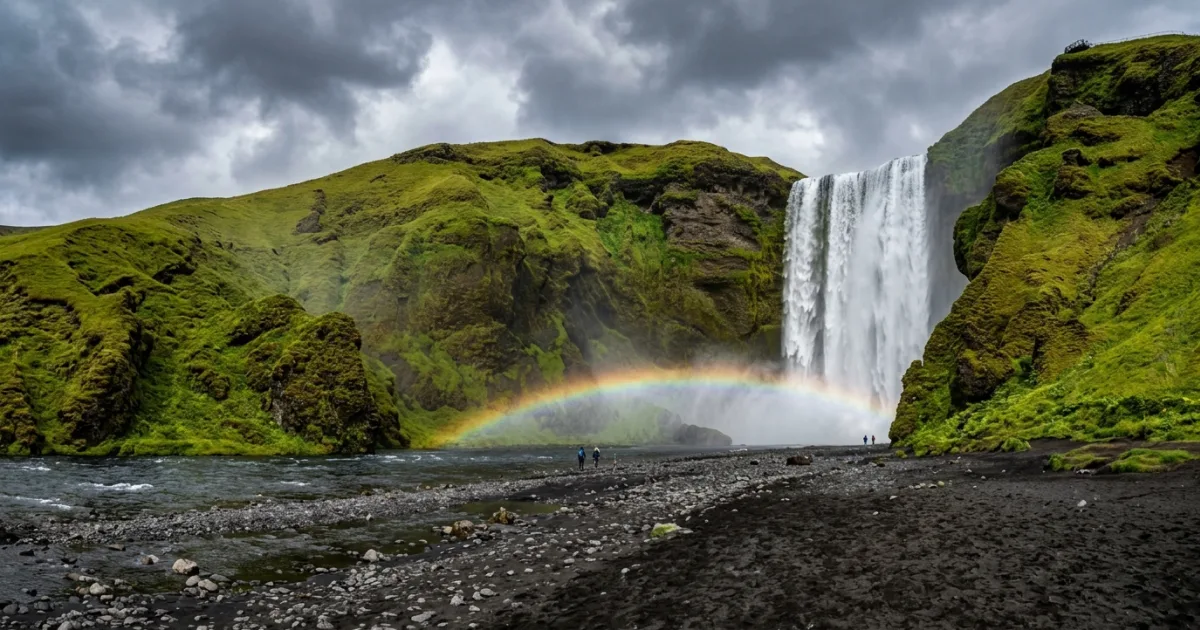
Skógafoss waterfall in South Iceland with a rainbow in the mist

South Iceland Overview & Key Highlights

South Iceland is a geologically active region characterized by massive glaciers, black sand beaches, and powerful waterfalls. The area encompasses famous landmarks such as the Golden Circle, Seljalandsfoss, Skógafoss, and the Jökulsárlón glacier lagoon, drawing visitors seeking dramatic natural landscapes. Travelers can explore ice caves, hike across glaciers, and witness the Northern Lights during the winter months. The region offers a mix of accessible roadside attractions and remote highland trails, making it a premier destination for nature enthusiasts and road trippers. Volcanic activity has shaped the terrain, leaving behind vast lava fields covered in delicate green moss and striking basalt column formations. Whether driving the iconic Ring Road or venturing into the rugged interior, visitors are constantly surrounded by some of the most raw and pristine environments on Earth.

South Iceland Travel Guide: Logistics & In-Depth Tips

South Iceland is a region defined by its raw, untamed natural beauty. Stretching from the geothermal wonders of the Golden Circle to the icy expanse of the Vatnajökull glacier in the southeast, this area encapsulates the 'Land of Fire and Ice' moniker perfectly. Visitors are treated to a constantly changing landscape where lush green valleys abruptly give way to barren black sand deserts and towering ice caps.

The region is highly accessible via the Ring Road (Route 1), making it a favorite for road trippers. Along this route, you can walk behind the cascading waters of Seljalandsfoss, marvel at the basalt columns of Reynisfjara, and watch icebergs drift out to sea at Diamond Beach. Beyond the main highway, the rugged highlands offer off-the-beaten-path adventures for those willing to brave the F-roads, revealing hidden hot springs and colorful rhyolite mountains.

Reasons to Visit

  • Epic Waterfalls: Home to some of the world's most iconic waterfalls, including Skógafoss, Seljalandsfoss, and Gullfoss.
  • Glacial Exploration: Opportunities to hike on massive glaciers, explore crystal blue ice caves, and boat among icebergs.
  • Unique Geology: Witness active geysers, vast lava fields, and striking black sand beaches formed by volcanic activity.
  • Astrotourism: Remote locations with minimal light pollution provide perfect conditions for Northern Lights viewing.

Things to Avoid

  • Ignoring Weather Warnings: Never underestimate Icelandic weather; high winds can blow doors off cars and cause severe sandstorms.
  • Disrespecting Nature: Do not walk on the delicate moss, which takes decades to grow, and never drive off-road.
  • Underestimating the Ocean: Avoid walking too close to the water at Reynisfjara beach; sneaker waves are unpredictable and fatal.
  • Buying Bottled Water: It is an unnecessary expense and environmentally unfriendly when tap water is pristine.

Local Transportation Tips

The most practical way to explore South Iceland is by renting a car, which offers the flexibility to stop at various viewpoints and travel at your own pace. During summer, a standard 2WD vehicle is fine for the Ring Road, but a 4x4 is required for highland F-roads and highly recommended for winter travel. For those who prefer not to drive, numerous tour operators run day trips and multi-day excursions from Reykjavík covering the South Coast. Public buses (Strætó) do operate along the main route, but schedules are infrequent and not ideal for sightseeing.

Travel Etiquette

  • Shower Before Swimming: It is strictly required to shower naked with soap before entering any public geothermal pool or hot spring.
  • Leave No Trace: Pack out all trash, stay on marked trails, and respect the fragile sub-Arctic ecosystem.
  • No Tipping Required: Service and VAT are included in prices in Iceland; tipping is not expected, though appreciated for exceptional service.
  • Respect Private Property: Do not camp on private land without permission, and avoid petting horses over fences without the owner's consent.

Recommended Age Group

South Iceland offers incredible experiences for nature lovers, but the rugged terrain and unpredictable weather require consideration for different age groups.

  • Babies (0-2 years): Neutral. The harsh weather and long driving distances can be challenging, though many main attractions are visible from parking areas.
  • Kids (3-12 years): Recommended. Children will be fascinated by the waterfalls, geysers, and black sand beaches, though strict supervision is required near ocean waves and cliffs.
  • Teens (13-19 years): Recommended. Teenagers can actively participate in thrilling activities like glacier hiking, snowmobiling, and horseback riding.
  • Adults (20-64 years): Recommended. Adults can fully experience the extensive hiking trails, ice cave tours, and long road trips along the Ring Road.
  • Seniors (65+ years): Recommended. Many of the most iconic waterfalls and viewpoints have paved or well-maintained flat paths, making them highly accessible for older travelers.

Accessibility Level: Medium

  • Major Attractions: Popular sites like Gullfoss, Geysir, Skógafoss, and Seljalandsfoss have designated accessible parking and relatively flat, paved, or hard-packed gravel paths to the main viewpoints.
  • Accommodation: Newer hotels and guesthouses along the South Coast generally offer wheelchair-accessible rooms, but it is crucial to verify in advance.
  • Tours: While glacier hikes and ice caves are not accessible, many boat tours at Jökulsárlón glacier lagoon can accommodate guests with limited mobility.
  • Terrain Challenges: Natural terrain off the main paths is often rocky, uneven, and muddy, which can pose significant challenges for wheelchair users.

Did You Know?

Did you know that the Vatnajökull glacier in South Iceland is the largest ice cap in Europe by volume? It covers roughly 8% of the country's landmass and hides several active volcanoes beneath its thick ice, including Grímsvötn, which is Iceland's most frequently erupting volcano.

Cool Statistics

  • Glacier Size: Vatnajökull covers an area of approximately 7,900 square kilometers.
  • Waterfall Drop: Skógafoss has a dramatic drop of 60 meters (197 feet) and a width of 25 meters.
  • Geyser Eruptions: Strokkur geyser erupts every 5 to 10 minutes, shooting water up to 30 meters in the air.
  • Volcanic Eruptions: Iceland experiences a volcanic eruption roughly every 4 to 5 years on average.


Address:

South Iceland, Iceland

Find Nearby Accommodations

Basic Info

address icon

COUNTRY & Region

Iceland,
Europe

ACCESSIBILITY LEVEL​

Medium
Currency icon

LOCAL CURRENCY​

Icelandic Króna (ISK)
Price level icon
High
Safety Level icon

SAFETY LEVEL

Duration icon

Recommended Duration

• 1-7 days
• More than a week

Electricity

electricity icon

Electricity

220-240V, 
50Hz
Plug Socket icon

Plug Type

• Type C (Round pin)
• Type F (Two round pins with earth clips)
Plug types
Click To View Plug Types
South Iceland is part of our
Off-Grid Glamping collection

Activities To Do In South Iceland

Best Time To Visit South Iceland

The best time to visit South Iceland depends entirely on what you want to experience. Summer offers the Midnight Sun and accessible highland roads, while winter provides the chance to see the Northern Lights and explore ice caves.

  • Summer (June - August): Peak season with long daylight hours, milder weather, and lush green landscapes. Ideal for hiking and road trips.
  • Shoulder Season (May & September): Fewer crowds and beautiful transitional colors, though weather can be highly unpredictable.
  • Winter (October - March): Best for Astrotourism, Northern Lights viewing, and glacier ice cave tours, though daylight is limited and driving conditions can be treacherous.

Average Temperatures Per Month

Remember to check the weather forecast a few days before the trip and before heading to the airport.

Safety Level icon

Safety Level

South Iceland is exceptionally safe regarding crime, but natural hazards pose significant risks. Never turn your back on the ocean at Reynisfjara black sand beach due to deadly, unpredictable sneaker waves. Always check weather and road conditions at safetravel.is before driving, as sudden storms and high winds can occur year-round. Stay on marked trails to protect the fragile moss and avoid hidden geothermal vents.

The rating is based on multi-year peace, crime, and security indices. Before you go, always verify current conditions through official government travel advisories.

Emergency Numbers

Police: 112
Ambulance: 112

No internet needed • Includes local translations • Free for TravelingWiz readers

Spoken Languages

Icelandic is the official language, but English is spoken fluently by almost everyone in the tourism industry and the general population.

Learn The Language

  • Halló (Hello)
  • Takk (Thank you)
  • Já (Yes)
  • Nei (No)
  • Hvar er klósettið? (Where is the bathroom?)
  • Hvað kostar þetta? (How much does this cost?)
  • Einn bjór, takk (One beer, please)
  • Ég tala ekki íslensku (I don’t speak Icelandic)
Travel Booking Partner - TravelingWiz

Trip Cost & Budgeting for South Iceland, 2026

Everything you need to know about money while traveling
Is South Iceland expensive for tourists in 2026? Yes, South Iceland remains a high-cost destination. Expect to pay around 830 ISK for a coffee, 1,700 ISK for a domestic beer, and 4,000 ISK for a main meal at a mid-range restaurant. These Human Verified prices reflect high import costs and isolated rural infrastructure across the region. Use the data table below to calculate your specific daily budget based on your travel style.
Currency icon

LOCAL CURRENCY​:

Icelandic Króna (ISK)
Price level icon
High
South Iceland is essentially cashless; contactless cards and mobile payments are accepted everywhere from restaurants to remote parking meters.

Per person, per day – pocket cash for small purchases.

Local: 3850
Icelandic Króna (ISK)
≈ 32 USD

Full daily spend estimation (accommodation, food, transportation, attractions).

Travel Style
Icelandic Króna (ISK)
≈ USD ($)
Budget
21200
176
Mid-range
38500
320
Comfort
84700
704

The Prices, Daily costs, and calculator results are estimates for planning purposes only. Actual costs may vary based on season, booking timing, personal spending habits, and currency fluctuations. TravelingWiz cannot be held responsible for discrepancies between these estimates and your final trip expenses.

  • • Buy groceries at Bónus or Krónan supermarkets along the Ring Road rather than eating every meal at restaurants.
  • • Bring a reusable water bottle to fill up with clean, high-quality Icelandic tap water instead of buying bottled water.
  • • Rent a vehicle early to secure lower rates and share fuel expenses with travel companions.
  • • Take advantage of free natural attractions like waterfalls, black sand beaches, and scenic viewpoints along the South Coast.

Pre-Order Tickets

Avoid disappointment when tickets sell out — and skip the long lines by booking online in advance. You’ll often save up to 20% too.
Save up to 20%

Travel Discounts & Coupons

Save on hotels, attractions, transport, and gear — find verified discounts for smarter travel spending.
Verified Coupons

What To Pack

  • Waterproof Outerwear: A high-quality rain jacket and waterproof pants are essential for waterfall spray and unpredictable rain.
  • Sturdy Hiking Boots: Waterproof, ankle-supporting boots are necessary for navigating rocky trails and glacier walks.
  • Thermal Layers: Pack merino wool base layers and fleece mid-layers to adapt to rapidly changing temperatures.
  • Swimwear: Required for enjoying the region's many geothermal pools and hot springs.
  • Windproof Gloves and Beanie: Crucial for staying warm in the biting winds, even during the summer months.
We couldn't find tips for South Iceland.
If you got any, please share

Recommended Itineraries for Traveling to South Iceland

We couldn't find itineraries for South Iceland.
you can contact us for custom trip plan

Food & Drink Highlights

Local Food Overview

Icelandic cuisine is deeply rooted in its agricultural and maritime history, focusing heavily on lamb, dairy, and fresh seafood. In South Iceland, you will find hearty, warming dishes designed to sustain locals through harsh winters, alongside modern Nordic gastronomy that utilizes fresh, locally sourced ingredients from geothermal greenhouses.
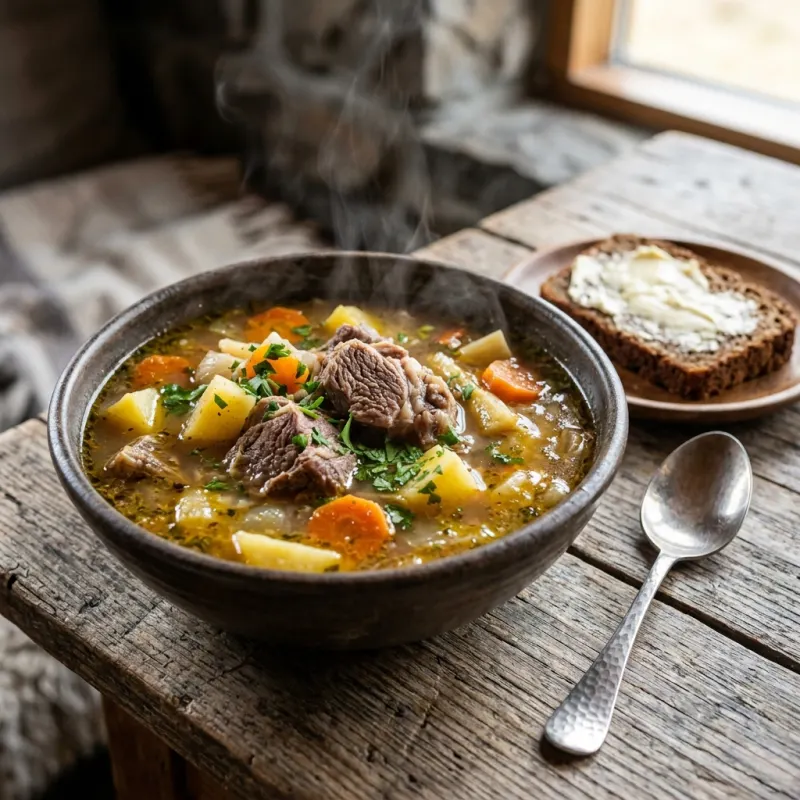
A bowl of traditional Icelandic Kjötsúpa meat soup

Must Try Dish

Kjötsúpa (Icelandic Meat Soup)
Food Experiences Title Icon

Food
Experiences

Discover cooking classes, tastings and local food tours

No food experience found
Maya, the human travel expert at TravelingWiz, offering curated, non-AI expertise

Maya’s Final Checklist for South Iceland

Logistics shouldn’t be the focus of your trip—the experience should. I’ve hand-vetted these essential partners to ensure your arrival, stay, and exploration are as smooth as an Athenian breeze.

Where to Stay

From boutique hotels to local apartments—compare thousands of options and find the perfect stay in the best neighborhood.

Air Travel

Getting there should be seamless. Compare the best routes and prices across top airlines to start your journey on the right note.

Local Guides

Connect with experts who know the destination best. Get personalized advice and insider tips to help you plan your perfect trip.

Travel Protection

The “Engineer’s” rule: always have a backup. Secure your trip with a plan that covers every “what if” and unexpected change.

Car Rentals

Explore at your own pace with total freedom. Compare reliable rental options and find the right vehicle for your adventure.

Visa Services

Don’t let paperwork slow you down. Get expert assistance with your application to ensure all your entry documents are in order.

FAQs

If you are sticking to the main Ring Road (Route 1) during the summer, a standard 2WD car is sufficient. However, if you plan to visit during winter or drive on F-roads into the highlands, a 4×4 is absolutely mandatory.
Yes, South Iceland is an excellent location for viewing the Northern Lights due to low light pollution. The best time to see them is from late September to March on clear, dark nights.
Yes, but you must stay on marked paths. The ground near waterfalls like Skógafoss and Seljalandsfoss is often wet, muddy, and extremely slippery. In winter, these paths can be covered in sheer ice, making crampons necessary.

Your Insights Matter

TravelingWiz grows through the stories of our community. If you’ve recently explored ,South Iceland share your tips and stories to help us perfect our guides for the next traveler.

Related Articles

Check out our related articles and blog posts to learn even more about the destination.

No related articles found

Don’t Travel Alone

Share with your friends and family

Where should we send your offline card?

We hate spam just as much as you do

newsletter_consent *