County Cork, affectionately known by locals as the 'Rebel County', is a destination of striking contrasts. In the east, the historic harbor town of Cobh tells the poignant stories of Irish emigration and the ill-fated Titanic. Inland, the lush valleys and rolling hills are dotted with ancient ruins, including the world-famous Blarney Castle. Cork City itself is a vibrant, youthful hub built on a series of islands in the River Lee, offering a mix of traditional pubs, contemporary art galleries, and the historic English Market.
Heading west, the landscape transforms into the dramatic, jagged peninsulas of West Cork. This area is a haven for slow travel, where visitors can drive the winding coastal roads of the Wild Atlantic Way, take a ferry to remote islands like Cape Clear, or indulge in the region's famous artisanal food culture. From the colorful streets of Kinsale to the rugged beauty of Mizen Head, County Cork provides a deeply authentic and unforgettable Irish experience.
Reasons to Visit
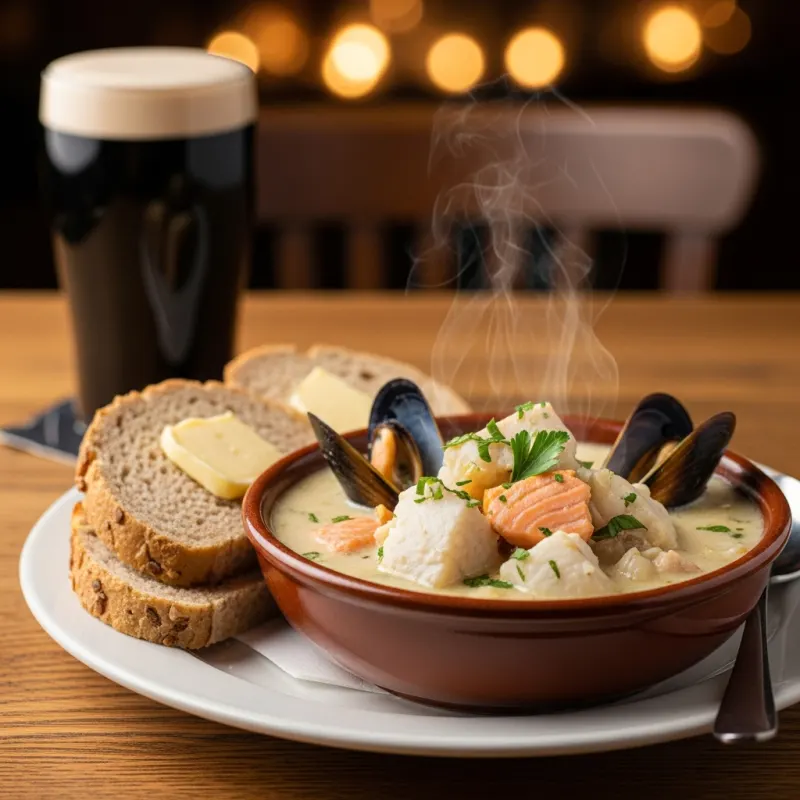
- Culinary Excellence: Experience Ireland's food capital, featuring the English Market, Kinsale's gourmet restaurants, and local artisanal producers.
- Historic Landmarks: Visit iconic sites like Blarney Castle, Charles Fort, and the Titanic Experience in Cobh.
- Spectacular Scenery: Drive the southern stretches of the Wild Atlantic Way, exploring the Beara, Sheep's Head, and Mizen peninsulas.
- Vibrant Culture: Enjoy traditional Irish music sessions in cozy, centuries-old pubs across the county.
Things to Avoid
- Rushing the West Cork Coast: The roads are narrow and winding; allow plenty of time to drive safely and enjoy the views.
- Only Staying in Cork City: While the city is great, the true magic of the county lies in its coastal villages and rural landscapes.
- Underestimating the Weather: Never assume it won't rain. Always carry a waterproof layer, even on sunny days.
Local Transportation Tips
Cork City has a reliable public bus network operated by Bus Éireann, and a commuter train connects the city to Cobh and Midleton. Regional buses link major towns, but services to remote areas in West Cork can be infrequent. Renting a car is the most practical way to explore the county's scenic routes and hidden gems at your own pace. Taxis are readily available in urban areas, and cycling is popular on designated greenways.
Travel Etiquette
- Pub Culture: When drinking in a group, it is customary to buy in 'rounds'. Wait your turn to buy a drink for everyone in your party.
- Tipping: A tip of 10-15% is standard in restaurants if a service charge isn't already included. Tipping in pubs for drinks ordered at the bar is not expected.
- Greeting: Irish people are generally friendly and polite; a simple 'hello' or a nod when passing someone on a rural walking trail is appreciated.
- Driving: Drive on the left side of the road. On narrow country lanes, be prepared to pull over to let oncoming traffic pass, and always acknowledge the other driver with a small wave or raised finger from the steering wheel.
Recommended Age Group
County Cork offers a wide variety of attractions suitable for different age groups, from interactive wildlife parks to historic tours and scenic drives.
- Babies (0-2 years): Neutral. While the fresh air and scenery are lovely, navigating strollers through ancient castles, cobblestone streets, and rugged coastal paths can be challenging.
- Kids (3-12 years): Recommended. Children will love exploring the ruins of Blarney Castle, visiting Fota Wildlife Park, and playing on the numerous sandy beaches along the coast.
- Teens (13-19 years): Recommended. Teens can enjoy outdoor adventures like sea kayaking, surfing, and engaging historical experiences like the Titanic Experience or Spike Island ghost tours.
- Adults (20-64 years): Recommended. The region is perfect for adults seeking culinary tours, whiskey tasting at the Midleton Distillery, scenic road trips, and vibrant pub culture.
- Seniors (65+ years): Recommended. Seniors can enjoy the relaxed pace of slow travel, accessible scenic drives, beautiful gardens, and rich historical sites, though care should be taken on steep castle stairs.
Accessibility Level: Medium
- Attractions: Many major attractions like the Titanic Experience in Cobh and the English Market in Cork City are wheelchair accessible, but historic sites like Blarney Castle have limited access due to stairs and uneven terrain.
- Transport: Irish Rail trains and most Bus Éireann city buses are equipped with ramps and designated wheelchair spaces.
- Accommodation: Modern hotels generally offer accessible rooms, but older B&Bs and guesthouses may lack elevators or ground-floor facilities. Always confirm accessibility features prior to booking.
Did You Know?
County Cork is home to the town of Cobh, which was the final port of call for the RMS Titanic in 1912 before it set sail across the Atlantic. Additionally, Cork Harbour is one of the largest natural harbors in the world by navigational area.
Cool Statistics
- Size: County Cork is the largest county in Ireland, covering an area of 7,500 square kilometers.
- Coastline: It boasts over 1,000 kilometers of coastline, featuring numerous bays, inlets, and peninsulas.
- Blarney Stone: Over 400,000 people visit Blarney Castle each year to kiss the famous stone.
- Islands: The county has several inhabited islands, including Bere Island, Sherkin Island, and Cape Clear.






Buy a compatible power adapter for your trip