Nestled in the extreme northwest of Italy, the Aosta Valley is a spectacular alpine corridor bordered by France and Switzerland. It is home to the highest peaks in the Alps, including Mont Blanc, the Matterhorn, Monte Rosa, and Gran Paradiso. This dramatic geography has shaped not only the breathtaking landscapes but also the unique cultural identity of the region, which seamlessly blends Italian and French influences. Historically, it served as a crucial crossroads for trade and military movement, evidenced by the impressive Roman ruins in the city of Aosta and the dozens of medieval castles that dot the valley floor.
Today, the Aosta Valley is a paradise for outdoor enthusiasts and nature lovers. In the winter, it transforms into a premier destination for winter sports, boasting internationally renowned resorts like Courmayeur and Cervinia. During the summer months, the snow melts to reveal a vast network of hiking and mountain biking trails, particularly within the pristine Gran Paradiso National Park. Beyond the physical activities, the region offers deep relaxation through its historic thermal baths and a rich culinary tradition that highlights local ingredients like Fontina cheese, Lard d'Arnad, and robust mountain wines.
Reasons to Visit
- Majestic Peaks: Access to Europe's highest mountains, including Mont Blanc and the Matterhorn.
- Historical Sites: Explore well-preserved Roman ruins in Aosta and numerous medieval castles like Fénis Castle.
- World-Class Skiing: Enjoy extensive slopes at resorts like Cervinia, Courmayeur, and Monterosa Ski.
- Gran Paradiso National Park: Italy's oldest national park, offering incredible wildlife viewing and hiking.
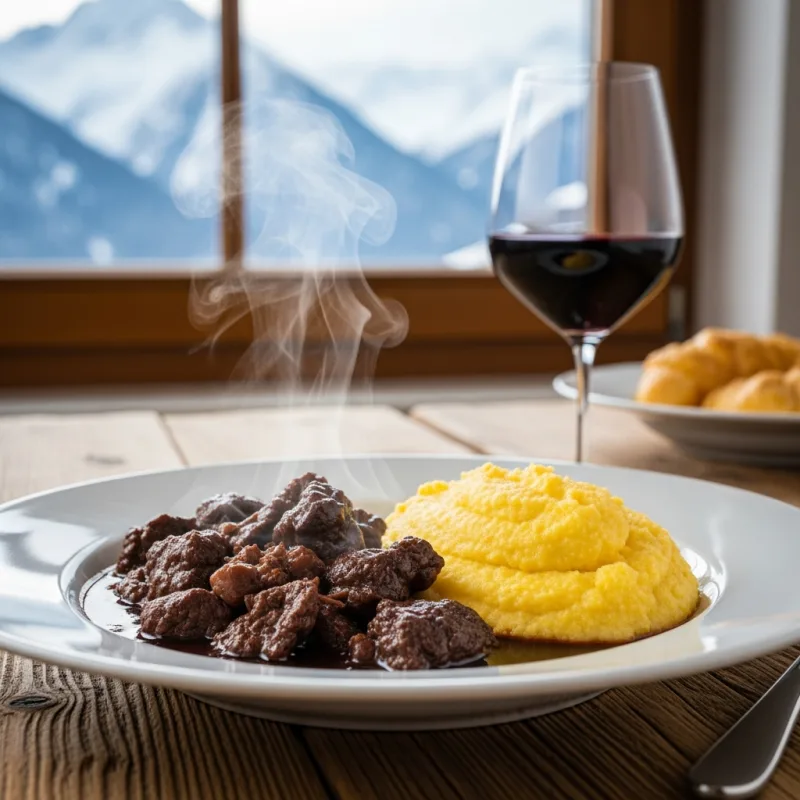
- Alpine Gastronomy: Savor unique regional specialties like Fontina cheese, hearty stews, and local wines.
Things to Avoid
- Underestimating the Weather: Alpine weather can change rapidly; always carry extra layers and check forecasts.
- Skipping the Small Villages: While Courmayeur is famous, smaller towns offer more authentic and affordable experiences.
- Relying Solely on Public Transport: While buses exist, renting a car is highly recommended for exploring remote valleys and castles.
- Ignoring Altitude: Take time to acclimatize if you plan on taking high-altitude cable cars like the Skyway Monte Bianco.
Local Transportation Tips
The most convenient way to explore the Aosta Valley in depth is by renting a car, which provides the flexibility to visit remote castles, trailheads, and smaller alpine villages. The main highway (A5) runs straight through the center of the valley, making navigation straightforward. For those relying on public transportation, the SAVDA bus network connects the main town of Aosta with major ski resorts and side valleys, though services can be infrequent on weekends or in rural areas. A regional train line connects Aosta to Turin, but train service within the valley itself is limited.
Travel Etiquette
- Greeting: A polite 'Buongiorno' (Good morning) or 'Buonasera' (Good evening) is expected when entering shops or restaurants.
- Dress Code: Mountain casual is the norm, but Italians still appreciate neat attire, especially when dining out in the evening.
- Tipping: Service is usually included (coperto), but leaving a small tip (rounding up or 5-10%) for exceptional service is appreciated.
- Trail Etiquette: Always yield to uphill hikers on narrow trails and take all your trash with you.
Recommended Age Group
Aosta Valley offers diverse attractions suitable for various age groups, though its mountainous terrain requires some consideration.
- Babies (0-2 years): Neutral. While fresh mountain air is great, navigating steep village streets with a stroller can be challenging, and high altitudes may not be suitable for infants.
- Kids (3-12 years): Recommended. Excellent for family hikes, visiting fairy-tale castles, and beginner ski schools in the winter.
- Teens (13-19 years): Recommended. Thrilling outdoor activities like snowboarding, mountain biking, and rafting will keep teenagers highly engaged.
- Adults (20-64 years): Recommended. Perfect for challenging hikes, advanced skiing, wine tasting, and exploring historical sites.
- Seniors (65+ years): Recommended. Accessible cable cars (like Skyway Monte Bianco), thermal baths, and scenic drives make it highly enjoyable, provided mobility issues are accommodated.
Accessibility Level: Medium
- Major attractions like the Skyway Monte Bianco are fully wheelchair accessible, offering barrier-free access to high-altitude views.
- The historic center of Aosta is relatively flat and paved, making it easier to navigate for those with mobility aids.
- Many medieval castles have steep, uneven steps and lack elevators, making them difficult or impossible to access for wheelchair users.
- Accessible accommodations are available in larger towns and modern resorts, but it is crucial to verify specific facilities before booking.
Did You Know?
The Aosta Valley is the only Italian region that does not have any provinces; the regional government handles all provincial administrative functions directly. Additionally, it is officially bilingual, with both Italian and French holding equal legal status.
Cool Statistics
- Highest Peak: Mont Blanc at 4,807 meters (15,771 feet), shared with France.
- Castles: The region is home to over 100 medieval castles, fortresses, and towers.
- National Park: Gran Paradiso, established in 1922, was Italy's first national park.
- Population: It is the least populous region in Italy, with around 125,000 residents.






Buy a compatible power adapter for your trip