Bologna is a city of three nicknames: La Dotta (The Learned), referencing its university founded in 1088; La Grassa (The Fat), a nod to its rich and unparalleled culinary heritage; and La Rossa (The Red), reflecting both its terracotta rooftops and its historically left-leaning politics. Walking through Bologna feels like stepping back in time, yet the city pulses with the youthful energy of its massive student population.
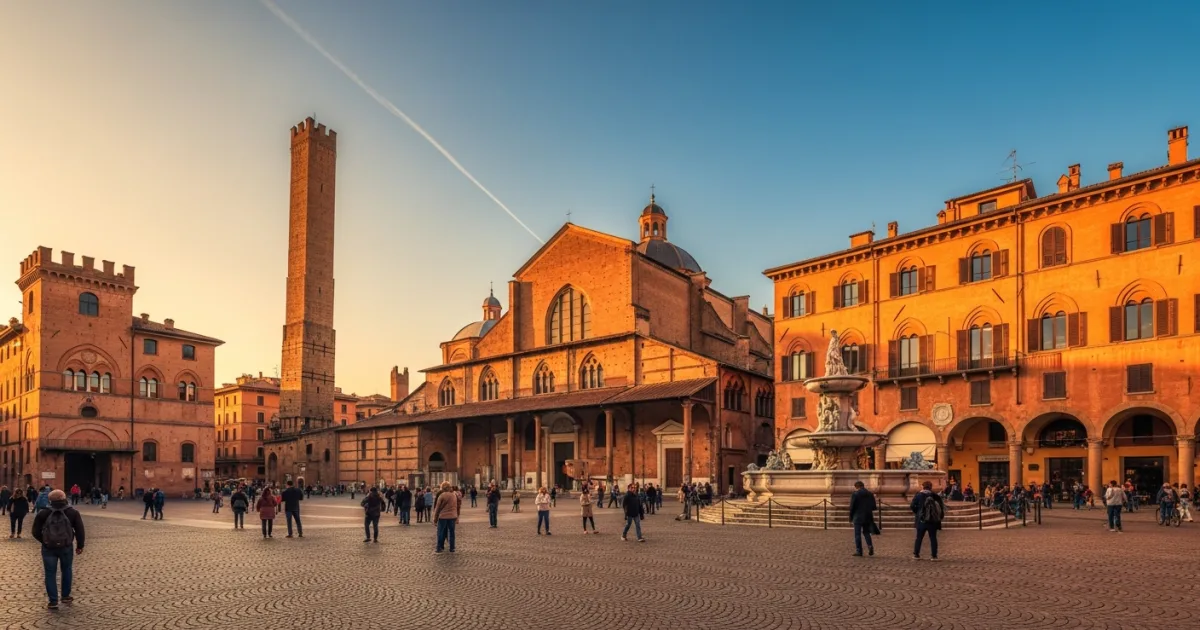
The city's defining architectural feature is its porticoes—nearly 40 kilometers of covered walkways that line the streets of the historic center. Recently designated as a UNESCO World Heritage site, these porticoes provide shelter from the elements and house countless cafes, boutiques, and artisan workshops. At the heart of the city lies Piazza Maggiore, flanked by the unfinished but imposing Basilica of San Petronio and the bustling Quadrilatero district, where the scent of aged cheese and cured meats fills the air.
Reasons to Visit
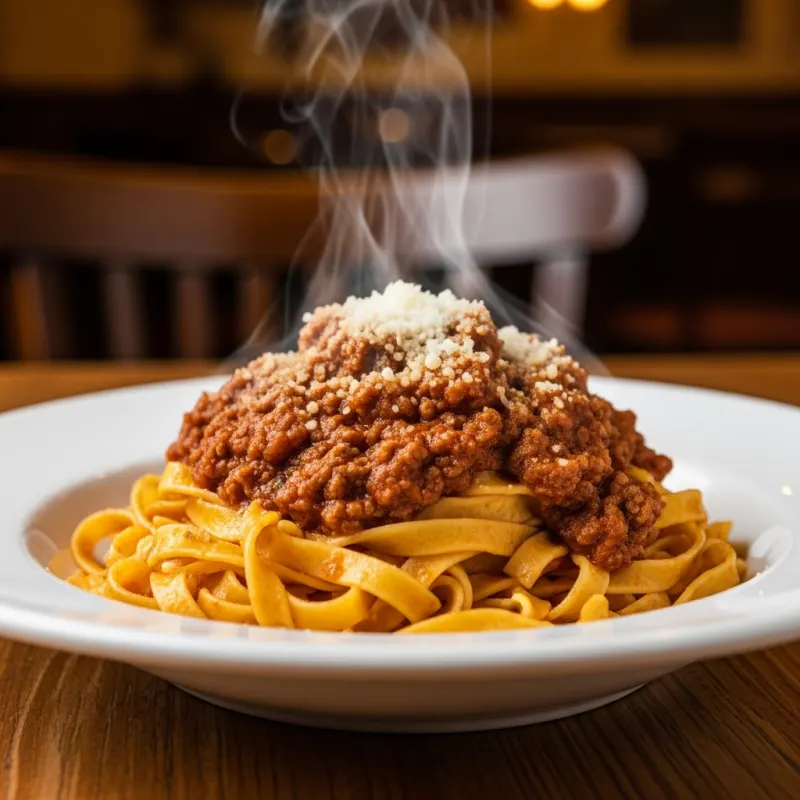
- Unrivaled Gastronomy: Taste authentic tortellini, mortadella, and ragù in the city that invented them.
- UNESCO Porticoes: Walk through 40km of beautiful, historic covered arcades.
- Authentic Atmosphere: Experience a major Italian city that feels lived-in and less tailored to mass tourism than Venice or Florence.
- Strategic Location: An ideal hub for exploring the wider Emilia-Romagna region via high-speed train.
- Rich History: Visit the oldest university in the Western world and climb medieval leaning towers.
Things to Avoid
- Ordering 'Spaghetti Bolognese': Ask for Tagliatelle al Ragù instead to avoid tourist traps and confused waiters.
- Driving in the ZTL: The historic center is a Limited Traffic Zone; driving here without a permit will result in hefty fines.
- Eating right on Piazza Maggiore: While beautiful for a drink, the restaurants directly on the main square are often overpriced compared to those a few streets away.
- Ignoring the aperitivo culture: Don't miss out on the early evening tradition of drinks and free snacks.
Local Transportation Tips
Bologna's historic center is compact and best explored on foot. The city's extensive porticoes make walking comfortable in any weather. For longer distances, the local bus network operated by TPER is efficient and affordable; tickets can be purchased at tobacconists (tabaccherie) or via the 'Muver' app. Bologna is also very bike-friendly, with numerous rental options available. If you are traveling outside the city, Bologna Centrale is one of Italy's major railway hubs, offering high-speed connections to Florence, Milan, Venice, and Rome.
Travel Etiquette
- Dress Code: When visiting churches like the Basilica of San Petronio, ensure your shoulders and knees are covered.
- Tipping: Tipping is not mandatory in Italy as a service charge (coperto) is usually included, but leaving a few extra euros for exceptional service is appreciated.
- Greetings: Greet shopkeepers and restaurant staff with a friendly 'Buongiorno' (Good morning) or 'Buonasera' (Good evening) upon entering.
- Coffee Culture: Cappuccino is strictly a morning drink. After 11 AM, opt for an espresso or macchiato.
Recommended Age Group
Bologna offers a rich cultural and culinary experience that appeals to a wide range of travelers, though its historic infrastructure presents unique considerations.
- Babies (0-2 years): Neutral. While the porticoes provide excellent shade and rain cover, the uneven cobblestone streets can make navigating with a stroller challenging.
- Kids (3-12 years): Recommended. Children will love the open piazzas, the endless supply of world-class gelato, and the interactive history, though there are fewer dedicated children's attractions compared to larger capitals.
- Teens (13-19 years): Recommended. The vibrant university atmosphere, vintage shopping scenes, and the physical challenge of climbing the Asinelli Tower make it highly engaging for teens.
- Adults (20-64 years): Recommended. Adults will fully appreciate the deep culinary heritage, wine tasting, historic architecture, and lively evening aperitivo culture.
- Seniors (65+ years): Recommended. The city center is mostly flat, and the porticoes offer frequent places to rest in the shade. However, some medieval buildings and smaller hotels may lack elevators.
Accessibility Level: Medium
- The flat terrain of the historic center is generally favorable for wheelchair users, but the prevalence of cobblestones can cause a bumpy ride.
- The porticoes are a mixed blessing; while they offer smooth, covered pathways, some older sections have unexpected steps or uneven paving.
- Major museums, such as the MAMbo (Museum of Modern Art) and the Archiginnasio, are equipped with ramps and elevators.
- Public buses (TPER) are mostly equipped with ramps and designated spaces for wheelchair users.
- Accessible restrooms can be found in major museums, large restaurants, and the central train station.
Did You Know?
Did you know that Bologna is home to the oldest continuously operating university in the Western world? The University of Bologna was founded in 1088. The city also boasts the longest portico in the world, the Portico di San Luca, which stretches for 3.8 kilometers and consists of 666 arches leading up to the Sanctuary of the Madonna di San Luca.
Cool Statistics
- 1088: The year the University of Bologna was founded.
- 40 km: The total length of the porticoes within the city center.
- 97.2 meters: The height of the Asinelli Tower, the tallest leaning medieval tower in Italy.
- 666: The number of arches in the Portico di San Luca.






Buy a compatible power adapter for your trip