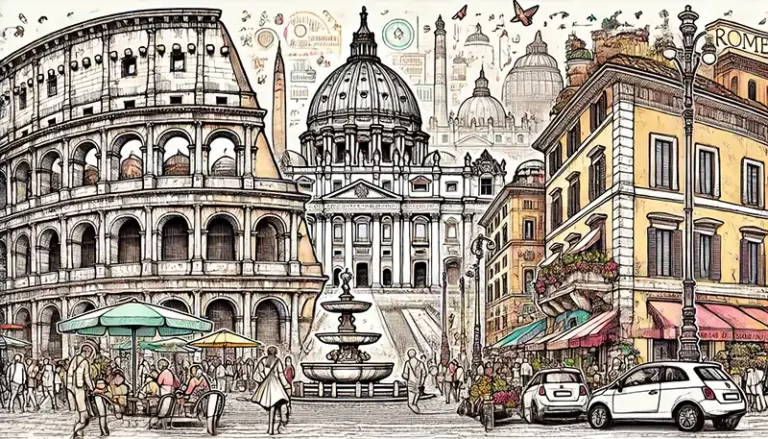
Lazio is a region of incredible contrasts, serving as the geographical and historical heart of Italy. While it is globally recognized as the home of Rome, the region's borders encompass a vast array of landscapes, from the sandy beaches of the Tyrrhenian coast to the snow-capped peaks of the Apennines. The area is steeped in history that predates the Roman Empire, with the mysterious Etruscans leaving behind fascinating necropolises in towns like Tarquinia and Cerveteri.
Moving inland, the landscape is dotted with volcanic lakes such as Bolsena, Vico, and Bracciano, offering pristine waters ideal for swimming and sailing. The region is also famous for its thermal springs, particularly around Viterbo, where popes once bathed. Lazio's medieval hilltop towns, perched dramatically on tufa rock formations, provide a glimpse into a slower, more traditional Italian way of life, far removed from the frenetic energy of the capital.
Reasons to Visit
- Unmatched History: Home to Rome, the Vatican, and countless ancient Roman and Etruscan archaeological sites.
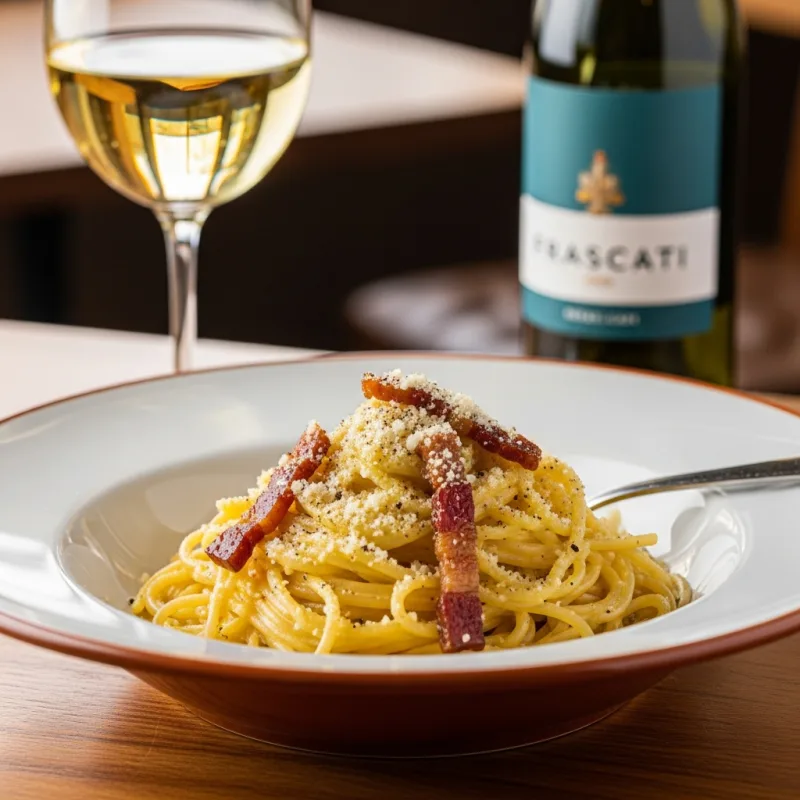
- Culinary Excellence: The birthplace of iconic pasta dishes like Carbonara and Amatriciana, alongside incredible street food like supplì.
- Diverse Landscapes: Offers everything from the beautiful beaches of Sperlonga to the ski resorts of Monte Terminillo.
- Stunning Villas and Gardens: Features UNESCO World Heritage sites like Villa d'Este and Hadrian's Villa in Tivoli.
- Thermal Baths: Natural hot springs scattered across the region, perfect for relaxation and wellness.
Things to Avoid
- Tourist Trap Restaurants: Avoid places with menus in multiple languages and staff standing outside trying to usher you in, especially near major monuments.
- Driving in Central Rome: The ZTL (Limited Traffic Zones) are strictly enforced with heavy fines, and traffic is notoriously chaotic.
- Visiting in Peak August: Many locals go on vacation (Ferragosto), meaning some family-run shops and restaurants close, and the heat can be oppressive.
- Validating Tickets: Never forget to validate your regional train or bus ticket in the machines before boarding to avoid hefty fines.
Local Transportation Tips
Lazio boasts a robust public transportation network centered around Rome. Trenitalia operates frequent regional trains that efficiently connect the capital to coastal towns, lakes, and historical hubs like Tivoli and Viterbo. For areas not serviced by trains, the regional bus company, Cotral, provides extensive coverage, though schedules can be less reliable on weekends. If your itinerary focuses heavily on rural agriturismos, hidden Etruscan ruins, or remote medieval villages, renting a car is the most practical option, offering the freedom to explore at your own pace.
Travel Etiquette
- Dress Codes: Always cover your shoulders and knees when entering churches, basilicas, and religious sites.
- Coffee Culture: Cappuccino is strictly a morning drink in Italy; ordering one after a meal or late in the day marks you as a tourist. Stick to espresso.
- Greetings: It is polite to say 'Buongiorno' (Good morning) or 'Buonasera' (Good evening) when entering a shop or restaurant.
- Patience: Embrace 'il dolce far niente' (the sweetness of doing nothing). Service in restaurants is meant to be unhurried, allowing you to enjoy your meal.
Recommended Age Group
Lazio offers a diverse range of attractions that cater to travelers of all ages, though the terrain and pace can vary significantly depending on the specific destination.
- Babies (0-2 years): Neutral. While Italians adore children and are very accommodating, navigating cobblestone streets, ancient ruins, and crowded public transport with a stroller can be challenging. A baby carrier is highly recommended.
- Kids (3-12 years): Recommended. Children will be captivated by the gladiator history of Rome, the interactive gladiator schools, expansive parks like Villa Borghese, and the beautiful beaches along the coast.
- Teens (13-19 years): Recommended. The region offers a perfect mix of world-class historical sites, vibrant street life, excellent shopping, and highly Instagrammable locations like Civita di Bagnoregio.
- Adults (20-64 years): Recommended. Adults can fully appreciate the deep historical context, the sophisticated culinary and wine scenes, and the romantic landscapes of the countryside.
- Seniors (65+ years): Recommended. While some medieval hilltop towns have steep inclines and uneven surfaces, the region offers excellent infrastructure, accessible tours, and leisurely activities like thermal baths and scenic train rides.
Accessibility Level: Medium
- Major museums and galleries in Rome, such as the Vatican Museums and the Colosseum, have made significant strides in accessibility, offering ramps, elevators, and accessible restrooms.
- Public transportation can be hit or miss; while newer buses have ramps, many older metro stations lack elevators.
- Historical centers and medieval hilltop towns often feature steep, uneven cobblestone streets that can be difficult for wheelchair users or those with limited mobility.
- Many modern hotels and resorts, particularly along the coast and in larger cities, offer fully accessible rooms and facilities.
Did You Know?
Did you know that before the rise of the Roman Empire, much of northern Lazio was ruled by the Etruscans? This highly advanced civilization deeply influenced early Roman culture, including their architecture, religious rituals, and even the gladiatorial games. Today, you can still explore their elaborately painted tombs in the UNESCO-listed necropolises of Tarquinia and Cerveteri.
Cool Statistics
- Population: Approximately 5.7 million people, making it the second most populated region in Italy.
- UNESCO Sites: Lazio is home to 6 UNESCO World Heritage Sites.
- Coastline: The region boasts over 360 kilometers (223 miles) of coastline along the Tyrrhenian Sea.
- Lakes: Lake Bolsena in northern Lazio is the largest volcanic lake in Europe.







Buy a compatible power adapter for your trip