Molise is a region where time seems to have stood still. Historically inhabited by the fierce Samnite tribes who famously battled the Romans, the landscape is dotted with fascinating archaeological sites like Pietrabbondante. The region's geography is dramatically split between the rugged Apennine mountains in the interior and a brief, beautiful stretch of the Adriatic coast. This diversity allows travelers to ski in Capracotta in the winter and swim in the clear waters of Termoli in the summer.
What truly sets Molise apart is its profound dedication to preserving ancient traditions. The region is famous for the 'Transumanza', the seasonal migration of livestock along ancient grassy trails called 'tratturi'. Artisanal craftsmanship also thrives here, most notably in Agnone, home to the Marinelli Bell Foundry, which has been crafting bells for the Vatican for nearly a thousand years. For those seeking an escape from the commercialized tourist circuits of Italy, Molise offers a genuine, warm, and deeply traditional welcome.
Reasons to Visit
- Experience an authentic, untouched side of Italy completely free from mass tourism.
- Enjoy incredibly affordable travel, dining, and accommodation.
- Explore pristine natural landscapes, including the Matese mountains and the WWF oasis of Guardiaregia-Campochiaro.
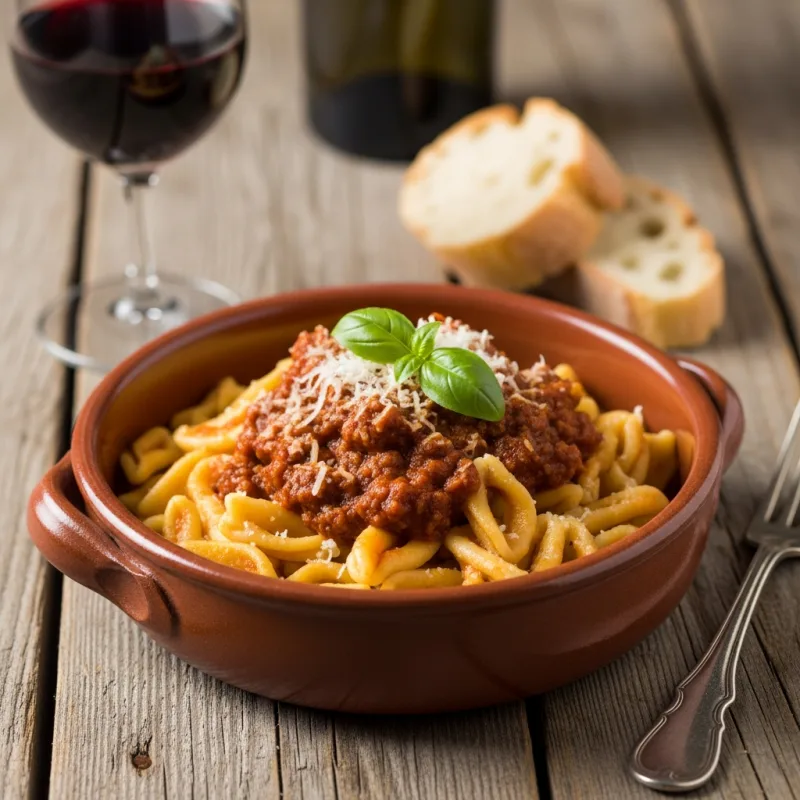
- Taste exceptional, hyper-local cuisine featuring fresh truffles, caciocavallo cheese, and Tintilia wine.
- Discover rich history, from ancient Samnite ruins to perfectly preserved medieval villages.
Things to Avoid
- Avoid relying solely on public transportation; a rental car is essential for exploring.
- Don't expect fast-paced nightlife or extensive shopping districts; Molise is about slow, quiet living.
- Avoid visiting high-altitude mountain towns in winter unless you are prepared for snow and have winter tires.
- Don't rush your meals; dining in Molise is a slow, multi-course affair meant to be savored.
Local Transportation Tips
To truly experience Molise, renting a car is almost mandatory. The region's charm lies in its scattered hilltop villages, remote agriturismos, and hidden natural reserves, which are largely inaccessible by public transport. There is a basic train network connecting the capital, Campobasso, to the coastal town of Termoli and neighboring regions, but local bus services (run by ATM Molise) are infrequent and cater mostly to school and commuter schedules.
Travel Etiquette
- Always greet shop owners with a polite 'Buongiorno' or 'Buonasera' when entering and leaving.
- Dress modestly when visiting churches and religious sites (shoulders and knees should be covered).
- Embrace the local pace of life; do not rush waiters or expect quick service in traditional restaurants.
- When invited to a local's home or an agriturismo, bringing a small gift like a bottle of wine or pastries is highly appreciated.
Recommended Age Group
Molise offers a peaceful and authentic experience, though its rugged terrain and lack of commercial entertainment cater better to certain age groups.
- Babies (0-2 years): Neutral. The cobblestone streets of medieval villages and lack of modern changing facilities can make navigating with a stroller challenging.
- Kids (3-12 years): Recommended. Children will love the open spaces, farm stays (agriturismos) with animals, and exploring ancient castles.
- Teens (13-19 years): Recommended. Great for active teens who enjoy hiking, outdoor adventures, and exploring historical ruins, though those seeking bustling city life may find it too quiet.
- Adults (20-64 years): Recommended. Perfect for road-trippers, foodies, and slow-travel enthusiasts looking for authentic cultural immersion and wine tasting.
- Seniors (65+ years): Recommended. Ideal for slow-paced exploration and culinary enjoyment, though visitors with mobility issues should be mindful of steep streets in hilltop towns.
Accessibility Level: Medium
- Accessibility in Molise can be challenging due to its mountainous terrain and historic, cobblestone-paved villages.
- Many medieval towns have steep inclines and lack elevators or ramps.
- The coastal town of Termoli offers better accessibility, with flat promenades and some wheelchair-friendly beach facilities.
- When booking accommodation, specifically inquire about ground-floor rooms or elevator access, as many traditional agriturismos are housed in older, multi-story buildings.
Did You Know?
Molise is home to the Pontificia Fonderia Marinelli in the town of Agnone. Founded in 1040, it is one of the oldest family businesses in the world and the oldest bell foundry, having produced bells for the Vatican and churches worldwide for nearly a millennium.
Cool Statistics
- Molise is the second-smallest region in Italy, covering just 4,438 square kilometers.
- The region has a population of roughly 300,000 people, making it one of the least densely populated areas in Italy.
- Molise boasts exactly 35 kilometers of coastline along the Adriatic Sea.
- The region was officially created in 1963 when it split from the neighboring region of Abruzzo.






Buy a compatible power adapter for your trip