Southern Sicily occupies the southernmost continental frontier of Italy, looking out toward North Africa across the Strait of Sicily. The territory is defined by its dramatic limestone plateaus, deep fertile gorges (cave), and historic port cities that have served as crossroads for Mediterranean commerce for over three millennia. From the golden Doric peristyles of ancient Akragas in Agrigento to the theatrical late-Baroque skylines of the Val di Noto, the region offers an immersive journey through monumental history without the intense commercialization seen in more heavily trafficked European corridors.
Beyond its urban and architectural achievements, Southern Sicily preserves an untamed coastal landscape. Nature reserves like Vendicari and Torre Salsa shelter loggerhead sea turtles, migrating flamingos, and expansive dunes framed by crystal-clear waters. Inland, agricultural traditions thrive among olive groves, citrus orchards, and carob trees, where family-owned cantinas produce world-class vintages of Cerasuolo di Vittoria. Whether taking a leisurely road trip across hilltop towns or relaxing on quiet beaches, visitors encounter an authentic Italian way of life steeped in warmth, craft, and historic preservation.
Reasons to Visit
- Marvel at monumental Doric architecture at the UNESCO-listed Valley of the Temples in Agrigento.
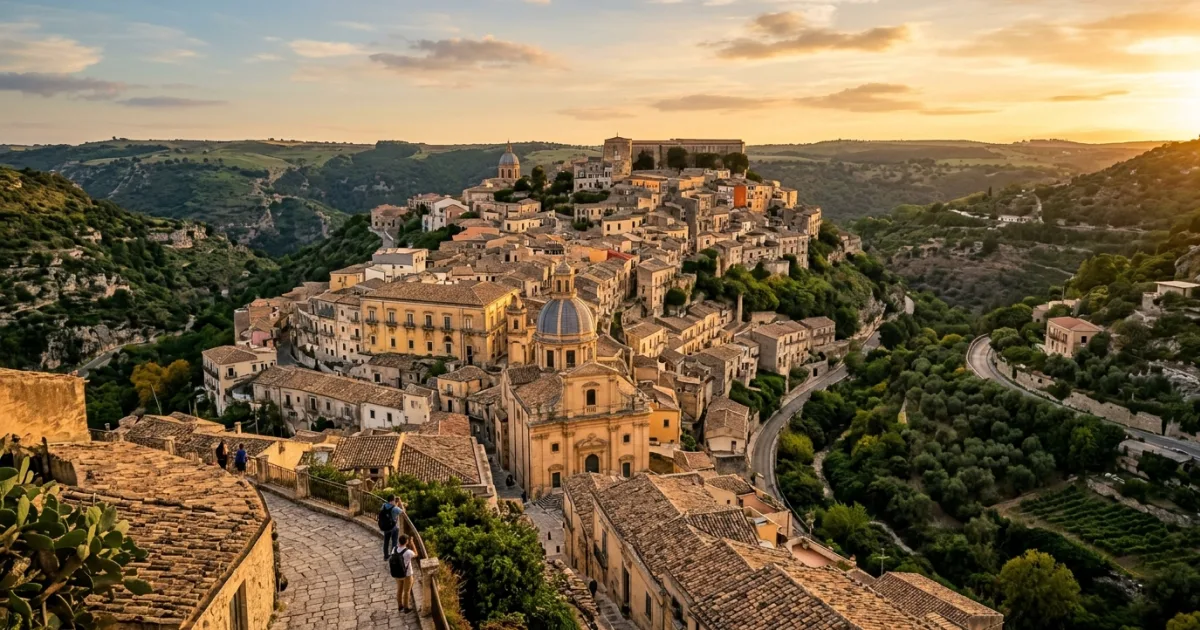
- Wander through the golden stone streets and ornate balconies of UNESCO Baroque centers including Ragusa Ibla, Modica, and Noto.
- Unwind on secluded golden sand beaches and hike coastal lagoons within the Vendicari Wildlife Oasis.
- Indulge in hyper-local culinary treasures, from artisanal Modican stone-ground chocolate to fresh seafood in Marzamemi.
- Experience authentic, slow-paced Mediterranean hospitality away from heavy northern tourist crowds.
Things to Avoid
- Avoid attempting to rely solely on public buses for rural routes, as schedules are limited, especially on Sundays.
- Do not plan intensive outdoor archaeological walks during the blistering midday hours of July and August; schedule them early in the morning or late in the afternoon.
- Avoid driving into Limited Traffic Zones (ZTL - Zona a Traffico Limitato) in historic town centers like Ragusa Ibla, Ortigia, or Modica without prior hotel registration to avoid automated fines.
- Do not walk on protected marl structures or sensitive coastal dune vegetation at protected nature reserves.
Local Transportation Tips
A rental car provides the most practical and efficient means of traversing Southern Sicily's varied terrain, allowing seamless access to rural vineyards, remote beaches, and hilltop villages. Regional Trenitalia rail lines link larger hubs like Syracuse, Pozzallo, and Ragusa, offering scenic but leisurely transit. Local AST and SAIS intercity buses serve commuter routes between major towns. Within historic historic cores, walking is the primary way to get around, supplemented by local minibuses and licensed taxis for navigating steep elevations.
Travel Etiquette
- Dress respectfully when entering basilicas, churches, and cathedrals by ensuring shoulders and knees are fully covered.
- Observe the customary afternoon pause (riposo) between 1:30 PM and 4:30 PM, when many non-tourism shops, banks, and pharmacies close.
- Always greet shopkeepers and waitstaff with a polite 'Buongiorno' or 'Buonasera' upon entering an establishment.
- Avoid requesting modifications to traditional regional recipes at local trattorias, as culinary heritage is guarded with great pride.
Recommended Age Group
Southern Sicily caters brilliantly to independent travelers who appreciate history, relaxed coastal life, and cultural discovery, though steep topography requires consideration for certain groups.
- Babies (0-2 years): Neutral. Cobblestone inclines, steep stone staircases, and midday summer heat can complicate stroller navigation, though locals are exceptionally welcoming to young infants.
- Kids (3-12 years): Recommended. Safe, shallow swimming beaches, interactive ancient ruins, open piazzas, and world-class gelato offer abundant family enjoyment.
- Teens (13-19 years): Recommended. Clear waters for snorkeling, fascinating coastal boat tours, and evocative ancient Greek mythology make the region highly engaging for teenagers.
- Adults (20-64 years): Recommended. Perfect terrain for food and wine discovery, scenic coastal road trips, photography, and cultural heritage exploration.
- Seniors (65+ years): Recommended. Ideal for relaxed cultural sightseeing, mild winter/spring weather, and rich historical exploration, provided accommodations with elevator or flat access are selected to navigate hilly historic towns.
Accessibility Level: Medium
- Major modern attractions like the main paths through the Valley of the Temples provide paved or firm gravel wheelchair pathways and golf cart assistance on request.
- Historic hilltop towns (such as Ragusa Ibla and Modica Alta) feature extensive staircases and steep cobblestones that present significant navigation challenges for mobility devices.
- Modern seaside promenades in towns like Marina di Ragusa and Pozzallo offer level, step-free access to waterfronts and boardwalks.
- Accessible parking spaces are designated near major civic plazas, though proper permits must be displayed clearly.
Did You Know?
Modica's celebrated chocolate is made using an ancient cold-processing method inherited directly from Spanish conquistadors, who learned the technique from the Aztecs in the 16th century. The mixture is never heated above 45°C, leaving the sugar crystals intact and creating its signature grainy texture.
Cool Statistics
- Contains 8 UNESCO World Heritage Baroque cities within the historic Val di Noto district.
- Home to the Valley of the Temples, spanning roughly 1,300 hectares as one of the largest archaeological sites in the world.
- Enjoys over 300 days of sunshine annually, making it one of the warmest regions in Europe.






Buy a compatible power adapter for your trip