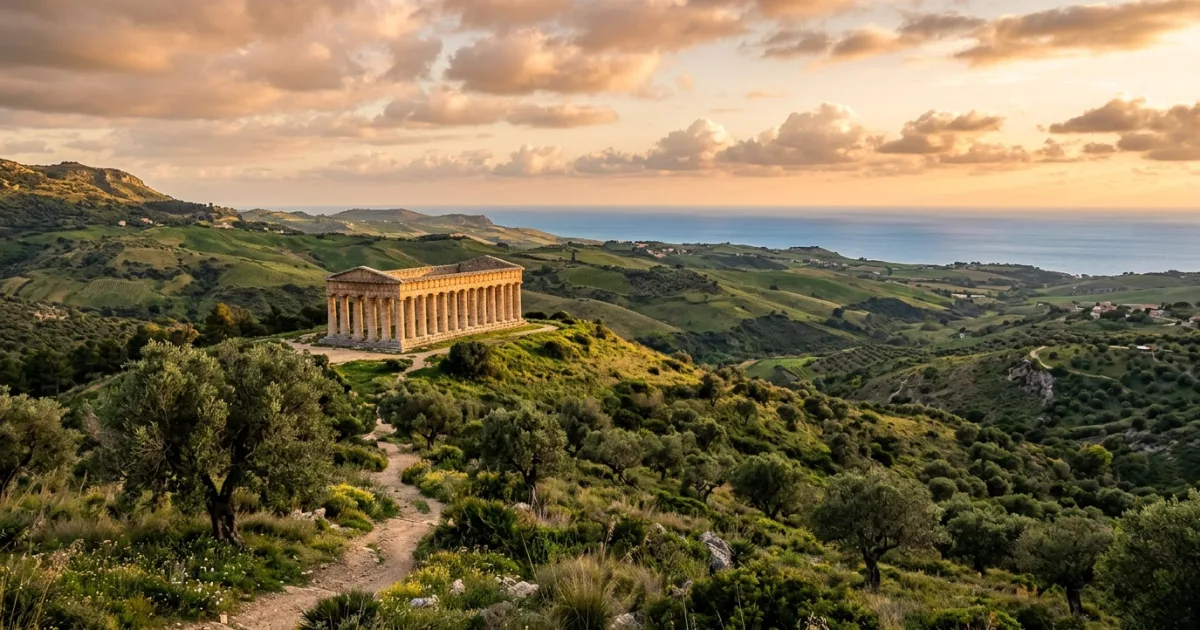
Western Sicily covers a picturesque expanse bordered by the Tyrrhenian Sea to the north and the Mediterranean Sea to the south. Historically shaped by maritime trade routes, the territory retains physical markers from every epoch: majestic 5th-century BC Doric temples standing intact in Segesta, towering sea cliffs sheltering prehistoric caverns, and coastal salt pans worked since Phoenician antiquity. Unlike the bustling metropolitan feel of Catania or Messina, the western corner preserves an untamed, agricultural serenity characterized by olive groves, vineyards, and whitewashed fishing villages.
Today, visitors balance cultural pursuits with outdoor recreation. Hikers trace dramatic coastal limestone cliffs within the Zingaro Nature Reserve, while kitesurfers converge on the shallow, windy lagoons of the Stagnone Nature Reserve near Marsala. With an authentic culinary tradition rooted in sustainable coastal fishing and time-honored baking, Western Sicily offers one of the most rewarding regional journeys in the Mediterranean.
Reasons to Visit
- Marvel at the remarkably preserved ancient Greek temples and amphitheater of Segesta and Selinunte.
- Hike through the pristine coastal coves and crystal-clear bays of Zingaro Nature Reserve.
- Taste world-renowned Marsala fortified wines and tour historic aging cellars founded in the 18th century.
- Wander the fog-kissed cobblestone lanes and Norman fortress walls of the hilltop enclave of Erice.
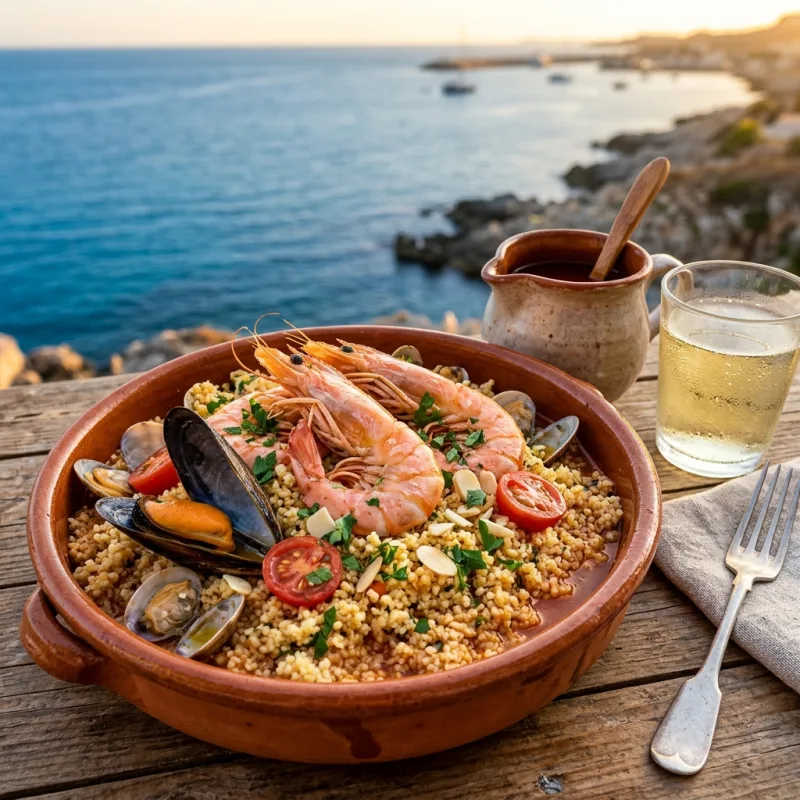
- Experience authentic Arab-influenced Sicilian gastronomy, highlighted by Trapanese fish couscous.
Things to Avoid
- Avoid attempting to rely solely on buses and trains for reaching coastal nature parks or remote ruins.
- Do not leave valuables, luggage, or electronics visible inside rental vehicles at unmonitored parking areas.
- Avoid hiking mid-afternoon in summer without adequate water, as coastal trails offer very little tree shade.
- Do not skip making advance ferry reservations if visiting the Egadi Islands during July and August.
Local Transportation Tips
A rental car provides the essential freedom required to explore Western Sicily's dispersed highlights efficiently. Highways (Autostrada A29) connect Palermo directly to Trapani and Mazara del Vallo without tolls. Regional trains operate between major coastal towns like Trapani, Marsala, and Castellammare del Golfo, but schedules can be infrequent. Siremar and Liberty Lines operate regular hydrofoil and passenger ferry services connecting Trapani harbor to Favignana, Levanzo, and Marettimo.
Travel Etiquette
- Dress respectfully when visiting religious shrines and cathedrals; cover shoulders and knees.
- Greet shopkeepers and restaurant staff with a polite 'Buongiorno' or 'Buonasera' upon entering.
- Understand that many smaller shops, rural businesses, and family-run restaurants close during riposo (afternoon rest) between 1:30 PM and 4:30 PM.
- Tipping is appreciated but not mandatory in Italy; leaving 5–10% for attentive dining service is customary.
Recommended Age Group
Western Sicily appeals across generations, though its rugged terrain and car-centric nature make it especially rewarding for independent adults.
- Babies (0-2 years): Neutral. Cobblestone streets in Erice and rocky beaches can be challenging with strollers; baby carriers are essential.
- Kids (3-12 years): Recommended. Shallow sandy beaches at San Vito Lo Capo, open ruin grounds, and cable car rides to Erice offer great family fun.
- Teens (13-19 years): Recommended. Kitesurfing in Stagnone, boat excursions to Egadi sea caves, and beach life provide plenty of action.
- Adults (20-64 years): Recommended. Superb wine tastings, deep archaeological sites, scenic driving routes, and gourmet dining make this a premier adult escape.
- Seniors (65+ years): Recommended. Fascinating historical landmarks and relaxed coastal promenades are ideal, though uneven ruins require sturdy walking shoes.
Accessibility Level: Medium
- Major archaeological sites such as Segesta provide accessible shuttle buses and paved ramps to primary temple viewpoints.
- Medieval villages like Erice feature steep, smooth, polished stone streets that can present significant slip and roll hazards for manual wheelchairs.
- San Vito Lo Capo provides beach wheelchairs (JOB chairs) and accessible wooden boardwalks along designated public beach zones in summer.
- Most modern ferry vessels to the Egadi Islands are wheelchair-accessible, though boarding ramps can vary with tide levels.
Did You Know?
The Stagnone lagoon between Trapani and Marsala has been producing sea salt through natural solar evaporation since the Phoenicians established trading posts here over 2,700 years ago, and its windmills are still operated today.
Cool Statistics
- Selinunte covers over 270 hectares, making it the largest archaeological park in Europe.
- Zingaro Nature Reserve was established in 1981 as Sicily's very first protected nature reserve.
- Over 30 traditional windmills still stand along the historic 'Salt Way' between Trapani and Marsala.






Buy a compatible power adapter for your trip