Disclosure: This site contains affiliate links. We may earn a commission if you make a purchase, at no extra cost to you.
Bay of Kotor

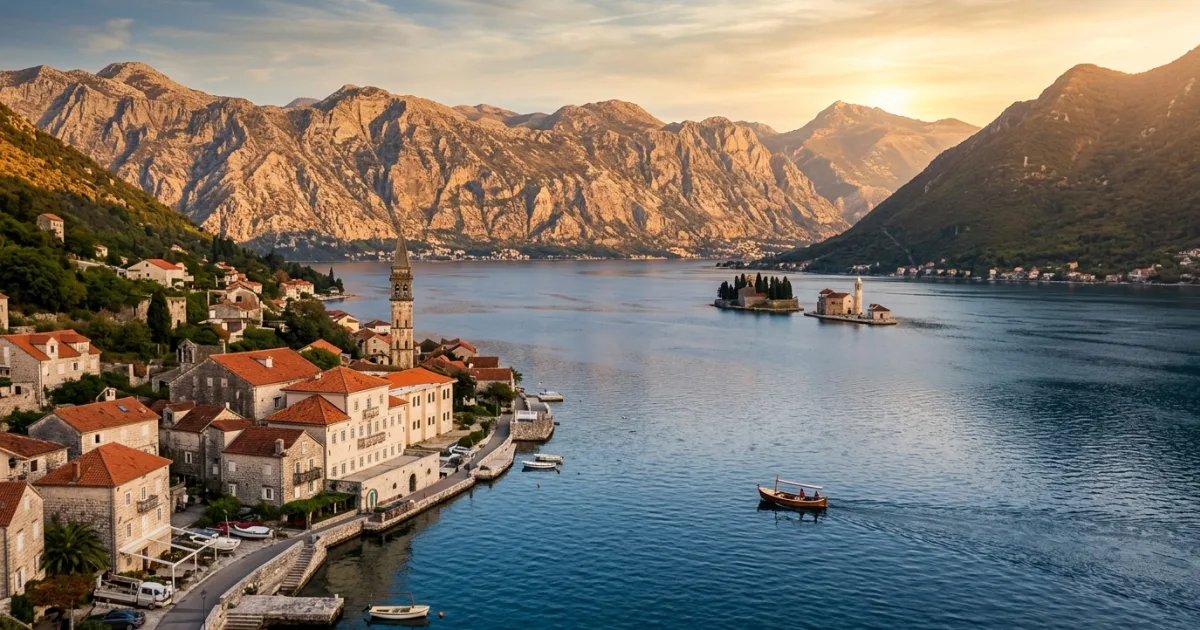
Panoramic view of the Bay of Kotor in Montenegro with mountains and medieval architecture

Basic Info

COUNTRY & Region

Montenegro,
Europe

ACCESSIBILITY LEVEL​

  • High: Widely accessible with good facilities for disabilities.
  • Medium: Some accessible options, but limitations exist.
  • Low: Limited accessibility; many barriers for disabilities.
Medium

LOCAL CURRENCY​

Euro (EUR)

Price Level

Low – budget‑friendly basics

Medium – moderate mid‑range costs

High – pricey lodging, dining & transport

Medium

SAFETY LEVEL

5 shields = Excellent – very low crime or conflict.

4 shields = Safe – low risk, routine care.

3 shields = Relatively safe – use normal street smarts.

2 shields = Use caution – higher crime or periodic unrest.

1 shields = Avoid – active conflict or extreme danger.

Scores are derived from multi-year peace, homicide and security indices blended into a single 1-to-5 scale.

Recommended Duration

Full day, 1-7 days

Bay of Kotor Overview & Key Highlights

The Bay of Kotor, often referred to as Europe's southernmost fjord, is a winding, spectacular inlet of the Adriatic Sea in southwestern Montenegro. Encircled by steep, dramatic limestone cliffs of the Orjen and Lovćen mountains, the bay is dotted with remarkably preserved medieval towns, including the UNESCO-listed Kotor and the picturesque village of Perast. Visitors are drawn to its deep blue waters, historic stone churches on artificial islands like Our Lady of the Rocks, and a rich maritime heritage that dates back to the Venetian Republic. The region offers a seamless blend of natural beauty and cultural depth, making it a premier destination for history enthusiasts and nature lovers alike. Exploring the Bay of Kotor provides diverse experiences ranging from leisurely boat cruises to challenging hikes up to the Castle of San Giovanni for panoramic views. The coastal road connecting the bay's settlements is ideal for scenic drives, while the calm waters are perfect for kayaking and paddleboarding. Culinary travelers will appreciate the abundance of fresh Adriatic seafood, locally produced olive oil, and traditional Montenegrin wines served in waterfront tavernas. Whether navigating the labyrinthine cobblestone streets of Kotor's Old Town or relaxing at a luxury marina in Tivat, the bay delivers an unforgettable Mediterranean escape with a distinct Balkan charm.

Bay of Kotor Travel Guide: Logistics & In-Depth Tips

The Bay of Kotor, locally known as Boka Kotorska, is a mesmerizing natural harbor on the Adriatic coast. Its unique butterfly shape comprises four smaller gulfs connected by narrow straits, framed by the imposing Dinaric Alps. This dramatic topography has protected the bay's settlements for centuries, allowing towns like Kotor, Perast, Risan, and Herceg Novi to develop rich, distinct cultures heavily influenced by the Venetian Republic, which ruled the area for nearly 400 years.

Today, the bay is a haven for travelers seeking a mix of active adventure and slow-paced relaxation. You can spend your mornings hiking ancient serpentine trails that offer bird's-eye views of the fjord, and your afternoons sipping local Vranac wine by the water's edge. The region is also steeped in myth and maritime legend, best experienced by taking a boat to Our Lady of the Rocks, a man-made islet born from a 15th-century local tale. Whether you are exploring the luxury yacht marina of Porto Montenegro in Tivat or getting lost in Kotor's labyrinthine alleys, the bay offers an enchanting, multi-layered travel experience.

Reasons to Visit

  • Experience Europe's most dramatic fjord-like landscape outside of Norway.
  • Wander through the incredibly preserved, car-free medieval streets of Kotor's Old Town.
  • Take a scenic boat ride to the legendary artificial island, Our Lady of the Rocks.
  • Hike the ancient city walls to the Castle of San Giovanni for breathtaking panoramic views.
  • Indulge in fresh, affordable Adriatic seafood and local Montenegrin wines.

Things to Avoid

  • Avoid driving the coastal road during peak summer afternoons, as traffic can come to a standstill.
  • Skip dining at the restaurants located directly on the main tourist squares if you want authentic, reasonably priced food.
  • Do not attempt the hike to San Giovanni fortress in the middle of a summer day without ample water and sun protection.
  • Avoid relying solely on credit cards, as many small vendors, bus drivers, and local markets only accept cash.

Local Transportation Tips

Navigating the Bay of Kotor is relatively straightforward. The Blue Line public bus service connects major towns like Kotor, Perast, Risan, and Herceg Novi, offering an affordable way to travel the coast. For more flexibility, renting a car is highly recommended, though drivers should be prepared for narrow, winding roads and limited parking in historic centers. Water taxis and organized boat tours provide a scenic and efficient alternative for crossing the bay, especially during the congested summer months.

Travel Etiquette

  • Dress modestly when visiting churches and monasteries; shoulders and knees should be covered.
  • Greet shopkeepers and restaurant staff with a polite 'Zdravo' (Hello) upon entering.
  • Tipping around 10% is customary in restaurants if a service charge is not already included.
  • Respect the quiet nature of smaller villages like Perast, especially during the afternoon siesta hours.

Recommended Age Group

The Bay of Kotor offers a versatile experience that caters to various age groups, though its historic infrastructure requires some consideration.

  • Babies (0-2 years): Neutral. The cobblestone streets of the old towns and lack of sandy beaches can make navigating with a stroller challenging. A baby carrier is highly recommended.
  • Kids (3-12 years): Recommended. Children will love the boat rides, exploring ancient fortresses, and the calm, wave-free waters of the bay which are safe for swimming.
  • Teens (13-19 years): Recommended. The area offers engaging outdoor activities like kayaking, paddleboarding, and hiking, along with a lively atmosphere in the coastal towns.
  • Adults (20-64 years): Recommended. Perfect for adults seeking a blend of history, romantic scenery, wine tasting, and active exploration.
  • Seniors (65+ years): Recommended. While the steep hikes and stairs in the old towns might be challenging, the flat coastal promenades, scenic drives, and leisurely boat tours make it a highly enjoyable destination.

Accessibility Level: Medium

  • The Old Town of Kotor is mostly flat, but the cobblestones can be uneven and challenging for wheelchair users.
  • Many historic sites, including the city walls and fortresses, involve steep stairs and lack ramps or elevators.
  • Modern developments like Porto Montenegro in Tivat offer excellent accessibility with flat, paved surfaces and accessible facilities.
  • When booking boat tours, verify in advance if the vessel can accommodate wheelchairs, as many traditional boats cannot.

Did You Know?

Did you know that the Bay of Kotor is not technically a fjord? While it looks exactly like one with its steep mountains plunging into the sea, it is actually a 'ria'—a submerged river canyon created by tectonic shifts and rising sea levels over millennia.

Cool Statistics

  • The Bay of Kotor covers an area of approximately 87 square kilometers.
  • Kotor's ancient city walls are 4.5 kilometers long and reach up to 20 meters in height.
  • There are exactly 1,350 steps leading up to the Castle of San Giovanni above Kotor.
  • The region receives over 240 sunny days per year, making it a prime Mediterranean destination.

Address:

Bay of Kotor, Montenegro

Find Nearby Accommodations

Electricity

220-240V, 
50Hz

Plug Type

Type C (Round pin), Type F (Two round pins with earth clips)
Plug types
Click To View Plug Types
Bay of Kotor is part of our
Slow Travel & Nature collection

Activities To Do In Bay of Kotor

Best Time To Visit Bay of Kotor

The optimal time to visit the Bay of Kotor is during the shoulder seasons of May to June and September to October. During these months, the weather is pleasantly warm, the Adriatic Sea is suitable for swimming, and the crowds are significantly thinner than in peak summer.

  • Spring (May - June): Ideal for hiking and outdoor activities with blooming flora and comfortable temperatures around 20-25°C.
  • Summer (July - August): Peak tourist season with hot weather (often exceeding 30°C) and bustling cruise ship crowds; perfect for swimming but requires booking well in advance.
  • Autumn (September - October): Excellent for wine tasting and enjoying the warm sea waters with fewer tourists and mild, pleasant days.
  • Winter (November - April): Quiet and often rainy, with many seasonal restaurants and hotels closing down, though it offers a peaceful, moody atmosphere for slow travel.

Average Temperatures Per Month

Average monthly temperaturesMonthly source values, with Celsius and Fahrenheit equivalents in the following data table.0°32°9°48°18°64°26°79°35°95°JanJan: 8°C / 46°FFebFeb: 9°C / 48°FMarMar: 11°C / 52°FAprApr: 13°C / 55°FMayMay: 18°C / 64°FJunJun: 23°C / 73°FJulJul: 26°C / 79°FAugAug: 26°C / 79°FSepSep: 22°C / 72°FOctOct: 18°C / 64°FNovNov: 15°C / 59°FDecDec: 11°C / 52°F
View temperature data
Average monthly temperatures
Month°C°F
Jan846
Feb948
Mar1152
Apr1355
May1864
Jun2373
Jul2679
Aug2679
Sep2272
Oct1864
Nov1559
Dec1152

Remember to check the weather forecast a few days before the trip and before heading to the airport.

Safety Level

5 shields = Excellent – very low crime or conflict.

4 shields = Safe – low risk, routine care.

3 shields = Relatively safe – use normal street smarts.

2 shields = Use caution – higher crime or periodic unrest.

1 shields = Avoid – active conflict or extreme danger.

Scores are derived from multi-year peace, homicide and security indices blended into a single 1-to-5 scale.

The Bay of Kotor is generally very safe for tourists, with low rates of violent crime. Exercise standard precautions against pickpocketing in crowded areas, especially when cruise ships are docked in Kotor. If renting a car, drive cautiously on the narrow, winding coastal roads, as local drivers can be aggressive and blind corners are common.

The rating is based on multi-year peace, crime, and security indices. Before you go, always verify current conditions through official government travel advisories.

Emergency Numbers

Police: 112 (Universal) / 122
Ambulance: 112 (Universal) / 124

No internet needed • Includes local translations • Free for TravelingWiz readers

Spoken Languages

Montenegrin is the official language, which is mutually intelligible with Serbian, Croatian, and Bosnian. English is widely spoken in tourist areas, hotels, and restaurants. Russian and Italian are also commonly understood by many locals in the hospitality sector.
Travel Booking Partner - TravelingWiz

Learn The Language

  • Zdravo (Hello)
  • Hvala (Thank you)
  • Molim (Please / You’re welcome)
  • Da (Yes)
  • Ne (No)
  • Koliko ovo košta? (How much does this cost?)
  • Gdje je toalet? (Where is the bathroom?)
  • Govorite li engleski? (Do you speak English?)

Trip Cost & Budgeting for Bay of Kotor, 2026

Everything you need to know about money while traveling
Is Bay of Kotor expensive for tourists in 2026? While pricier than inland Montenegro, it remains reasonably affordable compared to neighboring Croatia. Based on Human Verified prices, expect to pay around 2.25 EUR for a cappuccino, 2.80 EUR for a pint of local beer, and 18.00 EUR for a main meal at a mid-range restaurant. Use the data table below to calculate your specific daily budget based on your travel style.

LOCAL CURRENCY​:

Euro (EUR)

Price Level:

Low – budget‑friendly basics

Medium – moderate mid‑range costs

High – pricey lodging, dining & transport

Medium

Cards Vs. Cash

Cards are widely accepted in hotels and restaurants, but cash is essential for small shops, taxis, and markets.

How Much Cash to Carry (on you)

Per person, per day – pocket cash for small purchases.

Local: 12
Euro (EUR)
≈ 14 USD

Average Daily Costs (per person)

Full daily spend estimation (accommodation, food, transportation, attractions).

Travel Style
Euro (EUR)
≈ USD ($)
Budget
65
75
Mid-range
120
139
Comfort
260
301
Note

The Prices, Daily costs, and calculator results are estimates for planning purposes only. Actual costs may vary based on season, booking timing, personal spending habits, and currency fluctuations. TravelingWiz cannot be held responsible for discrepancies between these estimates and your final trip expenses.

Best Value Tips

  • Stay in Dobrota or Prčanj instead of Kotor Old Town for significantly cheaper lodging options.
  • Eat lunch at traditional konobas outside main squares for affordable daily set menus and fresh seafood.
  • Take local Blue Line buses between Kotor, Perast, and Tivat rather than booking expensive private taxis.
  • Buy fresh regional cheese, wine, and snacks at the Kotor Farmers Market outside the town walls.

Tours & Tickets

Explore tours, attractions, and ticket options to plan your visit.
Plan ahead

Travel Offers & Coupons

Browse travel offers and coupons from our affiliate partners.
Affiliate partner offers

What To Pack

  • Comfortable walking shoes with good grip for navigating slippery cobblestone streets and hiking up to fortresses.
  • Lightweight, breathable clothing for summer months, along with a light jacket for breezy evenings by the water.
  • Swimwear and water shoes, as many local beaches are pebbly rather than sandy.
  • Sun protection including a wide-brimmed hat, sunglasses, and high-SPF sunscreen for boat tours and outdoor exploration.
  • A universal power adapter for Type C or F outlets to keep your devices charged.
Only the good stuff!
Browse recommended travel gear
Check out our free packing list tool

Recommended Itineraries for Traveling to Bay of Kotor

Take your itinerary with you

Choose a ready-made itinerary, plan your own trip, and keep TravelingWiz by your side while you travel.

Get the TravelingWiz app

Food & Drink Highlights

Local Food Overview

Montenegrin coastal cuisine is heavily influenced by Mediterranean and Venetian traditions, focusing on fresh seafood, garlic, olive oil, and local herbs. Inland influences bring hearty cured meats and cheeses to the table, creating a diverse and flavorful culinary landscape.

Must Try Dish

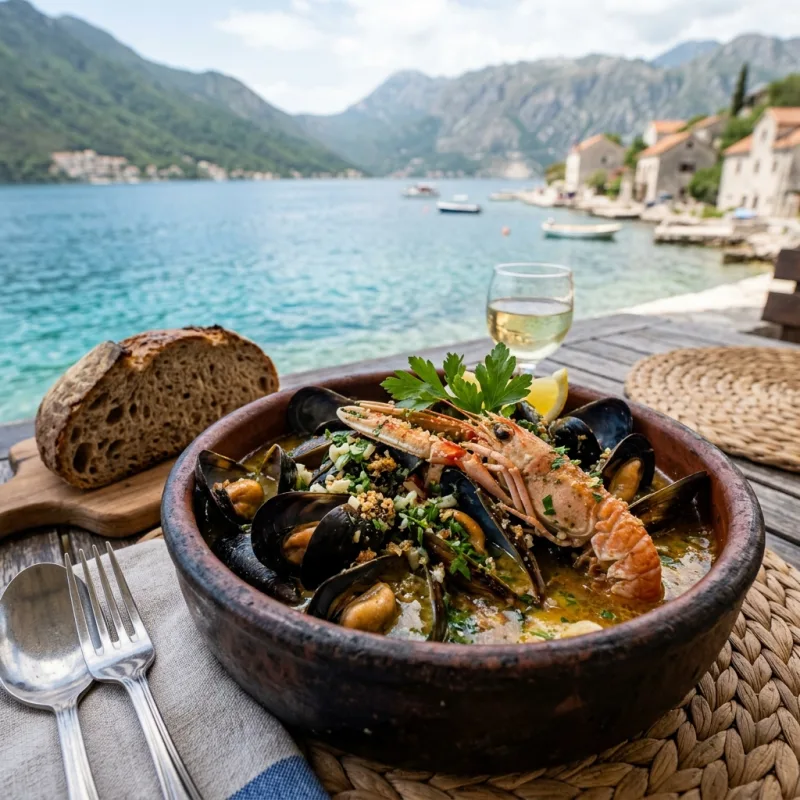
Buzara - A traditional coastal Montenegrin dish featuring fresh shellfish, usually mussels or scampi, simmered in a rich broth of white wine, garlic, olive oil, and fresh parsley. It is typically served with crusty bread to soak up the flavorful, aromatic sauce.
A bowl of traditional Montenegrin Buzara seafood stew with mussels and bread

Maya’s Final Checklist for Bay of Kotor

Logistics shouldn’t be the focus of your trip—the experience should. I’ve hand-vetted these essential partners to ensure your arrival, stay, and exploration are as smooth as an Athenian breeze.

Maya, the human travel expert at TravelingWiz, offering curated, non-AI expertise

Where to Stay

Compare accommodation options and choose a stay that suits your plans and budget.

Air Travel

Compare flight options and find a route that fits your plans.

Local Guides

Connect with local guides for personalized help planning and exploring.

Travel Protection

The “Engineer’s” rule: always have a backup. Secure your trip with a plan that covers every “what if” and unexpected change.

Car Rentals

Compare rental options and choose a car that suits your trip.

Visa Information

Don’t let paperwork slow you down. Get expert assistance with your application to ensure all your entry documents are in order.

FAQs

Citizens of the US, UK, EU, Canada, and Australia can enter Montenegro visa-free for up to 90 days. Always check current regulations before traveling.
Yes, tap water in the Bay of Kotor is generally safe to drink, though some travelers prefer bottled water during heavy summer rains when the water can occasionally become cloudy.
No, the official currency is the Euro (EUR). Other currencies are not accepted, but exchange offices and ATMs are widely available.
Renting a car is great for flexibility, but local Blue Line buses run frequently between towns. Boat taxis and organized boat tours are also excellent ways to navigate the bay.

Your Insights Matter

TravelingWiz grows through the stories of our community. If you’ve recently explored ,Bay of Kotor share your tips and stories to help us perfect our guides for the next traveler.

Where should we send your offline card?

We hate spam just as much as you do

newsletter_consent *