Disclosure: This site contains affiliate links. We may earn a commission if you make a purchase, at no extra cost to you.

>
>
>
>
Lofoten Islands

Lofoten Islands

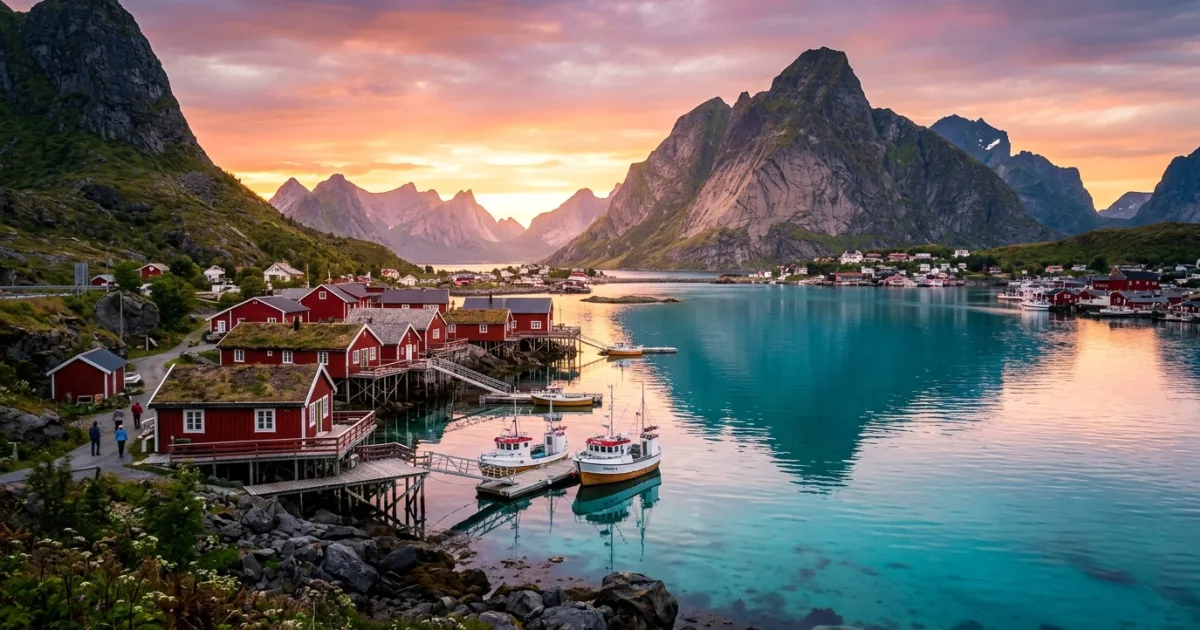
Red fishermen's cabins on the water beneath dramatic jagged mountains in the Lofoten Islands

Lofoten Islands Overview & Key Highlights

The Lofoten Islands are an archipelago in Northern Norway known for their dramatic peaks, sheltered coves, and picturesque fishing villages. Situated above the Arctic Circle, this destination offers unique natural phenomena, including the Midnight Sun in summer and the Northern Lights in winter. Visitors can explore deep fjords, hike rugged trails, and stay in traditional red fishermen's cabins known as rorbuer. The region's rich Viking history and thriving cod fishing industry provide a deep cultural backdrop to the stunning natural landscapes. Whether you are kayaking through crystal-clear waters, photographing the iconic village of Reine, or learning about Norse heritage at the Lofotr Viking Museum, the islands deliver an unforgettable Arctic experience. Due to its remote location and fragile ecosystem, Lofoten encourages slow, conscious travel to preserve its pristine environment.

Lofoten Islands Travel Guide: Logistics & In-Depth Tips

The Lofoten Islands stretch like a jagged wall of rock into the Norwegian Sea, creating one of the most dramatic landscapes on Earth. The archipelago consists of several main islands—Austvågøy, Vestvågøy, Flakstadøy, and Moskenesøy—connected by a series of bridges and tunnels along the scenic E10 highway. This makes road-tripping the primary and most spectacular way to experience the region.

Beyond the scenery, Lofoten is a living, breathing cultural hub. The seasonal cod migration (Skrei) has sustained the local population for over a thousand years. Between February and May, you will see thousands of fish hanging on massive wooden racks (hjell) to dry in the salty sea breeze. Visitors can immerse themselves in this heritage by staying in a rorbu—a traditional, often bright red, fisherman's cabin built on stilts over the water, now modernized for cozy tourist stays.

Reasons to Visit

  • Unmatched Scenery: The juxtaposition of sheer granite peaks rising directly from turquoise waters and white sand beaches is visually stunning.
  • Northern Lights: Located beneath the auroral oval, Lofoten is one of the best places in the world to witness the Aurora Borealis.
  • Midnight Sun: From late May to mid-July, the sun never sets, allowing for 24/7 exploration and unique golden-hour photography.
  • Viking History: The Lofotr Viking Museum features the largest Viking longhouse ever found, offering immersive historical experiences.

Things to Avoid

  • Underestimating the Weather: Arctic weather is volatile. Never embark on a long hike without proper gear and checking the forecast.
  • Trespassing: While Norway has a 'Right to Roam', this does not apply to cultivated land or private property near homes. Respect local boundaries.
  • Ignoring Drone Rules: Drones are strictly prohibited in several national park areas and near airports in Lofoten. Always check local aviation maps.

Local Transportation Tips

The E10 highway is the main artery connecting the islands, making a rental car or campervan the most efficient way to travel. Public buses do operate between major villages like Svolvær, Leknes, and Reine, but schedules can be sparse, especially on weekends and outside of summer. Ferries connect the southern tip of Lofoten (Moskenes) to the mainland (Bodø), which is a popular entry point. Cycling is also popular in summer, though the narrow roads and tunnels require caution.

Travel Etiquette

  • Leave No Trace: The fragile Arctic tundra takes decades to recover from damage. Stick to marked trails and pack out all trash.
  • Respect Privacy: Many picturesque rorbuer and homes are private residences. Do not peer into windows or walk onto private decks for photos.
  • Driving Courtesy: Roads are narrow. Use designated passing places (marked with an 'M') to let oncoming traffic or faster vehicles pass.

Recommended Age Group

The Lofoten Islands offer diverse experiences, but the rugged terrain and remote nature mean it caters differently to various age groups.

  • Babies (0-2 years): Neutral. While scenic drives are beautiful, the lack of stroller-friendly trails and long travel times can be challenging for infants.
  • Kids (3-12 years): Recommended. Children will love the Viking museum, exploring the white sand beaches, and taking calm fjord cruises.
  • Teens (13-19 years): Recommended. Active teens will thrive here with opportunities for surfing at Unstad, kayaking, and challenging hikes.
  • Adults (20-64 years): Recommended. Perfect for road-tripping, advanced hiking, photography, and enjoying the local seafood and cultural sites.
  • Seniors (65+ years): Recommended. The E10 offers world-class scenery right from the car, and there are many accessible boat tours and museums, though steep hikes should be avoided.

Accessibility Level: Medium

  • Accommodation: Many newer or renovated rorbuer and hotels in Svolvær and Leknes offer ground-floor, wheelchair-accessible rooms.
  • Attractions: Major sites like the Lofotr Viking Museum and the Norwegian Fishing Village Museum have good accessibility and ramps.
  • Nature: While rugged trails are inaccessible, several viewpoints along the E10 National Scenic Route are paved and wheelchair-friendly.
  • Transport: The Hurtigruten coastal ferry, which stops in Stamsund and Svolvær, is fully accessible for wheelchair users.

Did You Know?

Despite being located well above the Arctic Circle, the Lofoten Islands experience a massive temperature anomaly relative to their latitude. Thanks to the warming effects of the Gulf Stream, the islands have one of the largest elevated temperature anomalies in the world, keeping the surrounding sea ice-free all year round.

Cool Statistics

  • Latitude: 68°N, placing it well above the Arctic Circle.
  • Viking Longhouse: The reconstructed longhouse at Borg is 83 meters long, the largest ever discovered.
  • Midnight Sun Duration: The sun remains continuously above the horizon for approximately 7 weeks in summer.


Address:

Lofoten Islands, Norway

Find Nearby Accommodations

Basic Info

address icon

COUNTRY & Region

Norway,
Europe

ACCESSIBILITY LEVEL​

Medium
Currency icon

LOCAL CURRENCY​

Norwegian Krone (NOK)
Price level icon
High
Safety Level icon

SAFETY LEVEL

Duration icon

Recommended Duration

• 1-7 days
• More than a week

Electricity

electricity icon

Electricity

220-240V, 
50Hz
Plug Socket icon

Plug Type

• Type C (Round pin)
• Type F (Two round pins with earth clips)
Plug types
Click To View Plug Types
Lofoten Islands is part of our
Off-Grid Glamping collection

Activities To Do In Lofoten Islands

Best Time To Visit Lofoten Islands

The best time to visit depends entirely on what you want to experience. Summer offers endless daylight and accessible hiking, while winter provides snow-capped peaks and auroras.

  • Summer (June to August): Ideal for hiking, kayaking, and experiencing the Midnight Sun. Expect the highest tourist crowds and peak prices.
  • Autumn (September to October): Great for autumn colors, fewer crowds, and the beginning of the Northern Lights season.
  • Winter (February to March): Perfect for photography, snowshoeing, and prime Northern Lights viewing, though daylight is limited.

Average Temperatures Per Month

Remember to check the weather forecast a few days before the trip and before heading to the airport.

Safety Level icon

Safety Level

Lofoten is incredibly safe regarding crime, but nature poses the biggest risks. Always check the weather forecast before hiking, as conditions can change rapidly. Do not hike steep trails in the rain due to mudslides and slippery rocks. If driving in winter, ensure your rental car has studded tires and be prepared for icy, narrow roads.

The rating is based on multi-year peace, crime, and security indices. Before you go, always verify current conditions through official government travel advisories.

Emergency Numbers

Police: 112
Ambulance: 113

No internet needed • Includes local translations • Free for TravelingWiz readers

Spoken Languages

Norwegian is the official language. English is spoken fluently by almost everyone, making communication very easy for international travelers.

Learn The Language

  • Hei (Hello)
  • Takk (Thank you)
  • Vær så snill (Please)
  • Hvor er toalettet? (Where is the toilet?)
  • Hvor mye koster dette? (How much does this cost?)
  • Snakker du engelsk? (Do you speak English?)
  • Jeg forstår ikke (I don’t understand)
  • Ha det bra (Goodbye)
Travel Booking Partner - TravelingWiz

Trip Cost & Budgeting for Lofoten Islands, 2026

Everything you need to know about money while traveling
Is Lofoten Islands expensive for tourists in 2026? Yes, Lofoten is a high-cost destination, but costs align with broader Norwegian standards. Expect to pay around 50 NOK for a cappuccino, 110 NOK for a pint of beer, and 300 NOK for a main restaurant meal. These Human Verified prices show that eating out and local travel add up quickly. Use the data table below to calculate your specific daily budget based on your travel style.
Currency icon

LOCAL CURRENCY​:

Norwegian Krone (NOK)
Price level icon
High
Norway is virtually a cashless society, so credit cards and mobile payments are accepted nearly everywhere across Lofoten.

Per person, per day – pocket cash for small purchases.

Local: 200
Norwegian Krone (NOK)
≈ 21 USD

Full daily spend estimation (accommodation, food, transportation, attractions).

Travel Style
Norwegian Krone (NOK)
≈ USD ($)
Budget
1100
116
Mid-range
2000
210
Comfort
4400
463

The Prices, Daily costs, and calculator results are estimates for planning purposes only. Actual costs may vary based on season, booking timing, personal spending habits, and currency fluctuations. TravelingWiz cannot be held responsible for discrepancies between these estimates and your final trip expenses.

  • • Buy groceries at discount supermarkets like Kiwi, Rema 1000, or Coop to cook meals in your cabin kitchen.
  • • Travel in shoulder seasons such as May or September for lower car rental and cabin rates.
  • • Split car rental, fuel, and parking costs by traveling with friends or family.
  • • Take advantage of free natural scenery, self-guided mountain hikes, and public access rights.

Pre-Order Tickets

Avoid disappointment when tickets sell out — and skip the long lines by booking online in advance. You’ll often save up to 20% too.
Save up to 20%

Travel Discounts & Coupons

Save on hotels, attractions, transport, and gear — find verified discounts for smarter travel spending.
Verified Coupons

What To Pack

  • Layers: Weather changes rapidly; pack thermal base layers, a fleece, and a waterproof, windproof outer shell.
  • Sturdy Hiking Boots: Essential for navigating steep, rocky, and often muddy trails.
  • Camera Gear: Bring a wide-angle lens for landscapes and a tripod for Northern Lights photography.
  • Sleep Mask: Crucial if visiting during the summer months to block out the Midnight Sun.
  • Reusable Water Bottle: Tap water in Norway is exceptionally clean and safe to drink.
We couldn't find tips for Lofoten Islands.
If you got any, please share

Recommended Itineraries for Traveling to Lofoten Islands

We couldn't find itineraries for Lofoten Islands.
you can contact us for custom trip plan

Food & Drink Highlights

Local Food Overview

Lofoten's culinary scene is deeply tied to the sea, with cod being the undisputed king. The region is famous for its stockfish (tørrfisk), which is exported worldwide. Local restaurants also serve fresh halibut, Arctic char, and whale meat, alongside hearty root vegetables and locally foraged berries.
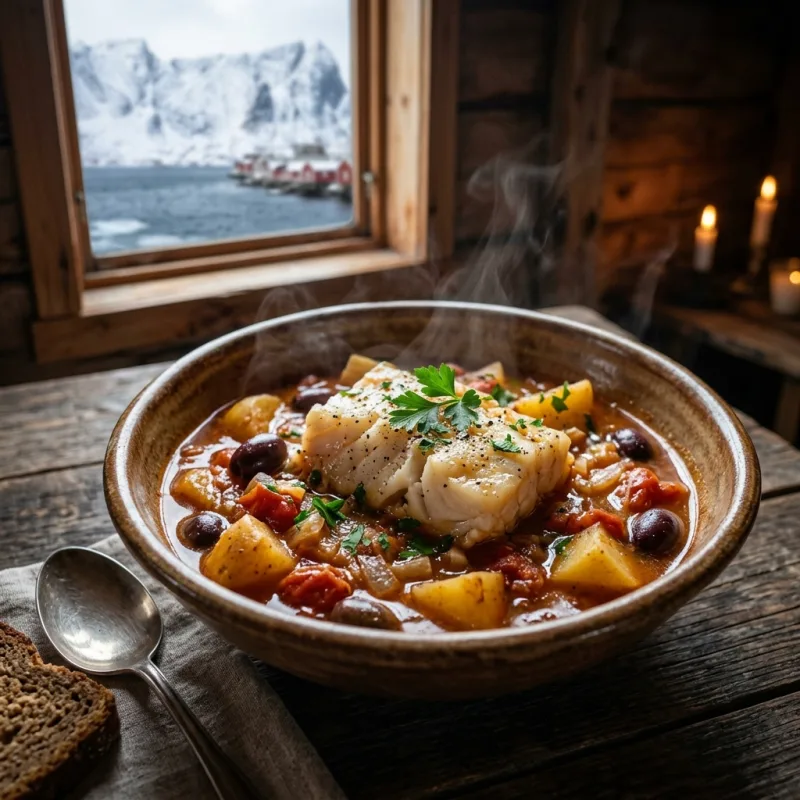
A bowl of traditional Norwegian Bacalao made with stockfish

Must Try Dish

Tørrfisk (Stockfish) is unsalted cod naturally dried by cold wind and sun on wooden racks, a preservation method dating back to the Viking Age. It is often rehydrated and served in rich, savory dishes like Bacalao, featuring tomatoes, potatoes, and onions.
Food Experiences Title Icon

Food
Experiences

Discover cooking classes, tastings and local food tours

No food experience found
Maya, the human travel expert at TravelingWiz, offering curated, non-AI expertise

Maya’s Final Checklist for Lofoten Islands

Logistics shouldn’t be the focus of your trip—the experience should. I’ve hand-vetted these essential partners to ensure your arrival, stay, and exploration are as smooth as an Athenian breeze.

Where to Stay

From boutique hotels to local apartments—compare thousands of options and find the perfect stay in the best neighborhood.

Air Travel

Getting there should be seamless. Compare the best routes and prices across top airlines to start your journey on the right note.

Local Guides

Connect with experts who know the destination best. Get personalized advice and insider tips to help you plan your perfect trip.

Travel Protection

The “Engineer’s” rule: always have a backup. Secure your trip with a plan that covers every “what if” and unexpected change.

Car Rentals

Explore at your own pace with total freedom. Compare reliable rental options and find the right vehicle for your adventure.

Visa Services

Don’t let paperwork slow you down. Get expert assistance with your application to ensure all your entry documents are in order.

FAQs

While there are public buses, renting a car is highly recommended for flexibility, as buses run infrequently and many trailheads and viewpoints are not on main bus routes.
The Aurora Borealis is visible from late August to mid-April, with the best viewing typically between October and March when the nights are darkest.
Many of Lofoten’s most famous hikes, like Reinebringen, are short but extremely steep and challenging. Always assess your fitness level and trail conditions before setting out.

Your Insights Matter

TravelingWiz grows through the stories of our community. If you’ve recently explored ,Lofoten Islands share your tips and stories to help us perfect our guides for the next traveler.

Related Articles

Check out our related articles and blog posts to learn even more about the destination.

No related articles found

Don’t Travel Alone

Share with your friends and family

Where should we send your offline card?

We hate spam just as much as you do

newsletter_consent *