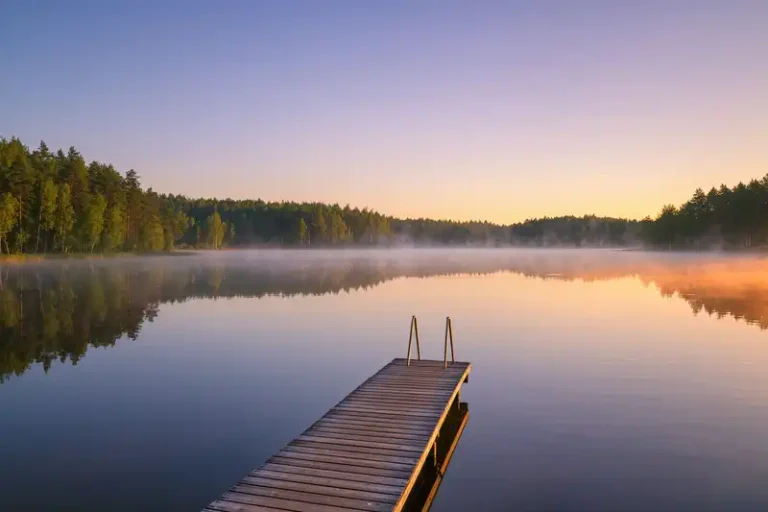
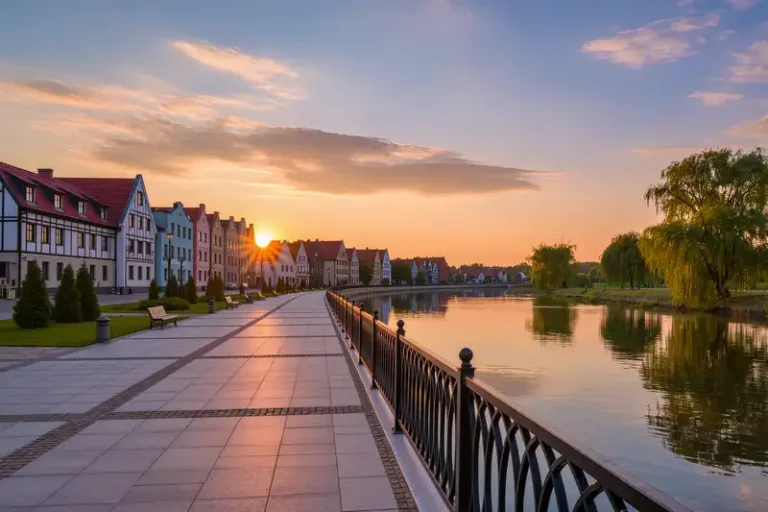
Poland's geography is remarkably diverse, offering something for every type of traveler. In the north, the Baltic Sea coast features sandy beaches and the historic port city of Gdańsk. Moving inland, the Masurian Lake District provides a haven for sailing and kayaking enthusiasts. Central Poland is dominated by the flat plains that house the dynamic capital, Warsaw, a city that seamlessly blends restored historic architecture with modern skyscrapers. To the south, the landscape rises into the dramatic peaks of the Tatra Mountains, offering premier hiking and winter sports opportunities around the resort town of Zakopane.
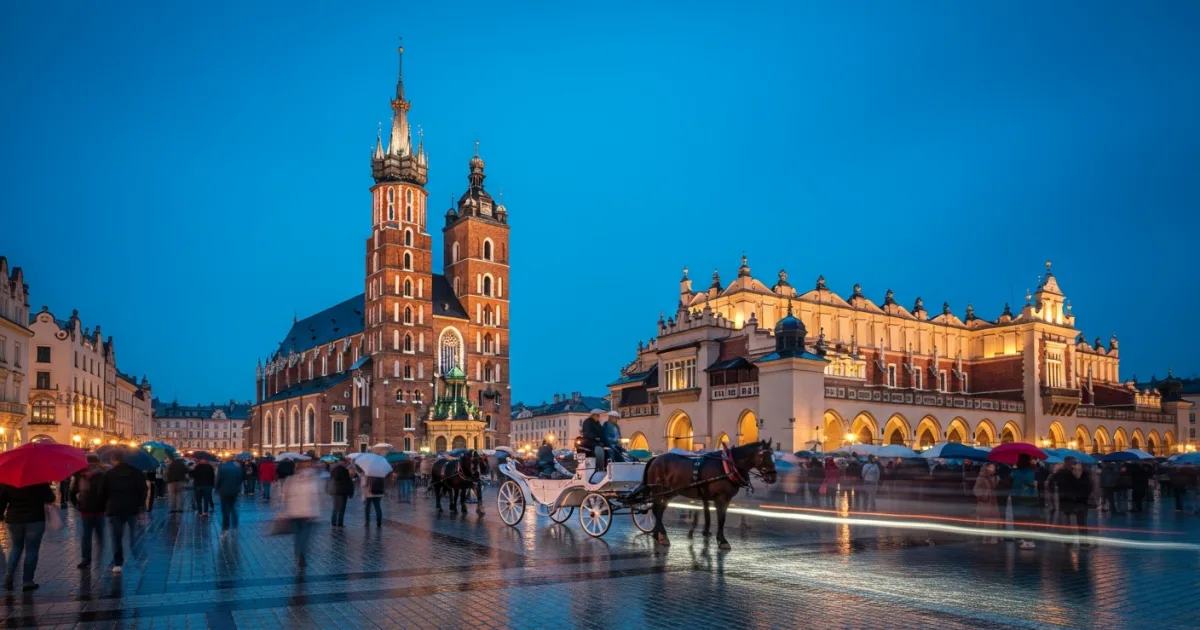
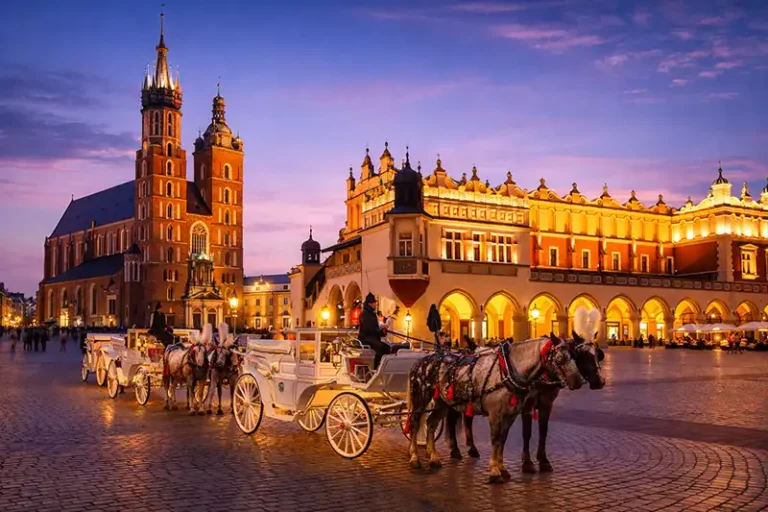
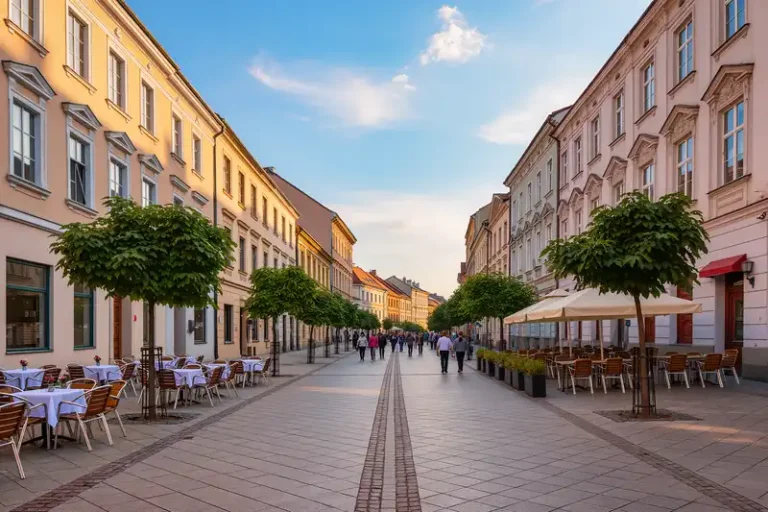
The country's history is both triumphant and tragic, deeply woven into its cultural fabric. Cities like Krakow, which escaped major destruction during World War II, boast pristine medieval centers and the magnificent Wawel Castle. Conversely, Warsaw's Old Town is a testament to resilience, having been meticulously rebuilt from rubble. Poland is also home to poignant historical sites, most notably the Auschwitz-Birkenau concentration camp, which serves as a crucial educational memorial. Beyond history, Poland's cultural scene thrives with classical music festivals celebrating native son Frédéric Chopin, vibrant contemporary art, and a burgeoning culinary landscape that elevates traditional peasant food to modern gastronomy.
Reasons to Visit
- Exceptional value for money compared to Western European destinations.
- Rich, complex history visible in well-preserved medieval towns and poignant memorials.
- Diverse natural landscapes, from the Baltic Sea to the Tatra Mountains.
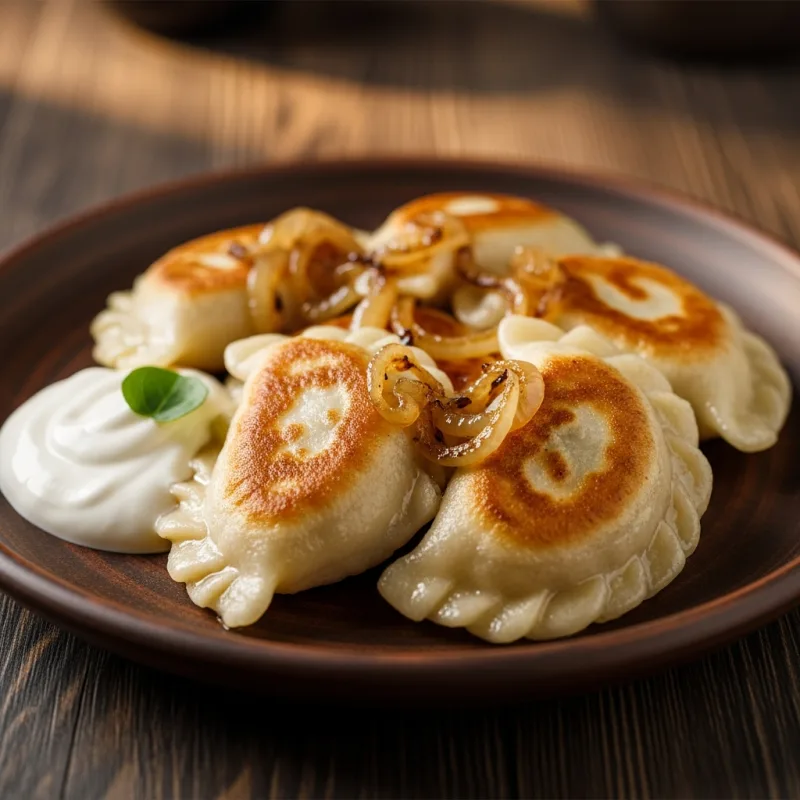
- Hearty, comforting traditional cuisine and a rapidly growing modern food scene.
- 17 UNESCO World Heritage sites, including Malbork Castle and the Wieliczka Salt Mine.
Things to Avoid
- Avoid jaywalking; police frequently issue on-the-spot fines for crossing outside designated areas or on a red light.
- Do not drink alcohol in public spaces (parks, streets), as it is illegal and strictly enforced.
- Avoid hailing unmarked taxis on the street; use official taxi ranks or ride-hailing apps.
- Refrain from discussing sensitive political or historical topics without understanding the local context.
Local Transportation Tips
Poland boasts an extensive and efficient public transportation network. The national railway provider, PKP Intercity, operates fast and comfortable trains (Express InterCity Premium) connecting major cities like Warsaw, Krakow, Gdańsk, and Wrocław. For regional travel, Polregio trains and extensive bus networks, including FlixBus, offer affordable options. Within cities, public transport is highly reliable, consisting of buses, trams, and, in Warsaw, a two-line metro system. Tickets must be purchased and validated before or immediately upon boarding. Ride-hailing apps like Uber, Bolt, and FreeNow are widely used and inexpensive.
Travel Etiquette
- It is customary to greet people with a firm handshake and maintain eye contact.
- When invited to a Polish home, it is polite to bring a small gift, such as flowers (in odd numbers), chocolates, or a bottle of wine.
- Always take off your shoes when entering someone's home unless the host explicitly tells you otherwise.
- Tipping in restaurants is generally expected to be around 10% for good service. Handing the tip directly to the server or leaving it on the table is standard.
- In churches and religious sites, dress modestly and avoid taking photos during services.
Recommended Age Group
Poland is a versatile destination that caters well to travelers of all ages, offering a mix of educational history, outdoor activities, and family-friendly attractions.
- Babies (0-2 years): Recommended. Major cities have good infrastructure, though navigating cobblestone streets in historic centers with a stroller can be challenging.
- Kids (3-12 years): Recommended. Numerous interactive museums, parks, and attractions like the Copernicus Science Centre in Warsaw or the salt mines appeal to children.
- Teens (13-19 years): Recommended. Teens will appreciate the vibrant city life, outdoor adventures in the mountains, and the profound educational value of historical sites.
- Adults (20-64 years): Recommended. Adults can fully engage with the rich history, diverse culinary scene, nightlife, and extensive hiking trails.
- Seniors (65+ years): Recommended. The country offers excellent public transport, numerous accessible cultural sites, and high-quality, affordable wellness retreats, though some medieval areas require walking on uneven surfaces.
Accessibility Level: Medium
- Major cities like Warsaw and Krakow have made significant strides in accessibility, with low-floor buses and trams widely available.
- Many top museums and modern attractions are fully wheelchair accessible, featuring ramps and elevators.
- Historic Old Towns often feature cobblestone streets, which can be difficult to navigate for wheelchair users or those with mobility issues.
- The national railway (PKP) offers assistance for travelers with disabilities, but it must be booked at least 48 hours in advance.
- Some older buildings, budget accommodations, and rural areas may lack elevators or accessible facilities.
Did You Know?
Poland is home to the Castle of the Teutonic Order in Malbork, which is the largest castle in the world by land area. Built in the 13th century, this massive brick fortress is a UNESCO World Heritage site and a stunning example of medieval defensive architecture.
Cool Statistics
- Poland has 23 National Parks, covering about 1% of the country's total area.
- The Wieliczka Salt Mine has been in operation since the 13th century and features an entire underground cathedral carved from salt.
- Białowieża Forest is one of the last and largest remaining parts of the immense primeval forest that once stretched across the European Plain.
- Poland is the world's largest exporter of amber.








Buy a compatible power adapter for your trip