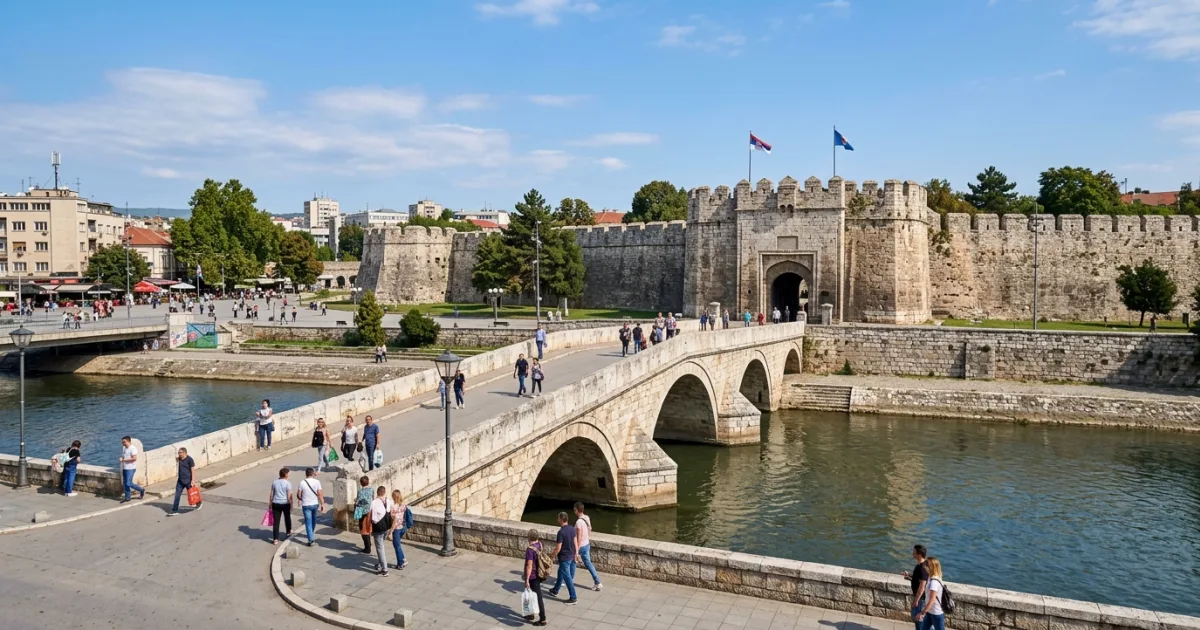
Nis serves as an indispensable cultural and economic nexus for Southern Serbia, steeped in over two millennia of European history. Situated at the crossroads of ancient military routes connecting Central Europe to Constantinople, Nis has witnessed the rise and fall of Thracian settlements, Roman empires, medieval Serbian dynasties, and centuries of Ottoman rule. This profound confluence of civilizations has produced an urban fabric characterized by classical Roman ruins, Ottoman fortifications, and 19th-century post-liberation architecture.
Beyond its monument-rich landscape, modern Nis thrives with an unpretentious, warm spirit driven by an energetic university population and a world-renowned culinary heritage. The cobblestone lane of Kazandzijsko Sokace (Tinkers Alley) preserves the artisanal ambiance of the former Ottoman bazaar, now lined with bustling cafes and open-air bars. Travelers seeking authentic Balkan warmth away from heavy international tourist crowds will find Nis an accessible, culturally rewarding, and affordable urban base.
Reasons to Visit
- Historic landmarks like Nis Fortress and the somber, singular Skull Tower (Cele Kula).
- Mediana archaeological park, preserving the lavish 4th-century summer residence of Emperor Constantine the Great.
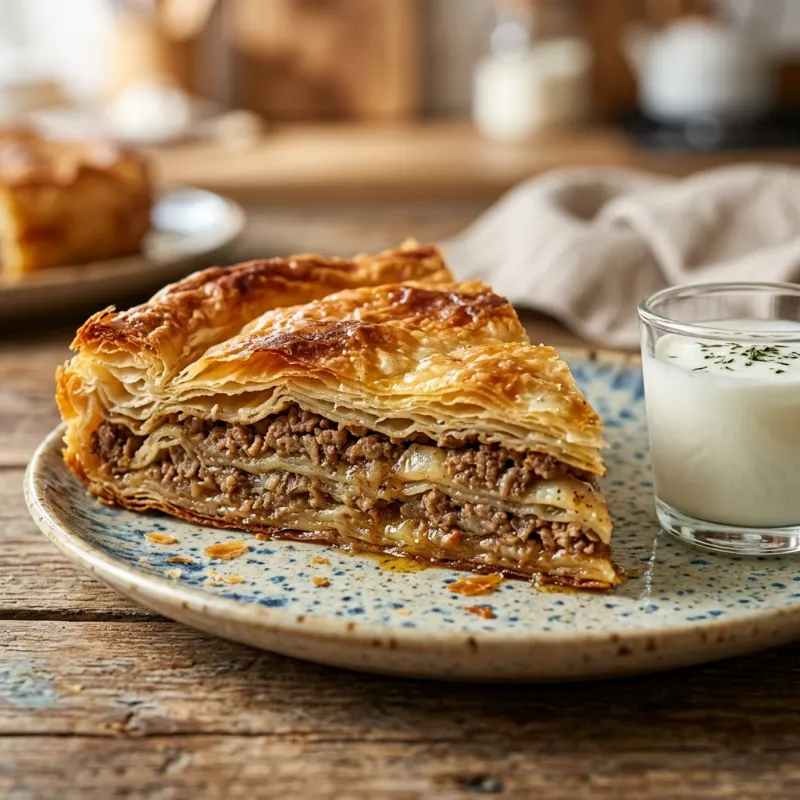
- World-class Balkan culinary culture famous for regional grilled meats, aged kajmak, and traditional burek.
- The prestigious Nisville International Jazz Festival, hosting top musicians within fortress courtyards each August.
- Exceptional affordability across accommodation, dining, and cultural attractions compared to Western and Central Europe.
Things to Avoid
- Avoid taking unmetered or unmarked cabs waiting directly in front of the central transit hubs; use official taxi ranks or call a verified radio taxi.
- Avoid skipping cash withdrawal, as traditional bakeries, produce markets, and buses rarely process payment cards.
- Avoid planning museum visits on Mondays when municipal cultural sites, including the Skull Tower and Archaeological Hall, are traditionally closed.
- Avoid rushing through meals in traditional kafanas, where dining is an unhurried, multi-hour social ritual.
Local Transportation Tips
Navigating central Nis is straightforward on foot, with most primary attractions, shopping streets, and pedestrian zones situated within walking distance of the central King Milan Square. For destinations further out, such as the Mediana archaeological site or the Skull Tower, an extensive municipal bus network runs regular routes. Tickets are inexpensive and purchased directly in cash from the ticket collector inside the vehicle. Licensed radio taxis are abundant and charge modest rates per kilometer across the urban core.
Travel Etiquette
- Greet service workers and shopkeepers with a polite 'Dobar dan' before placing orders.
- Tipping between 10% and 15% in restaurants and kafanas is customary for good service, preferably left in cash on the table.
- Show solemn respect and refrain from loud conversation or selfie photography when visiting memorial sites like Cele Kula and the Red Cross Camp.
- Dress modestly by covering bare shoulders and knees when entering Serbian Orthodox churches or active monasteries.
Recommended Age Group
Nis offers an engaging and safe environment suitable across several demographic categories, particularly travelers with an appetite for active walking and history.
- Babies (0-2 years): Neutral. Cobblestone terrain in the fortress and older streets can challenge strollers, though parks and pedestrian zones are peaceful.
- Kids (3-12 years): Neutral. Nis Fortress provides wide open park spaces and miniature train rides, but the heavier historical monuments require parental discretion.
- Teens (13-19 years): Recommended. Fascinating military and Roman history, affordable local cafes, and accessible urban exploration appeal directly to older youth.
- Adults (20-64 years): Recommended. An outstanding match for adults interested in rich historical layers, thriving nightlife, deep cafe culture, and acclaimed local gastronomy.
- Seniors (65+ years): Recommended. The flat city core, compact center, relaxed pace of daily life, and quiet park walkways provide a comfortable environment.
Accessibility Level: Medium
- The central pedestrian zone along Obrenoviceva Street and King Milan Square is paved flat and wheelchair accessible.
- Nis Fortress features wide paved central paths, though peripheral bastions and earthen ramparts feature uneven cobblestones and steep inclines.
- Public buses are a mix of modern low-floor buses and older models with step entry, making independent transit inconsistent for wheelchair users.
- Historic sites like the Skull Tower chapel feature ground-level entry, but older museums may lack elevator access to secondary floors.
Did You Know?
Nis is the birthplace of Emperor Constantine the Great (born Flavius Valerius Constantinus around 272 AD), the Roman emperor who legalized Christianity across the empire with the Edict of Milan and founded Constantinople.
Cool Statistics
- Over 2,000 years of recorded urban settlement history since its Celtic origins as Naissos.
- Home to Cele Kula (Skull Tower), originally built using 952 human skulls of fallen Serbian rebels by Ottoman forces in 1809.
- More than 50 traditional kafanas operating within the metropolitan center, preserving authentic regional recipes.
- Over 100,000 international visitors attend the annual Nisville Jazz Festival held inside the Turkish fortress walls.






Buy a compatible power adapter for your trip