Disclosure: This site contains affiliate links. We may earn a commission if you make a purchase, at no extra cost to you.

>
>
>
Aragon
Ordesa y Monte Perdido National Park in Aragon, Spain

Aragon Overview & Key Highlights

Aragon is a landlocked autonomous community in northeastern Spain, defined by its diverse landscapes ranging from the high peaks of the Pyrenees to the semi-arid steppes of the Ebro basin. The region is steeped in history, serving as the birthplace of the Kingdom of Aragon, which is reflected in its magnificent Mudéjar architecture, medieval castles like Loarre, and historic cities such as Zaragoza, Huesca, and Teruel. Travelers visiting Aragon can expect a blend of outdoor adventure and deep cultural immersion without the heavy crowds found in coastal Spain. Outdoor enthusiasts flock to Ordesa y Monte Perdido National Park for world-class hiking, while history buffs explore the UNESCO-listed Mudéjar monuments. The local gastronomy, featuring hearty dishes like Ternasco de Aragón and excellent Somontano wines, provides a rich culinary backdrop to any itinerary.

Aragon Travel Guide: Logistics & In-Depth Tips

Aragon is a captivating region in northeastern Spain that bridges the gap between the towering Pyrenees mountains and the vast Ebro river basin. Historically significant as the heart of the Crown of Aragon, the region boasts a unique architectural legacy, most notably the Mudéjar style—a UNESCO World Heritage-listed blend of Islamic and Christian design elements found prominently in Zaragoza and Teruel. Beyond its cities, Aragon is a paradise for nature lovers, offering some of the most dramatic landscapes in the Iberian Peninsula, including the glacial valleys of Ordesa y Monte Perdido National Park and the striking rock formations of Mallos de Riglos.

Reasons to Visit

  • Unspoiled Nature: Explore the breathtaking Ordesa y Monte Perdido National Park, a UNESCO World Heritage site offering world-class hiking.
  • Mudéjar Architecture: Marvel at the intricate brickwork and glazed tiles of Zaragoza and Teruel, showcasing a unique blend of Islamic and Christian art.
  • Medieval Castles: Visit the Castillo de Loarre, one of the best-preserved Romanesque fortresses in Europe.
  • Authentic Gastronomy: Savor regional specialties like Ternasco de Aragón and excellent wines from the Somontano region.
  • Fewer Crowds: Experience authentic Spanish culture and landscapes without the overwhelming tourist numbers found in coastal areas.

Things to Avoid

  • Skipping the Villages: Don't just stick to Zaragoza; the true charm of Aragon lies in its medieval villages like Albarracín and Aínsa.
  • Underestimating Distances: Aragon is vast. Avoid packing too many destinations into a single day, especially when driving through mountainous terrain.
  • Ignoring the Siesta: Many shops and smaller attractions close between 2:00 PM and 5:00 PM. Plan your activities accordingly.
  • Unprepared Hiking: The Pyrenees weather can change rapidly. Avoid hiking without proper gear, water, and checking the local weather forecast.

Local Transportation Tips

Aragon is well-connected by Spain's high-speed AVE train network, making Zaragoza easily accessible from Madrid and Barcelona. However, to truly explore the region's national parks, medieval villages, and remote castles, renting a car is highly recommended. Regional buses (Avanza and ALSA) connect major towns, but services to rural areas can be infrequent. Within Zaragoza, a reliable network of trams and local buses makes navigating the city straightforward and efficient.

Travel Etiquette

  • Greetings: A handshake is common for first meetings, while two light kisses on the cheeks (derecha, izquierda) are standard among friends and acquaintances.
  • Dining Times: Lunch is typically served between 1:30 PM and 3:30 PM, and dinner rarely starts before 8:30 PM or 9:00 PM.
  • Tipping: Tipping is not mandatory, but leaving a 5-10% tip for good service in sit-down restaurants is appreciated.
  • Church Etiquette: When visiting cathedrals and religious sites, dress modestly by covering shoulders and knees.

Recommended Age Group

Aragon offers diverse experiences suitable for almost all ages, though its rugged terrain requires some consideration.

  • Babies (0-2 years): Neutral. While cities like Zaragoza are highly accessible, the mountainous regions of the Pyrenees can be challenging to navigate with strollers.
  • Kids (3-12 years): Recommended. Children will love exploring medieval castles like Loarre and engaging in light nature walks in the national parks.
  • Teens (13-19 years): Recommended. The region offers excellent active adventures, including hiking, canyoning in Sierra de Guara, and winter skiing.
  • Adults (20-64 years): Recommended. Adults can fully appreciate the rich history, Mudéjar architecture, and the burgeoning wine scene in Somontano.
  • Seniors (65+ years): Recommended. The historic towns, accessible cultural sites in Zaragoza, and scenic drives make it a great destination for slower-paced travel.

Accessibility Level: Medium

  • Urban Areas: Major cities like Zaragoza have made significant strides in accessibility, with flat terrain, ramped curbs, and accessible public transport (trams and buses).
  • Attractions: Key sites like the Basílica del Pilar offer wheelchair access, though some older Mudéjar towers and medieval castles (like Loarre) have steep stairs and uneven terrain.
  • Nature Parks: Ordesa y Monte Perdido National Park features a few accessible trails near the visitor centers, but deeper exploration requires navigating rugged, unpaved paths.
  • Accommodation: Modern hotels in larger towns offer accessible rooms, but historic boutique hotels in rural villages may lack elevators.

Did You Know?

Did you know that the city of Teruel in Aragon is famous for the 'Lovers of Teruel' (Los Amantes de Teruel)? This tragic 13th-century romance between Isabel de Segura and Juan Diego de Marcilla is often compared to Romeo and Juliet and is celebrated annually with a massive medieval festival in the city.

Cool Statistics

  • Highest Peak: Aneto, located in the Aragonese Pyrenees, is the highest mountain in the Pyrenees at 3,404 meters (11,168 feet).
  • UNESCO Sites: Aragon is home to the Mudéjar Architecture of Aragon, a UNESCO World Heritage site comprising 10 distinct monuments.
  • Population Density: Aragon is one of the most sparsely populated regions in Spain, with just over 1.3 million residents spread across 47,720 square kilometers.
  • Wine Production: The Somontano DO (Denominación de Origen) in Aragon produces over 15 million bottles of wine annually.

Address:

Aragon, Spain

Find Nearby Accommodations

Basic Info

address icon

COUNTRY & Region

Spain,
Europe

ACCESSIBILITY LEVEL​

Medium
Currency icon

LOCAL CURRENCY​

Euro (EUR)
Price level icon
Medium
Safety Level icon

SAFETY LEVEL

Duration icon

Recommended Duration

• 1-7 days
• More than a week

Electricity

electricity icon

Electricity

220-240V, 
50Hz
Plug Socket icon

Plug Type

• Type C (Round pin)
• Type F (Two round pins with earth clips)
Plug types
Click To View Plug Types
Aragon is part of our
Slow Travel & Nature collection

Activities To Do In Aragon

Best Time To Visit Aragon

The best time to visit Aragon depends heavily on your planned activities. Spring (May to June) and Autumn (September to October) offer the most pleasant weather for exploring cities and hiking in the Pyrenees. Summer can be very hot in the lowlands like Zaragoza, but it is ideal for high-altitude trekking. Winter is perfect for skiing in resorts like Formigal and Cerler.

  • Spring (May - June): Mild temperatures, blooming landscapes, and ideal hiking conditions.
  • Summer (July - August): Hot in the valleys, but perfect for high-mountain trails and canyoning in Sierra de Guara.
  • Autumn (September - October): Crisp air, beautiful fall foliage in the national parks, and wine harvest season in Somontano.
  • Winter (December - March): Cold in the cities, but excellent for winter sports in the Aragonese Pyrenees.

Average Temperatures Per Month

Remember to check the weather forecast a few days before the trip and before heading to the airport.

Safety Level icon

Safety Level

Aragon is a very safe region for travelers. Violent crime is extremely rare. In larger cities like Zaragoza, exercise standard precautions against pickpockets in crowded areas, particularly around major tourist sites like the Basílica del Pilar and during major festivals. If hiking in the Pyrenees, always check weather conditions, inform someone of your route, and ensure you have adequate gear, as mountain weather can change rapidly.

The rating is based on multi-year peace, crime, and security indices. Before you go, always verify current conditions through official government travel advisories.

Emergency Numbers

Police: 112
Ambulance: 112

No internet needed • Includes local translations • Free for TravelingWiz readers

Spoken Languages

Spanish is the official and most widely spoken language. In some northern Pyrenean valleys, Aragonese is still spoken by a small minority. English is generally understood in major hotels and tourist areas, but less so in rural villages.

Learn The Language

  • Hola (Hello)
  • Gracias (Thank you)
  • Por favor (Please)
  • ¿Cuánto cuesta? (How much is it?)
  • La cuenta, por favor (The bill, please)
  • ¿Dónde está el baño? (Where is the bathroom?)
  • Una mesa para dos (A table for two)
  • Adiós (Goodbye)
Travel Booking Partner - TravelingWiz

Trip Cost & Budgeting for Aragon, 2026

Everything you need to know about money while traveling
Is Aragon expensive for tourists in 2026? No, Aragon is a highly affordable destination compared to other Spanish regions. Based on our Human Verified prices, you can expect to pay around 1.85 EUR for a cappuccino, 3.00 EUR for a pint of domestic beer, and about 15.00 EUR for a standard main meal in a mid-range restaurant. Use the data table below to calculate your specific daily budget based on your travel style. With TravelingWiz's Human Verified data, a typical traveler should expect to spend around $177 USD per day for a mid-range trip in Aragon. Click the Trip Cost Calculator button below the table to work out your personal budget for this trip.
Currency icon

LOCAL CURRENCY​:

Euro (EUR)
Price level icon
Medium
Credit cards are widely accepted in Aragon, but keep some cash for small tapas bars and rural villages.

Per person, per day – pocket cash for small purchases.

Local: 30
Euro (EUR)
≈ 35 USD

Full daily spend estimation (accommodation, food, transportation, attractions).

Travel Style
Euro (EUR)
≈ USD ($)
Budget
85
98
Mid-range
155
178
Comfort
340
391

The Prices, Daily costs, and calculator results are estimates for planning purposes only. Actual costs may vary based on season, booking timing, personal spending habits, and currency fluctuations. TravelingWiz cannot be held responsible for discrepancies between these estimates and your final trip expenses.

  • Order the Menú del Día (Menu of the Day) at lunchtime for a high-value, multi-course meal including wine.
  • Explore the El Tubo neighborhood in Zaragoza for affordable, high-quality tapas instead of expensive sit-down dinners.
  • Use local buses or walk to get around Zaragoza and other Aragonese towns cheaply.
  • Visit major sights like the Aljafería Palace on free or discounted entry days (often Sundays).

Pre-Order Tickets

Avoid disappointment when tickets sell out — and skip the long lines by booking online in advance. You’ll often save up to 20% too.
Save up to 20%

Travel Discounts & Coupons

Save on hotels, attractions, transport, and gear — find verified discounts for smarter travel spending.
Verified Coupons

What To Pack

  • Layered Clothing: Essential for fluctuating temperatures, especially if traveling between the Ebro valley and the Pyrenees.
  • Sturdy Hiking Boots: A must for exploring the rugged trails of Ordesa y Monte Perdido National Park.
  • Sun Protection: Sunglasses, sunscreen, and a hat are necessary for the intense Spanish sun, particularly in the summer.
  • Daypack: Useful for carrying water, snacks, and extra layers during day trips to medieval villages or nature reserves.
  • Universal Adapter: Ensure you have a Type C or Type F adapter for European outlets.
We couldn't find tips for Aragon.
If you got any, please share

Recommended Itineraries for Traveling to Aragon

We couldn't find itineraries for Aragon.
you can contact us for custom trip plan

Food & Drink Highlights

Local Food Overview

Aragonese cuisine is hearty, rustic, and deeply tied to the land. It relies heavily on high-quality local ingredients, including excellent meats, fresh vegetables from the Ebro basin, and robust olive oils. The region is particularly famous for its lamb, cured hams from Teruel, and borage (borraja), a local vegetable staple.
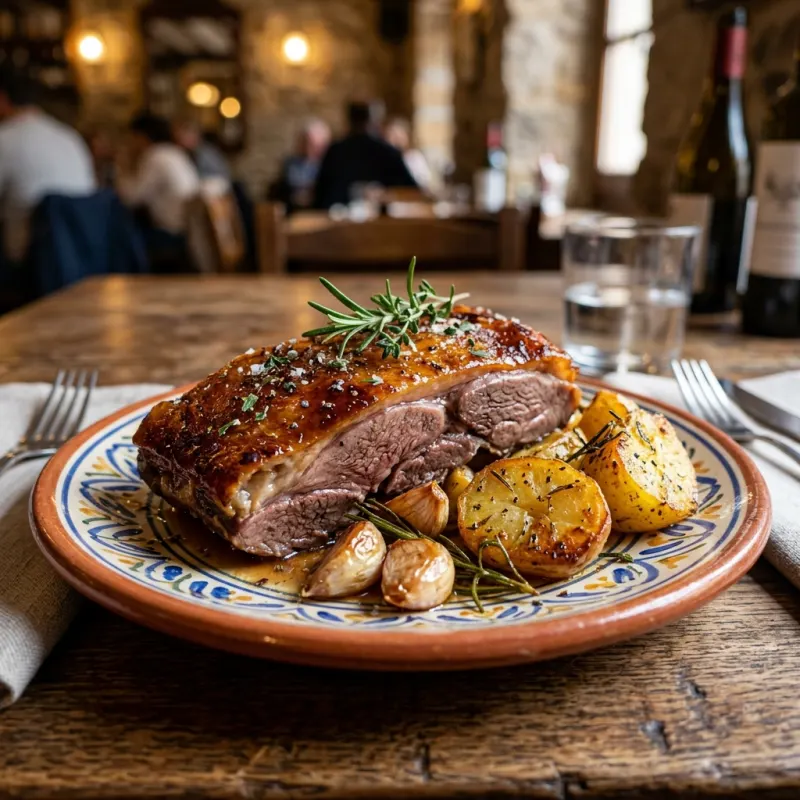
Ternasco de Aragón roasted lamb with potatoes

Must Try Dish

Ternasco de Aragón - roast lamb (prepared especially with ewes), known as ternasco. Salted cod imported from other parts of Spain was also traditionally used in some dishes such as albóndigas de bacalao.
Food Experiences Title Icon

Food
Experiences

Discover cooking classes, tastings and local food tours

No food experience found

Related Tour Guides

Mateo Ferri -tour guide
Mateo Ferri
Spain Expert
Ana Maria Galera Lopez - tour guide
Ana Maria Galera López
Spain Expert
Anabel Arco Sola - tour guide
Anabel Arco Sola
Spain Expert
Ana Maria Soler Machirant - tour guide
Ana Maria Soler Machirant
Spain Expert
Maya, the human travel expert at TravelingWiz, offering curated, non-AI expertise

Maya’s Final Checklist for Aragon

Logistics shouldn’t be the focus of your trip—the experience should. I’ve hand-vetted these essential partners to ensure your arrival, stay, and exploration are as smooth as an Athenian breeze.

Where to Stay

From boutique hotels to local apartments—compare thousands of options and find the perfect stay in the best neighborhood.

Air Travel

Getting there should be seamless. Compare the best routes and prices across top airlines to start your journey on the right note.

Local Guides

Connect with experts who know the destination best. Get personalized advice and insider tips to help you plan your perfect trip.

Travel Protection

The “Engineer’s” rule: always have a backup. Secure your trip with a plan that covers every “what if” and unexpected change.

Car Rentals

Explore at your own pace with total freedom. Compare reliable rental options and find the right vehicle for your adventure.

Visa Services

Don’t let paperwork slow you down. Get expert assistance with your application to ensure all your entry documents are in order.

FAQs

While high-speed trains connect Zaragoza to Madrid and Barcelona, renting a car is the best way to explore Aragon’s national parks, medieval villages, and remote castles.
Absolutely. Aragon is home to the Aragonese Pyrenees and Ordesa y Monte Perdido National Park, offering some of the most spectacular and diverse hiking trails in Europe.
Mudéjar architecture is a unique style found in Aragon that blends Islamic and Christian artistic elements, characterized by intricate brickwork and glazed ceramics. It is recognized as a UNESCO World Heritage site.
While English is spoken in major tourist hubs and hotels in Zaragoza, knowing basic Spanish phrases is highly recommended, especially when visiting rural villages and local restaurants.
The Fiestas del Pilar, Zaragoza’s largest and most famous festival, takes place annually in mid-October, featuring parades, concerts, and massive floral offerings to the Virgin Mary.
No, Aragon is a highly affordable region compared to many other Spanish tourist destinations. You can keep costs low by enjoying the Menú del Día at lunch or eating tapas in Zaragoza. For current price figures and detailed budget estimates, check out the Budget section on this page.
Spring from May to June and autumn from September to October offer the most pleasant weather for city sightseeing and hiking in the national parks. Summer is ideal for high-altitude mountain trekking, while winter is the best season for skiing in the Aragonese Pyrenees.
No, Aragon is part of Spain and falls within the Schengen Area. If you hold a passport from countries like the United States, Canada, or Australia, you can visit visa-free for up to 90 days within a 180-day period for tourism.
Yes, Aragon is a very safe destination with low crime rates. You should simply practice standard caution against pickpockets in crowded spots in Zaragoza. If you plan to hike in the Pyrenees, monitor mountain weather conditions and bring proper equipment.

Your Insights Matter

TravelingWiz grows through the stories of our community. If you’ve recently explored ,Aragon share your tips and stories to help us perfect our guides for the next traveler.

Related Articles

Check out our related articles and blog posts to learn even more about the destination.

No related articles found

Don’t Travel Alone

Share with your friends and family

Where should we send your offline card?

We hate spam just as much as you do

newsletter_consent *