Disclosure: This site contains affiliate links. We may earn a commission if you make a purchase, at no extra cost to you.

>
>
>
Asturias
Dramatic green cliffs and coastline of Asturias with mountains in the background

Asturias Overview & Key Highlights

Asturias is an autonomous community in northwest Spain, renowned for its rugged coastline, deep valleys, and the towering peaks of the Picos de Europa National Park. Often referred to as a 'Natural Paradise,' this region offers a stark contrast to the sun-baked south, featuring lush green landscapes, temperate climates, and a deeply rooted Celtic heritage. Visitors are drawn to its pristine beaches, such as Playa del Silencio, and historic cities like Oviedo and Gijón, which boast pre-Romanesque architecture and vibrant cultural scenes. Traveling through Asturias provides a rich sensory experience, heavily defined by its unique culinary traditions and outdoor adventures. The region is famous for its traditional cider-pouring rituals, hearty fabada asturiana bean stew, and over 40 varieties of artisanal cheese, including the pungent Cabrales. Whether hiking the Cares Gorge, exploring the coastal dinosaur footprints in Ribadesella, or walking the ancient Camino Primitivo, Asturias rewards slow travelers and nature enthusiasts with authentic, uncrowded Spanish charm.

Asturias Travel Guide: Logistics & In-Depth Tips

Asturias is a region that defies the typical Spanish stereotypes of flamenco and sun-drenched plains. Instead, it offers a dramatic, emerald-green landscape shaped by the Cantabrian Sea and the towering limestone peaks of the Picos de Europa. This is a land where ancient Celtic roots are still visible in the local folklore, the sound of bagpipes, and the pre-Romanesque churches that dot the hillsides around the capital, Oviedo.

The coastline, known as the Costa Verde, stretches for over 300 kilometers and is punctuated by hidden coves, dramatic cliffs, and charming fishing villages like Cudillero and Llanes. Inland, the landscape transitions into deep valleys and dense forests, home to brown bears and wolves in reserves like Somiedo. Whether you are navigating the winding mountain roads, surfing the Atlantic swells, or simply enjoying a leisurely lunch in a traditional 'chigre' (cider house), Asturias offers an authentic, slow-paced travel experience that captivates nature lovers and gastronomes alike.

Reasons to Visit

  • Picos de Europa National Park: Spain's first national park offers world-class hiking, dramatic gorges, and stunning alpine scenery.
  • Unique Culinary Culture: Experience the theatrical pouring of natural cider and taste over 40 varieties of local cheese, including the famous blue Cabrales.
  • Pre-Romanesque Architecture: Discover UNESCO World Heritage sites in and around Oviedo that date back to the 9th century.
  • Wild Coastlines: Explore over 200 beaches, ranging from expansive sandy bays for surfing to hidden, cliff-backed coves.
  • Cool Summer Climate: A perfect 'coolcation' destination to escape the intense summer heat of southern Europe.

Things to Avoid

  • Underestimating mountain weather: The Picos de Europa can experience sudden fog and temperature drops; always pack layers and check forecasts.
  • Expecting Mediterranean heat: The 'Costa Verde' is green for a reason—expect occasional rain even in summer.
  • Drinking cider like beer: Do not pour a full glass of sidra yourself; let the waiter pour it from a height in small, single-gulp doses.
  • Rushing the experience: Asturias is a slow-travel destination; avoid packing too many locations into one day due to winding mountain roads.

Local Transportation Tips

The ALSA bus network is the most extensive public transport option, connecting major cities, coastal towns, and some mountain villages. The FEVE narrow-gauge railway offers incredibly scenic, albeit slow, journeys along the coast. However, to truly experience the hidden gems, remote beaches, and trailheads of Asturias, renting a car is highly recommended. Roads are generally well-maintained, though mountain passes can be narrow and winding.

Travel Etiquette

  • Cider Sharing: In traditional settings, a single cider glass is shared among the group. Drink your poured portion immediately and hand the glass back to the pourer.
  • Greeting: A friendly 'Hola' or 'Buenos días' when entering small shops or rural taverns is expected and appreciated.
  • Tipping: Tipping is not mandatory but leaving small change or rounding up the bill (5-10%) in restaurants is common for good service.
  • Respecting Nature: When hiking in natural parks, stick to marked trails, take all trash with you, and do not disturb local wildlife or livestock.

Recommended Age Group

Asturias offers a diverse range of activities suitable for almost all ages, from gentle coastal walks to challenging mountain hikes.

  • Babies (0-2 years): Neutral. While the fresh air is great, navigating historic cobblestone streets and rugged mountain trails with a stroller can be challenging.
  • Kids (3-12 years): Recommended. Children will love the dinosaur footprints at Ribadesella, interactive mining museums, and safe, sandy beaches.
  • Teens (13-19 years): Recommended. Excellent opportunities for active adventures like surfing in Salinas, canoeing the Sella River, and hiking.
  • Adults (20-64 years): Recommended. Perfect for foodies, hikers, and culture enthusiasts looking to explore cider houses, cheese caves, and the Picos de Europa.
  • Seniors (65+ years): Recommended. The region offers scenic drives, accessible coastal towns, and rich cultural heritage sites that can be enjoyed at a relaxed pace.

Accessibility Level: Medium

  • Major cities like Oviedo and Gijón have made significant strides in accessibility, with flat pedestrian zones, ramped curbs, and accessible museums.
  • Many of the coastal promenades (sendas costeras) are paved and flat, making them suitable for wheelchair users.
  • Public transport, including modern ALSA buses and city buses, generally feature ramps and designated wheelchair spaces.
  • Accessing remote mountain trails, historic pre-Romanesque churches on hillsides, and traditional rural taverns may present significant mobility challenges due to uneven terrain and lack of modern adaptations.

Did You Know?

Asturias is home to Playa de Gulpiyuri, a flooded sinkhole with an inland beach located over 100 meters from the sea. It is fully tidal, receiving water through a network of underground caves, making it one of the most unique beaches in the world.

Cool Statistics

  • Asturias produces over 40 distinct varieties of artisanal cheese, earning it the nickname 'The Land of Cheeses'.
  • The region boasts over 345 kilometers of coastline and more than 200 individual beaches.
  • The Picos de Europa was designated as Spain's first National Park in 1918.
  • Asturias is one of the last remaining habitats for the endangered Cantabrian brown bear.

Address:

Asturias, Spain

Find Nearby Accommodations

Basic Info

address icon

COUNTRY & Region

Spain,
Europe

ACCESSIBILITY LEVEL​

Medium
Currency icon

LOCAL CURRENCY​

Euro (EUR)
Price level icon
Medium
Safety Level icon

SAFETY LEVEL

Duration icon

Recommended Duration

• 1-7 days
• More than a week

Electricity

electricity icon

Electricity

220-240V, 
50Hz
Plug Socket icon

Plug Type

• Type C (Round pin)
• Type F (Two round pins with earth clips)
Plug types
Click To View Plug Types
Asturias is part of our
Coolcation collection

Activities To Do In Asturias

Best Time To Visit Asturias

The best time to visit Asturias is during the summer and early autumn months, when the weather is warmest and rainfall is at its lowest.

  • June to September: Ideal for hiking, beachgoing, and outdoor festivals. Temperatures range from 20°C to 25°C (68°F to 77°F).
  • October: Great for autumn foliage in the natural parks and fewer crowds, though rain becomes more frequent.
  • Winter (December to February): Cold and wet, but perfect for enjoying hearty local stews and visiting uncrowded museums. Snow is common in the high mountains.

Average Temperatures Per Month

Remember to check the weather forecast a few days before the trip and before heading to the airport.

Safety Level icon

Safety Level

Asturias is exceptionally safe, with very low crime rates. Standard precautions against pickpocketing should be taken in crowded areas of Oviedo or Gijón. When hiking in the Picos de Europa, always check weather conditions, as mountain weather can change rapidly, and inform someone of your route.

The rating is based on multi-year peace, crime, and security indices. Before you go, always verify current conditions through official government travel advisories.

Emergency Numbers

Police: 112
Ambulance: 112

No internet needed • Includes local translations • Free for TravelingWiz readers

Spoken Languages

Spanish is the official and most widely spoken language. Asturian (Bable) is also spoken and recognized as a traditional language, often seen on bilingual road signs. English is understood in major tourist areas and hotels, but less so in rural villages.

Learn The Language

  • Hola (Hello)
  • Gracias (Thank you)
  • Por favor (Please)
  • ¿Cuánto cuesta? (How much is it?)
  • Una sidra, por favor (A cider, please)
  • ¿Dónde está el baño? (Where is the bathroom?)
  • Adiós (Goodbye)
  • La cuenta, por favor (The bill, please)
Travel Booking Partner - TravelingWiz

Trip Cost & Budgeting for Asturias, 2026

Everything you need to know about money while traveling
Is Asturias expensive for tourists in 2026? No, Asturias remains a highly affordable destination in Spain. Based on our Human Verified prices, you can expect to pay around 1.80 EUR for a coffee, 3.00 EUR for a domestic beer, and about 20.00 EUR for a hearty meal at a mid-range restaurant. Daily expenses are very reasonable compared to other European regions. Use the data table below to calculate your specific daily budget based on your travel style. With TravelingWiz's Human Verified data, a typical traveler should expect to spend around $143 USD per day for a mid-range trip in Asturias. Click the Trip Cost Calculator button below the table to work out your personal budget for this trip.
Currency icon

LOCAL CURRENCY​:

Euro (EUR)
Price level icon
Medium
Credit cards are widely accepted in Asturias, but keep some cash handy for small villages and cider houses.

Per person, per day – pocket cash for small purchases.

Local: 25
Euro (EUR)
≈ 29 USD

Full daily spend estimation (accommodation, food, transportation, attractions).

Travel Style
Euro (EUR)
≈ USD ($)
Budget
70
81
Mid-range
125
144
Comfort
280
322

The Prices, Daily costs, and calculator results are estimates for planning purposes only. Actual costs may vary based on season, booking timing, personal spending habits, and currency fluctuations. TravelingWiz cannot be held responsible for discrepancies between these estimates and your final trip expenses.

  • Look for the "Menú del Día" (menu of the day) at lunchtime, which offers a hearty two-course meal, drink, and dessert for just €10 to €15.
  • Rent a car to explore the region, as public transport to remote beaches, mountain trails, and small villages is highly limited.
  • Visit local "sidrerías" (cider houses) for affordable, authentic Asturian food and reasonably priced natural cider poured in the traditional style.
  • Travel during the shoulder seasons of late spring or early autumn to secure significantly lower rates on accommodations and car rentals.

Pre-Order Tickets

Avoid disappointment when tickets sell out — and skip the long lines by booking online in advance. You’ll often save up to 20% too.
Save up to 20%

Travel Discounts & Coupons

Save on hotels, attractions, transport, and gear — find verified discounts for smarter travel spending.
Verified Coupons

What To Pack

  • Lightweight rain jacket or windbreaker, as the northern climate can be unpredictable.
  • Sturdy hiking boots for exploring the Picos de Europa and coastal trails.
  • Layers, including a warm fleece or sweater for cool evenings.
  • Swimwear and a quick-dry towel for the Cantabrian Sea beaches.
  • A reusable water bottle for mountain hikes.
  • European plug adapter (Type C or F).
We couldn't find tips for Asturias.
If you got any, please share

Recommended Itineraries for Traveling to Asturias

We couldn't find itineraries for Asturias.
you can contact us for custom trip plan

Food & Drink Highlights

Local Food Overview

Asturian cuisine is hearty, rustic, and deeply connected to its agricultural and maritime roots. The region is famous for its rich stews, exceptional seafood from the Cantabrian Sea, and an astonishing variety of artisanal cheeses. Meals are almost always accompanied by Sidra (natural apple cider), which is dramatically poured from a height to aerate the liquid.
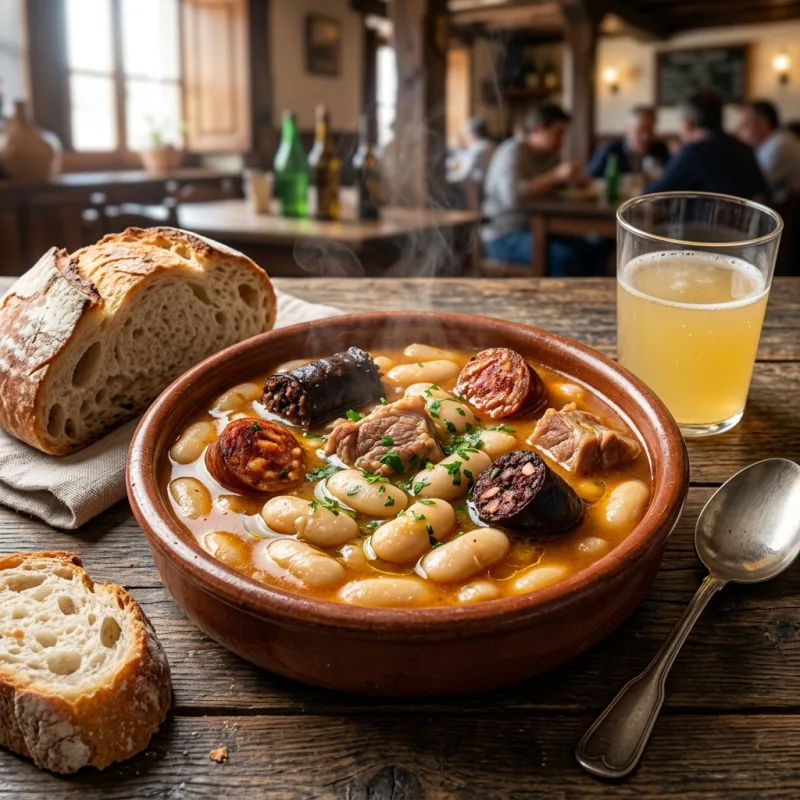
A traditional clay bowl filled with Fabada Asturiana bean stew

Must Try Dish

Fabada Asturiana - A rich, slow-cooked stew made with large, buttery white faba beans, chorizo, morcilla (blood sausage), and pork shoulder. It is the ultimate comfort food of the region, perfect after a long day of hiking in the mountains.
Food Experiences Title Icon

Food
Experiences

Discover cooking classes, tastings and local food tours

No food experience found

Related Tour Guides

Mateo Ferri -tour guide
Mateo Ferri
Spain Expert
Ana Maria Galera Lopez - tour guide
Ana Maria Galera López
Spain Expert
Anabel Arco Sola - tour guide
Anabel Arco Sola
Spain Expert
Ana Maria Soler Machirant - tour guide
Ana Maria Soler Machirant
Spain Expert
Maya, the human travel expert at TravelingWiz, offering curated, non-AI expertise

Maya’s Final Checklist for Asturias

Logistics shouldn’t be the focus of your trip—the experience should. I’ve hand-vetted these essential partners to ensure your arrival, stay, and exploration are as smooth as an Athenian breeze.

Where to Stay

From boutique hotels to local apartments—compare thousands of options and find the perfect stay in the best neighborhood.

Air Travel

Getting there should be seamless. Compare the best routes and prices across top airlines to start your journey on the right note.

Local Guides

Connect with experts who know the destination best. Get personalized advice and insider tips to help you plan your perfect trip.

Travel Protection

The “Engineer’s” rule: always have a backup. Secure your trip with a plan that covers every “what if” and unexpected change.

Car Rentals

Explore at your own pace with total freedom. Compare reliable rental options and find the right vehicle for your adventure.

Visa Services

Don’t let paperwork slow you down. Get expert assistance with your application to ensure all your entry documents are in order.

FAQs

While public buses and trains connect major cities like Oviedo, Gijón, and Avilés, renting a car is highly recommended to explore the remote beaches, mountain trailheads, and rural villages at your own pace.
Asturian cider (sidra) must be ‘escanciada’ (poured from a height) to aerate it. You are served a small amount in a wide glass, which you should drink immediately in one gulp before it loses its fizz. It is customary to leave a tiny drop in the glass to pour out on the floor, cleaning the rim for the next person, as glasses are traditionally shared.
Yes, but with a caveat. Asturias has some of the most beautiful, wild beaches in Spain (like Playa de Gulpiyuri and Playa del Silencio). However, the Cantabrian Sea is colder than the Mediterranean, and the weather can be variable, making it better for scenic walks, surfing, and nature appreciation rather than guaranteed sunbathing.
The best time to visit is from June to September, when temperatures are pleasant and rainfall is at its lowest. This period is ideal for hiking in the Picos de Europa, enjoying coastal walks, and attending outdoor summer festivals. October offers beautiful autumn foliage in the natural reserves, though you should expect cooler temperatures and more frequent rain.
No, Asturias is one of the more affordable regions in Spain. Dining out at local taverns, visiting cider houses, and finding lodging are generally less expensive than in major Mediterranean hotspots. For detailed, up-to-date pricing on daily expenses, meals, and accommodations, please check the Budget section on this page.
Yes, Asturias is exceptionally safe with very low crime rates throughout the region. Standard precautions against pickpocketing should still be taken in crowded areas of Oviedo and Gijón. If you plan to hike in the Picos de Europa, always monitor mountain weather closely, stay on marked trails, and inform someone of your planned route before setting off.

Your Insights Matter

TravelingWiz grows through the stories of our community. If you’ve recently explored ,Asturias share your tips and stories to help us perfect our guides for the next traveler.

Related Articles

Check out our related articles and blog posts to learn even more about the destination.

No related articles found

Don’t Travel Alone

Share with your friends and family

Where should we send your offline card?

We hate spam just as much as you do

newsletter_consent *