Disclosure: This site contains affiliate links. We may earn a commission if you make a purchase, at no extra cost to you.
Formentera

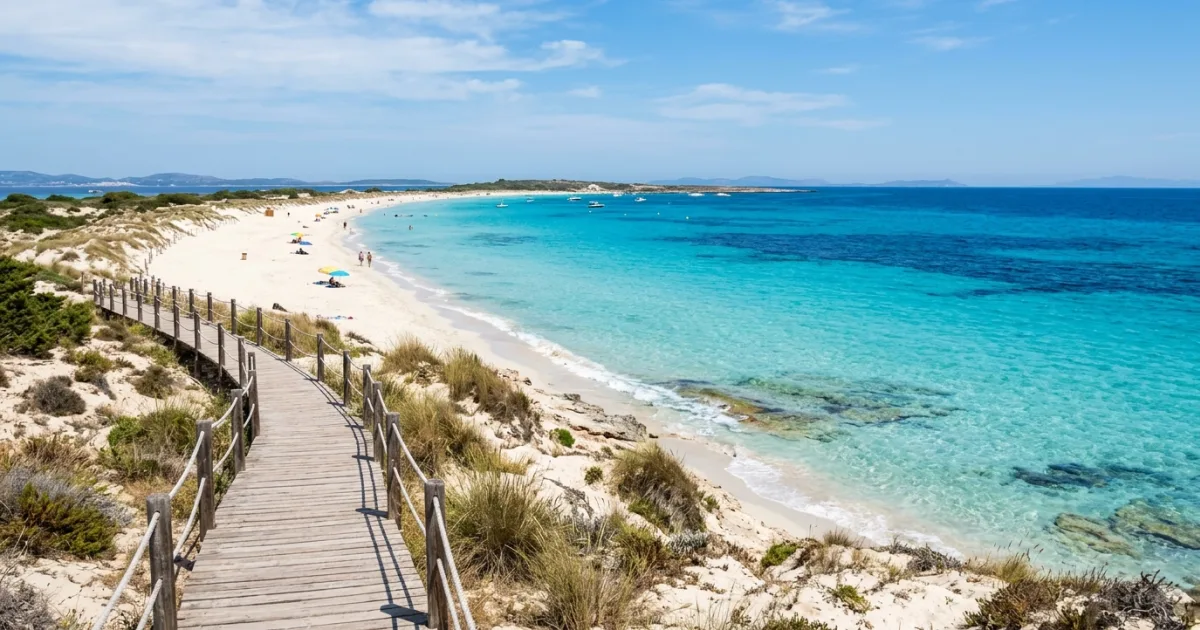
Turquoise waters and white sand dunes at Platja de Ses Illetes in Formentera

Basic Info

COUNTRY & Region

Spain,
Europe

ACCESSIBILITY LEVEL​

  • High: Widely accessible with good facilities for disabilities.
  • Medium: Some accessible options, but limitations exist.
  • Low: Limited accessibility; many barriers for disabilities.
Medium

LOCAL CURRENCY​

Euro (EUR)

Price Level

Low – budget‑friendly basics

Medium – moderate mid‑range costs

High – pricey lodging, dining & transport

High

SAFETY LEVEL

5 shields = Excellent – very low crime or conflict.

4 shields = Safe – low risk, routine care.

3 shields = Relatively safe – use normal street smarts.

2 shields = Use caution – higher crime or periodic unrest.

1 shields = Avoid – active conflict or extreme danger.

Scores are derived from multi-year peace, homicide and security indices blended into a single 1-to-5 scale.

Recommended Duration

1-7 days, Full day

Formentera Overview & Key Highlights

Formentera is the smallest and most southern of Spain's Balearic Islands, reachable solely by sea from neighboring Ibiza. Renowned for its crystalline Caribbean-like waters, pristine white-sand dune systems, and protected Posidonia oceanica seagrass meadows, the island preserves an unhurried, bohemian rhythm distinct from the rest of the archipelago. High-rise developments are strictly forbidden here, leaving dramatic limestone capes, pine forests, and rustic dry-stone walls to define the low-slung Mediterranean topography. Travelers navigate the island primarily by bicycle, electric scooter, or small vehicle along designated green routes (rutes verdes) connecting coastal villages and historic defensive towers. Days revolve around tranquil beach excursions at Platja de Ses Illetes and Migjorn, fresh seafood lunches at beachfront chiringuitos, and evening gatherings beneath the historic lighthouses of Cap de Barbaria and Far de la Mola. Formentera's steadfast environmental regulations ensure that its fragile ecosystems and untamed coastal beauty remain safeguarded for discerning visitors seeking genuine slow travel.

Formentera Travel Guide: Logistics & In-Depth Tips

Formentera represents the tranquil soul of the Balearic archipelago. Stretched across just eighty-three square kilometers, this flat and sun-drenched sanctuary balances untamed nature with refined Mediterranean simplicity. Unlike its neighboring island Ibiza, Formentera has consistently prioritized ecological stewardship over mass tourism and nightlife, preserving sweeping coastlines bordered by fragrant sabina junipers and pine groves.

The island's identity is defined by its vibrant fishing heritage, iconic lighthouses, and network of historic rural paths known as rutes verdes. Visitors spend days exploring scenic stretches of sand, dipping into turquoise waters protected by ancient Posidonia seagrass, and discovering whitewashed villages like Sant Francesc Xavier and El Pilar de la Mola. With strict restrictions on building development and summer vehicle traffic, Formentera maintains an authentic atmosphere of peaceful coastal seclusion.

Reasons to Visit

  • Unmatched marine clarity at Platja de Ses Illetes and Caló des Mort, rivaling tropical destinations.
  • An extensive network of over 30 marked cycling trails that make exploring the island on two wheels effortless.
  • Spectacular cliffside sunsets and panoramic coastal views from Cap de Barbaria and Far de la Mola lighthouses.
  • Refined farm-to-table and seafood dining at open-air seaside restaurants and authentic village taverns.
  • Strict ecological policies and protected marine habitats that support world-class snorkeling and diving.

Things to Avoid

  • Avoid driving without checking vehicle reservation quotas during peak summer regulations (formentera.eco).
  • Do not anchor boats directly over Posidonia oceanica meadows; anchoring is monitored and carries heavy fines.
  • Avoid visiting the popular beach of Ses Illetes during midday without sun protection, as natural shade is nonexistent.
  • Do not disturb or cross protected coastal sand dunes outside of designated wooden boardwalks.

Local Transportation Tips

Formentera is best traversed by bicycle, e-bike, or small scooter due to short distances and level terrain. Rental kiosks are clustered conveniently around the ferry terminal at La Savina port. Regular public buses connect the port with major towns and beaches such as Es Pujols, Sant Francesc, and Migjorn. Taxis operate across the island, and shared electric vehicles can be booked via local apps for those requiring enclosed transportation.

Travel Etiquette

  • Respect the fragile coastal ecology by staying on designated wooden pathways to prevent dune erosion.
  • Dress casually yet respectfully; beachwear and swimwear are strictly meant for beaches and pools, not town centers or churches.
  • Learn a few polite Catalan or Spanish greetings when entering local shops and family-run restaurants.
  • Embrace the slow pace of service at island venues, particularly during the warm midday hours.

Recommended Age Group

Formentera offers serene coastal landscapes and outdoor leisure suitable for many travelers, though access logistics require consideration.

  • Babies (0-2 years): Neutral. Shaded areas are scarce on natural beaches, and ferry transfers add transit complexity, though tranquil waters are gentle for toddlers.
  • Kids (3-12 years): Recommended. Shallow, calm beaches such as Ses Illetes and Es Pujols offer safe swimming and clear waters for beginner snorkeling.
  • Teens (13-19 years): Recommended. Active teenagers will enjoy paddleboarding, snorkeling, cycling along designated coastal tracks, and exploring beach coves.
  • Adults (20-64 years): Recommended. Perfect demographic for coastal relaxation, cycling, boutique dining, sailing charters, and peaceful wellness escapes.
  • Seniors (65+ years): Recommended. Flat geography, leisurely village strolls, and mild climate make the island very attractive for mature travelers seeking quiet relaxation.

Accessibility Level: Medium

  • Wooden boardwalks provide accessible access to prominent beaches including Ses Illetes and parts of Platja de Migjorn.
  • Amphibious wheelchairs and assisted swimming services are provided by municipal lifeguards at designated beaches during the summer peak.
  • Passenger ferries from Ibiza offer roll-on wheelchair ramps and accessible main-deck seating.
  • Historic cobblestone streets in rural villages may present slight obstacles, though central pedestrian paths in Sant Francesc are generally flat.

Did You Know?

The underwater Posidonia oceanica meadow between Ibiza and Formentera is part of an ancient organism estimated to be over 100,000 years old, making it one of the oldest living beings on Earth and a key contributor to the island's UNESCO World Heritage status.

Cool Statistics

  • 83.2 square kilometers total land area, making it easily crossed from end to end in under 45 minutes.
  • Over 32 designated 'Green Routes' (Rutes Verdes) totaling more than 100 kilometers of cycling and walking paths.
  • Zero international airports, ensuring visitor arrivals remain maritime-only.

Address:

Formentera, Spain

Find Nearby Accommodations

Electricity

220-240V, 
50Hz

Plug Type

Type C (Round pin), Type F (Two round pins with earth clips)
Plug types
Click To View Plug Types
Formentera is part of our
Solo Female Friendly collection

Activities To Do In Formentera

Best Time To Visit Formentera

Formentera features a classic Mediterranean climate characterized by long, hot summers and mild, quiet winters.

  • May to June: Excellent for warm sunny weather, blooming flora, and manageable crowd levels before peak summer arrivals.
  • July to August: Hottest sea temperatures and lively beach clubs, though advance bookings for vehicles and lodging are critical.
  • September to October: Ideal sea temperatures, reduced visitor density, and pleasant conditions for hiking and cycling.
  • November to April: Quiet off-season when many establishments close; suited strictly for solitary retreats and peaceful coastal walks.

Average Temperatures Per Month

Average monthly temperaturesMonthly source values, with Celsius and Fahrenheit equivalents in the following data table.5°41°13°55°20°68°28°82°35°95°JanJan: 14°C / 57°FFebFeb: 14°C / 57°FMarMar: 15°C / 59°FAprApr: 16°C / 61°FMayMay: 19°C / 66°FJunJun: 22°C / 72°FJulJul: 25°C / 77°FAugAug: 26°C / 79°FSepSep: 25°C / 77°FOctOct: 22°C / 72°FNovNov: 19°C / 66°FDecDec: 16°C / 61°F
View temperature data
Average monthly temperatures
Month°C°F
Jan1457
Feb1457
Mar1559
Apr1661
May1966
Jun2272
Jul2577
Aug2679
Sep2577
Oct2272
Nov1966
Dec1661

Remember to check the weather forecast a few days before the trip and before heading to the airport.

Safety Level

5 shields = Excellent – very low crime or conflict.

4 shields = Safe – low risk, routine care.

3 shields = Relatively safe – use normal street smarts.

2 shields = Use caution – higher crime or periodic unrest.

1 shields = Avoid – active conflict or extreme danger.

Scores are derived from multi-year peace, homicide and security indices blended into a single 1-to-5 scale.

Formentera has an exceptionally low crime rate, making it one of Spain's safest destinations. The primary concerns involve strong offshore currents and rip tides at exposed beaches like Migjorn, where visitors should strictly observe maritime warning flags. Cyclists should remain vigilant on narrow shared rural roads, wear helmets, and always hydrate to prevent heat exhaustion during summer cycling trips.

The rating is based on multi-year peace, crime, and security indices. Before you go, always verify current conditions through official government travel advisories.

Emergency Numbers

Police: 112
Ambulance: 061

No internet needed • Includes local translations • Free for TravelingWiz readers

Spoken Languages

Catalan (local dialect Formenterer) and Spanish are official languages; English and Italian are widely spoken in hospitality venues.
Travel Booking Partner - TravelingWiz

Learn The Language

  • Bon dia – Good morning (Catalan)
  • Hola – Hello (Spanish)
  • Si us plau – Please (Catalan)
  • Por favor – Please (Spanish)
  • Gràcies – Thank you (Catalan)
  • Adéu – Goodbye (Catalan)
  • Quant costa? – How much does it cost? (Catalan)
  • El compte, si us plau – The bill, please (Catalan)

Trip Cost & Budgeting for Formentera, 2026

Everything you need to know about money while traveling
Is Formentera expensive for tourists in 2026? Yes, Formentera is one of the pricier island destinations in the Mediterranean. Thanks to our Human Verified prices, you can plan your daily expenses with clarity. Expect to pay around €3.00 for a coffee, €4.50 for a domestic beer, and €30.00 for a mid-range meal. High accommodation demand and ferry logistics push overall costs up. Use the data table below to calculate your specific daily budget based on your travel style.

LOCAL CURRENCY​:

Euro (EUR)

Price Level:

Low – budget‑friendly basics

Medium – moderate mid‑range costs

High – pricey lodging, dining & transport

High

Cards Vs. Cash

Credit cards are widely accepted everywhere, but keeping some cash is handy for beach kiosks and tips.

How Much Cash to Carry (on you)

Per person, per day – pocket cash for small purchases.

Local: 17
Euro (EUR)
≈ 19 USD

Average Daily Costs (per person)

Full daily spend estimation (accommodation, food, transportation, attractions).

Travel Style
Euro (EUR)
≈ USD ($)
Budget
90
99
Mid-range
165
181
Comfort
360
395
Note

The Prices, Daily costs, and calculator results are estimates for planning purposes only. Actual costs may vary based on season, booking timing, personal spending habits, and currency fluctuations. TravelingWiz cannot be held responsible for discrepancies between these estimates and your final trip expenses.

Best Value Tips

  • Book ferry tickets online in advance to save on round-trip fares between Ibiza and Formentera.
  • Rent a bicycle or scooter instead of relying on expensive taxis to explore the island.
  • Eat lunch away from beachfront clubs in inland villages like Sant Francesc or Sant Ferran.
  • Travel during shoulder months like May or September for significantly lower accommodation rates.

Tours & Tickets

Explore tours, attractions, and ticket options to plan your visit.
Plan ahead

Travel Offers & Coupons

Browse travel offers and coupons from our affiliate partners.
Affiliate partner offers

What To Pack

  • Reef-safe biodegradable sunscreen to safeguard Posidonia seagrass reserves.
  • Wide-brimmed sun hat and UV-protective sunglasses for high solar exposure.
  • Lightweight, breathable linen clothing and casual resort wear.
  • Comfortable walking sandals and sturdy water shoes for rocky coastal inlets.
  • Reusable insulated water bottle to stay hydrated during cycling journeys.
  • Windbreaker or light sweater for breezy coastal evenings and boat transits.
  • Snorkel and mask to explore clear offshore marine habitats.
  • Small daypack or basket-friendly tote for bicycle day trips.
Only the good stuff!
Browse recommended travel gear
Check out our free packing list tool

Recommended Itineraries for Traveling to Formentera

Take your itinerary with you

Choose a ready-made itinerary, plan your own trip, and keep TravelingWiz by your side while you travel.

Get the TravelingWiz app

Food & Drink Highlights

Local Food Overview

Gastronomy in Formentera is intimately tied to sustainable maritime tradition and dry-land farming. Menus highlight pristine catches of lobster, red mullet, and scorpion fish, traditionally prepared with Mediterranean olive oils, sun-ripened tomatoes, and locally harvested sea salt from the Ses Salines natural park. Traditional rural recipes feature dried fish, locally produced goat and sheep cheeses, sweet honey, and aromatic wild herbs like rosemary and thyme, accompanied by earthy Balearic wines.

Must Try Dish

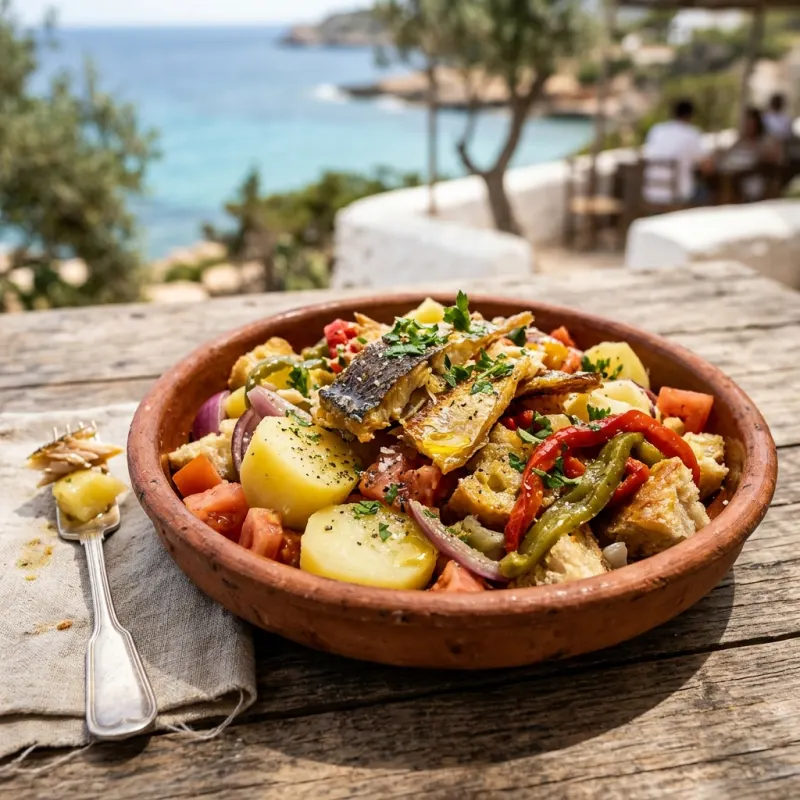
Ensalada Payesa - A quintessential rustic island salad featuring flakes of sun-dried fish (peix sec), boiled potatoes, sweet red peppers, ripe tomatoes, and twice-baked crusty bread (bescuit) softened in rich extra virgin olive oil.
Authentic Balearic Ensalada Payesa with sun-dried fish and vegetables

Maya’s Final Checklist for Formentera

Logistics shouldn’t be the focus of your trip—the experience should. I’ve hand-vetted these essential partners to ensure your arrival, stay, and exploration are as smooth as an Athenian breeze.

Maya, the human travel expert at TravelingWiz, offering curated, non-AI expertise

Where to Stay

Compare accommodation options and choose a stay that suits your plans and budget.

Air Travel

Compare flight options and find a route that fits your plans.

Local Guides

Connect with local guides for personalized help planning and exploring.

Travel Protection

The “Engineer’s” rule: always have a backup. Secure your trip with a plan that covers every “what if” and unexpected change.

Car Rentals

Compare rental options and choose a car that suits your trip.

Visa Information

Don’t let paperwork slow you down. Get expert assistance with your application to ensure all your entry documents are in order.

FAQs

Formentera has no commercial airport. Travelers must fly into Ibiza Airport (IBZ), take a taxi or bus to Ibiza Port, and board a fast passenger ferry, which takes approximately 30 to 35 minutes to arrive at La Savina port in Formentera.
Yes, but during the summer months (June to September), motor vehicle access is restricted and regulated through the ‘formentera.eco’ permit system. Visitors bringing a car or scooter must register in advance and pay an environmental fee, which makes renting an e-bike or bicycle upon arrival a popular and eco-friendly alternative.
The crystalline clarity and turquoise color of the sea are produced by extensive underwater meadows of Posidonia oceanica (Neptune grass), a UNESCO World Heritage-listed marine plant that filters water, produces oxygen, and traps sedimentation.

Your Insights Matter

TravelingWiz grows through the stories of our community. If you’ve recently explored ,Formentera share your tips and stories to help us perfect our guides for the next traveler.

Where should we send your offline card?

We hate spam just as much as you do

newsletter_consent *