Mallorca stands out as the largest of Spain's Balearic Islands, presenting an extraordinary contrast between cosmopolitan coastal elegance and untamed natural beauty. The island spans over 3,600 square kilometers, anchored by the historic capital of Palma with its soaring waterfront cathedral and labyrinthine old quarter. Moving inland, the landscape unfolds into sweeping plains known as Es Pla, peppered with historic windmills, stone villages, and working vineyards that have produced indigenous grape varieties such as Callet and Manto Negro for centuries.
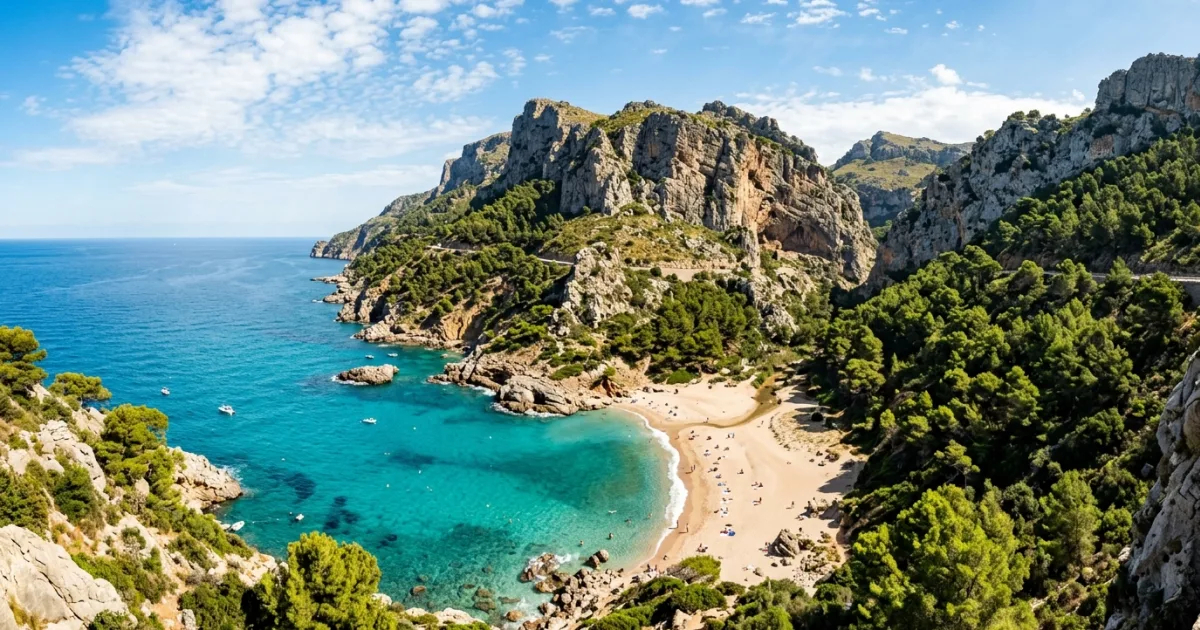
To the northwest, the Serra de Tramuntana mountain range forms a protective spine against northern winds, rising abruptly from the Mediterranean Sea. This UNESCO World Heritage cultural landscape is marked by centuries-old dry-stone terrace walls, olive groves planted by the Moors, and postcard-perfect mountain hamlets like Valldemossa, Deià, and Fornalutx. From scenic coastal road loops to remote turquoise calas hidden below pine-covered cliffs, Mallorca offers an inexhaustible variety of Mediterranean experiences.
Reasons to Visit
- Diverse coastal landscapes featuring over 260 distinct beaches and turquoise rocky calas.
- The UNESCO-listed Serra de Tramuntana mountain range, world-renowned for road cycling and hiking.
- The architectural splendor of Palma, featuring Antoni Gaudí's interior additions to La Seu Cathedral.
- Idyllic historic villages with rich literary and musical legacies, including Deià and Valldemossa.
- Exceptional farm-to-table culinary scenes ranging from Michelin-starred fine dining to traditional celler restaurants.
Things to Avoid
- Avoid driving large SUVs or wide vans into narrow mountain village centers like Fornalutx or Deià, where streets are extremely narrow and parking is restricted.
- Do not ignore red beach warning flags; rip currents around open-sea coves can be dangerously powerful.
- Avoid booking coastal accommodations without checking parking availability if you plan to rent a vehicle.
- Do not rely solely on spontaneous beach reservations in peak summer months for popular spots like Caló des Moro.
Local Transportation Tips
The public transport network (TIB) operates modern, air-conditioned buses and interurban trains connecting Palma with major towns such as Inca, Manacor, and Sa Pobla. TIB allows contactless tap-on and tap-off payment with standard bank cards, providing automatic discounts for multiple passengers traveling together. For navigating between secluded calas and mountain viewpoints, renting a compact car or scooter is the most efficient choice.
Travel Etiquette
- Greet shopkeepers and restaurant staff with a polite 'Bon dia' or 'Buenas tardes' before requesting service.
- Dress respectfully when leaving the beach; walking shirtless or in swimwear through city centers or supermarkets is socially frowned upon and legally fined in Palma and Calvià.
- Tipping is discretionary in Spain; leaving 5% to 10% for attentive table service is customary and appreciated.
- Respect quiet hours during the traditional midday siesta period in smaller residential villages.
Recommended Age Group
Mallorca provides an exceptionally accommodating infrastructure that caters seamlessly to every generation of traveler.
- Babies (0-2 years): Recommended. Shallow, calm waters in bays like Alcúdia and Puerto Pollensa combine with high-standard medical facilities and stroller-friendly coastal promenades.
- Kids (3-12 years): Recommended. Children enjoy interactive sea life at Palma Aquarium, water adventure parks, and riding the historic wooden vintage train from Palma to Sóller.
- Teens (13-19 years): Recommended. Excellent opportunities for coasteering, sea kayaking, paddleboarding, and lively town centers ensure engaging holidays for teenagers.
- Adults (20-64 years): Recommended. World-class wine tasting, luxury finca hotels, challenging cycling routes, and Michelin-starred dining create an unmatched adult destination.
- Seniors (65+ years): Recommended. Accessible historical centers, scenic rail journeys, guided excursions, and mild climate make the island very popular for mature travelers.
Accessibility Level: Medium
- Palma features level waterfront boulevards, roll-in ramps along major plazas, and modern accessible low-floor public buses.
- Key urban beaches, such as Playa de Palma and Alcúdia, provide amphibious floating beach chairs and wooden boardwalk access during summer months.
- Historic mountain villages feature steep cobblestone staircases and narrow alleys that can present significant mobility challenges for manual wheelchair users.
Did You Know?
The Serra de Tramuntana contains sophisticated stone water-channel networks known as 'qanats' and dry-stone terraces constructed during Arab rule in the 10th to 13th centuries, which still support active agricultural cultivation today.
Cool Statistics
- Over 260 beaches and calas line the island's 555-kilometer coastline.
- Puig Major stands as the highest peak in Mallorca, rising 1,436 meters (4,711 feet) above the Mediterranean Sea.
- The island welcomes over 150,000 international cyclists each spring to train across its mountain passes.









Buy a compatible power adapter for your trip