Disclosure: This site contains affiliate links. We may earn a commission if you make a purchase, at no extra cost to you.

>
>
>
Cantabria
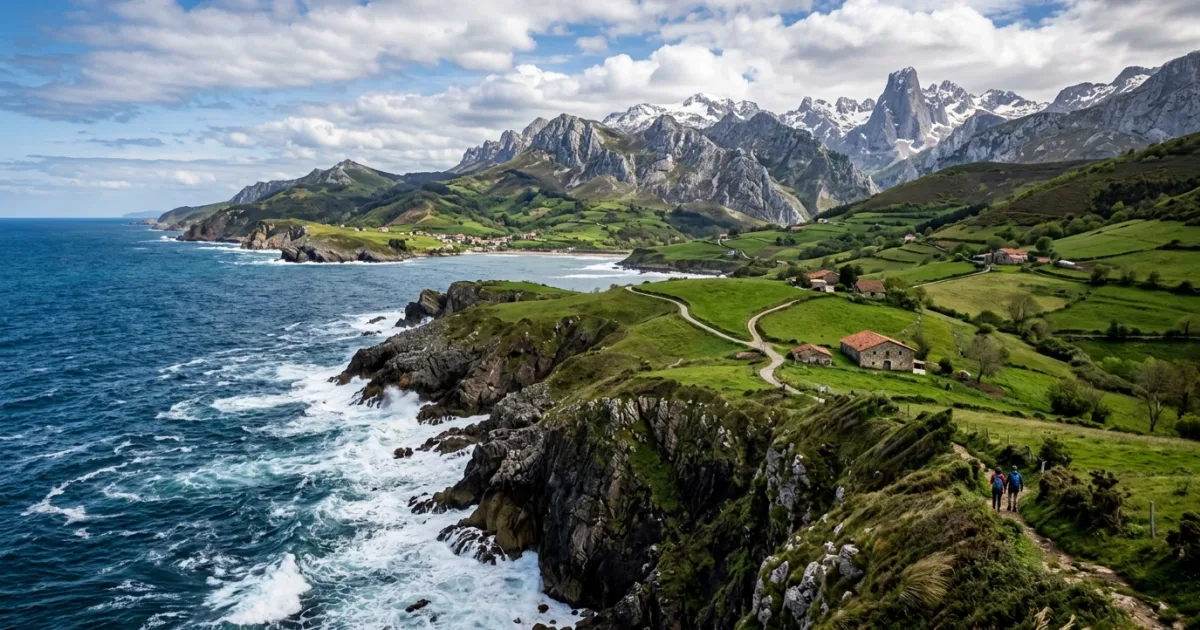
Scenic landscape of Cantabria featuring the Picos de Europa mountains and the Cantabrian Sea

Cantabria Overview & Key Highlights

Cantabria is a lush, mountainous region on Spain's northern coast, renowned for its dramatic landscapes and deep historical roots. Nestled between the Cantabrian Sea and the towering Picos de Europa mountain range, this autonomous community offers a striking contrast of emerald green valleys and rugged coastlines. Visitors are drawn to its pristine beaches, prehistoric cave art, and charming medieval villages that seem frozen in time. Beyond its natural beauty, Cantabria boasts a rich culinary heritage centered around fresh seafood, hearty mountain stews, and artisanal cheeses. The region provides an ideal playground for outdoor enthusiasts, offering world-class surfing, extensive hiking trails, and scenic road trips. Whether exploring the elegant streets of Santander or venturing into the deep rural heartland, travelers will find a welcoming atmosphere and a slower, more authentic pace of life.

Cantabria Travel Guide: Logistics & In-Depth Tips

Cantabria is a jewel of 'Green Spain,' offering a dramatic departure from the arid landscapes typically associated with the Iberian Peninsula. Here, the Cantabrian Mountains plunge almost directly into the sea, creating a coastline of spectacular cliffs, hidden coves, and sweeping sandy beaches. The region's capital, Santander, provides a touch of Belle Époque elegance with its grand Magdalena Palace and sweeping bay, while the interior remains deeply traditional and rural.

History buffs will be captivated by the region's prehistoric legacy, most notably the Cave of Altamira, often dubbed the 'Sistine Chapel of Paleolithic Art.' Medieval architecture is beautifully preserved in towns like Santillana del Mar and Comillas, the latter also boasting architectural works by Antoni Gaudí. Whether you are navigating the winding mountain roads of the Liébana valley, surfing the Atlantic swells, or simply enjoying a plate of fresh Santoña anchovies, Cantabria offers a deeply authentic and multifaceted Spanish experience.

Reasons to Visit

  • Stunning Natural Diversity: Experience everything from the high-altitude peaks of the Picos de Europa to the sandy shores of the Cantabrian Sea within a single day.
  • Prehistoric Heritage: Home to some of the world's most important Paleolithic cave art, including the UNESCO-listed Altamira.
  • Culinary Excellence: Savor world-class seafood, artisanal cheeses (like Queso Picón), and hearty mountain gastronomy.
  • Charming Villages: Wander through impeccably preserved medieval towns like Santillana del Mar, Bárcena Mayor, and Potes.
  • Outdoor Adventure: A paradise for hikers, surfers, cyclists, and nature lovers seeking active pursuits away from mass tourism.

Things to Avoid

  • Underestimating the Weather: The region is green for a reason; it rains frequently. Always carry a rain jacket, even in summer.
  • Skipping the Inland Villages: While the coast is beautiful, the true soul of Cantabria lies in its mountain valleys and rural hamlets.
  • Driving in Old Town Centers: Many historic villages have narrow, pedestrian-only streets. Park on the outskirts and walk.
  • Expecting Late Night Dinners Everywhere: While Santander has a late-night scene, rural restaurants may close their kitchens earlier than in southern Spain.

Local Transportation Tips

Cantabria's public transportation network is anchored by buses and the FEVE narrow-gauge railway, which is excellent for scenic coastal journeys between towns. ALSA buses connect Santander with major national cities and regional hubs. However, to truly experience the rugged interior, hidden beaches, and mountain passes of the Picos de Europa, renting a car is by far the most practical and rewarding option. Roads are generally well-maintained, though mountain routes can be steep and winding.

Travel Etiquette

  • Dining Times: Lunch is typically between 1:30 PM and 3:30 PM, and dinner from 8:30 PM to 11:00 PM.
  • Tipping: Tipping is not strictly required but leaving small change or rounding up the bill is appreciated for good service.
  • Greetings: A friendly 'Hola' when entering shops or bars is customary. Two kisses on the cheeks are common when introduced to locals in social settings.
  • Respecting Nature: Stick to marked trails in national parks and take all trash with you to preserve the pristine environment.

Recommended Age Group

Cantabria is a highly versatile destination that caters to travelers of all ages, offering a mix of relaxing coastal towns and active mountain adventures.

  • Babies (0-2 years): Recommended. The coastal towns and Santander offer stroller-friendly promenades and calm beaches, though mountain trails are less accessible.
  • Kids (3-12 years): Recommended. Children will love the beaches, the Cabárceno Natural Park (a massive open-air zoo), and exploring safe, pedestrianized medieval villages.
  • Teens (13-19 years): Recommended. Excellent opportunities for surfing, hiking, and outdoor adventures keep teenagers engaged and active.
  • Adults (20-64 years): Recommended. Perfect for road trips, gastronomy tours, challenging hikes, and exploring the rich cultural and historical sites.
  • Seniors (65+ years): Recommended. The region offers scenic drives, accessible coastal walks, and excellent culinary experiences, though some steep medieval towns may require careful navigation.

Accessibility Level: Medium

  • Major tourist attractions in Santander, including the Magdalena Palace and main museums, offer good wheelchair accessibility.
  • The Altamira Neocave (the exact replica of the original cave) is fully accessible to visitors with reduced mobility.
  • Many rural villages have cobblestone streets and steep inclines, which can be challenging for wheelchair users.
  • Public buses in Santander and major ALSA coaches are generally equipped with ramps, but rural transport options may lack these facilities.

Did You Know?

Cantabria has the highest concentration of Paleolithic cave art in the world. There are ten caves in the region that have been declared UNESCO World Heritage Sites, offering an unparalleled glimpse into human history from over 14,000 years ago.

Cool Statistics

  • Highest Peak: Torre de Cerredo at 2,648 meters in the Picos de Europa.
  • Coastline: Over 280 kilometers of rugged coastline and sandy beaches.
  • UNESCO Sites: 10 distinct prehistoric caves recognized by UNESCO.
  • Forest Cover: Approximately 65% of Cantabria is covered by forests and natural vegetation.

Address:

Cantabria, Spain

Find Nearby Accommodations

Basic Info

address icon

COUNTRY & Region

Spain,
Europe

ACCESSIBILITY LEVEL​

Medium
Currency icon

LOCAL CURRENCY​

Euro (EUR)
Price level icon
Medium
Safety Level icon

SAFETY LEVEL

Duration icon

Recommended Duration

• 1-7 days
• More than a week

Electricity

electricity icon

Electricity

220-240V, 
50Hz
Plug Socket icon

Plug Type

• Type C (Round pin)
• Type F (Two round pins with earth clips)
Plug types
Click To View Plug Types

Activities To Do In Cantabria

Best Time To Visit Cantabria

The best time to visit Cantabria is during the late spring, summer, and early autumn months.

  • Summer (June-August): Ideal for beachgoing, surfing, and local festivals, though it is the peak tourist season.
  • Spring & Autumn (May, September, October): Perfect for hiking and exploring with fewer crowds and mild temperatures.
  • Winter (November-April): Cooler and wetter, best for enjoying hearty local cuisine, uncrowded museums, and dramatic coastal storms.

Average Temperatures Per Month

Remember to check the weather forecast a few days before the trip and before heading to the airport.

Safety Level icon

Safety Level

Cantabria is a very safe region with low crime rates. Standard precautions apply: watch out for pickpockets in crowded tourist areas in Santander, and always check weather and trail conditions before hiking in the Picos de Europa. Be cautious of strong ocean currents and riptides if swimming or surfing on the coast.

The rating is based on multi-year peace, crime, and security indices. Before you go, always verify current conditions through official government travel advisories.

Emergency Numbers

Police: 112
Ambulance: 112

No internet needed • Includes local translations • Free for TravelingWiz readers

Spoken Languages

Spanish is the official and primary language. English is understood in major tourist areas, hotels, and by younger generations, but less so in rural villages.

Learn The Language

  • Hola (Hello)
  • Por favor (Please)
  • Gracias (Thank you)
  • ¿Cuánto cuesta? (How much is it?)
  • La cuenta, por favor (The bill, please)
  • ¿Dónde está el baño? (Where is the bathroom?)
  • Buenos días (Good morning)
  • Adiós (Goodbye)
Travel Booking Partner - TravelingWiz

Trip Cost & Budgeting for Cantabria, 2026

Everything you need to know about money while traveling
Is Cantabria expensive for tourists in 2026? No, Cantabria is a highly affordable destination compared to other Spanish regions. Based on our Human Verified prices, you can expect to pay around 2.20 EUR for a cappuccino, 3.19 EUR for a pint of domestic beer, and about 22.50 EUR for a standard main meal at a mid-range restaurant. Use the data table below to calculate your specific daily budget based on your travel style. With TravelingWiz's Human Verified data, a typical traveler should expect to spend around $149 USD per day for a mid-range trip in Cantabria. Click the Trip Cost Calculator button below the table to work out your personal budget for this trip.
Currency icon

LOCAL CURRENCY​:

Euro (EUR)
Price level icon
Medium
Credit cards are widely accepted across Cantabria, but carrying some cash is recommended for small village shops and cafes.

Per person, per day – pocket cash for small purchases.

Local: 25
Euro (EUR)
≈ 29 USD

Full daily spend estimation (accommodation, food, transportation, attractions).

Travel Style
Euro (EUR)
≈ USD ($)
Budget
70
81
Mid-range
130
150
Comfort
290
334

The Prices, Daily costs, and calculator results are estimates for planning purposes only. Actual costs may vary based on season, booking timing, personal spending habits, and currency fluctuations. TravelingWiz cannot be held responsible for discrepancies between these estimates and your final trip expenses.

  • • Order the "Menú del Día" (Menu of the Day) at lunchtime for a highly affordable three-course meal including wine.
  • • Use local FEVE commuter trains or ALSA buses to travel between coastal towns like Castro Urdiales and San Vicente de la Barquera cheaply.
  • • Visit major attractions like the Altamira National Museum and Research Center on Sunday afternoons when admission is completely free.
  • • Stay in charming rural guesthouses (posadas) rather than beachfront hotels in Santander to save significantly on accommodation.

Pre-Order Tickets

Avoid disappointment when tickets sell out — and skip the long lines by booking online in advance. You’ll often save up to 20% too.
Save up to 20%

Travel Discounts & Coupons

Save on hotels, attractions, transport, and gear — find verified discounts for smarter travel spending.
Verified Coupons

What To Pack

  • Layers for unpredictable weather, as the region is known for sudden rain showers.
  • Sturdy hiking boots for exploring the trails of the Picos de Europa.
  • A lightweight rain jacket or windbreaker.
  • Swimwear and a beach towel for the coastal towns.
  • Comfortable walking shoes for navigating cobblestone streets in medieval villages.
Categories: Packing
A flat lay of layered cold-weather clothing including a base layer, fleece, and waterproof shell
Learn how to pack for a coolcation. Discover why a smart layering system is better than...

Recommended Itineraries for Traveling to Cantabria

We couldn't find itineraries for Cantabria.
you can contact us for custom trip plan

Food & Drink Highlights

Local Food Overview

Cantabrian cuisine is a hearty reflection of its geography, blending fresh seafood from the Bay of Biscay with robust meats and dairy from the inland valleys. Expect rich stews, premium anchovies, and exceptional local cheeses.
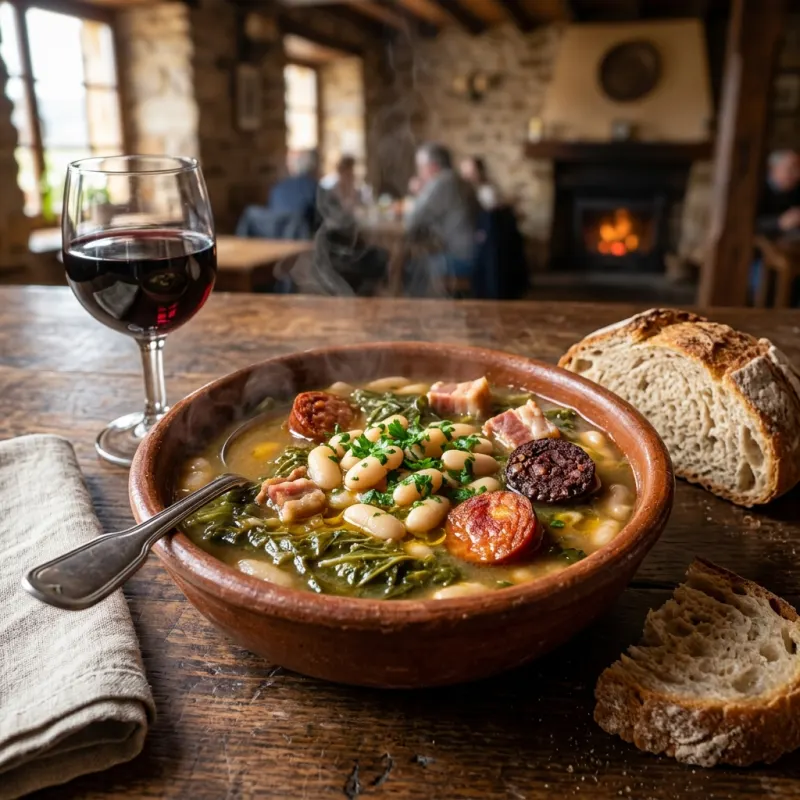
A traditional bowl of Cocido Montañés stew from Cantabria

Must Try Dish

Cocido Montañés - A rich, hearty mountain stew made with white beans, collard greens, chorizo, ribs, and black pudding. It is the ultimate comfort food, traditionally eaten to warm up after a long day in the damp Cantabrian climate.
Food Experiences Title Icon

Food
Experiences

Discover cooking classes, tastings and local food tours

No food experience found

Related Tour Guides

Mateo Ferri -tour guide
Mateo Ferri
Spain Expert
Ana Maria Galera Lopez - tour guide
Ana Maria Galera López
Spain Expert
Anabel Arco Sola - tour guide
Anabel Arco Sola
Spain Expert
Ana Maria Soler Machirant - tour guide
Ana Maria Soler Machirant
Spain Expert
Maya, the human travel expert at TravelingWiz, offering curated, non-AI expertise

Maya’s Final Checklist for Cantabria

Logistics shouldn’t be the focus of your trip—the experience should. I’ve hand-vetted these essential partners to ensure your arrival, stay, and exploration are as smooth as an Athenian breeze.

Where to Stay

From boutique hotels to local apartments—compare thousands of options and find the perfect stay in the best neighborhood.

Air Travel

Getting there should be seamless. Compare the best routes and prices across top airlines to start your journey on the right note.

Local Guides

Connect with experts who know the destination best. Get personalized advice and insider tips to help you plan your perfect trip.

Travel Protection

The “Engineer’s” rule: always have a backup. Secure your trip with a plan that covers every “what if” and unexpected change.

Car Rentals

Explore at your own pace with total freedom. Compare reliable rental options and find the right vehicle for your adventure.

Visa Services

Don’t let paperwork slow you down. Get expert assistance with your application to ensure all your entry documents are in order.

FAQs

Cantabria is famous for its lush green landscapes, the dramatic Picos de Europa mountains, prehistoric cave art like Altamira, and beautiful coastal towns.
While public transport connects major towns and cities like Santander, renting a car is highly recommended to explore the rural villages, hidden beaches, and mountain trailheads at your own pace.
Yes, Cantabria is one of Spain’s premier surfing destinations, with famous spots like Somo and Suances offering excellent waves year-round.
The best time for you to visit Cantabria is between May and October. Summer brings warm weather ideal for beaches and surfing, while spring and autumn offer mild temperatures and fewer crowds for hiking the Picos de Europa. If you visit in winter, expect cooler, rainier conditions suited for cultural sightseeing and cozy local dining.
No, Cantabria is quite affordable compared to many other popular Spanish destinations. You can easily manage your expenses by dining on lunchtime set menus and using local buses or trains to travel between coastal towns. For exact, up-to-date pricing and to calculate your daily travel costs, please refer to the Budget section on this page.
Yes, Cantabria is a very safe region with low crime rates. You only need to take standard precautions, such as keeping an eye on your belongings in busy areas of Santander. When outdoors, always check mountain weather before hiking in the Picos de Europa and be mindful of strong ocean currents along the coast.

Your Insights Matter

TravelingWiz grows through the stories of our community. If you’ve recently explored ,Cantabria share your tips and stories to help us perfect our guides for the next traveler.

Related Articles

Check out our related articles and blog posts to learn even more about the destination.

No related articles found

Don’t Travel Alone

Share with your friends and family

Where should we send your offline card?

We hate spam just as much as you do

newsletter_consent *