Castile and Leon is a region that truly embodies the soul of historic Spain. Covering a vast expanse of the northern Iberian plateau, it is a land of sweeping horizons, dramatic mountain ranges like the Picos de Europa, and fertile river valleys. The region's historical significance cannot be overstated; it was the crucible in which the modern Spanish nation was forged, and its legacy is etched into the stone of its countless monuments.
Beyond its famous cities, Castile and Leon offers a wealth of natural beauty and outdoor activities. The region is dotted with pristine nature reserves, deep gorges, and ancient forests. It is also a deeply spiritual land, crisscrossed by the legendary Camino de Santiago, which draws pilgrims and hikers from around the globe. Whether you are marveling at the Roman aqueduct of Segovia, walking the perfectly preserved medieval walls of Ávila, or savoring a glass of world-class Tempranillo in a subterranean wine cellar, Castile and Leon promises an unforgettable journey through time and tradition.
Reasons to Visit
- UNESCO World Heritage Sites: Home to an incredible density of recognized sites, including the old towns of Segovia, Ávila, and Salamanca, as well as the Burgos Cathedral and the archaeological site of Atapuerca.
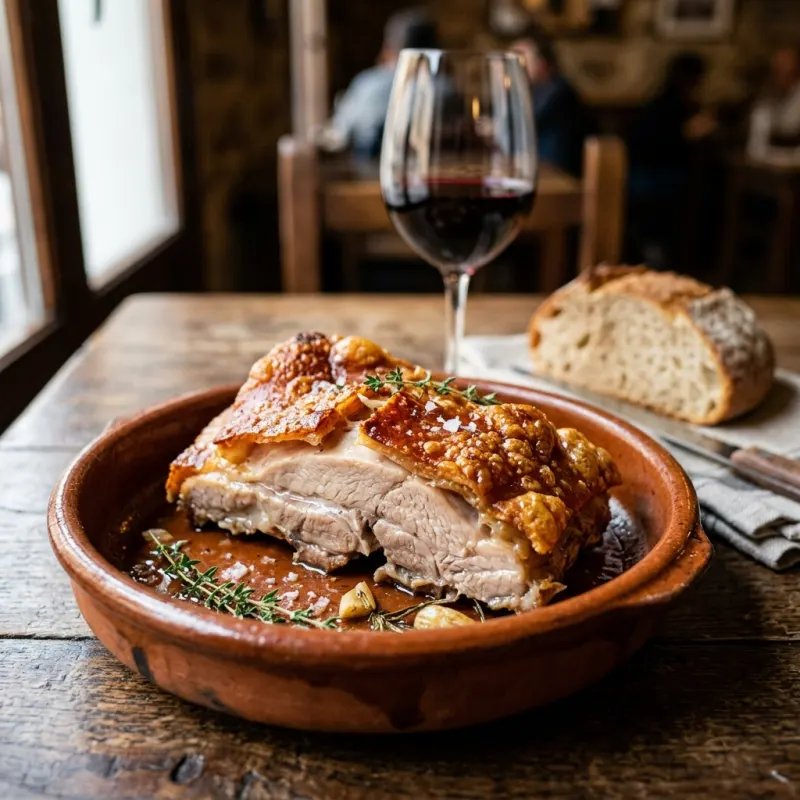
- Exceptional Gastronomy: Famous for its wood-roasted meats (suckling pig and lamb), artisanal cheeses, and hearty traditional stews.
- World-Class Wine: The Ribera del Duero, Rueda, Toro, and Bierzo wine regions offer exceptional enotourism experiences.
- The Camino de Santiago: The French Way of this historic pilgrimage route passes right through the region, offering profound cultural and spiritual experiences.
- Castles and Fortresses: Explore iconic structures like the Alcázar of Segovia and the Castle of Peñafiel, which dot the landscape.
Things to Avoid
- Rushing the Experience: The region is vast. Avoid trying to see too many cities in a single day; instead, take time to absorb the local culture.
- Ignoring Siesta Hours: Many smaller shops, churches, and businesses close between 2:00 PM and 5:00 PM. Plan your sightseeing and shopping accordingly.
- Dining Too Early: Locals eat lunch around 2:00 PM to 3:30 PM and dinner after 9:00 PM. Restaurants may not be open or serving full meals outside these hours.
- Underestimating the Weather: The central plateau can be extremely hot in summer and freezing in winter. Always check the forecast and pack appropriately.
Local Transportation Tips
Public transportation between major cities in Castile and Leon is excellent. The high-speed AVE train connects Madrid to cities like Segovia, Valladolid, and León in record time. For towns not serviced by the AVE, the ALSA bus network provides reliable and comfortable connections. However, to truly explore the region's hidden gems, rural villages, castles, and vineyards, renting a car is highly recommended. The road infrastructure is well-maintained, and driving offers the flexibility needed for a comprehensive road trip.
Travel Etiquette
- Greetings: A handshake is common for initial meetings. Friends and acquaintances often greet with two light kisses on the cheeks (women to women, and men to women).
- Tipping: Service is usually included, but it is customary to leave small change or round up the bill in cafes and bars. In nicer restaurants, a 5-10% tip is appreciated for good service.
- Church Etiquette: When visiting cathedrals and churches, dress modestly (cover shoulders and knees) and maintain a quiet, respectful demeanor.
- Punctuality: While social events may start a bit later than scheduled, it is best to be on time for guided tours, train departures, and formal reservations.
Recommended Age Group
Castile and Leon offers a diverse range of experiences that cater to various age groups, though its historical nature presents unique considerations.
- Babies (0-2 years): Neutral. While the region is safe and welcoming, navigating the cobblestone streets and steep hills of historic towns with a stroller can be challenging. A baby carrier is highly recommended.
- Kids (3-12 years): Recommended. Children will be captivated by the fairy-tale castles, ancient city walls, and open plazas. Many museums offer interactive exhibits, and the local food is generally kid-friendly.
- Teens (13-19 years): Recommended. The rich history, impressive architecture, and opportunities for outdoor activities like hiking and cycling make it an engaging destination for teenagers.
- Adults (20-64 years): Recommended. Adults will fully appreciate the region's deep historical roots, world-class wine tasting, sophisticated gastronomy, and scenic road trips.
- Seniors (65+ years): Recommended. The region offers profound cultural immersion and excellent culinary experiences. However, seniors with mobility issues should plan carefully, as historic centers often feature uneven terrain and limited vehicle access.
Accessibility Level: Medium
- Many major museums, cathedrals, and modern facilities in cities like Valladolid and Salamanca are wheelchair accessible.
- Historic city centers (e.g., Toledo, Segovia) often feature steep inclines, cobblestone streets, and narrow sidewalks, which can pose challenges for travelers with mobility impairments.
- The high-speed AVE trains and major bus lines offer accessible seating and boarding assistance, but this must usually be requested in advance.
- Accessible accommodations are available, particularly in newer hotels and renovated historic paradores, but it is crucial to verify specific needs directly with the property before booking.
Did You Know?
Did you know that the University of Salamanca, founded in 1218, is the oldest university in Spain and one of the oldest in continuous operation in the world? Its stunning Plateresque facade features a famous hidden carving of a frog resting on a skull, which students traditionally try to spot for good luck in their exams.
Cool Statistics
- Castile and Leon is the largest region in Spain and one of the largest in the European Union, covering over 94,000 square kilometers.
- The region boasts 8 UNESCO World Heritage Sites, more than any other region in Spain.
- The Walls of Ávila feature 88 semi-circular towers and stretch for over 2.5 kilometers, making them one of the best-preserved medieval walls in Europe.
- The Roman Aqueduct of Segovia was built without the use of mortar, relying entirely on the precise balancing of massive granite blocks.









Buy a compatible power adapter for your trip