The Community of Madrid is a single-province autonomous community located precisely in the center of Spain. While the capital city of Madrid acts as the cultural and economic engine, the broader region is a treasure trove of historical and natural wonders. To the north and west, the Sierra de Guadarrama mountain range provides a stunning backdrop and a playground for outdoor enthusiasts, offering hiking, skiing, and picturesque alpine villages like Cercedilla and Navacerrada.
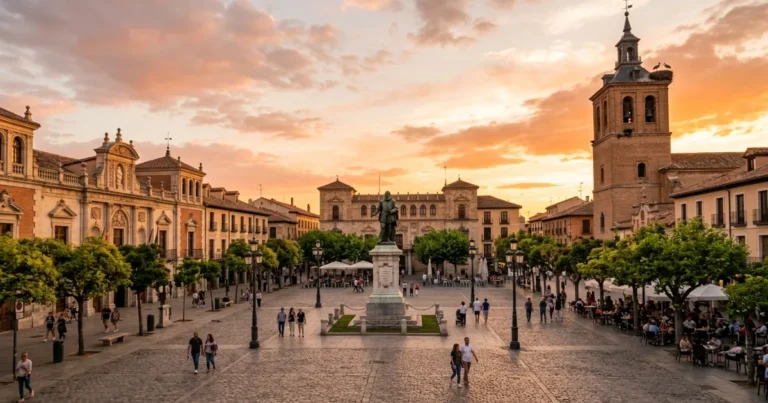
History buffs will find themselves captivated by the region's UNESCO World Heritage sites. The Royal Monastery of San Lorenzo de El Escorial stands as a monumental testament to Spain's Golden Age, while the historic center of Alcalá de Henares offers a glimpse into the life of Miguel de Cervantes. Further south, the Royal Palace of Aranjuez dazzles with its expansive, meticulously manicured gardens. Whether you are seeking the electric energy of world-class museums and nightlife or the quiet charm of medieval plazas, the Community of Madrid delivers a deeply enriching travel experience.
Reasons to Visit
- World-class art museums, including the famous Golden Triangle of Art (Prado, Reina Sofía, Thyssen-Bornemisza).
- Exceptional UNESCO World Heritage sites located just a short train ride from the capital.
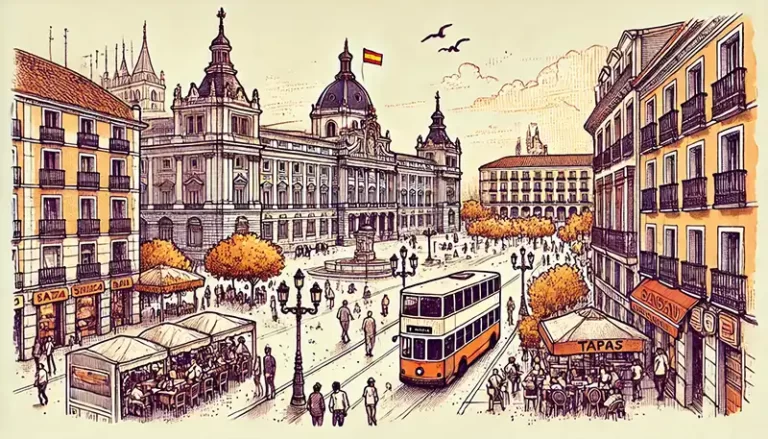
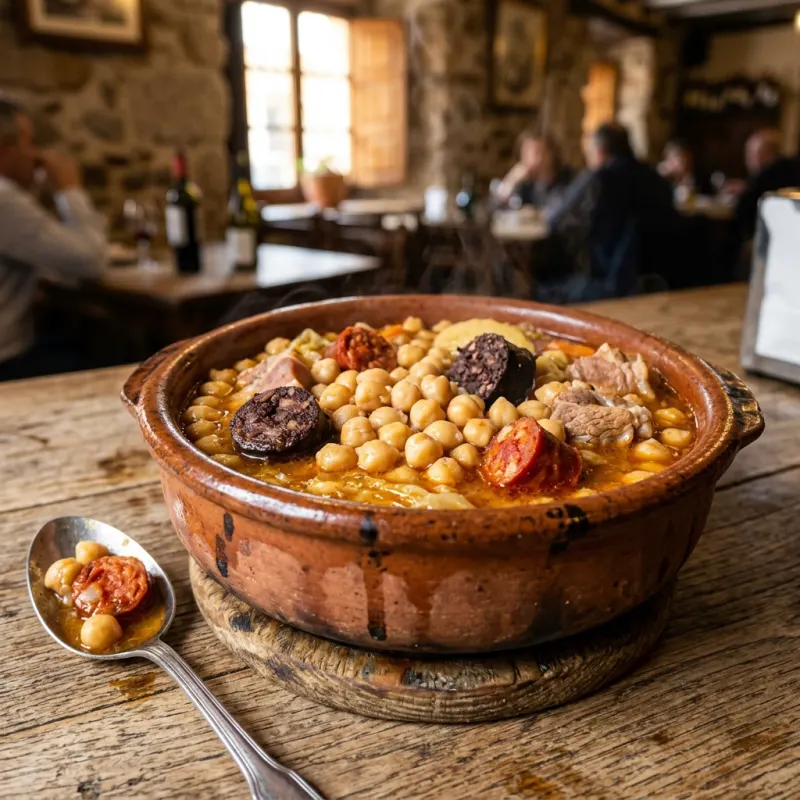
- A vibrant and deeply ingrained tapas culture that turns every meal into a social event.
- Beautiful natural landscapes in the Sierra de Guadarrama National Park, perfect for hiking and nature walks.
- Rich architectural diversity, ranging from medieval castles like the New Castle of Manzanares el Real to modern skyscrapers.
Things to Avoid
- Avoid eating in the main tourist squares (like Plaza Mayor) if you want authentic, reasonably priced food; explore the side streets instead.
- Do not assume all shops and businesses are open in the afternoon; many smaller towns still observe the siesta hours (roughly 2 PM to 5 PM).
- Avoid visiting in August if you dislike extreme heat, as temperatures frequently exceed 35°C (95°F) and many local businesses close for holidays.
- Do not rely solely on taxis; the public transportation system is highly efficient, clean, and much cheaper.
Local Transportation Tips
The Community of Madrid boasts one of the most efficient and comprehensive public transportation systems in Europe. The Madrid Metro is expansive and easy to navigate, covering the entire city and extending into several suburbs. For traveling to other towns within the region, the Cercanías (commuter rail) network is fast, reliable, and affordable. Additionally, a vast network of green intercity buses connects the capital to nearly every village and town in the community. Purchasing a multi-day Tourist Travel Pass is highly recommended for seamless travel across all modes of transport.
Travel Etiquette
- Spaniards typically eat much later than the rest of Europe; lunch is usually between 2:00 PM and 4:00 PM, and dinner is rarely before 9:00 PM.
- When greeting someone in a social setting, it is customary to give two light kisses on the cheeks (starting with the right), though a handshake is appropriate in business contexts.
- Keep your voice down in churches and religious sites, and ensure your shoulders and knees are covered.
- Patience is key; the local pace of life can be relaxed, especially in restaurants where you must explicitly ask for the bill ('la cuenta, por favor').
Recommended Age Group
The Community of Madrid is a highly versatile destination that caters to travelers of all ages, offering a mix of educational, recreational, and relaxing activities.
- Babies (0-2 years): Recommended. The region is very family-oriented, and most public spaces, parks, and transport systems are stroller-friendly.
- Kids (3-12 years): Recommended. Children will love the expansive parks, interactive museums, and nearby theme parks like Parque Warner.
- Teens (13-19 years): Recommended. Teens can enjoy the vibrant street culture, shopping districts, sports stadiums (like Santiago Bernabéu), and outdoor adventures in the mountains.
- Adults (20-64 years): Recommended. Perfect for adults seeking rich history, world-class gastronomy, vibrant nightlife, and cultural immersion.
- Seniors (65+ years): Recommended. The region offers excellent accessibility, comfortable public transport, and a wealth of historical sites that can be explored at a leisurely pace.
Accessibility Level: Medium
- The Madrid Metro is continually upgrading, with over 60% of its stations currently fully accessible via elevators.
- All city buses (EMT) and most intercity buses are equipped with ramps and designated spaces for wheelchair users.
- Major museums, including the Prado and Reina Sofía, offer excellent barrier-free access, elevators, and accessible restrooms.
- While the capital is generally flat and easy to navigate, some historic towns in the region (like Toledo or Segovia, though technically outside the community, often visited from it) have steep, cobbled streets that may pose challenges.
Did You Know?
Did you know that the Community of Madrid is home to the only Egyptian temple in Spain? The Temple of Debod was dismantled and rebuilt in Madrid as a gift from Egypt in 1968. Additionally, the region contains the Hayedo de Montejo, one of the southernmost beech forests in Europe, which is so protected that visitor numbers are strictly limited each day.
Cool Statistics
- The Community of Madrid has a population of over 6.7 million people, making it the third most populous region in Spain.
- It is home to 4 distinct UNESCO World Heritage Sites.
- The Madrid Metro has over 300 stations and spans nearly 300 kilometers of track.
- The region enjoys approximately 300 days of sunshine per year.










Buy a compatible power adapter for your trip