Extremadura is a land of conquerors, ancient ruins, and vast natural beauty. Bordering Portugal to the west, this autonomous community is divided into two provinces: Cáceres in the north and Badajoz in the south. It is a region where time seems to slow down, allowing visitors to fully immerse themselves in its rich tapestry of history. From the remarkably intact Roman theater in Mérida to the medieval towers of Cáceres and the spiritual aura of the Guadalupe Monastery, Extremadura is a living museum. Beyond its cities, the landscape is dominated by the 'dehesa', a unique pastoral ecosystem of oak trees that provides the perfect environment for the Iberian pig, the source of Spain's finest jamón.
Reasons to Visit
- Explore the unparalleled Roman ruins in Mérida, often called the 'Rome of Spain'.
- Experience exceptional birdwatching and pristine nature in Monfragüe National Park.
- Wander through authentic, uncrowded medieval towns like Cáceres and Trujillo.
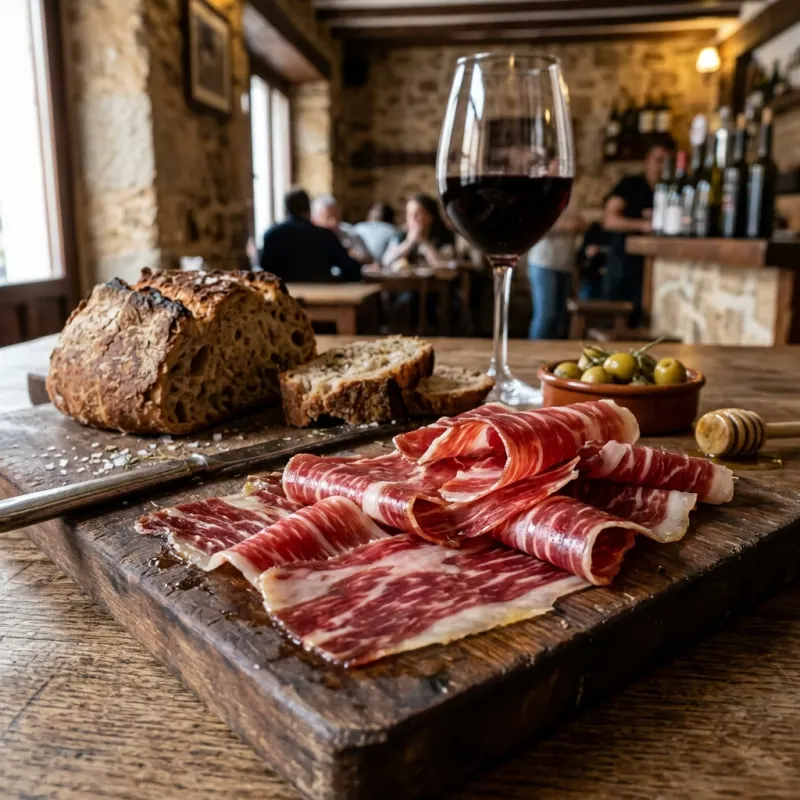
- Indulge in world-class gastronomy, especially the legendary Jamón Ibérico de Bellota and local cheeses.
- Enjoy a slow-paced, authentic Spanish lifestyle far from the typical tourist crowds.
Things to Avoid
- Visiting in July and August when temperatures frequently exceed 40°C (104°F).
- Expecting English to be widely spoken, especially in rural areas and smaller towns.
- Rushing through the region; Extremadura's charm is best experienced at a slow, relaxed pace.
- Sticking only to the main cities; the true magic lies in the countryside and smaller villages.
Local Transportation Tips
Renting a car is by far the best way to explore Extremadura, offering the freedom to visit remote natural parks, rural estates, and hidden villages at your own pace. The road network is excellent and generally free of heavy traffic. While trains and buses reliably connect the major cities like Cáceres, Mérida, and Badajoz with Madrid and Seville, public transport options to natural reserves and smaller towns are limited and infrequent.
Travel Etiquette
- Greet shopkeepers and restaurant staff with a polite 'Buenos días' or 'Buenas tardes' when entering.
- Adapt to the local schedule: lunch is typically eaten late, between 2:00 PM and 4:00 PM, and dinner often starts after 9:00 PM.
- Tipping is not mandatory, but leaving small change or rounding up the bill is appreciated for good service in restaurants and cafes.
- Dress modestly when visiting churches and religious sites, ensuring shoulders and knees are covered.
Recommended Age Group
Extremadura offers a diverse range of experiences that cater to various age groups, though its historical and natural focus appeals most to older children, adults, and seniors.
- Babies (0-2 years): Neutral. While the Spanish are very welcoming to infants, the uneven cobblestone streets in historic centers can make navigating with a stroller quite challenging.
- Kids (3-12 years): Recommended. Children will love exploring the ancient castles, Roman amphitheaters, and spotting large birds of prey in the national parks.
- Teens (13-19 years): Recommended. The region offers great outdoor activities like hiking and kayaking, alongside fascinating history that brings school textbooks to life.
- Adults (20-64 years): Recommended. Perfect for adults seeking slow travel, wine tasting, culinary exploration, and deep historical immersion without the crowds.
- Seniors (65+ years): Recommended. The rich culture, excellent food, and scenic drives are ideal, though those with mobility issues should plan carefully around the steep, cobbled streets of older towns.
Accessibility Level: Medium
- Major museums and the main archaeological sites in Mérida have made significant efforts to be wheelchair accessible.
- Historic city centers, such as the Old Town of Cáceres, feature steep inclines and uneven cobblestones, which can be challenging for wheelchair users or those with limited mobility.
- Many rural accommodations (casas rurales) are single-story, but it is crucial to verify specific accessibility features and bathroom setups before booking.
- Accessible parking spaces are generally available near major tourist attractions in the larger cities.
Did You Know?
Many famous Spanish conquistadors, including Hernán Cortés (conqueror of the Aztec Empire) and Francisco Pizarro (conqueror of the Inca Empire), were born in Extremadura. This historical connection is why many cities and regions in the Americas share names with Extremaduran towns, such as Medellín and Trujillo.
Cool Statistics
- Extremadura produces over 1 million tons of tomatoes annually, making it a major agricultural hub.
- Monfragüe National Park is home to the world's largest colony of Eurasian black vultures.
- The Roman Theatre of Mérida, built in 16-15 BC, is still in use today and hosts a prestigious classical theater festival every summer.
- The region boasts three UNESCO World Heritage Sites: the Old Town of Cáceres, the Archaeological Ensemble of Mérida, and the Royal Monastery of Santa María de Guadalupe.









Buy a compatible power adapter for your trip