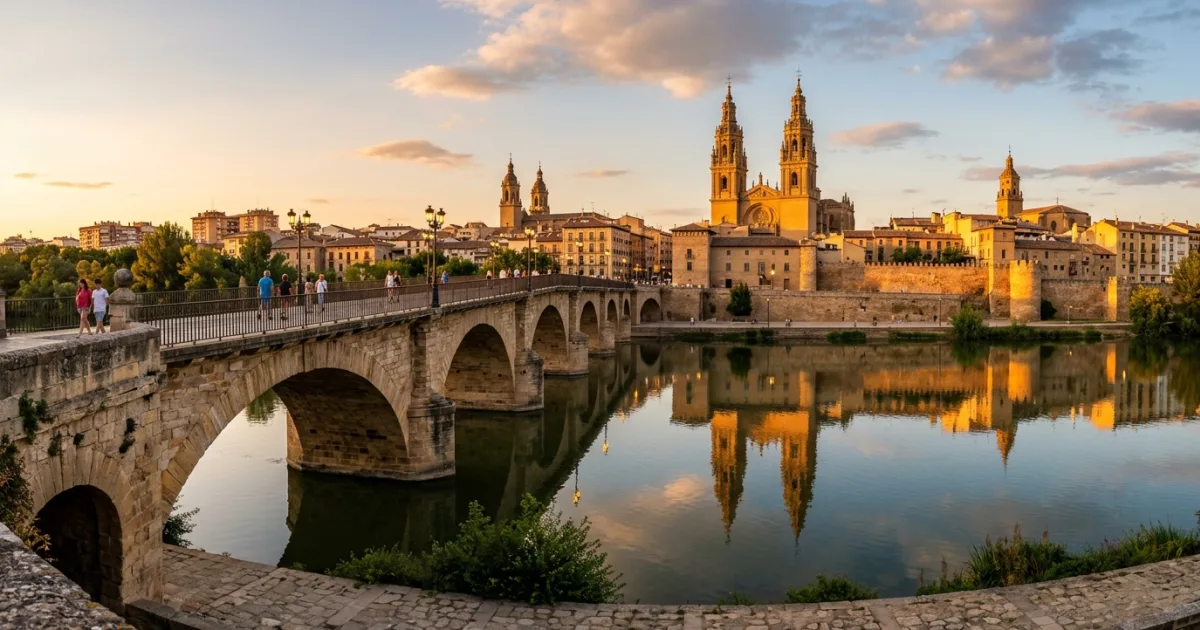
Logrono serves as the administrative, cultural, and viticultural pulse of La Rioja, northern Spain's preeminent wine territory. Nestled along the meandering Ebro River, the city preserves its historic layout shaped by centuries of pilgrims navigating the Camino de Santiago. Architectural treasures line its stone-paved streets, punctuated by the soaring twin towers of the Co-Cathedral of Santa Maria de la Redonda and the fortified 16th-century Revellin Gate.
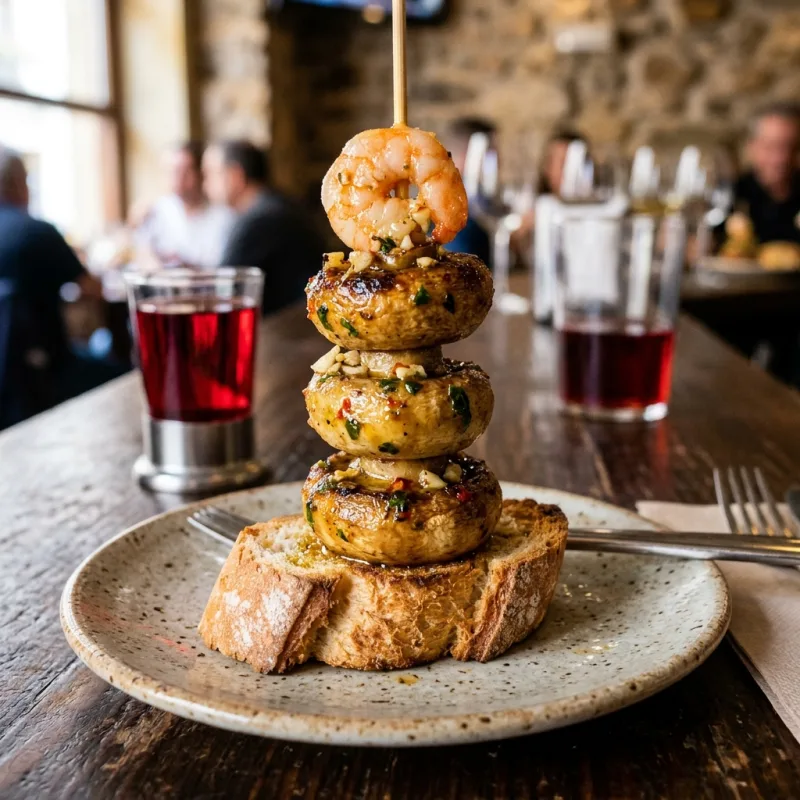
Today, Logrono effortlessly balances historic reverence with vibrant modern hospitality. Its pedestrianized Old Town forms a dynamic social epicenter where generational bar owners master individual pincho recipes, creating an interactive street-food culture unmatched in Europe. Paired with convenient rail access to Bilbao, Zaragoza, and Madrid, Logrono presents a tranquil yet cosmopolitan haven for food lovers and cultural travelers alike.
Reasons to Visit
- Iconic Pincho Culture: Walk the legendary Calle del Laurel and Calle San Juan, home to over 60 bustling bars each specializing in unique gourmet bites.
- Premier Wine Heritage: Sample acclaimed Tempranillo, Graciano, and Viura varietals directly from historic century-old bodegas within municipal reach.
- Camino de Santiago Pilgrimage: Walk across the historic Puente de Piedra and follow pilgrimage markers past ancient hostels and churches.
- Walkable Old Town: Stroll pedestrian boulevards lined with Romanesque and Baroque monuments, verdant parks, and open plazas like Plaza del Espolon.
- Authentic Spanish Immersion: Experience genuine northern Spanish life free from overwhelming international tourist crowds.
Things to Avoid
- Avoid arriving for dinner before 8:30 PM; pincho bars and traditional taverns rarely hit their lively stride before 9:00 PM.
- Do not order an entire sit-down dinner at your first stop on Calle Laurel; the customary ritual is ordering one specialty pincho and a drink before moving to the next tavern.
- Avoid planning vineyard excursions without prior reservations, as most bodegas require advance booking for tours and tastings.
- Do not forget that many independent boutiques and historic sights observe the traditional afternoon siesta between 2:00 PM and 5:00 PM.
Local Transportation Tips
Logrono is an exceptionally walkable city where virtually all tourist attractions, accommodations, and dining districts sit within a compact radius. For journeys outside the central district, the municipal bus service (Abus) operates ten regular lines connecting suburban areas, rail stations, and outlying winery estates for a standard single fare of 0.72 EUR. Official taxi ranks are situated at Plaza del Espolon and the train station, with licensed metered taxis offering affordable transit across the municipality.
Travel Etiquette
- Order wine by regional classification or style, asking for 'un tinto' (red), 'un blanco' (white), or specific grades like 'Crianza' and 'Reserva'.
- Drop paper napkins and toothpicks on the floor in traditional tavern bars if you see locals doing so, or place them in bar-top bins.
- Greet bartenders and shopkeepers with a warm 'Hola' or 'Buenos dias' upon entering any establishment.
- Tipping is modest; leaving small change or rounding up to the nearest euro on bar orders is customary and appreciated.
Recommended Age Group
Logrono's calm pedestrian streets, outstanding culinary heritage, and rich history offer broad appeal across generations, though its atmosphere particularly caters to mature travelers.
- Babies (0-2 years): Neutral. The flat terrain along the Ebro River is stroller-friendly, though bustling evening crowds on Calle Laurel can be challenging to navigate with a pram.
- Kids (3-12 years): Neutral. Children enjoy the expansive green spaces of Parque del Ebro and riverbank playgrounds, but the city's primary focus on wine and bar hopping offers limited specialized child entertainment.
- Teens (13-19 years): Recommended. Teenagers appreciate the vibrant street-food scene, historic ramparts, outdoor cycling along the Ebro, and authentic cultural immersion.
- Adults (20-64 years): Recommended. An absolute paradise for adults seeking world-class viticulture, exceptional gastronomy, historical architecture, and relaxed social evenings.
- Seniors (65+ years): Recommended. Highly accessible with flat pedestrian boulevards, compact walking distances, rich religious heritage, and comfortable wine-tasting facilities.
Accessibility Level: Medium
- The historic center is largely pedestrianized and paved with level stone surfaces, allowing easy navigation for manual and powered wheelchair users.
- Logrono Railway Station features step-free platform access, elevators, tactile paving, and dedicated Atendo mobility assistance services.
- Parque del Ebro and the riverbank promenade provide wide, barrier-free asphalt pathways with gentle inclines suitable for visitors with mobility impairments.
- Modern public buses in Logrono feature low-floor kneeling mechanisms and motorized ramps for wheelchair boarding.
Did You Know?
Logrono's Co-Cathedral of Santa Maria de la Redonda houses an exquisite small oil painting of the Crucifixion attributed to Italian Renaissance master Michelangelo Buonarroti, acquired by a local bishop in the 16th century.
Cool Statistics
- Over 65 distinct pincho bars operate along Calle del Laurel and its adjacent alleyways within a span of just 200 meters.
- La Rioja produces more than 250 million liters of certified DOCa wine annually, with Logrono serving as its trade hub.
- The Puente de Piedra bridge spans 198 meters across the Ebro River and features 7 stone arches dating back to 1884.
- Logrono has been an official stopping point on the French Way of St. James for over 1,000 years.









Buy a compatible power adapter for your trip