Disclosure: This site contains affiliate links. We may earn a commission if you make a purchase, at no extra cost to you.

>
>
>
Navarre
Bardenas Reales rock formations in Navarre, Spain

Navarre Overview & Key Highlights

Navarre is an autonomous community in northern Spain, bordering France and the Basque Country, renowned for its diverse landscapes ranging from the Pyrenees mountains to the semi-desert Bardenas Reales. The region serves as a crucial gateway for the Camino de Santiago, featuring well-preserved medieval towns, ancient monasteries, and the spectacular Olite Royal Palace. Visitors can explore the lush Irati Forest, one of the largest beech and fir forests in Europe, or wander through the historic streets of Pamplona, the capital city famous worldwide for the San Fermín festival. Traveling through Navarre offers a profound culinary and cultural experience deeply rooted in its agricultural heritage. The local gastronomy highlights exceptional produce such as Piquillo peppers, white asparagus, and robust wines from the Navarra DO region, often enjoyed as elaborate pintxos in lively local taverns. Whether embarking on a scenic road trip through the Pyrenean valleys, hiking ancient pilgrim trails, or indulging in world-class food and wine, Navarre provides a rich, off-the-beaten-path alternative to Spain's more crowded tourist destinations.

Navarre Travel Guide: Logistics & In-Depth Tips

Navarre (Navarra in Spanish) is a region of striking contrasts located in northern Spain. Historically an independent kingdom, it retains a distinct cultural identity that bridges the Basque Country and the broader Spanish plains. The northern reaches are defined by the lush, green valleys of the Pyrenees and the enchanting Irati Forest, a haven for hikers and nature lovers. As you move south, the landscape dramatically shifts to the fertile Ebro river valley and the otherworldly, semi-desert badlands of the Bardenas Reales, a UNESCO Biosphere Reserve.

The region is deeply intertwined with the Camino de Santiago (Way of St. James), with the French Way entering Spain through the Navarrese Pyrenees. This historic pilgrimage route has left a legacy of stunning Romanesque churches, ancient monasteries, and beautifully preserved medieval towns like Puente la Reina and Estella. The capital, Pamplona, is a vibrant city known for its historic citadel, lively pintxo culture, and the world-famous San Fermín festival held every July. Beyond the festivities, Navarre is a premier destination for gastronomy and wine, offering travelers an authentic, unhurried Spanish experience.

Reasons to Visit

  • The Camino de Santiago: Walk the most famous stretch of the historic pilgrimage route, passing through picturesque medieval villages.
  • Bardenas Reales: Explore the surreal, moon-like landscapes of this semi-desert natural park, famous as a filming location for Game of Thrones.
  • Olite Royal Palace: Step back in time at this magnificent, fairy-tale Gothic castle that was once the seat of the Court of Navarre.
  • Exceptional Gastronomy: Indulge in high-quality local produce, renowned pintxos in Pamplona, and excellent DO Navarra wines.
  • Irati Forest: Wander through one of the largest and best-preserved beech and fir forests in Europe, especially stunning in autumn.

Things to Avoid

  • Driving in Pamplona's Old Town: The historic center has strict traffic restrictions and narrow streets; it's best to park outside and walk.
  • Underestimating the Bardenas Reales heat: In summer, the desert can reach extreme temperatures with no shade. Visit early in the morning or late afternoon.
  • Ignoring safety during San Fermín: If visiting during the festival, never participate in the bull run if intoxicated or unprepared, as it is highly dangerous.
  • Rushing the dining experience: Meals in Navarre are meant to be savored. Don't expect quick service, and embrace the late Spanish dining hours.

Local Transportation Tips

Public transportation in Navarre is reliable for traveling between major towns and cities, with buses being the primary mode of regional transit. Pamplona has an excellent local bus network (known as 'villavesas') and is highly walkable. However, to truly experience the diverse landscapes of Navarre—such as the Pyrenees, the Irati Forest, and the Bardenas Reales—renting a car is highly recommended. The road infrastructure is excellent, offering scenic drives through mountains and valleys.

Travel Etiquette

  • Dining Times: Lunch is typically served between 1:30 PM and 3:30 PM, and dinner rarely starts before 8:30 PM or 9:00 PM.
  • Greetings: It is customary to greet friends and acquaintances with 'dos besos' (a kiss on each cheek), starting with the right cheek. A handshake is appropriate for formal introductions.
  • Tipping: Tipping is not strictly required but leaving small change or rounding up the bill is appreciated for good service in restaurants and cafes.
  • Pintxo Culture: When eating pintxos, it is common to stand at the bar, drop your napkins on the floor (in traditional spots), and pay the bartender at the end of your meal based on what you ordered.

Recommended Age Group

Navarre offers a diverse range of activities that cater to various age groups, from outdoor adventures to historical exploration.

  • Babies (0-2 years): Neutral. While cities like Pamplona are stroller-friendly, rural areas, castles, and hiking trails can be challenging to navigate with a stroller.
  • Kids (3-12 years): Recommended. Children will love exploring the fairy-tale castle of Olite, the open spaces of the Bardenas Reales, and the interactive nature trails in the Pyrenees.
  • Teens (13-19 years): Recommended. Teens can enjoy active adventures like hiking, cycling, and exploring the filming locations of popular shows in the desert.
  • Adults (20-64 years): Recommended. Perfect for adults seeking culinary tourism, wine tasting, historical trails, and the vibrant nightlife of Pamplona.
  • Seniors (65+ years): Recommended. Seniors can enjoy slow travel through historic towns, accessible wine tours, and scenic drives, though some medieval sites may have uneven terrain.

Accessibility Level: Medium

  • Pamplona's city center is generally accessible, with flat, paved areas and ramps, though some older streets have cobblestones.
  • Major attractions like the Olite Castle have made efforts to improve accessibility, but due to their historic nature, some upper levels and towers remain inaccessible to wheelchair users.
  • Nature reserves like the Señorío de Bértiz offer specific flat, accessible trails for visitors with mobility challenges.
  • Public buses in Pamplona are equipped with ramps and designated spaces for wheelchairs.
  • It is advisable to check with specific rural accommodations (casas rurales) regarding their accessibility features before booking.

Did You Know?

Navarre was an independent kingdom for centuries and one of the most powerful realms in medieval Europe. It wasn't fully incorporated into the Crown of Castile until 1512, and it still retains a high degree of self-government and its own unique tax system today.

Cool Statistics

  • Irati Forest: Covers over 17,000 hectares, making it the second-largest beech and fir forest in Europe after the Black Forest in Germany.
  • San Fermín: The population of Pamplona swells from around 200,000 to over 1 million during the 9-day festival in July.
  • Bardenas Reales: This desert spans 42,000 hectares and features unique clay, chalk, and sandstone formations sculpted by water and wind.
  • Wine Production: The Navarra DO region produces over 60 million liters of wine annually, historically famous for its exceptional Rosados (rosé wines).


Address:

Navarre, Spain

Find Nearby Accommodations

Basic Info

address icon

COUNTRY & Region

Spain,
Europe

ACCESSIBILITY LEVEL​

Medium
Currency icon

LOCAL CURRENCY​

Euro (EUR)
Price level icon
Medium
Safety Level icon

SAFETY LEVEL

Duration icon

Recommended Duration

• 1-7 days
• More than a week

Electricity

electricity icon

Electricity

220-240V, 
50Hz
Plug Socket icon

Plug Type

• Type C (Round pin)
• Type F (Two round pins with earth clips)
Plug types
Click To View Plug Types
Navarre is part of our
Slow Travel & Nature collection

Activities To Do In Navarre

Best Time To Visit Navarre

The best time to visit Navarre depends on your interests, ranging from summer festivals to autumn foliage.

  • Spring (April to June): Ideal for hiking the Camino de Santiago and enjoying blooming landscapes with mild weather.
  • Summer (July to August): Peak season, highlighted by the famous San Fermín festival in July; expect hot temperatures in the south.
  • Autumn (September to November): Perfect for witnessing the spectacular fall colors in the Irati Forest and enjoying the wine harvest.
  • Winter (December to March): Quiet and chilly, suitable for snowshoeing in the Pyrenees and enjoying hearty local stews.

Average Temperatures Per Month

Remember to check the weather forecast a few days before the trip and before heading to the airport.

Safety Level icon

Safety Level

Navarre is generally very safe for travelers. The main concern is pickpocketing in crowded areas, particularly in Pamplona during the San Fermín festival. If participating in or watching the running of the bulls, follow all local safety instructions strictly, as it is a highly dangerous event. When hiking in the Pyrenees or Bardenas Reales, always carry sufficient water, inform someone of your route, and check weather conditions.

The rating is based on multi-year peace, crime, and security indices. Before you go, always verify current conditions through official government travel advisories.

Emergency Numbers

Police: 112
Ambulance: 112

No internet needed • Includes local translations • Free for TravelingWiz readers

Spoken Languages

Spanish is the official and most widely spoken language. Basque (Euskera) is also co-official and commonly spoken in the northern and central parts of the region. English is understood in major tourist areas and hotels, but less so in rural villages.

Learn The Language

  • Hola, ¿cómo estás? (Hello, how are you?)
  • Por favor (Please)
  • Gracias (Thank you)
  • ¿Cuánto cuesta esto? (How much does this cost?)
  • La cuenta, por favor (The bill, please)
  • ¿Dónde está el baño? (Where is the bathroom?)
  • Un pincho y una cerveza, por favor (A pincho and a beer, please)
  • ¿Habla inglés? (Do you speak English?)
Travel Booking Partner - TravelingWiz

Trip Cost & Budgeting for Navarre, 2026

Everything you need to know about money while traveling
Is Navarre expensive for tourists in 2026? No, Navarre is generally a moderately priced destination. Based on our Human Verified prices, you can expect to pay around 2.50 EUR for a cappuccino, 3.00 EUR for a pint of domestic beer, and about 18.00 EUR for a standard main meal in a mid-range restaurant. Use the data table below to calculate your specific daily budget based on your travel style. With TravelingWiz's Human Verified data, a typical traveler should expect to spend around $154 USD per day for a mid-range trip in Navarre. Click the Trip Cost Calculator button below the table to work out your personal budget for this trip.
Currency icon

LOCAL CURRENCY​:

Euro (EUR)
Price level icon
Medium
Credit cards are widely accepted in Navarre, but cash is useful for small pintxos bars and rural villages.

Per person, per day – pocket cash for small purchases.

Local: 25
Euro (EUR)
≈ 29 USD

Full daily spend estimation (accommodation, food, transportation, attractions).

Travel Style
Euro (EUR)
≈ USD ($)
Budget
75
86
Mid-range
135
155
Comfort
300
345

The Prices, Daily costs, and calculator results are estimates for planning purposes only. Actual costs may vary based on season, booking timing, personal spending habits, and currency fluctuations. TravelingWiz cannot be held responsible for discrepancies between these estimates and your final trip expenses.

  • Avoid visiting Pamplona during the San Fermín festival in July, as accommodation prices skyrocket up to five times their normal rates.
  • Take advantage of the local pintxo-pote deals, where bars offer a small tapa and a drink together for a discounted price.
  • Opt for the menú del día at lunchtime, which typically includes three courses, bread, and wine for a fixed, budget-friendly price.
  • Explore Navarre's stunning natural parks, like Urbasa-Andía or Bardenas Reales, which offer incredible hiking and sightseeing completely free of charge.

Pre-Order Tickets

Avoid disappointment when tickets sell out — and skip the long lines by booking online in advance. You’ll often save up to 20% too.
Save up to 20%

Travel Discounts & Coupons

Save on hotels, attractions, transport, and gear — find verified discounts for smarter travel spending.
Verified Coupons

What To Pack

  • Comfortable walking shoes for the Camino de Santiago and cobblestone streets.
  • Layered clothing, as temperatures vary greatly between the Pyrenees and the southern plains.
  • A lightweight rain jacket, especially if visiting the northern valleys or Irati Forest.
  • Sunscreen and a hat for exploring the unshaded Bardenas Reales desert.
  • Smart-casual attire for dining out in Pamplona's pintxo bars.
We couldn't find tips for Navarre.
If you got any, please share

Recommended Itineraries for Traveling to Navarre

We couldn't find itineraries for Navarre.
you can contact us for custom trip plan

Food & Drink Highlights

Local Food Overview

Navarrese cuisine is celebrated for its exceptional vegetables, hearty meats, and rich culinary traditions influenced by its diverse geography. The region is famous for its Piquillo peppers, white asparagus from the Ebro valley, and robust sheep's milk cheeses like Idiazabal. Dining here often revolves around 'pintxos'—elaborate miniature dishes served on bread—paired with excellent local DO Navarra rosé and red wines.
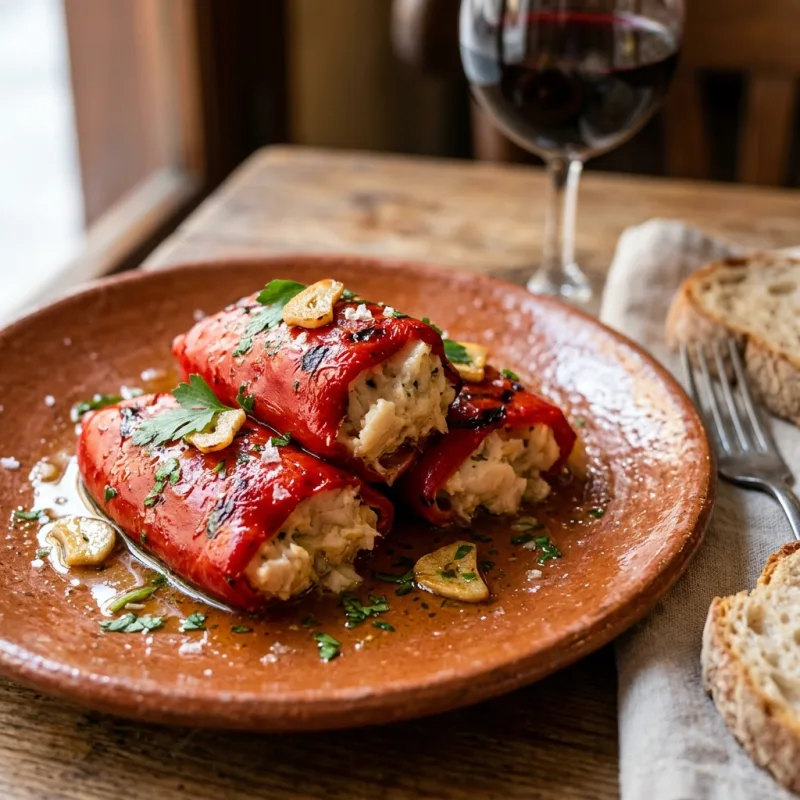
Pimientos del Piquillo Rellenos on a terracotta plate

Must Try Dish

Pimientos del Piquillo Rellenos - These sweet, slightly spicy red peppers are fire-roasted, peeled, and traditionally stuffed with a rich mixture of cod (bacalao) or minced meat. They are a staple of Navarrese cuisine, showcasing the region's exceptional agricultural produce and culinary finesse.
Food Experiences Title Icon

Food
Experiences

Discover cooking classes, tastings and local food tours

No food experience found

Related Tour Guides

Mateo Ferri -tour guide
Mateo Ferri
Spain Expert
Ana Maria Galera Lopez - tour guide
Ana Maria Galera López
Spain Expert
Anabel Arco Sola - tour guide
Anabel Arco Sola
Spain Expert
Ana Maria Soler Machirant - tour guide
Ana Maria Soler Machirant
Spain Expert
Maya, the human travel expert at TravelingWiz, offering curated, non-AI expertise

Maya’s Final Checklist for Navarre

Logistics shouldn’t be the focus of your trip—the experience should. I’ve hand-vetted these essential partners to ensure your arrival, stay, and exploration are as smooth as an Athenian breeze.

Where to Stay

From boutique hotels to local apartments—compare thousands of options and find the perfect stay in the best neighborhood.

Air Travel

Getting there should be seamless. Compare the best routes and prices across top airlines to start your journey on the right note.

Local Guides

Connect with experts who know the destination best. Get personalized advice and insider tips to help you plan your perfect trip.

Travel Protection

The “Engineer’s” rule: always have a backup. Secure your trip with a plan that covers every “what if” and unexpected change.

Car Rentals

Explore at your own pace with total freedom. Compare reliable rental options and find the right vehicle for your adventure.

Visa Services

Don’t let paperwork slow you down. Get expert assistance with your application to ensure all your entry documents are in order.

FAQs

Navarre is globally famous for the San Fermín festival (Running of the Bulls) in Pamplona, its crucial role on the Camino de Santiago, and its incredibly diverse landscapes, from the Pyrenees to the Bardenas Reales desert.
While Pamplona and major towns are accessible by bus and train, renting a car is highly recommended to fully explore Navarre’s natural parks, remote medieval villages, and scenic mountain roads.
Yes, Basque (Euskera) is a co-official language in the northern and central parts of Navarre, though Spanish is spoken universally throughout the region.
The best time to visit depends on your personal preferences. Spring and autumn provide ideal weather for hiking the Camino de Santiago and admiring the lush Irati Forest foliage. Summer brings high energy with the San Fermín festival alongside desert heat in the south, while winter offers quiet medieval towns and cozy seasonal stews.
No, Navarre is generally a moderately priced destination compared to major tourist cities like Madrid or Barcelona. You can enjoy affordable local food, reasonable accommodation, and budget-friendly attractions, though prices rise sharply in Pamplona during the San Fermín festival. For exact cost details and current price estimates, please refer to the Budget section on this page.
You can visit the Bardenas Reales Natural Park, a UNESCO Biosphere Reserve in southern Navarre that served as the backdrop for the Dothraki Sea. You can explore its dramatic, moon-like canyons and rock formations by car, guided tour, or bicycle, but plan to arrive early in the day to avoid the scorching summer heat.

Your Insights Matter

TravelingWiz grows through the stories of our community. If you’ve recently explored ,Navarre share your tips and stories to help us perfect our guides for the next traveler.

Related Articles

Check out our related articles and blog posts to learn even more about the destination.

No related articles found

Don’t Travel Alone

Share with your friends and family

Where should we send your offline card?

We hate spam just as much as you do

newsletter_consent *