Disclosure: This site contains affiliate links. We may earn a commission if you make a purchase, at no extra cost to you.

>
>
>
Region of Murcia

Region of Murcia

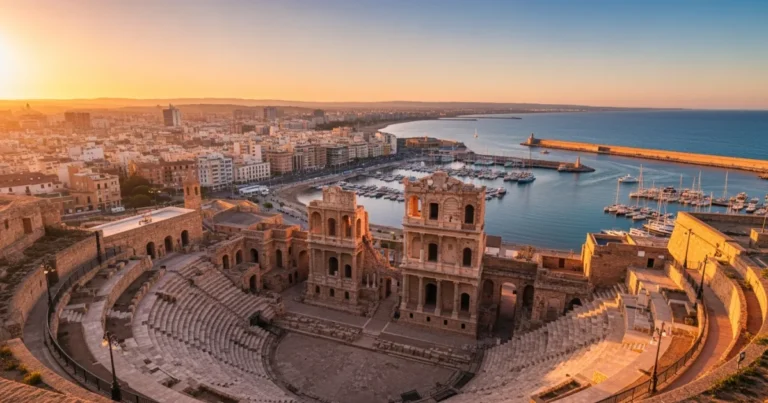
Panoramic view of the Region of Murcia, showing beaches, historic cities, and mountains at sunset

Region of Murcia Overview & Key Highlights

The Region of Murcia, nestled in southeastern Spain, offers a captivating blend of sun-drenched Mediterranean beaches, rich historical heritage, and a vibrant gastronomic scene. Known as Europe's 'orchard' due to its extensive agricultural lands, it boasts fertile plains, dramatic mountain ranges, and a stunning coastline, including the unique Mar Menor lagoon. This diverse landscape provides an ideal backdrop for a variety of travel experiences, from tranquil beach holidays to active cultural explorations, making it a truly multifaceted destination for any traveler. Visitors to Murcia can immerse themselves in ancient Roman and Moorish history in cities like Cartagena and Murcia, savor exquisite local cuisine, or explore natural parks and vineyards. The region's pleasant climate, with over 300 days of sunshine a year, makes it an attractive destination almost year-round, ensuring enjoyable outdoor activities. Whether seeking relaxation, adventure, or cultural immersion, the Region of Murcia promises an authentic Spanish experience, away from the more crowded tourist hubs, inviting travelers to discover its hidden gems and warm hospitality.

Region of Murcia Travel Guide: Logistics & In-Depth Tips

The Region of Murcia, located on Spain's southeastern coast, is a captivating destination that offers a rich tapestry of experiences for every traveler. From the tranquil, warm waters of the Mar Menor, Europe's largest saltwater lagoon, to the rugged beauty of its inland mountains and fertile agricultural plains, Murcia presents a diverse landscape. Its historical cities, such as the capital Murcia and the ancient port of Cartagena, are steeped in millennia of history, showcasing Roman ruins, Baroque architecture, and Moorish influences. Beyond its historical and natural allure, the region is a culinary paradise, celebrated for its fresh produce, seafood, and distinctive wines, making it an ideal spot for gastronomic exploration. Murcia provides an authentic Spanish experience, characterized by its sunny climate, welcoming locals, and a slower pace of life that encourages deep immersion into its unique culture.

Reasons to Visit

  • Diverse Landscapes: Enjoy both pristine Mediterranean beaches and scenic mountain ranges.
  • Rich History & Culture: Explore Roman ruins, Baroque cathedrals, and Moorish heritage.
  • Exceptional Gastronomy: Savor fresh, local produce, seafood, and traditional Murcian dishes.
  • Wine Tourism: Discover the region's D.O.P. Jumilla, Yecla, and Bullas wine routes.
  • Sunny Climate: Benefit from over 300 days of sunshine annually, perfect for outdoor activities.
  • Authentic Spanish Experience: A less crowded alternative to other Spanish regions, offering genuine local charm.
  • Water Sports: The Mar Menor is ideal for sailing, windsurfing, and other aquatic activities.

Things to Avoid

  • Peak Summer Crowds: Coastal areas can be very busy in July and August; book accommodation and activities well in advance.
  • Midday Sun: Avoid prolonged exposure to the sun during the hottest hours (1 PM - 4 PM) in summer.
  • Ignoring Siesta: Many smaller shops and businesses close for siesta in the afternoon; plan your shopping accordingly.
  • Underestimating Distances: While compact, exploring the entire region requires some planning, especially if relying solely on public transport.
  • Not Trying Local Cuisine: Missing out on Murcian specialties would be a significant oversight.

Local Transportation Tips

Getting around the Region of Murcia is relatively straightforward. Within the capital city of Murcia and Cartagena, extensive local bus networks provide efficient service, and both cities are highly walkable. For inter-city travel within the region, a network of regional buses connects most towns and cities. RENFE operates some regional train lines, particularly connecting Murcia with Cartagena and other major Spanish cities. Taxis and ride-sharing services are available in urban centers. For exploring the more rural areas, natural parks, or the wine routes, renting a car is highly recommended, offering the greatest flexibility and access to hidden gems.

Travel Etiquette

  • Greetings: A simple 'Hola' (hello) and 'Gracias' (thank you) are always appreciated.
  • Meal Times: Lunch is typically later (2 PM - 4 PM) and dinner even later (9 PM onwards) than in many other countries.
  • Tipping: Tipping is not mandatory but appreciated for good service; rounding up the bill or leaving a few euros is common.
  • Dress Code: Casual attire is generally acceptable, but modest dress is recommended when visiting religious sites.
  • Siesta: Respect the traditional siesta hours when many businesses close in the afternoon.
  • Personal Space: Spaniards tend to stand closer when conversing than in some other cultures.

Recommended Age Group

The Region of Murcia offers a diverse range of activities and environments, making it suitable for all age groups, with specific highlights for each:

  • Babies (0-2 years): Recommended. The calm, shallow waters of the Mar Menor are ideal for babies to splash safely. Many resorts and accommodations are family-friendly, and the relaxed pace of life in many areas is conducive to traveling with infants.
  • Kids (3-12 years): Recommended. Kids will love the beaches, water parks, and interactive museums in Cartagena. Outdoor activities like gentle hikes in natural parks or exploring castles provide engaging experiences.
  • Teens (13-19 years): Recommended. Teens can enjoy water sports on the Mar Menor, explore historical sites with engaging stories, discover vibrant city centers, and participate in outdoor adventures like cycling or kayaking.
  • Adults (20-64 years): Recommended. Adults will appreciate the rich cultural and historical attractions, diverse gastronomy, wine tourism, vibrant nightlife in cities, and opportunities for relaxation on the beaches or active pursuits in nature.
  • Seniors (65+ years): Recommended. The mild climate, accessible historical sites, beautiful gardens, and excellent local cuisine make Murcia very appealing for seniors. Many areas are walkable, and the relaxed atmosphere is perfect for a comfortable and enriching trip.

Accessibility Level: Medium

  • Urban Areas: Major cities like Murcia and Cartagena have increasingly accessible public spaces, with ramps and elevators in newer buildings and public transport.
  • Historical Sites: Many older historical sites may have limited accessibility due to their ancient architecture (e.g., stairs, uneven terrain). It's advisable to check specific site information beforehand.
  • Beaches: Some beaches, particularly around the Mar Menor, offer accessible pathways and services for visitors with mobility challenges.
  • Accommodation: A growing number of hotels and resorts offer accessible rooms and facilities; inquire directly when booking.
  • Transportation: Modern buses and trains often have accessibility features, but older models might not. Taxis can usually accommodate foldable wheelchairs.

Did You Know?

The Mar Menor, located in the Region of Murcia, is Europe's largest saltwater lagoon, separated from the Mediterranean Sea by a 22-kilometer-long sandbar called La Manga. Its shallow, warm, and calm waters make it an ideal spot for families and water sports enthusiasts. The region is also a significant agricultural producer, often referred to as 'Europe's orchard' due to its vast production of fruits and vegetables, which are exported across the continent.

Cool Statistics

  • Sunshine Days: Over 300 days of sunshine per year.
  • Coastline Length: Approximately 250 kilometers of coastline.
  • Wine D.O.P.s: Home to three Denominations of Origin Protected (D.O.P.) for wine: Jumilla, Yecla, and Bullas.
  • Mar Menor Size: Covers an area of about 170 square kilometers.
  • Agricultural Output: A leading producer and exporter of fruits and vegetables in Europe.

Address:

Region of Murcia, Spain

Find Nearby Accommodations

Basic Info

address icon

COUNTRY & Region

Spain,
Europe

ACCESSIBILITY LEVEL​

Medium
Currency icon

LOCAL CURRENCY​

Euro (EUR)
Price level icon
Medium
Safety Level icon

SAFETY LEVEL

Duration icon

Recommended Duration

• Full day
• Overnight
• 1-7 days
• More than a week

Electricity

electricity icon

Electricity

220-240V, 
50Hz
Plug Socket icon

Plug Type

• Type C (Round pin)
• Type F (Two round pins with earth clips)
Plug types
Click To View Plug Types

Things To Do In Region of Murcia

Total: 2

Panoramic view of Cartagena, Spain, with Roman Theatre and harbor at sunset
Cartagena highlights: Walled City, Getsemani & Rosario Islands. Complete 2026 guide covering inflation &... itineraries, costs, safety & budget.
Murcia Cathedral glowing in the golden hour sun
Murcia features a 14th-century cathedral with a 93-meter bell tower. Plan your trip with our 2026 guide to top sights.

Activities To Do In Region of Murcia

Best Time To Visit Region of Murcia

The Region of Murcia enjoys a Mediterranean climate, making it a pleasant destination for much of the year. The best times to visit depend on your preferred activities:

  • Spring (April-June): Ideal for sightseeing, hiking, and enjoying the countryside with mild temperatures and blooming landscapes.
  • Summer (July-August): Perfect for beach holidays, water sports, and enjoying the vibrant coastal nightlife, though temperatures can be very hot.
  • Autumn (September-October): Excellent for cultural tours, gastronomy, and wine tasting, with warm, comfortable temperatures.
  • Winter (November-March): Mild and sunny, suitable for exploring cities and historical sites without the crowds, though some coastal resorts may be quieter.

Average Temperatures Per Month

Remember to check the weather forecast a few days before the trip and before heading to the airport.

Safety Level icon

Safety Level

The Region of Murcia is generally safe for tourists. Exercise standard precautions: be aware of your surroundings, especially in crowded tourist areas where pickpocketing can occur. Keep valuables secure and out of sight. Avoid walking alone in poorly lit or unfamiliar areas at night. In case of emergency, dial 112.

The rating is based on multi-year peace, crime, and security indices. Before you go, always verify current conditions through official government travel advisories.

Emergency Numbers

Police: 112 (Universal) / 091
Ambulance: 112 (Universal) / 061

No internet needed • Includes local translations • Free for TravelingWiz readers

Spoken Languages

Spanish (Castilian)

Learn The Language

  • Hola: Hello
  • Gracias: Thank you
  • Por favor: Please
  • ¿Cuánto cuesta?: How much does it cost?
  • Sí/No: Yes/No
  • Disculpe: Excuse me
  • ¿Habla inglés?: Do you speak English?
  • Adiós: Goodbye
Travel Booking Partner - TravelingWiz

Trip Cost & Budgeting for Region of Murcia, 2026

Everything you need to know about money while traveling
Region of Murcia offers a surprisingly affordable Mediterranean escape compared to Spain's major tourist hotspots. Based on Human Verified prices, you can expect to pay around €2.10 for a cappuccino, €2.60 for a pint of domestic beer, and €22 for a solid main meal at a mid-range restaurant. With TravelingWiz's Human Verified data, a typical traveler should expect to spend around $109 USD per day for a mid-range trip in Region of Murcia. Click the Trip Cost Calculator button below the table to work out your personal budget for this trip.
Currency icon

LOCAL CURRENCY​:

Euro (EUR)
Price level icon
Medium
Cards are widely accepted throughout Murcia, though keeping a little cash is handy for small plaza tapas bars.

Per person, per day – pocket cash for small purchases.

Local: 10
Euro (EUR)
≈ 12 USD

Full daily spend estimation (accommodation, food, transportation, attractions).

Travel Style
Euro (EUR)
≈ USD ($)
Budget
50
58
Mid-range
95
109
Comfort
210
242

The Prices, Daily costs, and calculator results are estimates for planning purposes only. Actual costs may vary based on season, booking timing, personal spending habits, and currency fluctuations. TravelingWiz cannot be held responsible for discrepancies between these estimates and your final trip expenses.

  • • Order the menu del dia at lunchtime for a complete multi-course meal at a fraction of dinner prices.
  • • Enjoy authentic local tapas at Plaza de las Flores where small, budget-friendly bites accompany drinks.
  • • Take advantage of inexpensive regional bus and train links to visit nearby coastal destinations like Cartagena.
  • • Visit municipal markets like Mercado de Veronicas for fresh produce and low-cost regional snacks.

Pre-Order Tickets

Avoid disappointment when tickets sell out — and skip the long lines by booking online in advance. You’ll often save up to 20% too.
Save up to 20%

Travel Discounts & Coupons

Save on hotels, attractions, transport, and gear — find verified discounts for smarter travel spending.
Verified Coupons

What To Pack

  • Lightweight clothing for summer months, layers for spring/autumn evenings.
  • Swimwear, sunscreen, and a hat for beach and outdoor activities.
  • Comfortable walking shoes for city exploration and hiking.
  • A reusable water bottle to stay hydrated.
  • Basic first-aid kit and any personal medications.
  • Adapter for Type C/F plugs if traveling from outside Europe.
We couldn't find tips for Region of Murcia.
If you got any, please share

Recommended Itineraries for Traveling to Region of Murcia

We couldn't find itineraries for Region of Murcia.
you can contact us for custom trip plan

Food & Drink Highlights

Local Food Overview

Murcian gastronomy is a delightful reflection of its 'orchard of Europe' status, characterized by fresh, seasonal produce, seafood from its coast, and traditional hearty dishes. The cuisine is rich in vegetables, rice, and fresh fish, often prepared simply to highlight the quality of the ingredients. From flavorful stews to exquisite tapas, the region offers a culinary journey that is both authentic and satisfying, deeply rooted in its agricultural and maritime heritage.
Traditional Murcian Zarangollo, a vegetable and egg scramble

Must Try Dish

Zarangollo - This traditional Murcian scramble is a simple yet incredibly flavorful dish made with zucchini, onion, and sometimes potatoes, all gently sautéed and mixed with scrambled eggs. It's a comforting and versatile staple, often served as a tapa or a side dish, showcasing the region's fresh vegetable bounty.
Food Experiences Title Icon

Food
Experiences

Discover cooking classes, tastings and local food tours

No food experience found

Related Tour Guides

Mateo Ferri -tour guide
Mateo Ferri
Spain Expert
Ana Maria Galera Lopez - tour guide
Ana Maria Galera López
Spain Expert
Anabel Arco Sola - tour guide
Anabel Arco Sola
Spain Expert
Ana Maria Soler Machirant - tour guide
Ana Maria Soler Machirant
Spain Expert
Maya, the human travel expert at TravelingWiz, offering curated, non-AI expertise

Maya’s Final Checklist for Region of Murcia

Logistics shouldn’t be the focus of your trip—the experience should. I’ve hand-vetted these essential partners to ensure your arrival, stay, and exploration are as smooth as an Athenian breeze.

Where to Stay

From boutique hotels to local apartments—compare thousands of options and find the perfect stay in the best neighborhood.

Air Travel

Getting there should be seamless. Compare the best routes and prices across top airlines to start your journey on the right note.

Local Guides

Connect with experts who know the destination best. Get personalized advice and insider tips to help you plan your perfect trip.

Travel Protection

The “Engineer’s” rule: always have a backup. Secure your trip with a plan that covers every “what if” and unexpected change.

Car Rentals

Explore at your own pace with total freedom. Compare reliable rental options and find the right vehicle for your adventure.

Visa Services

Don’t let paperwork slow you down. Get expert assistance with your application to ensure all your entry documents are in order.

FAQs

Key attractions include the historic cities of Murcia (Cathedral, Casino Real) and Cartagena (Roman Theatre, Naval Museum), the beaches and calm waters of the Mar Menor, and natural parks like Sierra Espuña. The region is also known for its gastronomy and wine routes.
While a car offers the most flexibility to explore rural areas and smaller towns, major cities like Murcia and Cartagena are well-connected by public buses and regional trains. Within cities, walking is often the best way to get around, and local bus services are available.
Murcian cuisine is known for its fresh vegetables, rice dishes (like ‘arroz caldero’), fresh seafood, and hearty stews. Don’t miss local specialties like ‘paparajotes’ (lemon leaf fritters) for dessert and a wide array of tapas.
Yes, Murcia is very family-friendly. The Mar Menor offers safe, shallow beaches ideal for children, and there are numerous parks, water parks, and interactive museums. Many restaurants are accommodating to families, and outdoor activities abound.

Your Insights Matter

TravelingWiz grows through the stories of our community. If you’ve recently explored ,Region of Murcia share your tips and stories to help us perfect our guides for the next traveler.

Related Articles

Check out our related articles and blog posts to learn even more about the destination.

No related articles found

Don’t Travel Alone

Share with your friends and family

Where should we send your offline card?

We hate spam just as much as you do

newsletter_consent *