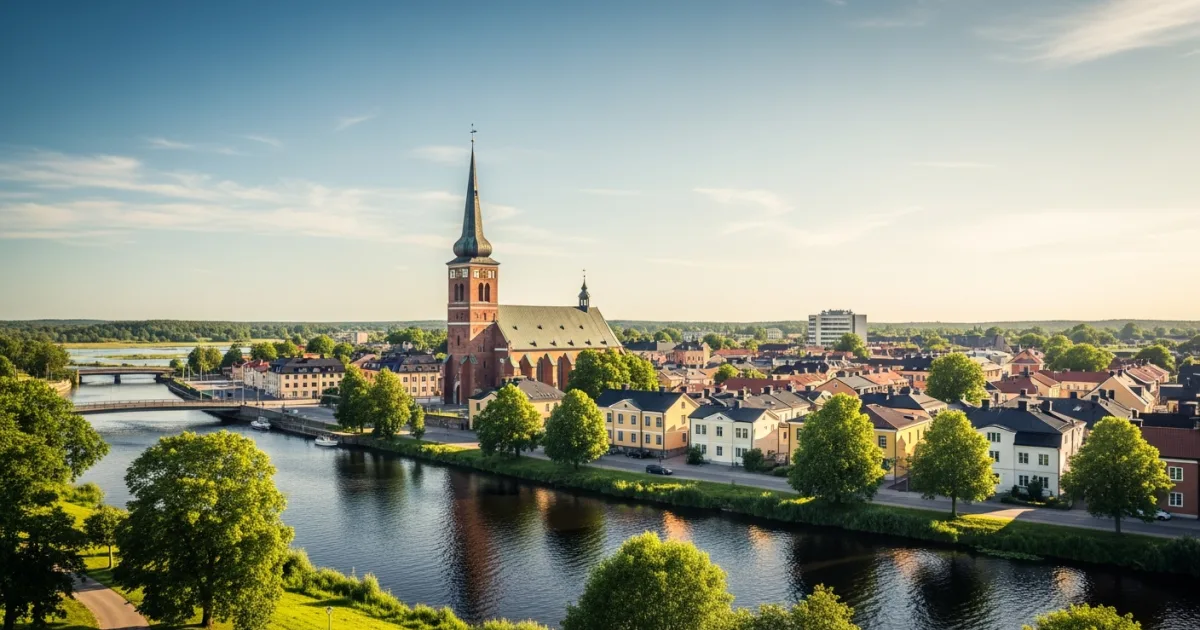
Kristianstad, a city founded in 1614 by King Christian IV of Denmark, stands as a testament to rich history and natural splendor in Skåne County, Sweden. Its strategic location by the Helgeå river and the Baltic Sea has shaped its identity, making it a hub for both trade and nature conservation. The city center is characterized by its grid-patterned streets and well-preserved 17th-century architecture, most notably the magnificent Holy Trinity Church, considered one of the finest Renaissance churches in Scandinavia. Beyond its urban core, Kristianstad seamlessly transitions into the Vattenriket Biosphere Reserve, a unique wetland ecosystem recognized by UNESCO. This reserve is a haven for diverse flora and fauna, offering visitors unparalleled opportunities for birdwatching, kayaking, and exploring nature trails. The city's commitment to sustainability and its vibrant cultural scene, including museums, art galleries, and local markets, ensure a fulfilling experience for every traveler. Whether you're a history buff, a nature enthusiast, or simply seeking a tranquil escape, Kristianstad provides a captivating blend of experiences that highlight the best of southern Sweden.
Reasons to Visit
- Vattenriket Biosphere Reserve: Explore a UNESCO-recognized wetland with diverse wildlife and accessible nature trails.
- Holy Trinity Church (Heliga Trefaldighetskyrkan): Admire one of Scandinavia's most beautiful Renaissance churches.
- Regional Museum (Regionmuseet Kristianstad): Delve into the history and culture of Skåne and Kristianstad.
- Kristianstad's Water Tower: Enjoy panoramic views of the city and surrounding landscape.
- Bäckaskog Castle: Visit a historic castle and monastery located just outside the city.
- Local Cuisine: Savor traditional Skåne dishes, especially 'Äggakaka' and fresh local produce.
- Cycling and Walking: Discover the city and its natural surroundings via extensive, well-maintained paths.
- Charming City Center: Wander through historic streets, enjoy cafes, and explore unique boutiques.
Things to Avoid
- Littering: Sweden has a strong environmental consciousness; always dispose of waste properly.
- Ignoring 'Allemansrätten': While Sweden has 'freedom to roam,' respect private property and cultivated land.
- Being overly loud in public: Swedes generally appreciate quiet and personal space, especially on public transport.
- Expecting late-night dining: Many restaurants close earlier than in other European cities, especially on weekdays.
- Not booking accommodation in advance during peak season: Popular places can fill up quickly in summer.
Local Transportation Tips
Kristianstad is a very compact and walkable city, making it easy to explore the city center and many attractions on foot. Cycling is also extremely popular, with numerous dedicated bike lanes and rental options available, providing an excellent way to experience the Vattenriket Biosphere Reserve. For longer distances or reaching areas outside the immediate city center, the local bus network (Skånetrafiken) is efficient and reliable. Tickets can be purchased via their app, at kiosks, or on board. Taxis are available but can be expensive. For regional travel within Skåne, trains are a convenient option.
Travel Etiquette
- Punctuality: Swedes value punctuality, especially for appointments or social gatherings.
- Personal Space: Respect personal space; avoid standing too close to people in queues or conversations.
- Queuing: Always queue in an orderly fashion; cutting lines is frowned upon.
- Sustainability: Embrace eco-friendly practices, such as recycling and conserving resources.
- 'Fika': Participate in the Swedish tradition of 'fika' – a coffee break with pastries – it's a social ritual.
- Formality: While generally informal, a polite 'tack' (thank you) and 'ursäkta mig' (excuse me) are always appreciated.
Recommended Age Group
Kristianstad is a versatile destination that caters wonderfully to all age groups, offering a balanced mix of educational, relaxing, and adventurous activities.
- Babies (0-2 years): Recommended. The city is stroller-friendly with many parks and quiet natural areas like Vattenriket's boardwalks. Cafes and restaurants are generally accommodating.
- Kids (3-12 years): Recommended. Children will enjoy the interactive exhibits at Naturum Vattenriket, exploring castles, cycling paths, and the numerous playgrounds. The safe and calm environment is ideal for families.
- Teens (13-19 years): Recommended. Teens can appreciate the historical sites, engage in outdoor activities like kayaking or cycling, explore local shops, and enjoy the relaxed atmosphere.
- Adults (20-64 years): Recommended. Adults will find plenty to do, from cultural exploration and fine dining to nature adventures, birdwatching, and enjoying the city's vibrant cafe culture.
- Seniors (65+ years): Recommended. Kristianstad's flat terrain, accessible attractions, and peaceful environment make it an excellent choice for seniors. Many museums and natural areas are easily navigable, and public transport is efficient.
Accessibility Level: Medium
- Public Transport: Buses are generally accessible, with low floors and designated spaces for wheelchairs.
- Walkability: The city center is relatively flat and well-maintained, making it easy for walking and wheelchair users.
- Attractions: Many key attractions, including Naturum Vattenriket and the Regional Museum, offer good accessibility with ramps and elevators.
- Vattenriket Biosphere Reserve: Several boardwalks and viewing platforms within the reserve are designed to be wheelchair-friendly, allowing access to nature.
- Accommodation: A growing number of hotels and guesthouses offer accessible rooms; it's advisable to confirm directly when booking.
Did You Know?
Kristianstad is unique for being located below sea level in some parts, protected by dikes and pumping stations, making it one of the lowest-lying cities in Sweden. The city was founded by the Danish King Christian IV, and its grid-patterned layout was inspired by Renaissance ideals. Furthermore, Kristianstad is the only city in Sweden that is home to a UNESCO Biosphere Reserve (Vattenriket) within its municipal boundaries, highlighting its exceptional natural value and commitment to conservation.
Cool Statistics
- Population: Approximately 86,000 (municipality, 2023).
- Founded: 1614 by King Christian IV of Denmark.
- Area: 1,346 km² (municipality).
- Lowest Point: Parts of the city are 2.7 meters (9 feet) below sea level.
- UNESCO Status: Home to the Vattenriket Biosphere Reserve since 2005.
- Distance to Malmö: Approximately 90 km (56 miles).







Buy a compatible power adapter for your trip