Perched upon a narrow strip of land where the Mūsa and Mēmele rivers join to form the Lielupe River, Bauska occupies a strategic vantage point in southern Latvia. Founded in 1443 by the Teutonic Order's Livonian branch to defend against Lithuanian incursions, the town quickly developed into a prominent trading hub along northern transit roads. Today, the town presents a harmonious balance of raw medieval defense structures and refined Renaissance ducal elegance.
Beyond Bauska Castle, the town features a reconstructed 17th-century Town Hall in the central square, home to ancient standard measures and heritage exhibits. Surrounding streets contain preserved 19th-century wooden architecture and peaceful green verges. Bauska is also a favored staging point for exploring Rundāle Palace, making it an essential hub for enthusiasts of Baltic history, noble estates, and pastoral river valleys.
Reasons to Visit
- Bauska Castle Complex: Explore the rare architectural pairing of a 15th-century crusader ruin and a fully restored Mannerist/Renaissance residence.
- Breathtaking River Confluence: Stroll along the nature park where the Mūsa and Mēmele rivers converge amidst peaceful parklands.
- Proximity to Rundāle Palace: Access Latvia's grandest Baroque and Rococo palace within a short 15-minute transfer.
- Bauska Motor Museum: View a dedicated collection of vintage Soviet and European automobiles, trucks, and agricultural machines.
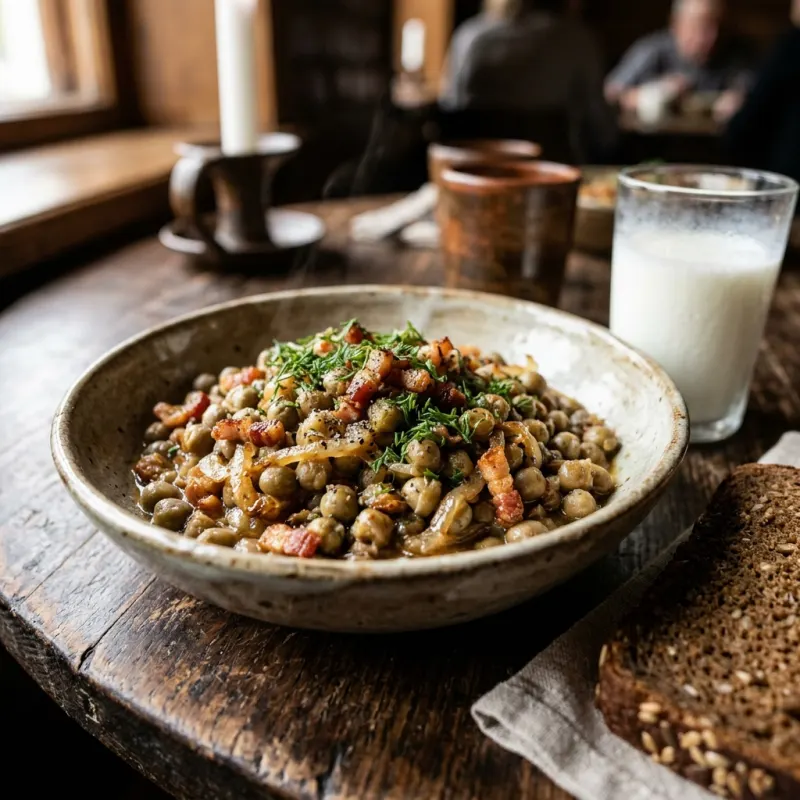
- Authentic Zemgale Flavors: Sample local culinary heritage, from classic Latvian grey peas to historic Bauskas Alus brewery drafts.
Things to Avoid
- Avoid wearing smooth-soled or high-heeled shoes, as the castle grounds and historic alleys feature uneven stone paving and dirt inclines.
- Do not skip checking regional bus timetables back to Riga or Rundāle on Sundays, as weekend schedules may operate with reduced frequencies.
- Avoid staying strictly within the town center; the trails leading down to the river promontory offer some of the most striking panoramic castle views.
Local Transportation Tips
Bauska is easily traversed on foot. The distance between the central bus terminal, the historic market square, and Bauska Castle is under 2 kilometers, connected by well-maintained sidewalks and nature paths. For excursions outside the town center—such as to Rundāle Palace or the Bauska Motor Museum branch—reliable local buses depart regularly from the central bus terminal (Bauskas autoosta). Taxis can be arranged via phone dispatch or through local accommodations.
Travel Etiquette
- Greet shopkeepers and museum staff with a polite 'Labdien' (Good day).
- Maintain quiet voices when visiting historical memorial grounds, churches, and castle interiors.
- Remove hats when entering historic houses of worship, such as the Holy Spirit Lutheran Church.
- Tipping in restaurants is customary for good service; 5% to 10% in cash or rounded up on the card is appreciated.
Recommended Age Group
Bauska is a versatile destination welcoming travelers of all ages, though historic paving and stairs require moderate mobility.
- Babies (0-2 years): Neutral. Cobblestone roadways and castle steps present challenges for standard strollers, making baby carriers recommended.
- Kids (3-12 years): Recommended. Children will appreciate the medieval armor displays, the castle grounds, and interactive vintage cars at the local motor museum.
- Teens (13-19 years): Recommended. Offers scenic photo backdrops, castle tower climbs, and active cycling paths along the rivers.
- Adults (20-64 years): Recommended. Perfect balance of castle architecture, craft brewery history, tranquil nature, and museum exhibitions.
- Seniors (65+ years): Recommended. Flat central town terrain and peaceful parks suit relaxed exploration, though handrails should be utilized when ascending castle towers.
Accessibility Level: Medium
- The reconstructed Bauska Town Hall and ground-floor visitor spaces offer accessible entries and modern restrooms.
- The interior exhibitions of the Duke's Palace at Bauska Castle feature level access in selected wings, though upper floors and the ruined medieval tower are accessible only via staircases.
- Paved pathways run through parts of Bauska Nature Park, while riverside trails consist of packed dirt and grass that may become soft after rain.
- Regional low-floor buses between Riga and Bauska accommodate wheelchairs, but advance confirmation with the carrier is recommended.
Did You Know?
Bauska Castle was built using dolomite stone quarried directly from the riverbed below, providing both the construction material for the walls and a natural defensive moat around the fortress base.
Cool Statistics
- 1443: The year construction began on the original Livonian Order fortress in Bauska.
- 66 km: The driving distance separating Bauska from Latvia's capital, Riga.
- 2 rivers: The Mūsa and Mēmele, which merge at Bauska's promontory to birth the Lielupe River.






Buy a compatible power adapter for your trip