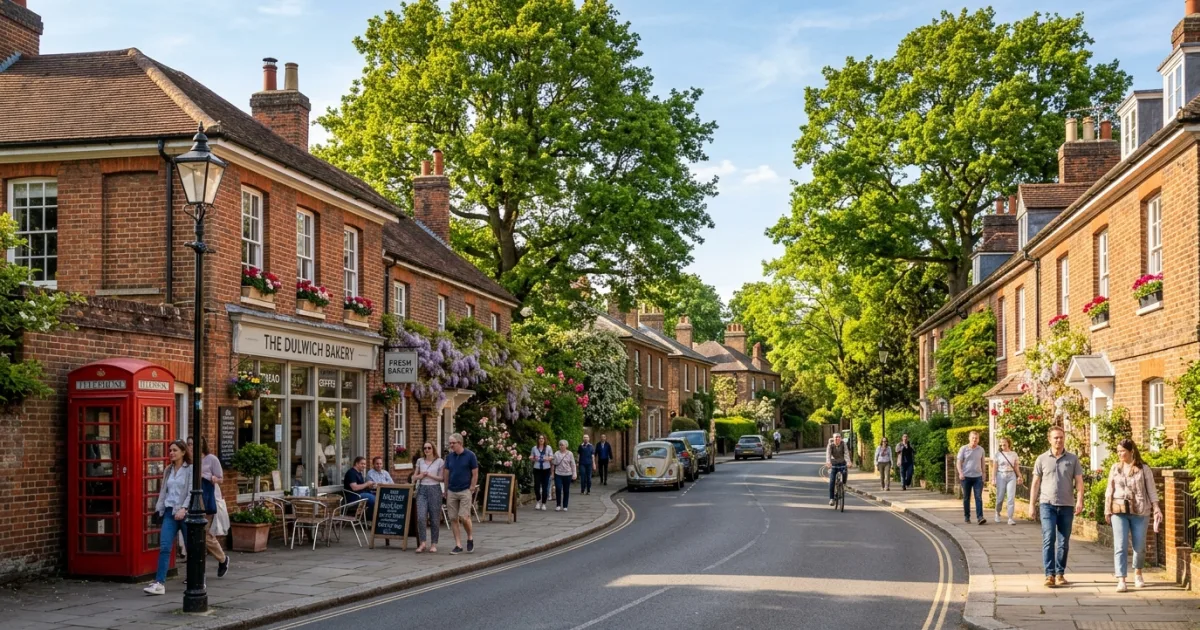
Dulwich Village represents a rare survival of an English country village atmosphere preserved directly within Inner South London's Zone 2 and 3 boundaries. Founded largely on the historic land grant bestowed upon the College of God's Gift by Elizabethan actor and theatrical entrepreneur Edward Alleyn in the early seventeenth century, the area is meticulously monitored by the Dulwich Estate. This unique governance ensures that original Georgian brick facades, mature tree canopies, and historic signposts remain unmarred by modern commercial expansion.
Beyond its architectural continuity, the village serves as a major cultural and botanical landmark. It hosts the world-famous Dulwich Picture Gallery, Christ's Chapel of God's Gift, and the sprawling 72-acre Dulwich Park. With its independent bookshops, traditional tea rooms, and pedestrian-friendly streets, Dulwich Village offers visitors an unhurried, cultured urban retreat just a short train ride away from London's bustling city center.
Reasons to Visit
- Inspect masterpieces by Rembrandt, Rubens, and Gainsborough at the world-renowned Dulwich Picture Gallery.
- Stroll along peaceful, leafy footpaths surrounded by Grade II-listed Georgian cottages and Regency residences.
- Unwind in the expansive grounds of Dulwich Park, complete with an outdoor cafe, cycling paths, and a boating lake.
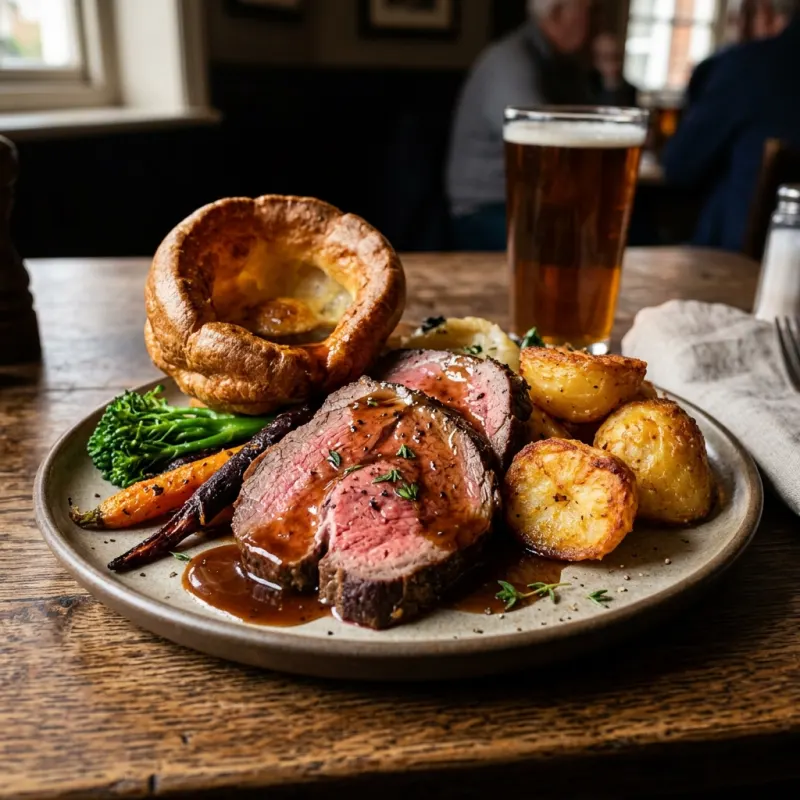
- Experience an authentic English Sunday lunch at historic village taverns like The Crown & Greyhound.
- Browse carefully curated independent boutiques, local bookshops, and artisanal food delis along the main village thoroughfare.
Things to Avoid
- Avoid driving into the village on weekday school run hours (8:00–9:00 AM and 3:30–4:30 PM), as local school traffic causes temporary congestion.
- Do not rely on the London Underground; Dulwich Village is served strictly by National Rail overland stations and local buses.
- Avoid visiting the Dulwich Picture Gallery on Mondays, as it is closed to the public except for select bank holidays.
- Do not expect vibrant late-night nightlife; the village winds down considerably after 10:30 PM.
Local Transportation Tips
Dulwich Village is easily accessible via overland public transit. North Dulwich station (served by trains from London Bridge) sits an 8-minute walk to the north, while West Dulwich station (served by trains from London Victoria) is an 11-minute walk to the southwest. Transport for London bus routes P4 and 37 run directly through the village. Contactless payment or Oyster cards apply on all trains and buses across the network.
Travel Etiquette
- Keep to the left-hand side when walking or cycling along shared paths in Dulwich Park.
- Mind residential privacy and avoid peering into the ground-floor windows of private historic homes.
- Keep dogs on leashes near designated wildlife areas and children's play parks.
- Queue politely at bakery counters, cafes, and bus stops without attempting to push forward.
Recommended Age Group
Dulwich Village provides an adaptable, tranquil environment that appeals across generations, from young families to retirees.
- Babies (0-2 years): Recommended. Wide, flat paved paths in Dulwich Park and step-free gallery areas accommodate pushchairs with ease.
- Kids (3-12 years): Recommended. Excellent outdoor playgrounds, pedalo boating on the lake, and open spaces offer plenty of room to play.
- Teens (13-19 years): Neutral. Those interested in art, cycling, or relaxed cafes will enjoy a visit, but there are no thrill attractions or high-energy youth scenes.
- Adults (20-64 years): Recommended. Ideal for architecture walks, museum exploration, boutique shopping, and relaxed dining.
- Seniors (65+ years): Recommended. Flat terrain, accessible public transit, quiet streets, and abundant seating throughout the village make it exceptionally comfortable.
Accessibility Level: Medium
- Dulwich Picture Gallery features level access, automatic entrance doors, accessible toilets, and complimentary loan wheelchairs.
- Dulwich Park offers wide, asphalt-paved pathways with gentle gradients suitable for manual and electric wheelchairs.
- Local buses (P4 and 37) feature low floors, dedicated wheelchair spaces, and automated audio-visual stop announcements.
- Rail access note: West Dulwich station features ramped platform access, whereas North Dulwich has stepped footbridge access for London-bound platforms.
Did You Know?
Dulwich Picture Gallery, opened in 1817, was the first purpose-built public art gallery in the world. Designed by Sir John Soane, its innovative roof skylight design went on to influence art museum architecture across the globe for centuries.
Cool Statistics
- Founded in 1619 by master Elizabethan actor and entrepreneur Edward Alleyn.
- Dulwich Park spans approximately 72 acres (29 hectares) of protected historic green space.
- The Picture Gallery houses over 600 European Old Master oil paintings.
- Home to one of London's original surviving 18th-century wooden tollgates on College Road.







Buy a compatible power adapter for your trip