

Victoria and Albert Museum
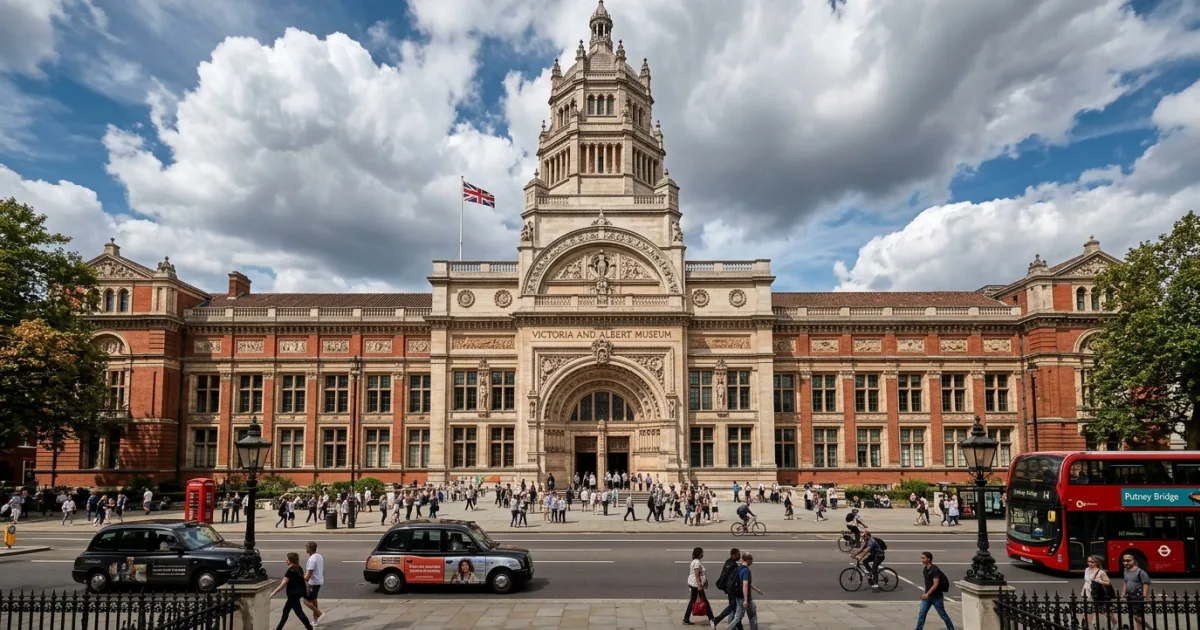
Victoria and Albert Museum Overview & Key Highlights
The Victoria and Albert Museum (V&A) in London is the world's largest museum of applied and decorative arts and design, housing a permanent collection of over 2.27 million objects. Founded in 1852 and named after Queen Victoria and Prince Albert, the museum spans 12.5 acres and features 145 galleries. Visitors can explore 5,000 years of human creativity, with extensive collections covering ceramics, glass, textiles, costumes, silver, ironwork, jewelry, furniture, medieval objects, sculpture, printmaking, drawings, and photographs from ancient times to the present day. The museum's architecture is a masterpiece in its own right, showcasing stunning Victorian and Edwardian designs, including the famous John Madejski Garden and the world's oldest museum restaurant. The V&A is renowned for its spectacular Cast Courts, which hold hundreds of plaster casts of sculptures, friezes, and tombs, including a full-scale replica of Trajan's Column. Beyond its permanent collections, the museum hosts world-class temporary exhibitions focusing on fashion, photography, and theater, making it a dynamic cultural hub that continually offers new experiences for art and history enthusiasts.
Victoria and Albert Museum Travel Guide: Logistics & In-Depth Tips
The Victoria and Albert Museum stands as a monument to human ingenuity and artistic endeavor. Located in the cultural heart of South Kensington, it forms part of the 'Albertopolis' complex alongside the Natural History Museum and the Science Museum. The V&A's vast collection spans multiple continents and millennia, offering an unparalleled journey through the history of creativity. From the intricate metalwork of the Islamic Middle East to the delicate ceramics of East Asia, and the sweeping evolution of European fashion, the museum provides a comprehensive look at how design has shaped societies.
One of the most breathtaking spaces within the museum is the Cast Courts. Opened in 1873, these soaring galleries were designed to house exact plaster replicas of some of the world's most famous monuments and sculptures, allowing Victorians who could not travel to experience European masterpieces. Today, they remain a fascinating time capsule of 19th-century museum culture. Additionally, the museum's Fashion galleries are a major draw, featuring garments spanning five centuries, highlighting the evolution of style, fabric, and tailoring. Whether you are a student of design, a history buff, or simply a curious traveler, the V&A offers an endless array of visual delights.
Reasons to Visit
- Unrivaled Collections: View the world's largest collection of decorative arts, spanning 5,000 years.
- Free Admission: Enjoy access to millions of priceless artifacts without paying an entry fee.
- Architectural Splendor: Marvel at the stunning Victorian and Edwardian architecture of the building itself.
- The V&A Cafe: Dine in the world's oldest museum restaurant, featuring exquisite rooms designed by William Morris.
- World-Class Exhibitions: Experience critically acclaimed temporary exhibitions focusing on fashion icons, photography, and pop culture.
Things to Avoid
- Rushing the Visit: Avoid trying to see the entire 12.5-acre museum in a single afternoon; pick a few specific galleries to focus on.
- Peak Weekend Hours: Avoid visiting on Saturday afternoons if you prefer a quieter experience; opt for weekday mornings instead.
- Carrying Large Bags: Avoid bringing large backpacks or suitcases, as you will be required to check them into the cloakroom.
- Missing the Courtyard: Don't skip the John Madejski Garden, especially on a sunny day, as it's a perfect spot to rest.
Local Transportation Tips
The Victoria and Albert Museum is highly accessible via London's extensive public transport network. The most convenient route is taking the London Underground to South Kensington station, which is served by the Piccadilly, Circle, and District lines. From the station, an underground pedestrian tunnel provides direct, weather-proof access straight into the museum. Numerous bus routes also stop directly outside the museum on Cromwell Road. For those cycling, Santander Cycles docking stations are located nearby.
Travel Etiquette
- Keep Voices Low: Maintain a quiet and respectful volume, as many visitors come to study and sketch the artworks.
- Do Not Touch: Refrain from touching any of the artifacts, sculptures, or textiles, as oils from skin can cause permanent damage.
- Photography Rules: Always check signage before taking photos; turn off your flash and respect areas where photography is banned.
- Backpack Etiquette: If carrying a small backpack, wear it on your front to avoid accidentally bumping into delicate displays.
Recommended Age Group
The Victoria and Albert Museum offers a diverse range of exhibits that cater to various interests and age groups, making it a versatile destination for all travelers.
- Babies (0-2 years): Neutral. The museum is fully stroller accessible with elevators and ramps, but the static exhibits offer limited engagement for infants.
- Kids (3-12 years): Recommended. The museum provides excellent free activity backpacks and trails designed specifically to keep children engaged with the collections.
- Teens (13-19 years): Recommended. The extensive fashion, theater, and performance galleries, along with pop-culture exhibitions, are highly appealing to teenagers.
- Adults (20-64 years): Recommended. Adults will appreciate the deep historical context, intricate craftsmanship, and world-class temporary exhibitions.
- Seniors (65+ years): Recommended. The museum offers excellent accessibility, plenty of seating throughout the galleries, and a relaxed pace for exploration.
Accessibility Level: Medium
- Step-free access is available at the Cromwell Road and Exhibition Road entrances.
- Elevators provide access to all levels and galleries within the museum.
- Accessible toilets and Changing Places facilities are located on the ground floor.
- Manual wheelchairs and mobility scooters are available to borrow for free (booking in advance is recommended).
- Sensory backpacks and large print guides are available for visitors with visual or sensory impairments.
Did You Know?
The Victoria and Albert Museum was the first museum in the world to use gas lighting in its galleries. This innovative decision was made to allow the working classes to visit the museum in the evenings after their shifts had ended, reflecting Prince Albert's vision of making art and education accessible to all.
Cool Statistics
- 2.27 Million: The number of objects housed in the museum's permanent collection.
- 145: The total number of galleries spread across the museum.
- 12.5 Acres: The total floor space the museum covers.
- 1852: The year the museum was originally founded as the Museum of Manufactures.
- 5,000 Years: The span of human history covered by the museum's artifacts.
Address:
Find Nearby Accommodations
Basic Info

COUNTRY & Region

ACCESSIBILITY LEVEL

LOCAL CURRENCY

Price Level

SAFETY LEVEL

Recommended Duration
• Full day
- Find Accommodations
- Book A Flight
- Rent A Car
- Need a Visa?
Electricity

Electricity

Plug Type

Activities To Do In Victoria and Albert Museum
Best Time To Visit Victoria and Albert Museum
The Victoria and Albert Museum is an excellent year-round destination due to its indoor nature. However, visiting during the shoulder seasons of spring and autumn offers a pleasant balance of manageable crowds and mild weather for enjoying the outdoor courtyard.
- Spring (March to May): Ideal for enjoying the John Madejski Garden as the weather warms up.
- Autumn (September to November): Great for catching major new temporary exhibitions that often open in the fall.
- Winter (December to February): Perfect for escaping the cold London weather, though holiday periods can be busy.
Average Temperatures Per Month
Remember to check the weather forecast a few days before the trip and before heading to the airport.
Safety Level
The rating is based on multi-year peace, crime, and security indices. Before you go, always verify current conditions through official government travel advisories.
Emergency Numbers
No internet needed • Includes local translations • Free for TravelingWiz readers
Spoken Languages
Learn The Language
- Hello
- Please
- Thank you
- Excuse me
- Where is the restroom?
- How much is this?
- Do you have a map?
- Goodbye

Trip Cost & Budgeting for Victoria and Albert Museum, 2026
LOCAL CURRENCY:
Price Level:
Cards Vs. Cash
How Much Cash to Carry (on you)
Per person, per day – pocket cash for small purchases.
Average Daily Costs (per person)
Full daily spend estimation (accommodation, food, transportation, attractions).
Travel Style | British Pound (GBP) | ≈ USD ($) |
|---|---|---|
Budget | 115 | 152 |
Mid-range | 210 | 278 |
Comfort | 460 | 609 |
The Prices, Daily costs, and calculator results are estimates for planning purposes only. Actual costs may vary based on season, booking timing, personal spending habits, and currency fluctuations. TravelingWiz cannot be held responsible for discrepancies between these estimates and your final trip expenses.
Best Value Tips
- • Take advantage of London's world-class free museums including the British Museum, National Gallery, and Tate Modern.
- • Use contactless cards or Apple/Google Pay on public transit to benefit automatically from daily fare capping.
- • Grab lunchtime supermarket meal deals at Sainsbury's or Tesco for a complete quick meal under 5 GBP.
- • Book discounted West End theater tickets on show days using the official TKTS booth or theater rush apps.
Pre-Order Tickets
Travel Discounts & Coupons
What To Pack
- Comfortable walking shoes for navigating the 12.5 acres of galleries.
- A small, secure cross-body bag, as large backpacks must be checked in the cloakroom.
- A reusable water bottle to stay hydrated during your visit.
- A camera or smartphone for taking photos (flash is prohibited in most areas).
- A light sweater or layer, as climate control in the galleries can feel cool.
Related Travel Tips
If you got any, please share
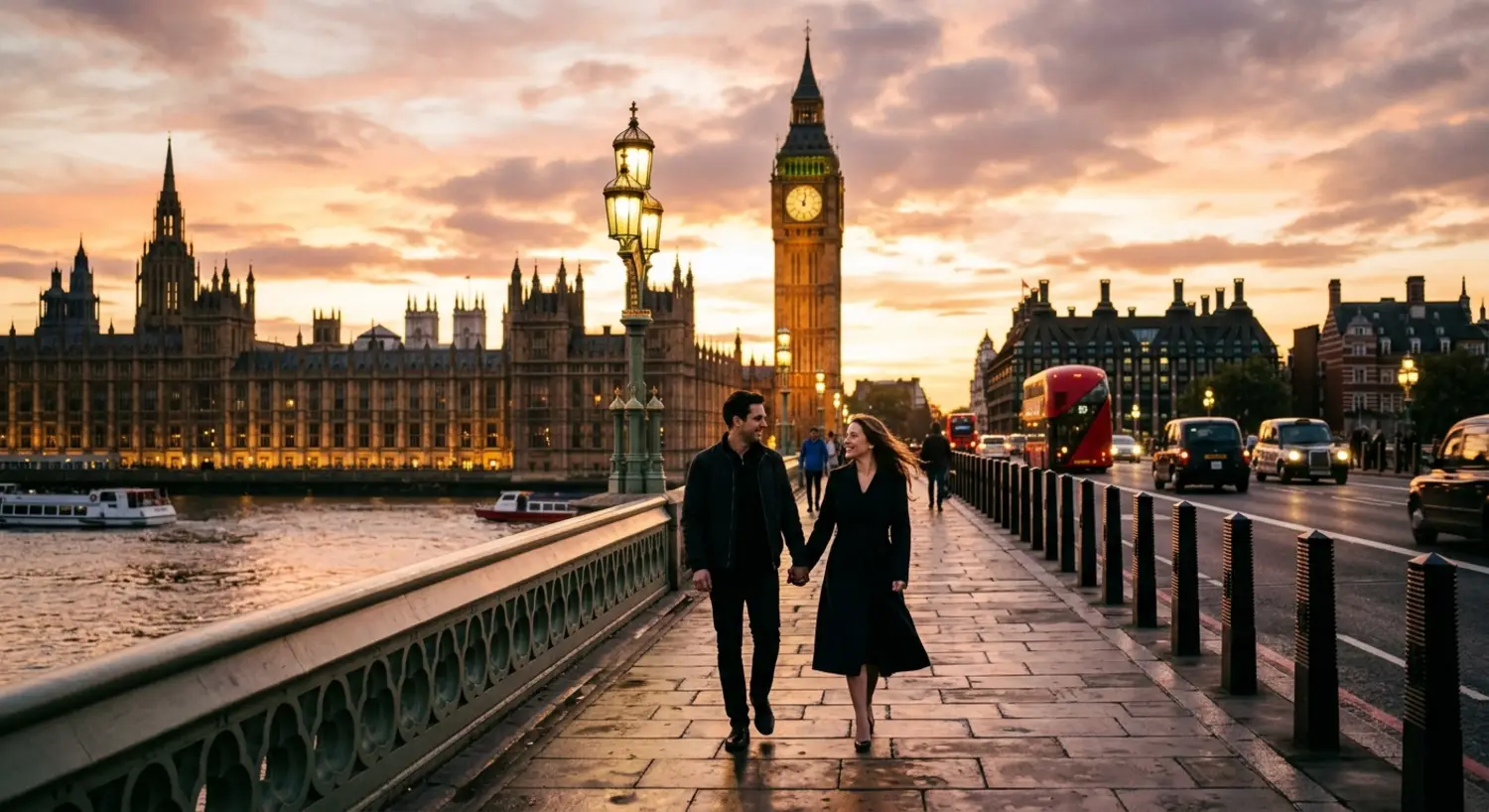
Food & Drink Highlights
Local Food Overview
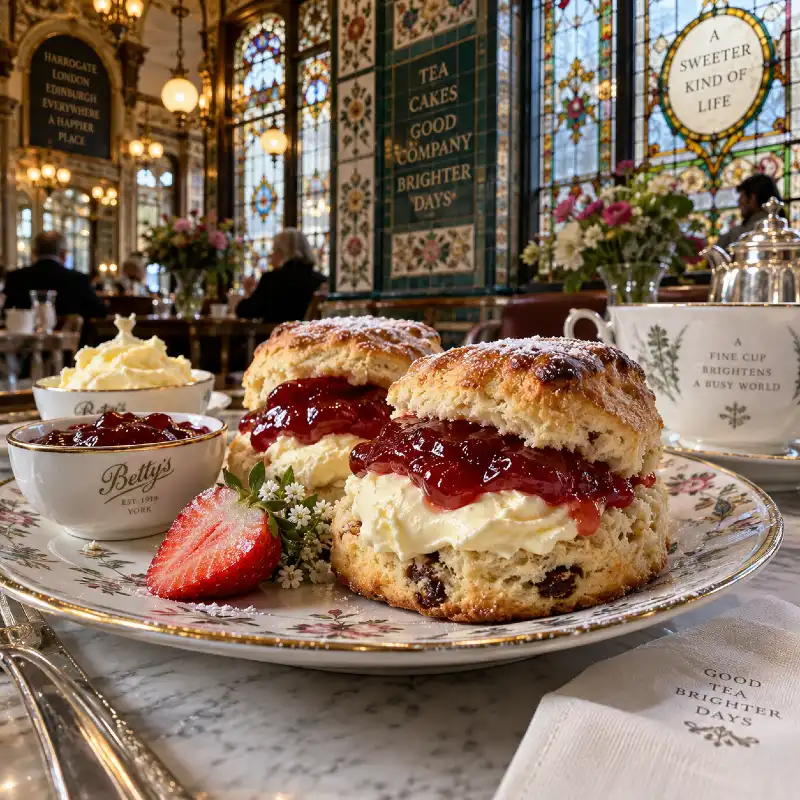
Must Try Dish

Food
Experiences
Discover cooking classes, tastings and local food tours

Maya’s Final Checklist for Victoria and Albert Museum
Logistics shouldn’t be the focus of your trip—the experience should. I’ve hand-vetted these essential partners to ensure your arrival, stay, and exploration are as smooth as an Athenian breeze.
Where to Stay
From boutique hotels to local apartments—compare thousands of options and find the perfect stay in the best neighborhood.
Air Travel
Getting there should be seamless. Compare the best routes and prices across top airlines to start your journey on the right note.
Local Guides
Connect with experts who know the destination best. Get personalized advice and insider tips to help you plan your perfect trip.
Travel Protection
The “Engineer’s” rule: always have a backup. Secure your trip with a plan that covers every “what if” and unexpected change.
Car Rentals
Explore at your own pace with total freedom. Compare reliable rental options and find the right vehicle for your adventure.
Visa Services
Don’t let paperwork slow you down. Get expert assistance with your application to ensure all your entry documents are in order.
FAQs
Your Insights Matter
Related Articles
Check out our related articles and blog posts to learn even more about the destination.
Don’t Travel Alone
Share with your friends and family
