Disclosure: This site contains affiliate links. We may earn a commission if you make a purchase, at no extra cost to you.

>
>
>
>
North East England

North East England

Bamburgh Castle overlooking the beach in North East England

North East England Overview & Key Highlights

North East England encompasses Northumberland, County Durham, Tyne and Wear, and the Tees Valley, offering a dramatic blend of rugged coastlines, ancient history, and vibrant urban centers. Visitors can explore the UNESCO-listed Hadrian's Wall, wander through the pristine wilderness of Northumberland National Park, or discover the imposing architecture of Durham Cathedral and Alnwick Castle. Beyond its historical pedigree, the region boasts a thriving cultural scene in cities like Newcastle upon Tyne, known for its iconic bridges and welcoming locals. The coastline features sweeping, uncrowded beaches and historic fishing villages famous for their local seafood, making it an ideal destination for road-trippers and slow-travel enthusiasts alike.

North East England Travel Guide: Logistics & In-Depth Tips

North East England is a region of striking contrasts, where centuries of turbulent border history meet modern cultural regeneration. The landscape is dominated by the wild expanses of Northumberland National Park, home to the darkest skies in England and the iconic Roman frontier of Hadrian's Wall. Along the coast, dramatic ruins like Dunstanburgh Castle stand guard over sweeping, sandy beaches that remain remarkably uncrowded even in summer.

Further south, the historic city of Durham is crowned by its magnificent Norman Cathedral and Castle, a UNESCO World Heritage site. Newcastle upon Tyne, the region's unofficial capital, pulses with energy, offering world-class art galleries, striking bridges spanning the River Tyne, and legendary nightlife. Whether you are seeking a quiet retreat in the Cheviot Hills or an urban adventure in a city famous for its hospitality, the North East delivers an authentic and unforgettable English experience.

Reasons to Visit

  • Historical Depth: Walk alongside the ancient Roman engineering of Hadrian's Wall and explore more castles than any other English region.
  • Stunning Coastlines: Discover miles of pristine, sandy beaches and historic fishing villages along the Northumberland Coast Area of Outstanding Natural Beauty.
  • Vibrant Cities: Experience the legendary nightlife, iconic bridges, and contemporary art scene of Newcastle upon Tyne.
  • Dark Skies: Stargaze in Northumberland National Park, Europe's largest area of protected night sky.
  • Wildlife: Take a boat trip to the Farne Islands to see thousands of puffins and a large colony of grey seals.

Things to Avoid

  • Underestimating the weather: The North Sea breeze can be chilling even in summer; always carry layers.
  • Rushing Hadrian's Wall: Don't try to see the entire 73-mile wall in one day; pick a specific section or fort to explore properly.
  • Driving in Newcastle city center: Traffic can be heavy and parking expensive; use the Metro or walk instead.
  • Ignoring the tides: If visiting Holy Island (Lindisfarne), strictly adhere to the safe crossing times, as the causeway floods rapidly.

Local Transportation Tips

The region is well-served by the East Coast Main Line, making train travel between Newcastle, Durham, and London fast and efficient. Within Tyne and Wear, the Metro system is an excellent way to navigate between Newcastle, Gateshead, and the coast. However, to truly explore the rural beauty of Northumberland, the Pennines, and the remote coastal villages, renting a car is highly recommended. Local bus services like the Arriva network and the seasonal AD122 Hadrian's Wall Country Bus provide public transit options for key tourist sites, though schedules can be infrequent.

Travel Etiquette

  • Queueing: Like the rest of the UK, queueing (standing in line) is strictly observed; never cut in front.
  • Tipping: A 10-12.5% service charge is often added to restaurant bills; if not, a 10% tip is standard for good service. Tipping in pubs is not expected.
  • Escalators: Always stand on the right and walk on the left when using escalators in Metro or train stations.
  • Friendliness: Locals (especially Geordies) are known for being exceptionally chatty and friendly; don't be surprised if strangers strike up a conversation.

Recommended Age Group

North East England offers diverse attractions suitable for all ages, from interactive museums to expansive outdoor spaces.

  • Babies (0-2 years): Neutral. While cities and major attractions are stroller-friendly, rural trails and historic castle ruins can be challenging to navigate with a buggy.
  • Kids (3-12 years): Recommended. Children will love exploring the interactive Roman forts, running on the expansive beaches, and visiting Alnwick Castle (famous for its Harry Potter connections).
  • Teens (13-19 years): Recommended. Outdoor adventures like surfing in Tynemouth, hiking, and exploring the vibrant city culture of Newcastle appeal to teenagers.
  • Adults (20-64 years): Recommended. Perfect for history buffs, hikers, foodies, and those looking to enjoy the region's rich heritage and lively pub culture.
  • Seniors (65+ years): Recommended. The region offers excellent scenic drives, accessible heritage sites like Durham Cathedral, and comfortable coastal retreats, though some medieval sites have uneven ground.

Accessibility Level: Medium

  • Many major attractions, including the Great North Museum, Baltic Centre, and parts of Hadrian's Wall (like The Sill), offer excellent wheelchair accessibility.
  • Historic sites and castles often have uneven terrain, cobblestones, and steep steps, which can pose challenges for visitors with mobility issues.
  • The Tyne and Wear Metro has step-free access at most stations, making urban transit relatively easy.
  • Accessible public toilets (often requiring a RADAR key) are widely available in towns and tourist areas.

Did You Know?

North East England is home to the first building in the world to be lit by incandescent lightbulbs. Mosley Street in Newcastle upon Tyne was illuminated by Joseph Swan's electric lights in 1879, beating Thomas Edison's public demonstration.

Cool Statistics

  • 73 miles: The length of Hadrian's Wall, stretching from coast to coast across northern England.
  • 70+: The number of castle sites in Northumberland, the most of any county in England.
  • 579 square miles: The area of the Northumberland International Dark Sky Park.
  • 1928: The year the iconic Tyne Bridge was opened in Newcastle.

Address:

North East England, England

Find Nearby Accommodations

Basic Info

address icon

COUNTRY & Region

United Kingdom, England,
Europe

ACCESSIBILITY LEVEL​

Medium
Currency icon

LOCAL CURRENCY​

Pound Sterling (GBP)
Price level icon
Medium
Safety Level icon

SAFETY LEVEL

Duration icon

Recommended Duration

• 1-7 days
• More than a week

Electricity

electricity icon

Electricity

220-240V, 
50Hz
Plug Socket icon

Plug Type

• Type G (Three rectangular pins in a triangular pattern)
Plug types
Click To View Plug Types

Activities To Do In North East England

Best Time To Visit North East England

The best time to visit North East England is during the late spring and summer months when the weather is mildest and days are long.

  • May to June: Ideal for blooming landscapes and puffin spotting on the Farne Islands.
  • July to August: Warmest temperatures, perfect for coastal walks and beach visits, though busier with domestic tourists.
  • September to October: Beautiful autumn foliage in the national parks and fewer crowds.
  • Winter: Cold and often wet, but excellent for dark sky stargazing in Northumberland.

Average Temperatures Per Month

Remember to check the weather forecast a few days before the trip and before heading to the airport.

Safety Level icon

Safety Level

North East England is generally very safe. In rural areas like Northumberland, the main hazards are unpredictable weather and getting lost on moors; always carry a map and compass. In urban centers like Newcastle, exercise standard precautions against pickpocketing in crowded nightlife areas like the Bigg Market or Quayside.

The rating is based on multi-year peace, crime, and security indices. Before you go, always verify current conditions through official government travel advisories.

Emergency Numbers

Police: 999
Ambulance: 999

No internet needed • Includes local translations • Free for TravelingWiz readers

Spoken Languages

English is the primary language. You will frequently hear the local 'Geordie' dialect in the Newcastle area, 'Mackem' in Sunderland, and 'Smoggie' in Teesside, which feature unique vocabulary and pronunciation.

Learn The Language

  • Hello / Alright?
  • Thank you / Cheers
  • How much is this?
  • Where is the toilet?
  • Yes / Aye
  • No / Na
  • Beautiful / Canny
  • Goodbye / Ta-ra
Travel Booking Partner - TravelingWiz

Trip Cost & Budgeting for North East England, 2026

Everything you need to know about money while traveling
Is North East England expensive for tourists in 2026? No, it is actually one of the most affordable regions in the United Kingdom. Based on our Human Verified prices, you can expect to pay around £3.76 for a cappuccino, £5.00 for a pint of domestic beer, and £15.00 for a standard main meal. Use the data table below to calculate your specific daily budget based on your travel style. With TravelingWiz's Human Verified data, a typical traveler should expect to spend around $175 USD per day for a mid-range trip in North East England. Click the Trip Cost Calculator button below the table to work out your personal budget for this trip.
Currency icon

LOCAL CURRENCY​:

Pound Sterling (GBP)
Price level icon
Medium
Credit cards and contactless payments are universally accepted across North East England, making cash almost entirely unnecessary for travelers.

Per person, per day – pocket cash for small purchases.

Local: 25
Pound Sterling (GBP)
≈ 34 USD

Full daily spend estimation (accommodation, food, transportation, attractions).

Travel Style
Pound Sterling (GBP)
≈ USD ($)
Budget
70
94
Mid-range
130
175
Comfort
290
390

The Prices, Daily costs, and calculator results are estimates for planning purposes only. Actual costs may vary based on season, booking timing, personal spending habits, and currency fluctuations. TravelingWiz cannot be held responsible for discrepancies between these estimates and your final trip expenses.

  • * Take advantage of the region's £2.50 single bus fare cap or buy a multi-operator DaySaver ticket for unlimited travel.
  • * Visit free world-class cultural attractions like Durham Cathedral, Newcastle's Baltic Centre, and the Great North Museum.
  • * Use a Pop Pay As You Go card on the Tyne & Wear Metro for discounted, capped daily transit fares.
  • * Book regional train tickets weeks in advance to secure cheap fares between Newcastle, Durham, and Northumberland.

Pre-Order Tickets

Avoid disappointment when tickets sell out — and skip the long lines by booking online in advance. You’ll often save up to 20% too.
Save up to 20%

Travel Discounts & Coupons

Save on hotels, attractions, transport, and gear — find verified discounts for smarter travel spending.
Verified Coupons

What To Pack

  • Waterproof jacket and windbreaker for unpredictable coastal weather.
  • Sturdy walking boots for hiking Hadrian's Wall or the Cheviot Hills.
  • Layers, including fleece or wool sweaters, for cool evenings.
  • A Type G power adapter for UK outlets.
  • Binoculars for birdwatching at the Farne Islands.
We couldn't find tips for North East England.
If you got any, please share

Recommended Itineraries for Traveling to North East England

We couldn't find itineraries for North East England.
you can contact us for custom trip plan

Food & Drink Highlights

Local Food Overview

The region's culinary heritage is rooted in hearty, working-class dishes and exceptional local seafood. Traditional foods include Pease Pudding, Pan Haggerty, and freshly caught seafood from the North Sea coast.
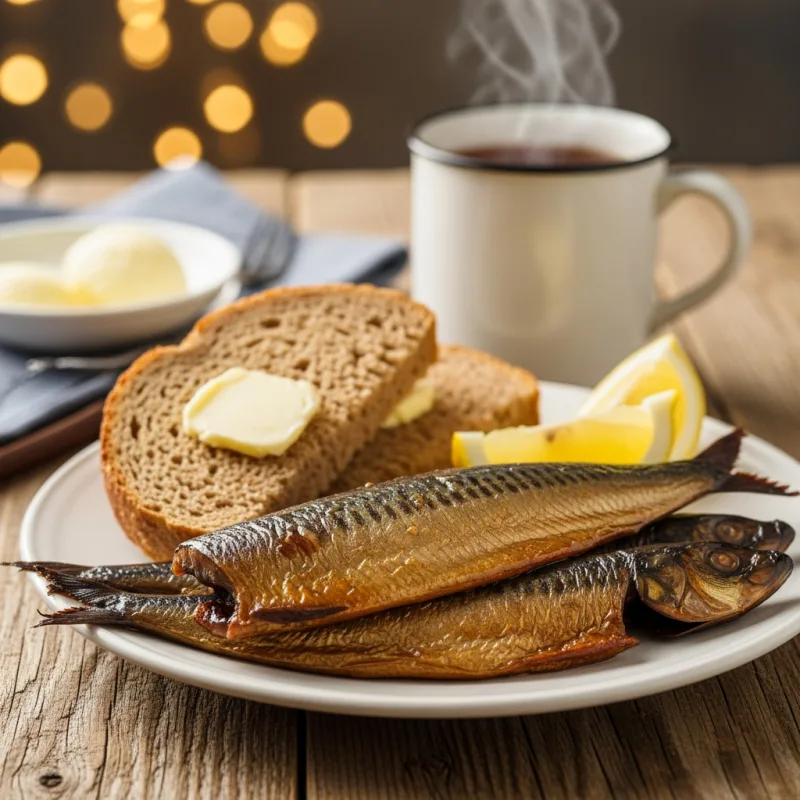
A plate of smoked Craster kippers with buttered brown bread

Must Try Dish

Craster Kippers - These world-famous oak-smoked herrings are produced in the tiny Northumberland fishing village of Craster. They are traditionally served simply with buttered brown bread and a squeeze of lemon.
Food Experiences Title Icon

Food
Experiences

Discover cooking classes, tastings and local food tours

No food experience found
Maya, the human travel expert at TravelingWiz, offering curated, non-AI expertise

Maya’s Final Checklist for North East England

Logistics shouldn’t be the focus of your trip—the experience should. I’ve hand-vetted these essential partners to ensure your arrival, stay, and exploration are as smooth as an Athenian breeze.

Where to Stay

From boutique hotels to local apartments—compare thousands of options and find the perfect stay in the best neighborhood.

Air Travel

Getting there should be seamless. Compare the best routes and prices across top airlines to start your journey on the right note.

Local Guides

Connect with experts who know the destination best. Get personalized advice and insider tips to help you plan your perfect trip.

Travel Protection

The “Engineer’s” rule: always have a backup. Secure your trip with a plan that covers every “what if” and unexpected change.

Car Rentals

Explore at your own pace with total freedom. Compare reliable rental options and find the right vehicle for your adventure.

Visa Services

Don’t let paperwork slow you down. Get expert assistance with your application to ensure all your entry documents are in order.

FAQs

While cities like Newcastle and Durham are well-connected by train, a car is highly recommended for exploring the rural Northumberland coast, castles, and national parks.
Many sections of the wall itself are free to walk along, but specific Roman forts and museums along the route, such as Vindolanda or Housesteads, charge an admission fee.
The best time to visit is from May to August, when temperatures are mild and daylight hours are long. May and June are ideal for spotting puffins on the Farne Islands, while July and August offer the warmest beach weather. Autumn brings colorful foliage with fewer crowds, and winter is perfect for stargazing in Northumberland’s dark skies.
Yes, tap water is completely safe to drink everywhere in North East England. It adheres to strict UK safety and sanitation standards, so you do not need to purchase bottled water. You can easily refill a reusable bottle at restaurants, cafes, hotels, and attractions during your travels.
No, you will rarely need physical cash. Contactless cards and mobile payment methods are accepted almost everywhere across North East England, including public transit, restaurants, and tourist attractions. It is still wise to keep a small amount of cash for remote rural parking machines, farm honesty boxes, or small independent market stalls.
No, you must plan your visit around the tides. Holy Island is connected to the mainland via a tidal causeway that floods twice a day under deep sea water. You must check the official published safe crossing tide times before heading out, as driving outside these safe windows is extremely dangerous and can leave your vehicle stranded.

Your Insights Matter

TravelingWiz grows through the stories of our community. If you’ve recently explored ,North East England share your tips and stories to help us perfect our guides for the next traveler.

Related Articles

Check out our related articles and blog posts to learn even more about the destination.

No related articles found

Don’t Travel Alone

Share with your friends and family

Where should we send your offline card?

We hate spam just as much as you do

newsletter_consent *