French Flanders is a dynamic region that surprises many first-time visitors with its distinct character, setting it apart from the quintessential image of France. At its heart is Lille, a vibrant university city boasting the Palais des Beaux-Arts, one of the largest art museums in France outside of Paris, and a stunning Old Town (Vieux Lille) filled with ornate 17th-century architecture. Just a short metro ride away lies Roubaix, home to La Piscine, an incredible art and industry museum housed in a spectacular Art Deco former swimming pool.
To the north, the coastal city of Dunkirk offers sweeping sandy beaches and profound historical significance, particularly regarding the World War II Operation Dynamo evacuation. Inland, the landscape is dotted with picturesque hilltop towns like Cassel, which offers panoramic views of the plains, and numerous UNESCO-listed belfries that stand as proud symbols of the region's civic history and medieval wealth.
Reasons to Visit
- Experience a unique cultural blend of French sophistication and Flemish warmth.
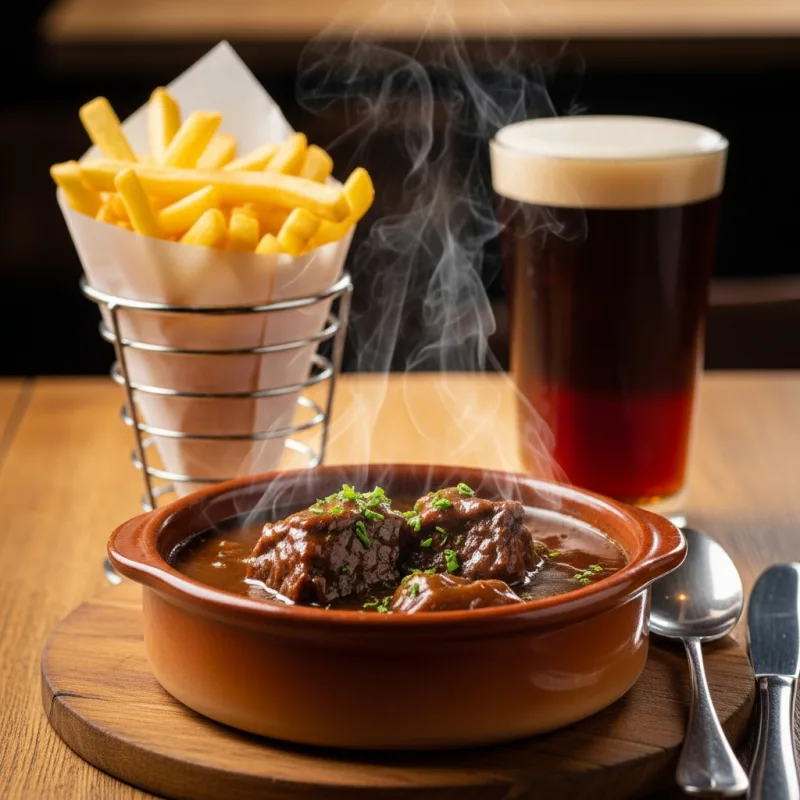
- Taste incredible regional gastronomy, including Carbonnade Flamande, Welsh, and Maroilles cheese.
- Explore world-class art museums like the Palais des Beaux-Arts in Lille and La Piscine in Roubaix.
- Discover profound historical sites, from WWI battlefields to the WWII beaches of Dunkirk.
- Enjoy a thriving craft beer scene that rivals neighboring Belgium.
Things to Avoid
- Avoid driving in the historic center of Lille, as parking is scarce and streets are narrow; use the park-and-ride facilities instead.
- Don't limit your dining to the main tourist squares; venture into side streets to find authentic estaminets.
- Avoid underestimating the weather; always carry a light jacket or umbrella, even in summer.
Local Transportation Tips
French Flanders is highly accessible and easy to navigate. Lille serves as the central hub, featuring the world's first fully automated metro system, alongside trams and buses. For exploring the wider region, the SNCF's regional TER trains are frequent, reliable, and connect Lille to coastal towns like Dunkirk and historic inland villages. Renting a bicycle is also highly recommended, as the region is relatively flat and boasts numerous dedicated cycling paths.
Travel Etiquette
- Always greet shopkeepers and restaurant staff with a polite 'Bonjour' when entering and 'Au revoir' when leaving.
- While a service charge is included in restaurant bills by law, leaving a small tip (a few euros) for exceptional service is appreciated.
- When visiting historical and war memorial sites, maintain a respectful and quiet demeanor.
- Dress neatly when dining out in the evening, especially in Lille's more upscale restaurants.
Recommended Age Group
French Flanders is a versatile destination that caters well to a wide variety of travelers, offering everything from interactive museums to accessible historical sites.
- Babies (0-2 years): Neutral. While the region is safe and has good healthcare, navigating cobblestone streets in historic centers with a stroller can be challenging.
- Kids (3-12 years): Recommended. Children will love the wide beaches of the Opal Coast, interactive exhibits at local museums, and the region's famous waffles.
- Teens (13-19 years): Recommended. Teens can engage with the profound WWII history in Dunkirk and enjoy the vibrant, youthful energy and shopping in Lille.
- Adults (20-64 years): Recommended. Perfect for adults seeking culinary tours, craft beer tasting, rich history, and stunning architecture.
- Seniors (65+ years): Recommended. The region offers excellent public transport, accessible world-class museums, and relaxed scenic countryside tours.
Accessibility Level: Medium
- Major museums in Lille, Roubaix, and Dunkirk are fully wheelchair accessible, often providing elevators and ramps.
- Lille's automated metro system is highly accessible, with elevators at most stations.
- Historic city centers, particularly Vieux Lille, feature cobblestone streets which may present mobility challenges for wheelchair users.
- Many regional trains (TER) offer accessible boarding, but it is advisable to book assistance in advance through the SNCF website.
Did You Know?
Lille's metro system, known as the VAL (Véhicule Automatique Léger), opened in 1983 and was the very first fully automated, driverless rapid transit system in the world.
Cool Statistics
- The Hauts-de-France region is home to 23 belfries that are recognized as UNESCO World Heritage sites.
- Lille is the 4th largest metropolitan area in France, with a cross-border population exceeding 2 million people.
- The Braderie de Lille, held annually in September, is the largest flea market in Europe, attracting over 2 million visitors.






Buy a compatible power adapter for your trip