>
>
>
Jerusalem District
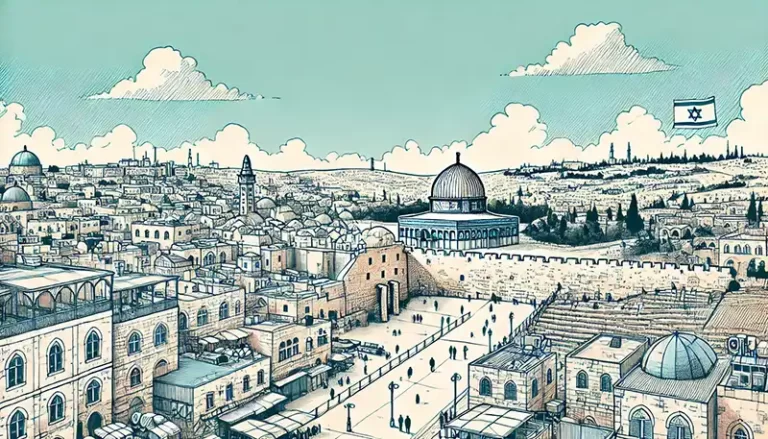
Panoramic view of Jerusalem's Old City at sunrise with the Dome of the Rock

Intro

The Jerusalem District, nestled in the heart of Israel, is a destination of unparalleled historical and spiritual significance. Home to Jerusalem, one of the world's oldest cities, it serves as a sacred nexus for Judaism, Christianity, and Islam, drawing millions of pilgrims and tourists annually. Visitors are immersed in a living tapestry of ancient stones, vibrant markets, and profound religious sites, offering a journey through millennia of human history and faith. Beyond its spiritual core, the district presents a dynamic blend of old and new. Modern Jerusalem thrives with cultural institutions, diverse culinary scenes, and bustling neighborhoods, providing a contemporary counterpoint to the timeless allure of the Old City. Exploring this region promises an enriching experience, where every corner reveals a story and every vista inspires contemplation.

Additional Information

The Jerusalem District, a region steeped in millennia of history and profound spiritual significance, offers an unparalleled travel experience. At its heart lies Jerusalem, a city revered by billions across three Abrahamic faiths. The Old City, a UNESCO World Heritage site, is a labyrinth of ancient alleys, bustling souks, and sacred landmarks, including the Western Wall, the Church of the Holy Sepulchre, and the Dome of the Rock. Each quarter – Jewish, Christian, Armenian, and Muslim – tells a distinct story, inviting visitors to walk in the footsteps of prophets, kings, and countless generations.

Beyond the Old City walls, modern Jerusalem unfolds with its own unique charm. From the vibrant Mahane Yehuda Market, a sensory feast of sights, sounds, and flavors, to world-class museums like the Israel Museum and Yad Vashem, the district seamlessly blends ancient heritage with contemporary life. The surrounding hills and desert landscapes also offer opportunities for nature exploration and historical discovery, making the Jerusalem District a truly comprehensive destination for those seeking deep cultural immersion, spiritual reflection, and historical enlightenment.

Reasons to Visit

  • Unrivaled Historical and Religious Significance: Explore sites sacred to Judaism, Christianity, and Islam, offering a profound journey through history and faith.
  • Diverse Cultural Experience: Immerse yourself in a melting pot of cultures, traditions, and cuisines within the Old City's quarters and modern Jerusalem's neighborhoods.
  • Architectural Wonders: Marvel at ancient walls, Byzantine mosaics, Crusader churches, and Ottoman structures that tell stories of empires past.
  • Vibrant Markets and Culinary Scene: Discover bustling souks and the Mahane Yehuda Market, offering fresh produce, street food, and unique local crafts.
  • World-Class Museums: Visit institutions like the Israel Museum and Yad Vashem for deep insights into art, archaeology, and history.
  • Walkable Old City: Experience the magic of exploring ancient alleys and hidden courtyards on foot.

Things to Avoid

  • Disrespectful Attire: Avoid wearing revealing clothing, especially when visiting religious sites. Always dress modestly.
  • Ignoring Local Customs: Be mindful of local customs and religious practices, particularly during Shabbat (Friday sunset to Saturday sunset) and religious holidays.
  • Over-scheduling: The Old City requires time to explore. Don't rush your visit; allow for spontaneous discoveries.
  • Drinking Tap Water in Some Areas: While tap water is generally safe in Israel, some visitors prefer bottled water, especially in older parts of the city.
  • Ignoring Political Sensitivities: Be aware of the political context and avoid engaging in sensitive discussions with strangers.
  • Not Hydrating: Especially during warmer months, it's crucial to drink plenty of water while exploring.

Local Transportation Tips

Getting around the Jerusalem District is relatively straightforward. Within modern Jerusalem, an efficient public transportation system includes buses and the Jerusalem Light Rail, which connects many key areas, including the Central Bus Station, Mahane Yehuda Market, and the Old City's Damascus Gate. For travel within the Old City itself, walking is the only option due to its narrow, pedestrian-only alleys. Taxis are also widely available and can be hailed on the street or booked via apps. For exploring areas outside the immediate city, intercity buses are a reliable and affordable option.

Travel Etiquette

  • Dress Modestly: When visiting religious sites, ensure shoulders and knees are covered. Women may need to cover their heads in some places.
  • Respect Religious Observances: Be mindful of prayer times and religious holidays. Avoid loud conversations or disruptive behavior near holy sites.
  • Shabbat Observance: From Friday sunset to Saturday sunset, many businesses close, and public transport is limited. Plan accordingly.
  • Bargaining: In traditional markets (souks), bargaining is expected and part of the cultural experience.
  • Photography: Always ask for permission before photographing people, especially in religious or private settings. Be discreet at holy sites.
  • Greetings: A simple "Shalom" (hello/peace) or "Marhaba" (hello in Arabic) is always appreciated.

Recommended Age Group

The Jerusalem District offers a rich and diverse experience suitable for all age groups, though the intensity and focus of activities may vary. Its historical depth, cultural vibrancy, and spiritual significance provide unique learning and engagement opportunities for everyone.

  • Babies (0-2 years): Neutral. While the district is welcoming, navigating the Old City with strollers can be challenging due to cobblestones and crowds. Modern Jerusalem is more accessible.
  • Kids (3-12 years): Recommended. Kids can be fascinated by the ancient stories, bustling markets, and unique sights. Interactive museums and family-friendly attractions like the Biblical Zoo offer engaging experiences.
  • Teens (13-19 years): Recommended. Teens will find the historical narratives, cultural immersion, and vibrant atmosphere highly stimulating. The blend of ancient sites and modern city life offers plenty to explore.
  • Adults (20-64 years): Recommended. This age group will fully appreciate the profound historical, religious, and cultural layers of the district, from deep dives into archaeological sites to enjoying the culinary and nightlife scenes.
  • Seniors (65+ years): Recommended. While some areas of the Old City require good mobility, many sites are accessible, and guided tours can be tailored. The spiritual and historical significance is particularly resonant for many seniors.

Accessibility Level: Medium

  • Old City: Largely challenging for wheelchair users and those with limited mobility due to narrow, uneven cobblestone streets, numerous steps, and crowded areas.
  • Modern Jerusalem: Generally more accessible, with newer public buildings, museums, and public transport (light rail, some buses) offering ramps and accessible facilities.
  • Public Transportation: The Jerusalem Light Rail is largely accessible. Buses vary, but newer models are often equipped with ramps.
  • Accommodations: Many modern hotels offer accessible rooms and facilities. It's advisable to confirm accessibility features when booking.
  • Attractions: Major museums like the Israel Museum and Yad Vashem are highly accessible. Some historical sites may have limited accessibility due to their ancient nature.
  • Assistance: It's recommended to inquire directly with specific sites or tour operators about their accessibility provisions and consider hiring a private guide for tailored assistance.

Did You Know?

Did you know that Jerusalem is mentioned over 700 times in the Bible? It is also the only city in the world that has been the capital of two different states (ancient Israel and Judah) and has been destroyed and rebuilt countless times throughout its tumultuous history. The Old City walls, as they stand today, were largely built by the Ottoman Sultan Suleiman the Magnificent in the 16th century, enclosing an area of less than one square kilometer yet containing sites of immense importance to three major world religions.

Cool Statistics

  • Population: Approximately 1.1 million (Jerusalem District, 2023).
  • Elevation: Jerusalem city center is around 750 meters (2,460 feet) above sea level.
  • UNESCO World Heritage Sites: The Old City of Jerusalem and its Walls.
  • Annual Visitors: Millions of tourists and pilgrims visit the district each year.
  • Languages Spoken: Hebrew, Arabic, English (widely spoken).
  • Age of Old City: Continuously inhabited for over 3,000 years.

Address:

Jerusalem District, Israel

Find Nearby Accommodations

Basic Info

address icon

COUNTRY & Region

Israel,
Middle East
Medium
Currency icon

LOCAL CURRENCY​

Israeli New Shekel (ILS)
Price level icon
Medium
Safety Level icon
Duration icon

Recommended Duration

• Full day
• 1-7 days
• More than a week

Electricity

electricity icon

Electricity

220-240V,
50Hz
Plug Socket icon

Plug Type

• Type C (Round pin)
• Type H (Three pins: two flat, one round)
Plug types
Click To View Plug Types

Things To Do In Jerusalem District

Total: 3

Activities To Do In Jerusalem District

Best Time To Visit

The best times to visit the Jerusalem District are during the spring (April to May) and autumn (September to November). During these periods, the weather is pleasantly mild, making it ideal for exploring the numerous outdoor historical sites and walking tours. The skies are generally clear, and the temperatures are comfortable, avoiding the intense heat of summer and the cooler, rainier days of winter.

  • Spring (April-May): Pleasant temperatures, blooming landscapes, and fewer crowds than peak summer. Ideal for outdoor exploration.
  • Autumn (September-November): Similar to spring with comfortable weather, perfect for sightseeing. Avoid major Jewish holidays if you prefer fewer crowds and more open businesses.
  • Summer (June-August): Can be very hot, with temperatures often exceeding 30°C (86°F). While popular, extensive outdoor activities can be challenging.
  • Winter (December-March): Cooler temperatures, with occasional rain and even rare snowfall. Some days can be chilly, but it's generally less crowded.

Remember to check the weather forecast a few days before the trip and before heading to the airport.

Safety Level icon

SAFETY Level

The Jerusalem District is generally safe for tourists, but it's important to remain vigilant and aware of your surroundings, especially in crowded areas. Be respectful of local customs and religious sensitivities, particularly when visiting holy sites. Keep an eye on your belongings to prevent petty theft, and avoid leaving valuables unattended. It's also wise to stay informed about current events and follow any local advisories, especially concerning political developments.

The rating is based on multi-year peace, crime, and security indices. Before you go, always verify current conditions through official government travel advisories.

Spoken Languages

The primary languages spoken in the Jerusalem District are Hebrew and Arabic. English is also widely understood and spoken, especially in tourist areas, hotels, and by younger generations. Many signs are trilingual (Hebrew, Arabic, English).

Learn The Language

  • Hello: Shalom (שָׁלוֹם)
  • Thank you: Toda (תודה)
  • Please: Bevakasha (בבקשה)
  • Yes: Ken (כן)
  • No: Lo (לא)
  • Excuse me/Sorry: Slicha (סליחה)
  • How much does this cost?: Kama ze oleh? (כמה זה עולה?)
  • Good morning: Boker tov (בוקר טוב)

Trip Cost & Budgeting for Jerusalem District, 2026

Everything you need to know about money while traveling

Traveling in the Jerusalem District offers a range of options to suit various budgets, from economical hostels and street food to luxury hotels and fine dining. Accommodation and dining are generally the largest expenses, but public transportation is efficient and affordable. Planning ahead and booking tours in advance can help manage costs effectively.

Currency icon

LOCAL CURRENCY​:

Israeli New Shekel (ILS)
Price level icon
Medium
Credit and debit cards are widely accepted in most hotels, restaurants, and larger shops throughout the Jerusalem District. However, it is advisable to carry some Israeli New Shekels (ILS) for smaller purchases, street vendors, traditional markets (souks), and for tipping. ATMs are readily available.

Per person, per day – pocket cash for small purchases.

Local: 100
Israeli New Shekel (ILS)
≈ 27 USD

Full daily spend estimation (accomodation, food, transportation, attractions).

Travel Style
Israeli New Shekel (ILS)
≈ USD ($)
Budget
200
55
Mid-range
450
125
Comfort
800
220

The Prices, Daily costs, and calculator results are estimates for planning purposes only. Actual costs may vary based on season, booking timing, personal spending habits, and currency fluctuations. TravelingWiz cannot be held responsible for discrepancies between these estimates and your final trip expenses.

  • Utilize public transportation (buses, light rail) which is efficient and cost-effective. Consider purchasing a Rav-Kav card for easier travel.
  • Eat at local eateries and falafel stands for delicious and affordable meals. The Mahane Yehuda Market offers great value street food.
  • Many significant religious sites offer free entry, allowing for rich cultural experiences without admission fees.
  • Look for free walking tours, often available in the Old City, which provide excellent introductions to the area.
  • Book accommodations and flights in advance, especially during peak seasons and holidays, to secure better rates.
  • Consider visiting during the shoulder seasons (spring or autumn) to enjoy pleasant weather and potentially lower prices than peak summer.

Pre-Order Tickets

Avoid disappointment when tickets sell out — and skip the long lines by booking online in advance. You’ll often save up to 20% too.
Save up to 20%

Travel Discounts & Coupons

Save on hotels, attractions, transport, and gear — find verified discounts for smarter travel spending.
Verified Coupons

What To Pack

  • Comfortable walking shoes are essential for navigating cobblestone streets and extensive sites.
  • Layered clothing is recommended due to temperature fluctuations between day and night, and varying indoor/outdoor conditions.
  • Modest attire (shoulders and knees covered) is required for visiting religious sites.
  • Sunscreen, a hat, and sunglasses are crucial, especially during warmer months.
  • A reusable water bottle to stay hydrated.
  • A small backpack for day trips and carrying essentials.
  • Adapter for Type H or C electrical outlets.
  • A camera to capture the stunning historical and cultural landscapes.
We couldn't find tips for Jerusalem District.
If you got any, please share

Food & Drink Highlights

Local Food Overview

The culinary scene in the Jerusalem District is a vibrant mosaic reflecting its diverse cultural heritage. From ancient recipes passed down through generations to modern fusion cuisine, food here is an integral part of the experience. Expect a delightful array of Middle Eastern, Mediterranean, and European influences, with an emphasis on fresh, seasonal ingredients, aromatic spices, and rich flavors. Dining ranges from bustling market stalls and humble eateries to upscale restaurants, offering something for every palate and budget.
Delicious falafel pita sandwich with fresh vegetables and tahini

Must Try Dish

Falafel - These crispy, deep-fried balls made from ground chickpeas and herbs are a quintessential Middle Eastern street food. Served hot in a pita pocket with fresh salad, pickles, and tahini sauce, falafel offers a delightful crunch and savory flavor that is both satisfying and authentically local.

Food Experiences

No food experience found

GetReady

Plan your trip seamlessly with our trusted partners and expert guidance. Follow these steps to book everything you need or connect with a local tour guide for personalized support

Step 1: Find the Perfect Accommodation

Explore a wide range of hotels, boutique stays, and vacation rentals to suit every traveler’s needs and budget. From luxury options to cozy family stays, find the best place for your trip.

Step 2: Book Your Flights

Secure the best flight deals for your destination. With our trusted partners, booking flights is quick and hassle-free.

Step 3: Let a Tour Guide Help

Not sure where to start? A professional local tour guide can create a customized itinerary or assist you in planning your trip. Make your journey seamless and stress-free.

Step 4: Rent a Car

Travel at your own pace by renting a car. Whether you’re exploring cities or embarking on a road trip, find reliable and convenient car rental options.

Step 5: Get Travel Insurance

Protect yourself and your loved ones with comprehensive travel insurance. Our partners offer plans to cover every aspect of your journey.

Step 6: Need a Visa?

Check visa requirements for your destination and apply quickly with trusted services. Simplify the process and ensure you’re ready to travel without delays.

FAQs

The Western Wall, Church of the Holy Sepulchre, and Dome of the Rock (viewable from outside for non-Muslims) are essential visits, representing the core of Judaism, Christianity, and Islam respectively.
Yes, Jerusalem is generally safe for tourists. However, it’s always wise to be aware of your surroundings, especially in crowded areas, and respect local customs and political sensitivities.
The Old City is best explored on foot. Its narrow, winding alleys are not accessible by vehicle. Comfortable walking shoes are a must.
Non-Muslims can visit the Temple Mount/Haram al-Sharif compound during specific visiting hours, but entry into the Dome of the Rock itself is generally restricted to Muslims.
Beyond falafel, be sure to try hummus, shakshuka, sabich, knafeh (a sweet cheese pastry), and fresh juices from local markets.
Yes, when visiting religious sites, both men and women should dress modestly, covering shoulders and knees. It’s advisable to carry a scarf or shawl for women to cover their heads if required at certain sites.

Help Us Improve

If you visited
Jerusalem District
click here to share your tips and stories.

This will help us improve our guides for the entire travelers community.

Related Articles

Check out our related articles and blog posts to learn even more about the destination.
No related articles found

Don’t Travel Alone

Share with your friends and family

Join travel lovers and get exclusive travel tips, coupons and more!

Register

Now!