

Low – budget‑friendly basics
Medium – moderate mid‑range costs
High – pricey lodging, dining & transport
Disclosure: This site contains affiliate links. We may earn a commission if you make a purchase, at no extra cost to you.
Low – budget‑friendly basics
Medium – moderate mid‑range costs
High – pricey lodging, dining & transport
5 shields = Excellent – very low crime or conflict.
4 shields = Safe – low risk, routine care.
3 shields = Relatively safe – use normal street smarts.
2 shields = Use caution – higher crime or periodic unrest.
1 shields = Avoid – active conflict or extreme danger.
Scores are derived from multi-year peace, homicide and security indices blended into a single 1-to-5 scale.
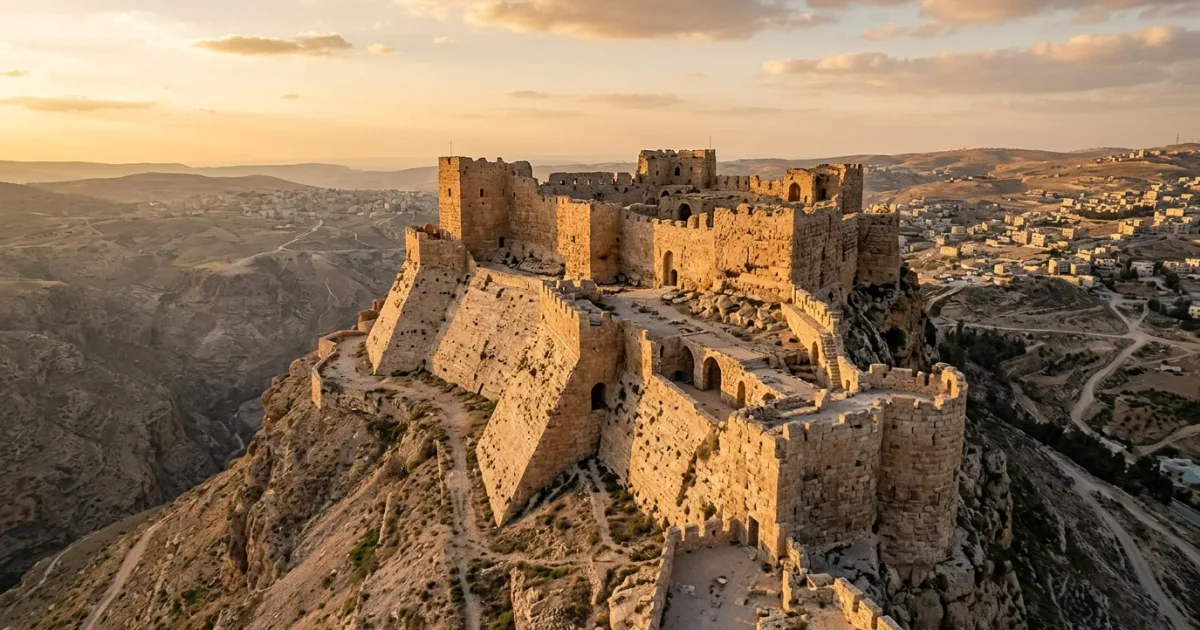
Kerak, known locally as Al-Karak, is a historic hilltop town situated approximately 140 kilometers south of Amman along the historic King's Highway. The city rises 930 meters above sea level and provides commanding views over the Southern Ghor and the Dead Sea basin. Dominated by its massive 12th-century Crusader castle, Kerak has functioned for millennia as a strategic fortified outpost guarding trade routes between Syria, Egypt, and Mecca. Visitors arrive to explore the vast network of stone vaults, subterranean barracks, and fortified bastions that define one of the most substantial Crusader castles surviving in the Levant. Beyond the castle walls, Kerak offers an authentic look into southern Jordan's highland culture, removed from the heavy commercialization found around Petra. The surrounding town retains a working administrative and agricultural rhythm, characterized by traditional limestone buildings, bustling local souks, and family-run diners specializing in Jordan's national dish, mansaf. Kerak is an essential stop for road-trippers navigating the King’s Highway, providing deep historical insights that bridge Byzantine, Crusader, Ayyubid, and Mamluk history.
Kerak occupies an imposing limestone promontory on the Moab Plateau, making it one of the most historically vital military positions in the Middle East. The city developed around Kerak Castle, constructed starting in 1142 CE by Payen le Bouteiller, the Lord of Montreal. Under the control of the Crusader Kingdom of Jerusalem, the fortress guarded the vital pilgrimage and commercial tracks connecting Damascus to Egypt and Mecca. The castle famously came under the control of the notorious Crusader knight Raynald of Châtillon, whose attacks on Muslim trade caravans provoked the siege by Sultan Saladin in the late 12th century, ultimately leading to Muslim capture following the Battle of Hattin.
Today, Kerak is an administrative center with approximately 30,000 residents within the municipality. The lower town features Ottoman-era government buildings, bustling local bakeries, and traditional dry goods merchants selling mountain herbs and dried yogurt. The town provides an authentic glimpse into genuine Jordanian life away from tourist-centric corridors, inviting travelers to linger in local tea shops, climb ramparts overlooking the Rift Valley, and sample traditional southern Jordanian gastronomy.
Kerak is best explored on foot within the compact historic district and castle grounds. For regional travel, rental cars are the most convenient method for visitors traversing the King's Highway or heading toward Dana Biosphere Reserve and Petra. Public minibuses run from Amman’s South Bus Station (Mujama Al-Janoob) to Kerak's modern transit station, from which short shared service taxis run up to the castle hill.
Kerak appeals across diverse travel demographics, though the physical layout of the ancient fortress requires mobility awareness.
During the siege of Kerak Castle by Saladin in 1183, a royal wedding between Humphrey IV of Toron and Isabella of Jerusalem was taking place inside; Saladin chivalrously ordered his siege catapults not to target the tower where the newlyweds were celebrating.

Kerak features a Mediterranean highland climate with hot, arid summers and cool, occasionally rainy winters.
| Month | °C | °F |
|---|---|---|
| Jan | 8 | 46 |
| Feb | 9 | 48 |
| Mar | 11 | 52 |
| Apr | 18 | 64 |
| May | 21 | 70 |
| Jun | 24 | 75 |
| Jul | 26 | 79 |
| Aug | 26 | 79 |
| Sep | 24 | 75 |
| Oct | 20 | 68 |
| Nov | 15 | 59 |
| Dec | 11 | 52 |
Remember to check the weather forecast a few days before the trip and before heading to the airport.
5 shields = Excellent – very low crime or conflict.
4 shields = Safe – low risk, routine care.
3 shields = Relatively safe – use normal street smarts.
2 shields = Use caution – higher crime or periodic unrest.
1 shields = Avoid – active conflict or extreme danger.
Scores are derived from multi-year peace, homicide and security indices blended into a single 1-to-5 scale.
The rating is based on multi-year peace, crime, and security indices. Before you go, always verify current conditions through official government travel advisories.
No internet needed • Includes local translations • Free for TravelingWiz readers

Low – budget‑friendly basics
Medium – moderate mid‑range costs
High – pricey lodging, dining & transport
Per person, per day – pocket cash for small purchases.
Full daily spend estimation (accommodation, food, transportation, attractions).
Travel Style | Jordanian Dinar (JOD) | ≈ USD ($) |
|---|---|---|
Budget | ||
Mid-range | ||
Comfort |
The Prices, Daily costs, and calculator results are estimates for planning purposes only. Actual costs may vary based on season, booking timing, personal spending habits, and currency fluctuations. TravelingWiz cannot be held responsible for discrepancies between these estimates and your final trip expenses.
Choose a ready-made itinerary, plan your own trip, and keep TravelingWiz by your side while you travel.
Get the TravelingWiz app →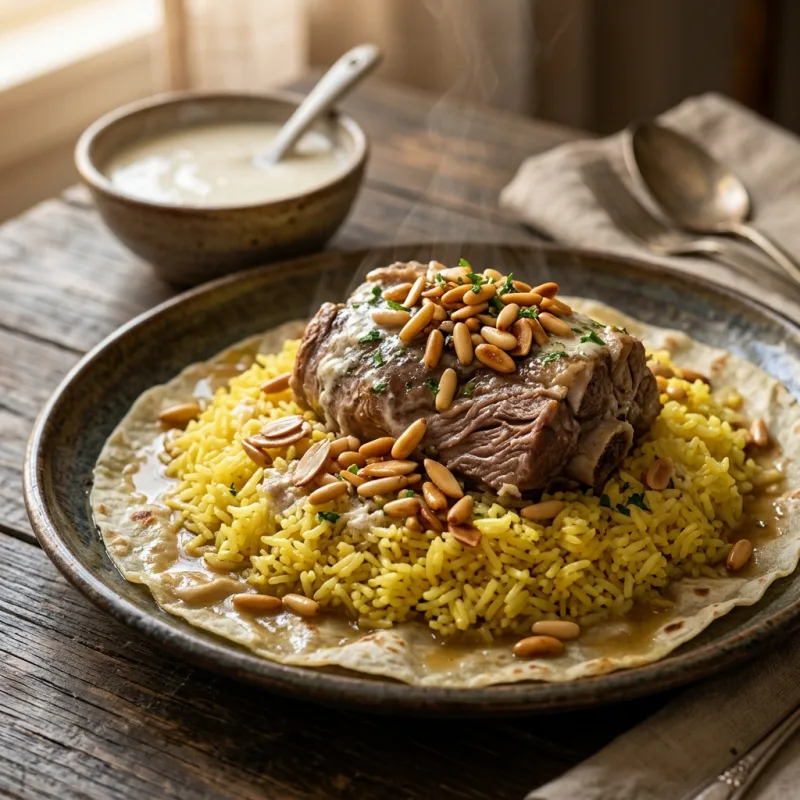
Discover cooking classes, tastings and local food tours
Logistics shouldn’t be the focus of your trip—the experience should. I’ve hand-vetted these essential partners to ensure your arrival, stay, and exploration are as smooth as an Athenian breeze.

Compare accommodation options and choose a stay that suits your plans and budget.
Connect with local guides for personalized help planning and exploring.
The “Engineer’s” rule: always have a backup. Secure your trip with a plan that covers every “what if” and unexpected change.
Don’t let paperwork slow you down. Get expert assistance with your application to ensure all your entry documents are in order.
Check out our related articles and blog posts to learn even more about the destination.
Share with your friends and family
