Disclosure: This site contains affiliate links. We may earn a commission if you make a purchase, at no extra cost to you.
Al Sharqiyah Region

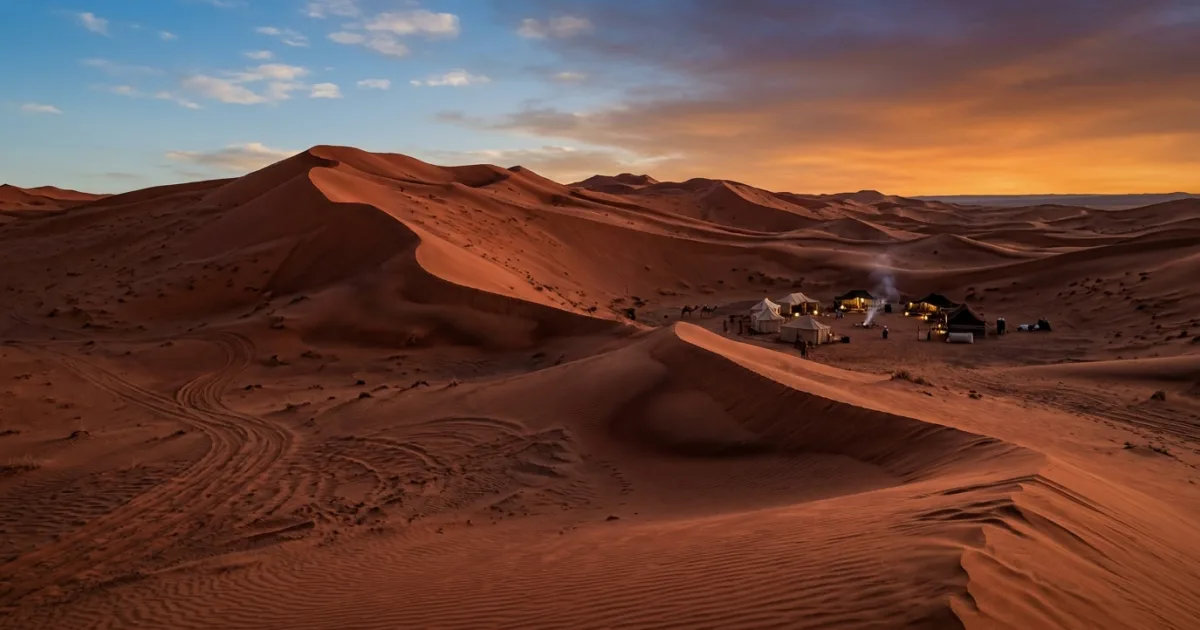
Golden sand dunes of Wahiba Sands in the Al Sharqiyah Region of Oman

Basic Info

COUNTRY & Region

Oman,
Middle East

ACCESSIBILITY LEVEL​

  • High: Widely accessible with good facilities for disabilities.
  • Medium: Some accessible options, but limitations exist.
  • Low: Limited accessibility; many barriers for disabilities.
Medium

LOCAL CURRENCY​

Omani Rial (OMR)

Price Level

Low – budget‑friendly basics

Medium – moderate mid‑range costs

High – pricey lodging, dining & transport

Medium

SAFETY LEVEL

5 shields = Excellent – very low crime or conflict.

4 shields = Safe – low risk, routine care.

3 shields = Relatively safe – use normal street smarts.

2 shields = Use caution – higher crime or periodic unrest.

1 shields = Avoid – active conflict or extreme danger.

Scores are derived from multi-year peace, homicide and security indices blended into a single 1-to-5 scale.

Recommended Duration

1-7 days, More than a week

Al Sharqiyah Region Overview & Key Highlights

The Al Sharqiyah Region, spanning both North and South governorates, forms the geographical and cultural heartland of eastern Oman. Stretching from the dramatic limestone gorges of the Hajar Mountains to the vast expanse of the Wahiba Sands and the wild Arabian Sea coastline, this region provides an quintessential Arabian desert and coastal experience. Here, travelers encounter pristine wadis with emerald freshwater pools, towering terracotta dunes, historic dhow shipyards in the maritime city of Sur, and significant sea turtle nesting reserves along the coast. Exploring Al Sharqiyah requires a spirit of overland adventure, with many iconic sights accessible via four-wheel-drive routes through rugged terrain. Visitors can swim through the turquoise slots of Wadi Shab, camp under exceptionally dark night skies in desert Bedouin settlements, and observe endangered green turtles nesting at Ras Al Jinz. The area combines rich seafaring heritage with raw natural wonders, making it one of the most rewarding and accessible road trip circuits in the Sultanate.

Al Sharqiyah Region Travel Guide: Logistics & In-Depth Tips

The Al Sharqiyah Region of Oman represents an extraordinary cross-section of the Sultanate’s topographies, uniting sweeping longitudinal dunes, deep limestone river canyons, and traditional seafaring ports. Historically serving as a crucial trading crossroads linking interior caravan routes with the Indian Ocean trade network, the area maintains a distinct cultural identity rooted in ancient tribal traditions and maritime mastery.

Geographically divided into North and South governorates, the region allows travelers to experience distinct ecosystems within short driving distances. The Wahiba Sands (Sharqiya Sands) form a dramatic desert sea covering over 12,000 square kilometers, characterized by dunes reaching up to 100 meters high. Contrastingly, perennial freshwater streams cut through the dry mountain folds to create verdant oasis pockets at Wadi Bani Khalid and Wadi Tiwi, while the coastal edge at Ras Al Jinz marks the easternmost point of the Arabian Peninsula.

Reasons to Visit

  • Explore the monumental golden sand dunes of Wahiba Sands with authentic desert glamping and Bedouin hospitality.
  • Hike and swim through the narrow canyon and hidden cave waterfall of Wadi Shab.
  • Witness endangered green sea turtles laying eggs on the protected shores of Ras Al Jinz.
  • Tour the historic dhow building yards of Sur, where handcrafted wooden ships have been constructed for centuries.
  • Experience crystalline, year-round swimming pools and lush date palm groves at Wadi Bani Khalid.

Things to Avoid

  • Do not enter dry wadi beds when heavy rain or storms are forecast anywhere in the nearby mountain ranges.
  • Avoid driving into the desert sands without properly deflating your vehicle tires and carrying a recovery tow rope.
  • Do not wear revealing Western swimwear (such as two-piece bikinis) in rural wadis frequented by local families.
  • Avoid touching, illuminating with flash photography, or obstructing sea turtles during nesting tours at Ras Al Jinz.
  • Do not photograph local Omani residents, especially women, without asking for explicit permission beforehand.

Local Transportation Tips

Private car rental is the primary and most efficient method for navigating the Al Sharqiyah Region. A four-wheel-drive vehicle (such as a Toyota Land Cruiser or Prado) is essential for entering Wahiba Sands and driving through mountainous tracks. Long-distance Mwasalat intercity buses operate along the primary Muscat–Sur route, but they do not connect to remote wadis or desert wilderness camps. Taxis are available within larger regional hubs like Sur, but overland road trips require independent wheels.

Travel Etiquette

  • Dress conservatively in public spaces by keeping shoulders, upper arms, and knees covered.
  • Accept offers of Omani kahwa (cardamom coffee) and fresh dates with your right hand as a sign of respect.
  • Shake your small coffee cup gently side to side when you wish to indicate you have had enough to drink.
  • Remove your shoes before stepping into a traditional Omani home or Bedouin majlis tent.

Recommended Age Group

Al Sharqiyah is exceptionally well suited to adventurous travelers, road-tripping families, and nature enthusiasts.

  • Babies (0-2 years): Neutral. Long desert drives, rocky trails, and high daytime temperatures can prove exhausting for infants, though seaside hotels offer comfort.
  • Kids (3-12 years): Recommended. Children will love running down desert sand dunes, swimming in calm wadi pools, and spotting wild sea turtles on night beach walks.
  • Teens (13-19 years): Recommended. Excellent opportunities for adventurous dune bashing, canyon scrambling, cliff jumping into deep wadi pools, and stargazing.
  • Adults (20-64 years): Recommended. Perfect balance of 4WD overland adventure, scenic landscapes, photography, and cultural heritage exploration.
  • Seniors (65+ years): Recommended. Easily accessible scenic viewpoints, comfortable desert lodges, and guided coastal heritage tours make it deeply rewarding for mature visitors with moderate mobility.

Accessibility Level: Medium

  • Major coastal hotels and desert resorts offer flat access and ground-floor rooms, but rugged natural sites lack paved infrastructure.
  • Wadi hikes (including Wadi Shab and Wadi Tiwi) feature uneven boulders, slippery limestone, and water crossings that are completely inaccessible to wheelchairs.
  • Wadi Bani Khalid provides paved pathways up to the initial bridge and main restaurant area, accommodating visitors with limited mobility.
  • Ras Al Jinz Visitor Center features step-free museum access, though the walk to the nesting beach passes through deep, uneven sand.

Did You Know?

Sur was once one of the most prominent centers of maritime shipbuilding in the entire Indian Ocean basin, producing the legendary wooden dhows (Ghanjah and Boom) that traded across India, East Africa, and the Persian Gulf without modern engineering blueprints.

Cool Statistics

  • Wahiba Sands dunes can reach heights exceeding 100 meters and stretch across 180 kilometers from north to south.
  • Ras Al Jinz hosts up to 30,000 green sea turtle nestings annually, making it one of the most important rookeries on Earth.
  • The region encompasses over 150 identified mountain wadi drainage systems flowing toward the Gulf of Oman and Arabian Sea.

Address:

Al Sharqiyah Region, Oman

Find Nearby Accommodations

Electricity

220-240V, 
50Hz

Plug Type

Type G (Three rectangular pins in a triangular pattern)
Plug types
Click To View Plug Types
Al Sharqiyah Region is part of our
Off-Grid Glamping collection

Activities To Do In Al Sharqiyah Region

Best Time To Visit Al Sharqiyah Region

The optimal window to explore the Al Sharqiyah Region is during the cooler months from October to April, when daytime temperatures remain comfortable for outdoor exploration, dune bashing, and wadi hiking.

  • October to April (High Season): Mild daytime temperatures ranging between 22°C and 30°C, clear skies, and cool desert evenings ideal for stargazing and camping.
  • May to September (Low Season): Extreme summer heat exceeding 40°C in inland desert and wadi areas; coastal towns like Ras Al Jinz and Sur remain somewhat cooler, but inland outdoor activities are heavily curtailed.
  • Turtle Nesting Peak (May to September): Ras Al Jinz sees peak nesting activity during summer months, though turtles are present year-round.

Average Temperatures Per Month

Average monthly temperaturesMonthly source values, with Celsius and Fahrenheit equivalents in the following data table.15°59°21°70°28°82°34°93°40°104°JanJan: 20°C / 68°FFebFeb: 22°C / 72°FMarMar: 26°C / 79°FAprApr: 29°C / 84°FMayMay: 33°C / 91°FJunJun: 35°C / 95°FJulJul: 33°C / 91°FAugAug: 33°C / 91°FSepSep: 32°C / 90°FOctOct: 29°C / 84°FNovNov: 25°C / 77°FDecDec: 21°C / 70°F
View temperature data
Average monthly temperatures
Month°C°F
Jan2068
Feb2272
Mar2679
Apr2984
May3391
Jun3595
Jul3391
Aug3391
Sep3290
Oct2984
Nov2577
Dec2170

Remember to check the weather forecast a few days before the trip and before heading to the airport.

Safety Level

5 shields = Excellent – very low crime or conflict.

4 shields = Safe – low risk, routine care.

3 shields = Relatively safe – use normal street smarts.

2 shields = Use caution – higher crime or periodic unrest.

1 shields = Avoid – active conflict or extreme danger.

Scores are derived from multi-year peace, homicide and security indices blended into a single 1-to-5 scale.

Al Sharqiyah maintains an exceptionally low crime rate, making violent crime virtually non-existent. The primary safety concerns are environmental: avoid entering wadis during rain showers due to rapid flash flooding hazards, always deflate tire pressures when driving on desert sand dunes, and carry at least five liters of drinking water per person when venturing off-road.

The rating is based on multi-year peace, crime, and security indices. Before you go, always verify current conditions through official government travel advisories.

Emergency Numbers

Police: 9999
Ambulance: 9999

No internet needed • Includes local translations • Free for TravelingWiz readers

Spoken Languages

Arabic is the official language. English is widely spoken in hotels, restaurants, and tourism-related services.
Travel Booking Partner - TravelingWiz

Learn The Language

  • As-salamu alaykum – Peace be upon you (Formal greeting)
  • Wa alaykum as-salam – And upon you be peace (Response)
  • Shukran – Thank you
  • Min fadlak – Please
  • Na’am – Yes
  • La – No
  • Bikam hatha? – How much is this?
  • Ma’a as-salama – Goodbye

Trip Cost & Budgeting for Al Sharqiyah Region, 2026

Everything you need to know about money while traveling
Is Al Sharqiyah Region expensive for tourists in 2026? It is moderately priced, offering good value outside luxury desert resorts. Based on Human Verified prices, you can expect to pay around 1.8 OMR for a cappuccino, 5 OMR for a draft beer at licensed hotel bars, and about 8 OMR for a mid-range restaurant meal. Use the data table below to calculate your specific daily budget based on your travel style.

LOCAL CURRENCY​:

Omani Rial (OMR)

Price Level:

Low – budget‑friendly basics

Medium – moderate mid‑range costs

High – pricey lodging, dining & transport

Medium

Cards Vs. Cash

Major hotels accept credit cards, but cash is essential for wadis, souqs, and desert petrol stations.

How Much Cash to Carry (on you)

Per person, per day – pocket cash for small purchases.

Local: 7
Omani Rial (OMR)
≈ 18 USD

Average Daily Costs (per person)

Full daily spend estimation (accommodation, food, transportation, attractions).

Travel Style
Omani Rial (OMR)
≈ USD ($)
Budget
35
91
Mid-range
65
169
Comfort
145
377
Note

The Prices, Daily costs, and calculator results are estimates for planning purposes only. Actual costs may vary based on season, booking timing, personal spending habits, and currency fluctuations. TravelingWiz cannot be held responsible for discrepancies between these estimates and your final trip expenses.

Best Value Tips

  • • Rent a 4WD vehicle in Muscat rather than booking expensive private transfers to explore desert dunes and wadis independently.
  • • Eat at traditional local Omani or Yemeni cafeterias for flavorful meals like mandi or majboos for just 2 to 3 OMR.
  • • Visit natural attractions like Wadi Shab, Wadi Bani Khalid, and coastal beaches where entry is free or costs just 1 OMR for boat shuttles.
  • • Stay in guesthouses in Sur or Al Kamil instead of luxury desert camps to save significantly on accommodation costs.

Tours & Tickets

Explore tours, attractions, and ticket options to plan your visit.
Plan ahead

Travel Offers & Coupons

Browse travel offers and coupons from our affiliate partners.
Affiliate partner offers

What To Pack

  • Sturdy water shoes or canyoning footwear with solid rubber grip for slippery wadi rocks
  • High-SPF sunscreen, wide-brim sun hat, and polarized sunglasses for intense desert glare
  • Lightweight, breathable, and modest clothing that covers shoulders and knees to respect local Omani customs
  • Waterproof dry bag to protect cameras, phones, and wallets during wadi swimming trails
  • Universal Type G plug adapter and a portable power bank for remote desert camping
  • Warm layers or a fleece jacket, as desert temperatures drop significantly after sunset
  • Refillable insulated water bottle to maintain hydration in arid conditions
Only the good stuff!
Browse recommended travel gear
Check out our free packing list tool

Recommended Itineraries for Traveling to Al Sharqiyah Region

Take your itinerary with you

Choose a ready-made itinerary, plan your own trip, and keep TravelingWiz by your side while you travel.

Get the TravelingWiz app

Food & Drink Highlights

Local Food Overview

Cuisine across Al Sharqiyah blends traditional Bedouin pastoral staples with coastal maritime riches. Long-grain basmati rice dishes spiced with cardamom, cloves, dried black lime (loomi), and saffron form the basis of daily lunches, paired with slow-cooked goat, tender camel meat, or freshly landed kingfish from the Gulf of Oman. Meals are traditionally concluded with fresh Omani dates, halwa, and fragrant cardamom-infused coffee served in small handleless cups.

Must Try Dish

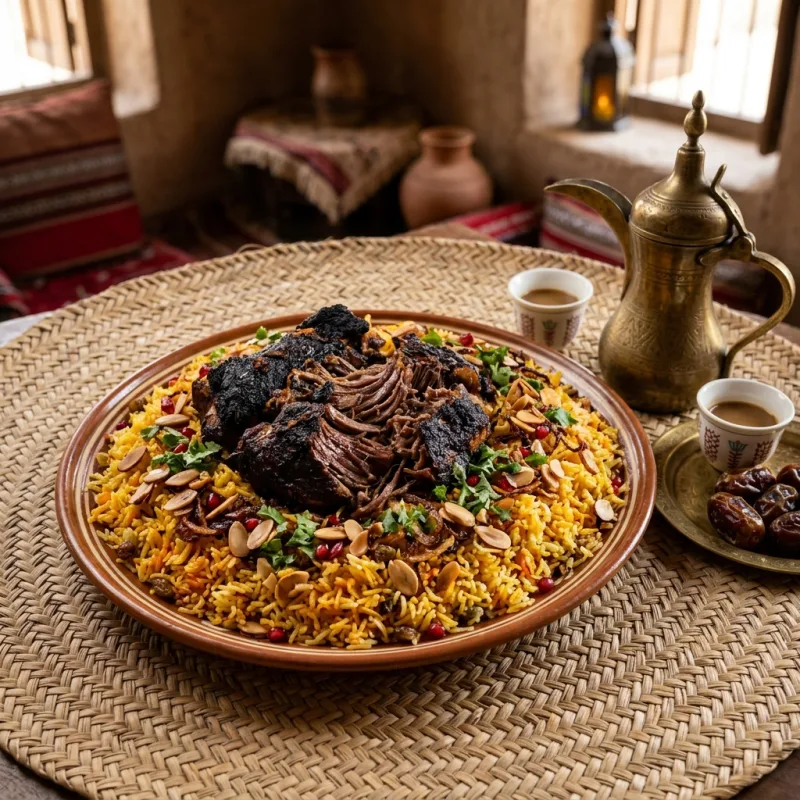
Omani Shuwa - Marinated goat or lamb slow-roasted for up to 48 hours in an underground pit wrapped in banana and palm leaves. The meat emerges melt-in-your-mouth tender, perfumed with coriander, cumin, chili, and cloves, served over fragrant spiced rice.
Omani Shuwa slow-cooked meat with spiced basmati rice

Maya’s Final Checklist for Al Sharqiyah Region

Logistics shouldn’t be the focus of your trip—the experience should. I’ve hand-vetted these essential partners to ensure your arrival, stay, and exploration are as smooth as an Athenian breeze.

Maya, the human travel expert at TravelingWiz, offering curated, non-AI expertise

Where to Stay

Compare accommodation options and choose a stay that suits your plans and budget.

Air Travel

Compare flight options and find a route that fits your plans.

Local Guides

Connect with local guides for personalized help planning and exploring.

Travel Protection

The “Engineer’s” rule: always have a backup. Secure your trip with a plan that covers every “what if” and unexpected change.

Car Rentals

Compare rental options and choose a car that suits your trip.

Visa Information

Don’t let paperwork slow you down. Get expert assistance with your application to ensure all your entry documents are in order.

FAQs

Yes, a 4WD is strongly advised. While coastal highways and paved roads connect major towns like Sur and Ibra, accessing Wahiba Sands desert camps, deep wadis, and off-road tracks strictly requires high-clearance four-wheel-drive.
Yes, swimming is permitted in designated wadi pools such as Wadi Bani Khalid and Wadi Shab. However, visitors must wear modest swimwear, such as swim shorts and t-shirts, out of respect for local community values.
Green sea turtles nest year-round at Ras Al Jinz Turtle Reserve. Peak numbers generally arrive between May and September, though guided night and dawn excursions operate every single month.

Your Insights Matter

TravelingWiz grows through the stories of our community. If you’ve recently explored ,Al Sharqiyah Region share your tips and stories to help us perfect our guides for the next traveler.

Where should we send your offline card?

We hate spam just as much as you do

newsletter_consent *