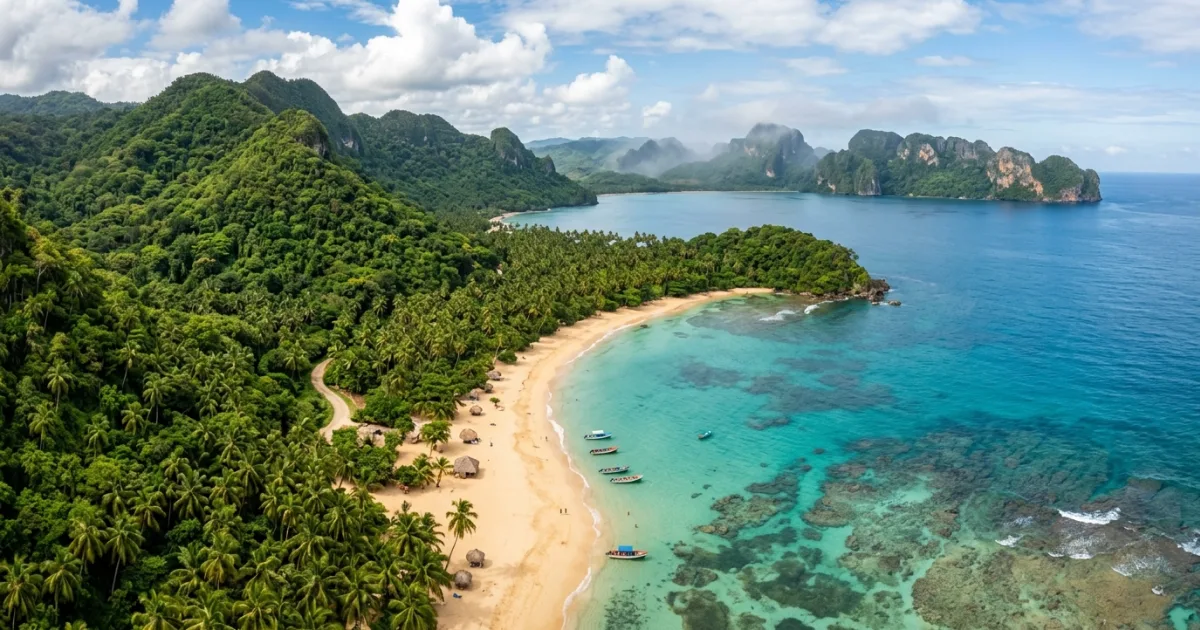
Protruding into the Atlantic Ocean from the northeastern coast of Hispaniola, the Samaná Peninsula forms one of the Caribbean's most dramatic geographic landscapes. Defined by the Cordillera Samaná mountain ridge, the peninsula is blanketed in millions of coconut palms that roll down to steep cliffs, turquoise coves, and fine-sand bays. Unlike the flat, coral-sand topography found across Punta Cana, Samaná's geology features dramatic elevation changes, hidden freshwater springs, and intricate cave systems.
Culturally, Samaná possesses an idiosyncratic history shaped by distinct waves of migration. Alongside indigenous Taíno roots and Spanish colonization, the region was populated in 1824 by freed African-Americans who emigrated from the United States under the auspices of the Haitian government. Their linguistic and culinary heritage remains embedded in local life, especially through gospel traditions, Samaná English, and coconut-heavy gastronomy. Later influxes of French and Italian expatriates transformed towns like Las Terrenas into sophisticated seaside communities where European café culture thrives against a tropical backdrop.
Reasons to Visit
- Humpback Whale Migration: Witness over 1,500 humpback whales perform breaches and mating rituals within the protected waters of Samaná Bay between January and March.
- El Salto del Limón Waterfall: Journey on foot or horseback through dense subtropical rainforest to reach a stunning 52-meter (170-foot) cascade tumbling into a natural swimming pool.
- Untamed Caribbean Beaches: Relax on world-renowned undeveloped shores such as Playa Rincón, Playa Cosón, Playa Bonita, and the cliff-backed Playa Frontón.
- Los Haitises National Park: Cruise through ancient mangrove channels, towering limestone karst mogotes, and caves decorated with pre-Columbian Taíno petroglyphs.
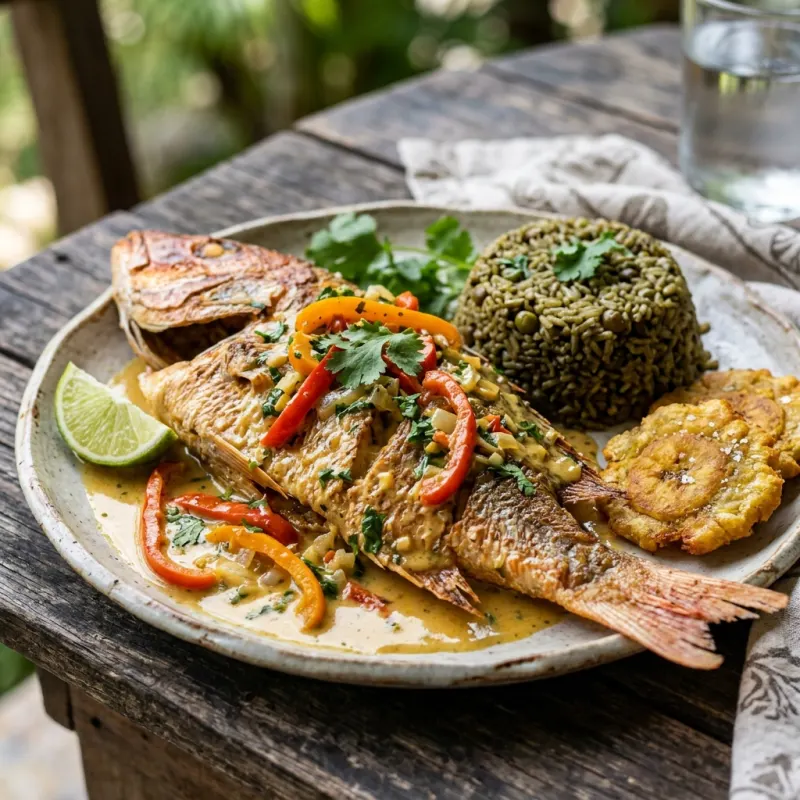
- Vibrant Culinary Blend: Savor unique regional seafood cooked in freshly pressed coconut milk, paired with artisan French bakeries and beachfront Italian bistros in Las Terrenas.
Things to Avoid
- Avoid booking unlicensed whale-watching boats; choose operators certified by the Ministry of Environment to ensure ethical marine safety distances.
- Do not drive between towns along mountain passes late at night, as roads frequently lack lighting, reflective markers, and guardrails.
- Avoid accepting overpriced horseback tours to El Limón without verifying that horse welfare standards and guide credentials are maintained.
- Do not exchange foreign currency at airport kiosks; use bank ATMs in Las Terrenas or Santa Bárbara de Samaná for fair market rates.
Local Transportation Tips
Public transportation on the peninsula relies on 'guaguas'—open-air pickup trucks and minivans that shuttle passengers along the main coastal road connecting Sánchez, Las Terrenas, Santa Bárbara de Samaná, and Las Galeras. Fares are economical, typically ranging between 100 and 250 DOP ($1.70 to $4.20 USD). For shorter localized trips within towns, 'motoconchos' (motorcycle taxis) provide rapid transport, though helmets are rarely provided; agree on the price before mounting. For maximum independence, travelers frequently rent scooters or ATVs in Las Terrenas to explore secluded beaches along coastal trails.
Travel Etiquette
- Dress respectfully when visiting inland towns, churches, and local markets; reserve swimwear and bare chests exclusively for beaches and poolside areas.
- Politely greet shopkeepers and taxi drivers with 'Buenos días' or 'Buenas tardes' before asking questions or requesting services.
- Tipping is standard practice in restaurants; a 10% legal service charge is often added to checks, but leaving an additional 5-10% in cash directly for waitstaff is customary for attentive service.
- Ask for permission before taking photographs of local artisans, fishermen, or children in residential neighborhoods.
Recommended Age Group
Samaná accommodates varied traveler demographics, with physical mobility dictating access to some natural landmarks.
- Babies (0-2 years): Neutral. Tropical heat, humidity, and bumpy transit routes can pose logistical challenges, although calmer beachfronts like Playa Las Ballenas offer tranquil family relaxation.
- Kids (3-12 years): Recommended. Whale-watching boat trips, calm ocean shallows, and zipline courses offer memorable, hands-on educational adventures.
- Teens (13-19 years): Recommended. High-energy options like surfing at Playa Bonita, rainforest ATV riding, and snorkeling around the coral walls of Las Galeras suit adventurous teenagers.
- Adults (20-64 years): Recommended. Perfect balance of boutique eco-resorts, gourmet dining, hiking excursions, and pristine coastal scenery.
- Seniors (65+ years): Neutral. Beach lounging and scenic drives are comfortable, but rocky boat transfers and steep, muddy trails at El Limón require cautious mobility.
Accessibility Level: Medium
- Paved promenades exist along sections of Las Terrenas and the Malecón in Santa Bárbara de Samaná, providing smooth rolling surfaces.
- Access to signature natural sites like El Salto del Limón and Playa Frontón involves uneven dirt tracks, rocky steps, or wet beach landings that are not wheelchair accessible.
- Standard public transport vehicles (guaguas and motoconchos) do not have wheelchair ramps; travelers with reduced mobility should arrange private, air-conditioned van charters.
- Select modern beachfront boutique hotels in Las Terrenas feature step-free ground-floor suites, roll-in showers, and flat access to dining pavilions.
Did You Know?
Santa Bárbara de Samaná was originally considered by the United States government during the Ulysses S. Grant administration in 1870 as a potential site for a Caribbean naval base and coaling station, with serious discussions about annexing the entire peninsula before the U.S. Senate narrowly rejected the treaty.
Cool Statistics
- Over 80% of the North Atlantic humpback whale population is estimated to visit Samaná Bay during their lifetime to breed or give birth.
- The Samaná Peninsula spans approximately 853 square kilometers (329 square miles) of diverse subtropical terrain.
- El Salto del Limón drops from a height of approximately 52 meters (170 feet) into a natural freshwater swimming basin.






Buy a compatible power adapter for your trip