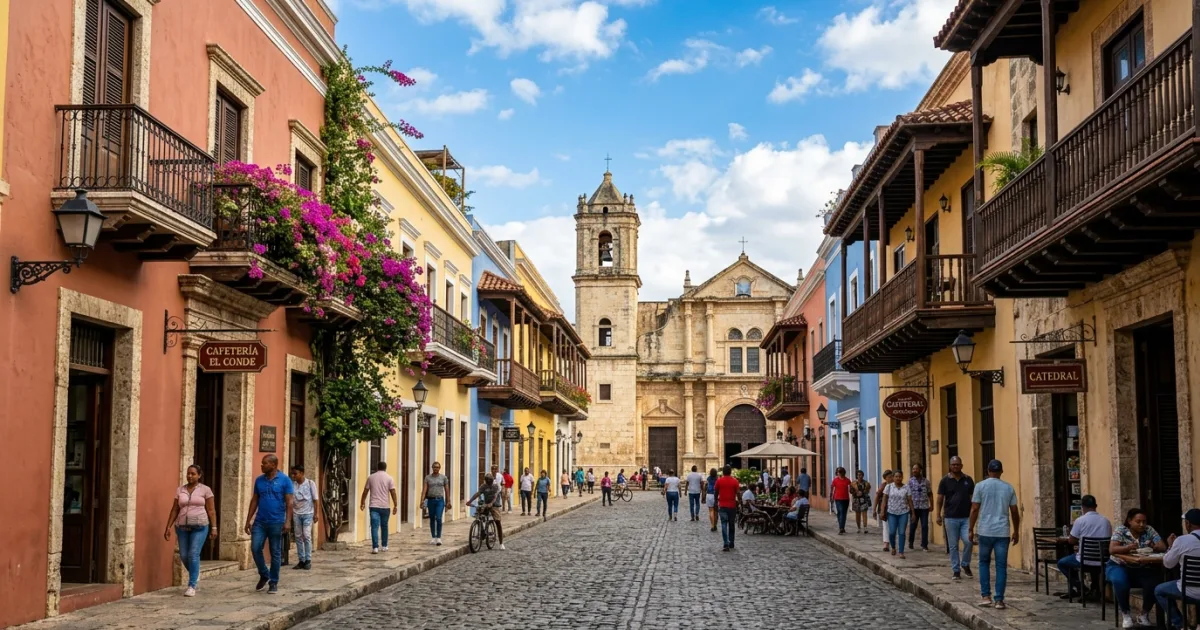
Santo Domingo serves as the primary gateway to Dominican history and culture. Established on the eastern bank of the Ozama River before shifting to the western bank, the capital city witnessed the construction of the western hemisphere's earliest European municipal structures, churches, hospitals, and defensive installations. Today, the Ciudad Colonial district remains an atmospheric grid of coral limestone buildings, shady courtyards, and open plazas that narrate centuries of geopolitical transformation.
Beyond its antique foundations, modern Santo Domingo is an energetic metropolis home to nearly three million residents. The financial districts of Piantini, Naco, and Bella Vista offer high-end retail, contemporary rooftop bars, and progressive dining spots highlighting creative Caribbean cuisine. Natural wonders like the limestone sinkholes of Los Tres Ojos National Park and the expansive oceanfront Malecón boardwalk anchor the city, bridging historic preservation and contemporary Latin American urban life.
Reasons to Visit
- Ciudad Colonial: Walk through 16th-century history in the oldest European-built settlement in the Americas, home to the Cathedral of Santa María la Menor and the Alcázar de Colón.
- Los Tres Ojos National Park: Marvel at a stunning network of open-air limestone caves containing iridescent turquoise lakes shaded by lush tropical hanging vines.
- Rich Musical Culture: Experience the birthplace of merengue and bachata through live musical performances in bustling historic plazas and local dance venues.
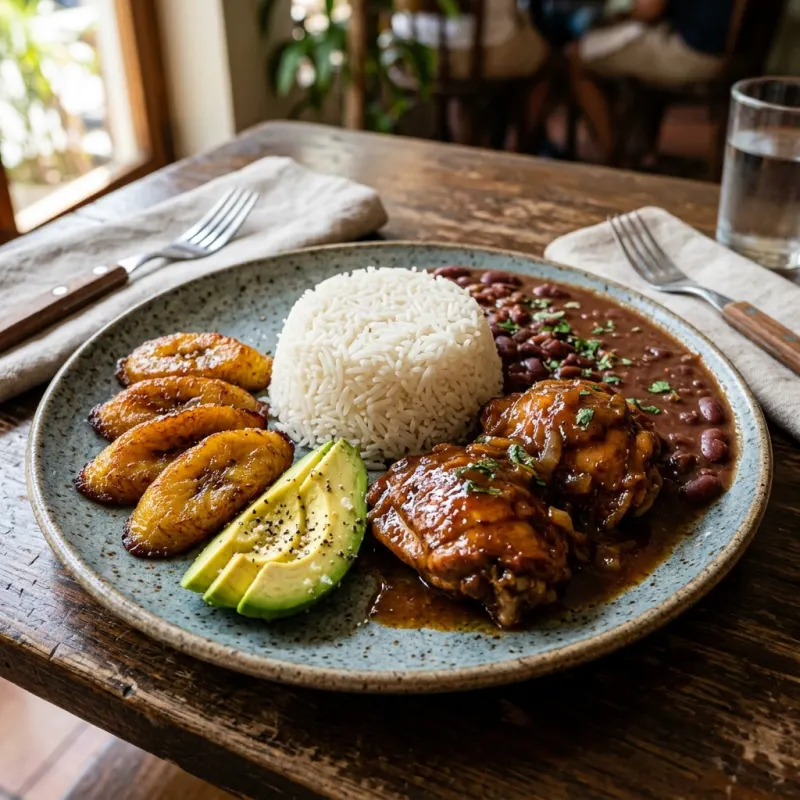
- Dynamic Gastronomy: Sample everything from rustic family-run comedores serving La Bandera to cutting-edge Dominican fusion restaurants in modern Piantini.
- The Malecón Boardwalk: Take in expansive Caribbean Sea views along the palm-fringed waterfront promenade that bustles with sea breezes and local weekend life.
Things to Avoid
- Unlicensed Street Taxis: Avoid flagging random unmarked cars at night; book through ride-hailing services like Uber or arranged hotel dispatchers instead.
- Drinking Tap Water: Never consume untreated tap water; always choose sealed bottled water or verified filtered sources.
- Displaying Valuables: Avoid openly using expensive smartphones or wearing flashy jewelry while walking along busy traffic intersections.
- Strict Daytime Dress in Churches: Do not enter historic churches like the primary cathedral wearing sleeveless tank tops or short shorts.
- Changing Currency on the Street: Never exchange money with informal street brokers who frequent commercial strips; use bank teller windows or registered casas de cambio.
Local Transportation Tips
Navigating Santo Domingo is most conveniently done through app-based rideshares like Uber, which offer fixed prices, reliable vehicle standards, and cashless transactions across city sectors. The Santo Domingo Metro system is clean, air-conditioned, and efficient for north-south and east-west transit across modern business corridors, costing only 20 DOP per single trip. Public shared minibuses (guaguas) and shared sedan taxis (conchos) cover extensive street networks but can be crowded, fast-paced, and confusing for first-time international visitors. Within the Ciudad Colonial, walking is the superior method of travel, though electric scooters, rental bicycles, and tourist trikes are also widely available.
Travel Etiquette
- Greeting Formality: Greet shopkeepers and service staff with a polite 'Buenos días' or 'Buenas tardes' before asking questions or requesting goods.
- Church Respect: Cover shoulders and knees when visiting historical religious spaces like Santa María la Menor; remove hats upon entry.
- Tipping Custom: A standard 10% legal tip is added to restaurant checks, but leaving an extra 5% to 10% in cash for attentive table service is customary.
- Photography Protocol: Always ask permission before photographing local street vendors, artisans, or children playing in neighborhood squares.
Recommended Age Group
Santo Domingo accommodates travelers across generations, though its cobblestone streetscape and lively urban density dictate varied comfort levels.
- Babies (0-2 years): Not Recommended. Navigating historic cobblestones with strollers is difficult, and high humidity and noisy traffic can challenge infants.
- Kids (3-12 years): Neutral. Children will enjoy the limestone caverns of Los Tres Ojos and the open plazas, though historic museum visits can require patience.
- Teens (13-19 years): Recommended. Older children and teens will appreciate the fortress ramparts, street art tours, vibrant culinary offerings, and live music scenes.
- Adults (20-64 years): Recommended. Perfect demographic for comprehensive historic exploration, museum-hopping, upscale dining, and evening social life.
- Seniors (65+ years): Recommended. Great for mature travelers interested in deep colonial history, guided walking tours, and cultural institutions with manageable pacing.
Accessibility Level: Medium
- The Ciudad Colonial contains historic stone paving, uneven curbs, and narrow sidewalks that present mobility challenges for manual wheelchair users.
- Major national museums like the Alcázar de Colón and Museo de las Casas Reales have partial ground-floor accessibility but often lack elevators to upper exhibition floors.
- The Santo Domingo Metro provides accessible station elevators and designated boarding zones across its modern lines.
- Los Tres Ojos National Park requires navigating extensive, steep stone stairways downward into the sinkholes, making the cave basins inaccessible to travelers with limited mobility.
Did You Know?
The Cathedral of Santa María la Menor in Santo Domingo, consecrated in 1541, is the oldest functioning Catholic cathedral in the entire American continent. Its limestone facade features a striking golden hue produced by coral quarry stones that have weathered tropical coastal air for nearly five centuries.
Cool Statistics
- 1496: The founding year of Santo Domingo, establishing it as the oldest continuous European settlement in the Americas.
- 1990: The year UNESCO officially declared the Ciudad Colonial a World Heritage Site.
- 3: The number of open-air subterranean freshwater lagoons within Los Tres Ojos National Park (plus a fourth exterior lake accessible by wooden raft).






Buy a compatible power adapter for your trip