The Greater Antilles account for nearly 90% of the landmass of the entire West Indies, making it a region of immense geographical and cultural diversity. From the limestone karsts of Cuba's Viñales Valley to the bioluminescent bays of Puerto Rico, the natural wonders here are staggering. The islands share a complex history of colonization, sugar plantations, and resilience, which is reflected in their shared yet distinct culinary, musical, and architectural traditions.
Beyond the famous all-inclusive resorts, the Greater Antilles offer deep cultural immersion. You can wander through the cobblestone streets of Santo Domingo's Zona Colonial, the oldest permanent European settlement in the Americas, or trace the roots of reggae in Kingston, Jamaica. The region's diverse topography also makes it a premier destination for eco-tourism, offering world-class scuba diving, challenging mountain treks, and serene botanical gardens.
Reasons to Visit
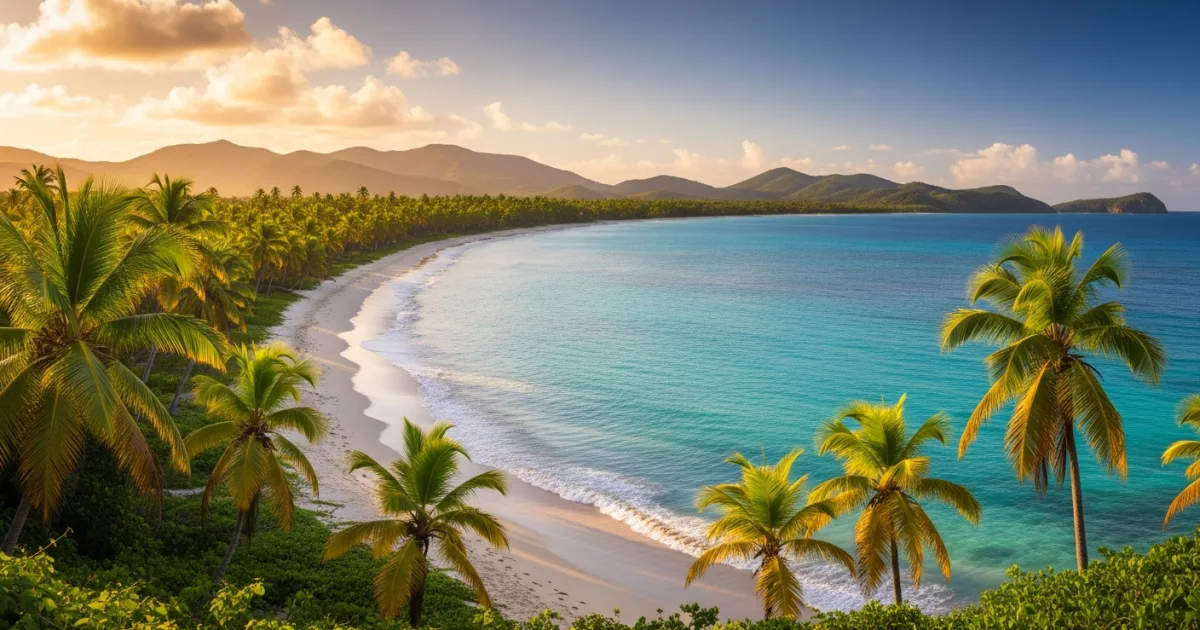
- World-class beaches with crystal-clear turquoise waters.
- Rich historical sites, including UNESCO-listed colonial cities.
- Incredible biodiversity in rainforests and coral reefs.
- Vibrant music scenes featuring reggae, salsa, son, and reggaeton.
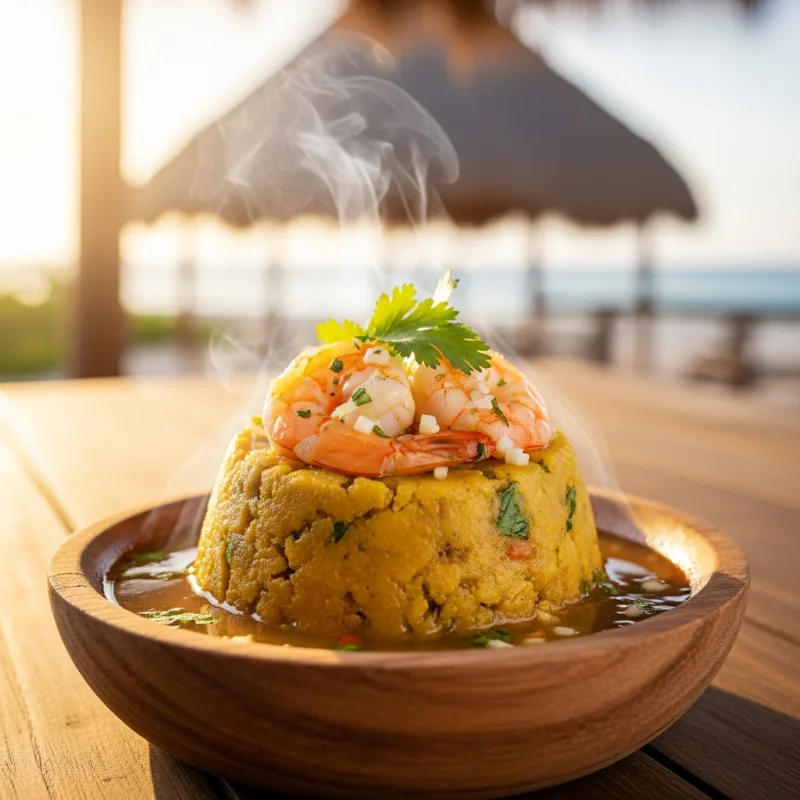
- Delicious and diverse Caribbean cuisine.
Things to Avoid
- Drinking tap water in certain countries (stick to bottled water).
- Walking alone at night in unlit or unfamiliar urban areas.
- Ignoring local weather advisories during hurricane season (June to November).
- Overpacking heavy clothing; stick to lightweight, breathable fabrics.
- Relying solely on credit cards, as smaller vendors often require cash.
Local Transportation Tips
Inter-island travel is primarily done via short flights, as ferry services between the major islands are limited. On the individual islands, transportation options range from modern rental cars and reliable taxis to local minibuses (like guaguas in the DR or route taxis in Jamaica). Renting a car is highly recommended for exploring beyond the resort areas, though driving styles and road conditions can vary significantly from island to island.
Travel Etiquette
- Dress modestly when visiting churches or religious sites.
- Always greet locals with a polite 'Good morning' or 'Buenos días' before asking for directions or service.
- Tipping is customary; leave 10-15% in restaurants if a service charge isn't already included.
- Ask for permission before taking photographs of local residents.
- Embrace 'island time' and be patient, as service can sometimes be slower than in Western cities.
Recommended Age Group
The Greater Antilles offer diverse experiences that cater to almost every age group, though the tropical climate and travel logistics require some consideration.
- Babies (0-2 years): Neutral. While many resorts cater to families, the heat and travel between islands can be exhausting for infants.
- Kids (3-12 years): Recommended. The region offers fantastic beaches, calm waters, and family-friendly resorts with dedicated kids' activities.
- Teens (13-19 years): Recommended. Teenagers will love the water sports, zip-lining through rainforests, and vibrant local culture.
- Adults (20-64 years): Recommended. Adults can fully appreciate the diverse nightlife, historical tours, rum tastings, and adventurous excursions.
- Seniors (65+ years): Recommended. Many areas offer accessible luxury resorts, leisurely cultural tours, and relaxing scenic cruises.
Accessibility Level: Medium
- Major resorts and international airports generally offer good wheelchair accessibility.
- Historic colonial districts often have cobblestone streets and narrow sidewalks, which can be challenging to navigate.
- Accessible transportation options vary by island, so it is best to arrange specialized transfers in advance.
- Many popular beaches offer beach wheelchairs for rent.
Did You Know?
The Greater Antilles are home to the smallest bird in the world, the Bee Hummingbird, which is endemic to Cuba and measures only about 2.2 inches in length.
Cool Statistics
- Pico Duarte in the Dominican Republic is the highest peak in the Caribbean at 3,098 meters (10,164 feet).
- The region contains over 60 endemic species of mammals.
- Cuba is the largest island in the Caribbean, roughly the size of the US state of Pennsylvania.
- Puerto Rico's El Yunque is the only tropical rainforest in the US National Forest System.






Buy a compatible power adapter for your trip