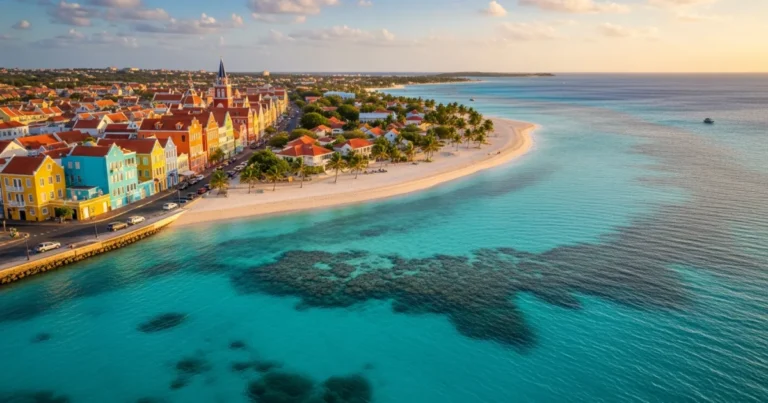
The Lesser Antilles are geographically divided into three main groups: the Leeward Islands in the north, the Windward Islands in the south, and the Leeward Antilles just north of the South American coast. This geographical diversity means travelers can experience everything from the arid, cactus-studded landscapes of Aruba to the dense, waterfall-laden rainforests of Dominica. The region's complex colonial history has left a fascinating cultural imprint, resulting in a unique blend of languages, architecture, and culinary traditions across the islands.
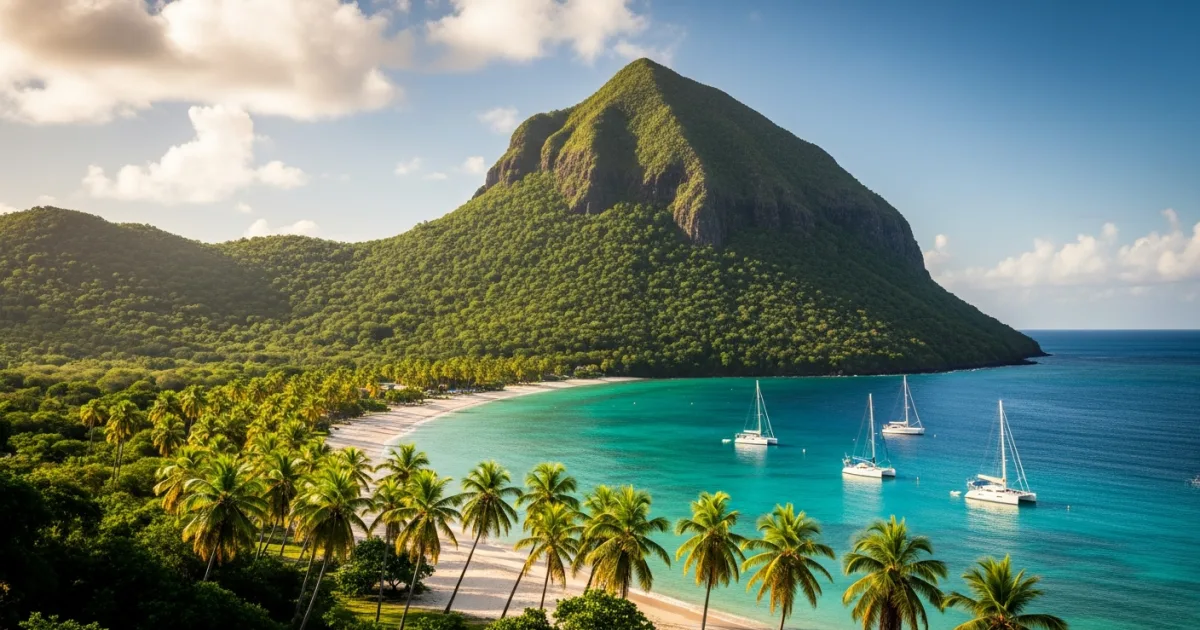
Beyond the stunning beaches, the Lesser Antilles are a haven for outdoor enthusiasts. The volcanic origins of many islands provide dramatic peaks perfect for hiking, such as the Pitons in St. Lucia or Mount Pelée in Martinique. Beneath the waves, the coral reefs offer world-class scuba diving and snorkeling, teeming with colorful marine life, sea turtles, and historic shipwrecks. Whether you are chartering a yacht to sail the Grenadines or dancing to calypso music at a local carnival, the Lesser Antilles promise a deeply enriching travel experience.
Reasons to Visit
- World-class beaches ranging from powdery white sand to dramatic volcanic black sand.
- Exceptional sailing and yachting opportunities, particularly in the British Virgin Islands and the Grenadines.
- Rich biodiversity offering excellent hiking, birdwatching, and eco-tourism in lush rainforests.
- Vibrant local cultures with spectacular annual carnivals, music festivals, and historic colonial architecture.
- Outstanding marine environments perfect for scuba diving, snorkeling, and swimming with sea turtles.
Things to Avoid
- Avoid traveling during the peak of hurricane season (August to October) unless visiting the ABC islands.
- Do not touch or stand on coral reefs while snorkeling or diving, as they are fragile living ecosystems.
- Avoid walking alone on isolated beaches or poorly lit areas at night to ensure personal safety.
- Refrain from wearing camouflage clothing, as it is illegal for civilians to wear it on several Caribbean islands.
- Avoid relying solely on credit cards; always carry some local currency for small purchases and tips.
Local Transportation Tips
Getting around the Lesser Antilles requires a mix of transportation methods. For inter-island travel, regional airlines provide quick connections, while ferry networks are excellent for shorter distances between neighboring islands. On the islands themselves, renting a car is often the best way to explore at your own pace, though be prepared for driving on the left side of the road in British-influenced territories. Taxis are widely available but are usually unmetered, so it is crucial to agree on the fare before starting your journey. Public minibuses are a cheap and authentic way to travel locally, though they can be crowded and operate on flexible schedules.
Travel Etiquette
- Dress modestly when away from the beach; wearing swimwear in towns, shops, or restaurants is generally frowned upon.
- Always greet locals with a polite 'Good morning' or 'Good afternoon' before asking a question or starting a transaction.
- Tipping is customary; leave 10-15% at restaurants if a service charge hasn't already been added to the bill.
- Ask for permission before taking photographs of local residents, market vendors, or their property.
- Embrace 'island time'—service may be slower than you are used to, so practice patience and enjoy the relaxed pace.
Recommended Age Group
The Lesser Antilles offer a diverse range of activities suitable for almost all ages, from relaxing beach days to thrilling water sports.
- Babies (0-2 years): Neutral. While resorts are accommodating, the intense tropical sun and limited advanced medical facilities on smaller islands require careful planning.
- Kids (3-12 years): Recommended. Calm, shallow waters on the leeward coasts and family-friendly resorts make it an excellent destination for children.
- Teens (13-19 years): Recommended. Abundant opportunities for snorkeling, zip-lining, and sailing keep teenagers highly engaged.
- Adults (20-64 years): Recommended. Perfect for adults seeking a mix of adventure, scuba diving, vibrant nightlife, and romantic escapes.
- Seniors (65+ years): Recommended. Luxury cruises, accessible beachfront resorts, and relaxing boat tours provide a comfortable and enjoyable experience.
Accessibility Level: Medium
- Accessibility varies significantly across the islands; major resorts and cruise ports generally offer good facilities for wheelchair users.
- Many older colonial towns have uneven cobblestone streets and lack curb cuts, making navigation challenging.
- High-end hotels often provide accessible rooms, but it is essential to confirm specific requirements directly with the property before booking.
- Natural attractions like rainforest trails and volcanic beaches are largely inaccessible to those with mobility impairments.
- Some tour operators offer specialized accessible transport and boat tours, but these must be arranged well in advance.
Did You Know?
Did you know that the Lesser Antilles are home to the world's oldest protected rainforest? The Main Ridge Forest Reserve on the island of Tobago was established in 1776 specifically for the purpose of conservation, making it a pioneering site for environmental protection.
Cool Statistics
- The Lesser Antilles stretch for approximately 500 miles (800 km) from the Virgin Islands to the coast of South America.
- The region comprises over 20 distinct political entities, including independent nations and overseas territories of France, the UK, and the Netherlands.
- Dominica, known as the 'Nature Island', boasts 365 rivers—one for every day of the year.
- Saba, a tiny Dutch Caribbean island, is home to Mount Scenery, which is the highest point in the entire Kingdom of the Netherlands at 887 meters (2,910 feet).








Buy a compatible power adapter for your trip