Disclosure: This site contains affiliate links. We may earn a commission if you make a purchase, at no extra cost to you.

>
>
>
>
Valle de Guadalupe

Valle de Guadalupe

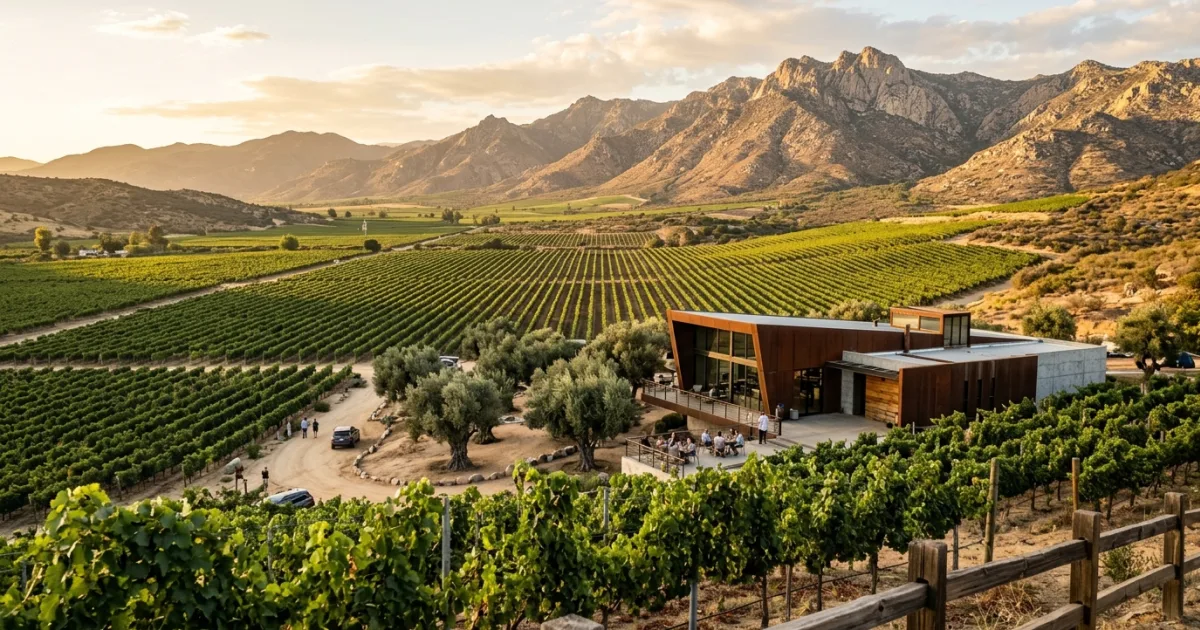
Scenic panoramic view of vineyards and modern winery architecture in Valle de Guadalupe Baja California

Valle de Guadalupe Overview & Key Highlights

Valle de Guadalupe represents Mexico's premier wine-producing region, responsible for nearly ninety percent of the country's viticulture. Situated within the rolling hills of the Baja California peninsula just ninety minutes south of the United States border, this sun-drenched valley marries Mediterranean microclimates with innovative Baja Med gastronomy. Travelers encounter rugged dirt roads that lead to avant-garde architectural wineries, sprawling olive groves, and Michelin-recognized open-air dining rooms. The valley offers an escape centered on unhurried indulgence, world-class artisanal wines, and rustic-luxe boutique eco-resorts. Visitors spend their days tasting bold Nebbiolos and crisp Chenin Blancs, sampling freshly pressed olive oils, and gazing at star-strewn desert skies free from urban light pollution. With its distinctive blend of rustic agricultural heritage and modern culinary innovation, the region stands as a sophisticated sanctuary for food and wine connoisseurs.

Valle de Guadalupe Travel Guide: Logistics & In-Depth Tips

Valle de Guadalupe is Mexico's premier viticultural zone, responsible for approximately 90 percent of all commercial wine produced in the country. Situated within the municipality of Ensenada in the state of Baja California, the valley spans a sweeping, arid plateau framed by granite mountain ridges and chaparral brush. Its geographic positioning—just 20 kilometers inland from the cold waters of the Pacific Ocean—creates a microclimate of hot, sunny days and cool, maritime-cooled nights, mirroring classic Mediterranean growing conditions.

Viticulture in the valley dates back to Spanish Jesuit missionaries in the late 18th century, followed by a unique influx of Russian pacifist Molokan immigrants in the early 1900s who planted commercial vineyards. In recent decades, the valley underwent an extraordinary architectural and culinary renaissance. Rather than imitating classic European châteaux, local vintners and architects designed minimalist, sustainable structures crafted from repurposed shipping containers, rammed earth, and weathered steel. Today, the destination harmoniously pairs boutique winemaking with globally celebrated outdoor dining rooms, artisanal olive mills, and luxury off-grid glamping lodges.

Reasons to Visit

  • World-Class Viticulture: Taste award-winning red and white varietals, including bold Nebbiolos, Tempranillos, and crisp Chenin Blancs, across more than 150 distinct boutique wineries.
  • Pioneering Baja Med Gastronomy: Dine at benchmark farm-to-table restaurants where internationally renowned chefs cook over open wood fires using ingredients sourced directly from estate gardens and coastal waters.
  • Avant-Garde Architecture: Experience innovative eco-design and wine cellar architecture integrated seamlessly into rocky desert landscapes and ancient oak groves.
  • Spectacular Dark Skies: Unwind under unpolluted, star-studded night skies at rustic-luxe glamping domes and boutique eco-villas nestled among rolling hills.
  • Scenic Countryside Exploration: Discover artisanal olive oil pressing mills, lavender fields, boutique cheese farms, and sweeping vistas along Baja California's scenic Ruta del Vino.

Things to Avoid

  • Avoid attempting to hail street taxis or relying on rideshare apps like Uber within the valley, as service is virtually non-existent between remote vineyards.
  • Do not drive a low-riding sedan on secondary dirt roads during or immediately after rare rainstorms, as ruts and mud can trap small vehicles.
  • Avoid visiting without dining and tasting reservations on Friday through Sunday, as peak weekend visitor volumes quickly fill premier venues.
  • Do not underestimate daytime sun exposure; desert heat can cause swift dehydration, especially when combined with wine consumption.
  • Avoid relying solely on cellular data for navigation; download offline maps before driving off paved highways.

Local Transportation Tips

Personal car rental or private chauffeured transportation is mandatory to explore Valle de Guadalupe effectively. The valley is anchored by paved Federal Highway 3, but access to individual wineries and accommodations usually requires traveling several kilometers along unpaved dirt and gravel tracks. Car rentals are readily available at Tijuana International Airport (TIJ) and San Diego across the border. For travelers who plan to indulge in wine tastings, hiring a licensed private driver (chofer) for an 8-hour day is the safest and most popular option, costing between $120 and $200 USD per day.

Travel Etiquette

  • Tipping Practices: Tip 15% to 20% at restaurants and wine tasting bars for attentive service; 10% is considered standard for basic service.
  • Punctuality for Tastings: Arrive promptly for scheduled tastings and cellar tours, as estates often hold limited seating allocations for reservation holders.
  • Casual Elegance: Dress codes favor 'rustic chic'—linen, breathable fabrics, and boots or comfortable flats; formal eveningwear is out of place on dusty vineyard paths.
  • Respect for Private Properties: Do not wander freely into unguided grape rows or harvest zones without explicit permission from estate staff.

Recommended Age Group

Valle de Guadalupe is primarily an adult-oriented agricultural and culinary sanctuary, though mature travelers and families with self-sufficient teens can find rewarding experiences.

  • Babies (0-2 years): Not Recommended. Rugged unpaved roads, heat, dust, and an absence of child-friendly facilities make travel with infants logistically challenging.
  • Kids (3-12 years): Not Recommended. The region revolves around wine tastings, multi-hour tasting menus, and adult-centered relaxation, offering few dedicated attractions or entertainment options for younger children.
  • Teens (13-19 years): Neutral. Teenagers interested in nature, horseback riding, coastal day excursions, and culinary adventures will enjoy the scenery, though they cannot participate in the primary winery tasting activities.
  • Adults (20-64 years): Recommended. An outstanding destination for couples, friend groups, and foodies seeking world-class viticulture, fine dining, and boutique wellness accommodations.
  • Seniors (65+ years): Recommended. Mature travelers will appreciate relaxed vineyard lunches, private tours, and tranquil scenery, provided accommodations offer single-story layouts and private transport is arranged to manage uneven terrain.

Accessibility Level: Medium

  • Most rural dirt roads, crushed-gravel courtyards, and stepped winery terraces present moderate mobility obstacles for wheelchair users.
  • Modern, high-end architectural wineries (such as Monte Xanic and Bruma) feature flat concrete pathways, ramps, and accessible restroom facilities.
  • Boutique eco-resorts frequently have uneven exterior stone paths and elevated decks; inquiries regarding zero-step access should be made prior to booking.
  • Private chartered transport with low-entry steps or accessible vans can be coordinated through specialized Ensenada-based tour operators.

Did You Know?

A community of Russian Molokan pacifists fleeing religious persecution settled in Valle de Guadalupe in 1905, establishing wheat farms and revitalizing commercial viticulture. Today, visitors can still explore their heritage at the Russian Community Museum (Museo Comunitario Ruso) in the village of Francisco Zarco.

Cool Statistics

  • 90%: Percentage of Mexico's total wine volume produced in Baja California's valleys.
  • 150+: Active wineries and tasting rooms operating across the Valle de Guadalupe region.
  • 1905: Year Russian Molokan settlers introduced modern commercial agricultural techniques to the valley.
  • 1,000 ft (300 m): Average valley elevation above sea level, contributing to dramatic diurnal temperature shifts.


Address:

Valle de Guadalupe, Ensenada, Baja California, Mexico

Find Nearby Accommodations

Basic Info

address icon

COUNTRY & Region

Mexico,
North America

ACCESSIBILITY LEVEL​

Medium
Currency icon

LOCAL CURRENCY​

Mexican Peso (MXN)
Price level icon
High
Safety Level icon

SAFETY LEVEL

Duration icon

Recommended Duration

• 1-7 days
• Full day

Electricity

electricity icon

Electricity

110-120V, 
60Hz
Plug Socket icon

Plug Type

• Type A (Flat blade)
• Type B (Flat blade with grounding pin)
Plug types
Click To View Plug Types
Valle de Guadalupe is part of our
Off-Grid Glamping collection

Activities To Do In Valle de Guadalupe

Best Time To Visit Valle de Guadalupe

Valle de Guadalupe enjoys a semi-arid Mediterranean climate characterized by hot, dry summers and mild, cool winters.

  • Harvest Season (August–September): The liveliest time of year, celebrated with the annual Fiestas de la Vendimia, grape-stomping events, and outdoor concerts; reservations months in advance are essential.
  • Spring (April–June): Outstanding weather with daytime temperatures around 20°C to 26°C (68°F–78°F), blooming flora, and fewer crowds across tasting rooms.
  • Autumn (October–November): Crisp, pleasant weather with golden vineyard foliage and relaxed atmosphere following the grape harvest.
  • Winter (December–February): Quiet and cool with occasional rainfall; ideal for budget travelers and uncrowded dining, though winery operating hours are often reduced.

Average Temperatures Per Month

Remember to check the weather forecast a few days before the trip and before heading to the airport.

Safety Level icon

Safety Level

Valle de Guadalupe is generally very safe for tourists, with violence rare in agricultural and winery zones. Exercise caution on unpaved secondary dirt roads, which can be heavily rutted, poorly lit at night, and lack reliable cellular connectivity. Use a vehicle with adequate ground clearance and avoid driving under the influence after tastings by booking a dedicated driver. Keep vehicle doors locked and valuables out of sight when parked at trailheads or unattended lots.

The rating is based on multi-year peace, crime, and security indices. Before you go, always verify current conditions through official government travel advisories.

Emergency Numbers

Police: 911
Ambulance: 911

No internet needed • Includes local translations • Free for TravelingWiz readers

Spoken Languages

Spanish is the official language. English is broadly understood and spoken across wineries, tasting rooms, boutique hotels, and fine-dining restaurants throughout the valley.

Learn The Language

  • Una copa de vino, por favor: A glass of wine, please
  • ¿Tienen servicio de cata?: Do you have a wine tasting service?
  • ¿Cuál es el vino de la casa?: What is the house wine?
  • La cuenta, por favor: The check, please
  • ¿Aceptan tarjeta?: Do you accept credit card?
  • Salud: Cheers
  • Muchas gracias: Thank you very much
  • ¿Dónde está el baño?: Where is the restroom?
Travel Booking Partner - TravelingWiz

Trip Cost & Budgeting for Valle de Guadalupe, 2026

Everything you need to know about money while traveling
Is Valle de Guadalupe expensive for tourists in 2026? Yes, as Mexico's premier wine region, prices are higher than average. Based on Human Verified prices, expect to pay around 70 MXN for a cappuccino, 90 MXN for a domestic craft beer, and 380 MXN for a mid-range meal. High-end wineries elevate overall daily spending. Use the data table below to calculate your specific daily budget based on your travel style.
Currency icon

LOCAL CURRENCY​:

Mexican Peso (MXN)
Price level icon
High
Wineries and hotel resorts accept cards, but cash is required for street food, tips, and toll roads.

Per person, per day – pocket cash for small purchases.

Local: 290
Mexican Peso (MXN)
≈ 16 USD

Full daily spend estimation (accommodation, food, transportation, attractions).

Travel Style
Mexican Peso (MXN)
≈ USD ($)
Budget
1570
89
Mid-range
2850
161
Comfort
6250
353

The Prices, Daily costs, and calculator results are estimates for planning purposes only. Actual costs may vary based on season, booking timing, personal spending habits, and currency fluctuations. TravelingWiz cannot be held responsible for discrepancies between these estimates and your final trip expenses.

  • • Visit small family-owned vinícolas instead of major estate resorts for lower tasting fees.
  • • Eat at iconic local eateries like La Cocina de Doña Esthela for affordable, filling meals.
  • • Share wine tastings or bottles between travel partners to sample more varieties while splitting costs.
  • • Drive your own vehicle or book a group tour to minimize expensive private transport fees.

Pre-Order Tickets

Avoid disappointment when tickets sell out — and skip the long lines by booking online in advance. You’ll often save up to 20% too.
Save up to 20%

Travel Discounts & Coupons

Save on hotels, attractions, transport, and gear — find verified discounts for smarter travel spending.
Verified Coupons

What To Pack

  • Breathable linen shirts and dresses for warm, dry daytime wine tastings
  • A warm fleece, sweater, or denim jacket for significant desert temperature drops at night
  • Sturdy closed-toe walking shoes or boots suitable for uneven gravel, dusty vineyard rows, and dirt tracks
  • Polarized sunglasses and a wide-brimmed sun hat to protect against intense Baja sun
  • Sunscreen with high SPF and skin moisturizer to combat dry valley air
  • Compact power bank to maintain phone battery during long drives between rural estates
  • Cash in Mexican pesos for rural roadside stalls, tips, and road tolls
We couldn't find tips for Valle de Guadalupe.
If you got any, please share

Recommended Itineraries for Traveling to Valle de Guadalupe

We couldn't find itineraries for Valle de Guadalupe.
you can contact us for custom trip plan

Food & Drink Highlights

Local Food Overview

Valle de Guadalupe is the epicenter of Baja Med cuisine, a culinary philosophy developed in the early 2000s that synthesizes Mediterranean ingredients (olive oil, fresh herbs, wine, tomatoes) with traditional Mexican flavors and fresh Pacific seafood. Dining is overwhelmingly farm-to-table, with renowned open-air kitchens centered around mesquite-wood grills, estate gardens, and daily catches from the ports of Ensenada and San Quintín. Iconic estates serve fresh local Kumiai oysters, fire-roasted quail, slow-cooked lamb, and charred octopus alongside native olive oils and micro-estate vintages.
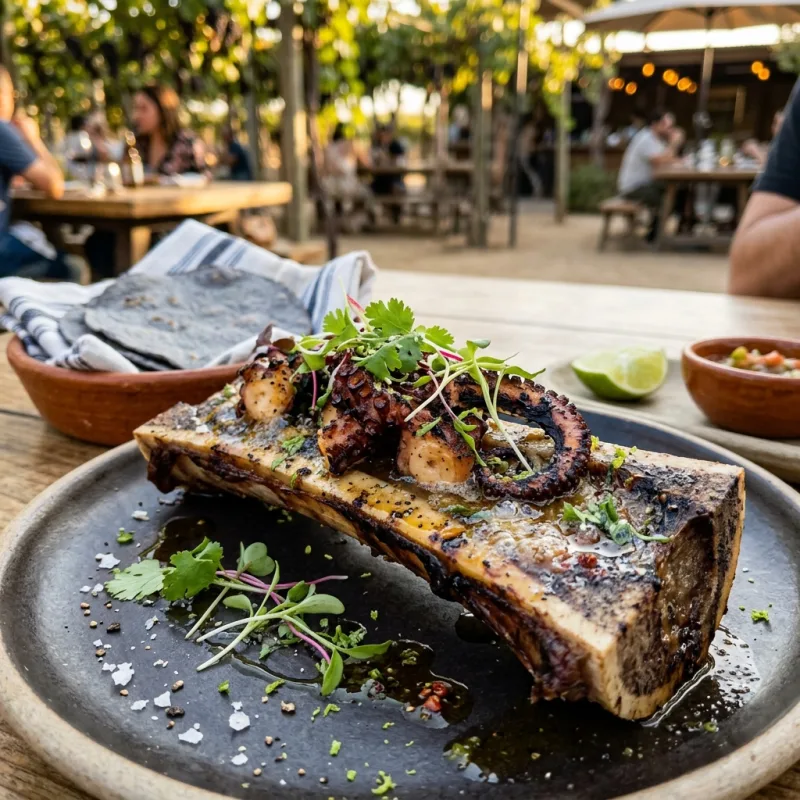
Tuétano con Pulpo bone marrow and grilled octopus dish in Valle de Guadalupe

Must Try Dish

Tuétano con Pulpo - Charred roasted beef bone marrow topped with wood-fired Pacific octopus, served with house-made salsas and fresh blue corn tortillas. This combination exemplifies the Baja Med movement by harmonizing deep, rich savory marrow with tender, smoke-kissed coastal seafood.
Food Experiences Title Icon

Food
Experiences

Discover cooking classes, tastings and local food tours

No food experience found
Maya, the human travel expert at TravelingWiz, offering curated, non-AI expertise

Maya’s Final Checklist for Valle de Guadalupe

Logistics shouldn’t be the focus of your trip—the experience should. I’ve hand-vetted these essential partners to ensure your arrival, stay, and exploration are as smooth as an Athenian breeze.

Where to Stay

From boutique hotels to local apartments—compare thousands of options and find the perfect stay in the best neighborhood.

Air Travel

Getting there should be seamless. Compare the best routes and prices across top airlines to start your journey on the right note.

Local Guides

Connect with experts who know the destination best. Get personalized advice and insider tips to help you plan your perfect trip.

Travel Protection

The “Engineer’s” rule: always have a backup. Secure your trip with a plan that covers every “what if” and unexpected change.

Car Rentals

Explore at your own pace with total freedom. Compare reliable rental options and find the right vehicle for your adventure.

Visa Services

Don’t let paperwork slow you down. Get expert assistance with your application to ensure all your entry documents are in order.

FAQs

While paved Highway 3 connects the valley’s main villages, many premier wineries and boutique lodges sit along unpaved, corrugated dirt roads. A four-wheel drive is not mandatory in dry conditions, but a vehicle with decent ground clearance (such as a compact crossover or SUV) is highly recommended over a low-clearance sports car.
Yes, advance reservations are strongly recommended for high-profile wineries (such as Monte Xanic, Adobe Guadalupe, and Bruma) and acclaimed restaurants like Fauna or Deckman’s, especially on weekends and throughout the August–September harvest season.
Hiring a private local driver or booking a full-day chauffeured tour is the safest and most efficient way to navigate the valley. Rideshare services like Uber do not reliably operate within the rural valley, and local taxis can be difficult to hail on short notice.

Your Insights Matter

TravelingWiz grows through the stories of our community. If you’ve recently explored ,Valle de Guadalupe share your tips and stories to help us perfect our guides for the next traveler.

Related Articles

Check out our related articles and blog posts to learn even more about the destination.

No related articles found

Don’t Travel Alone

Share with your friends and family

Where should we send your offline card?

We hate spam just as much as you do

newsletter_consent *