Disclosure: This site contains affiliate links. We may earn a commission if you make a purchase, at no extra cost to you.

>
>
>
>
Loreto Bay National Park

Loreto Bay National Park

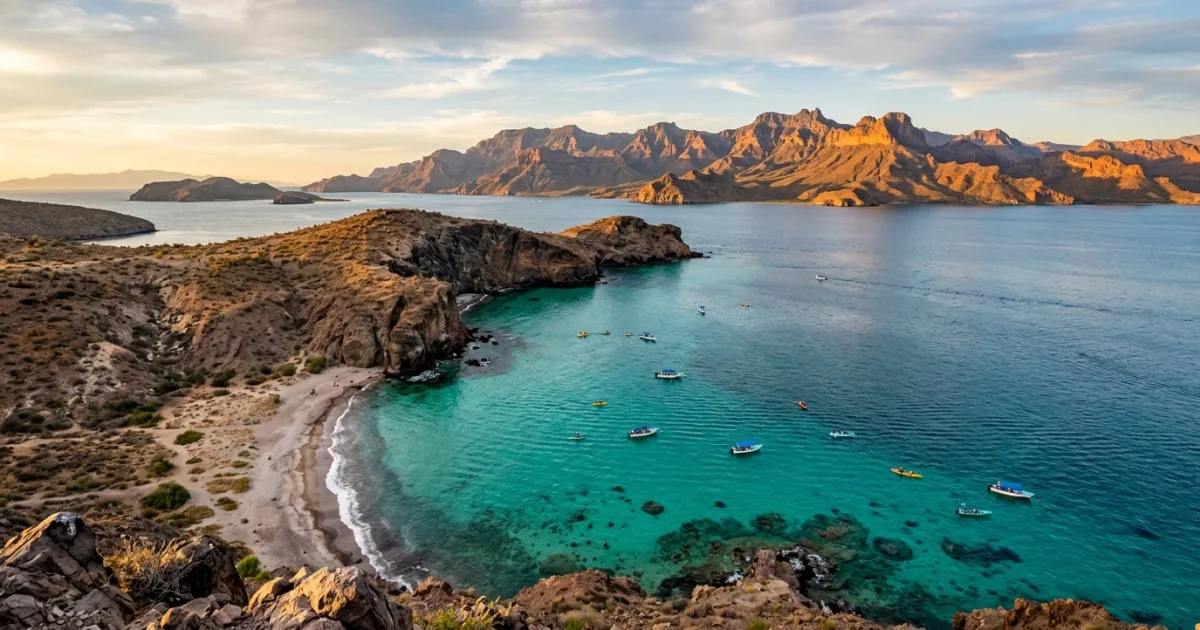
Turquoise waters and desert islands of Loreto Bay National Park Baja California Sur

Loreto Bay National Park Overview & Key Highlights

Loreto Bay National Park encompasses a sprawling marine reserve located along the eastern coast of Baja California Sur in the Gulf of California. Visitors access the park primarily via licensed skiffs known as pangas departing from the historic marina town of Loreto. The park's five principal islands shelter distinct microclimates, white sand coves, towering cardón cacti, and dormant volcanic cones that slope directly into protected turquoise bays. Marine visibility frequently exceeds thirty meters, allowing exceptional observation of pelagic fish, coral formations, and marine mammals in their natural environment. Eco-conscious exploration anchors the visitor experience, with activities centered around non-motorized paddling, ethical whale encounters, and coastal snorkeling. Between January and April, migratory blue whales and fin whales feed in the park's nutrient-rich channels, drawing wildlife enthusiasts from across the globe. Island landings are strictly regulated to protect fragile nesting colonies of blue-footed boobies and endemic desert reptiles. The absence of commercial development across the islands preserves an authentic wilderness character rarely found along developed resort coastlines.

Loreto Bay National Park Travel Guide: Logistics & In-Depth Tips

Loreto Bay National Park encompasses 206,580 hectares of protected marine surface in the western Gulf of California, flanked by the Sierra de la Giganta mountains. Established by presidential decree in 1996 following community mobilization, the park safeguards fragile submarine canyons, rocky reefs, sandy seabeds, and five volcanic islands: Coronado, del Carmen, Danzante, Montserrat, and Santa Catalina. The convergence of deep ocean upwellings with shallow warm lagoons produces immense biological productivity, earning this region Jacques Cousteau's famous moniker as 'The World's Aquarium.'

Over 800 species of marine animals inhabit the park, including multiple species of endangered whales, manta rays, dolphins, and colonies of sea lions. Terrestrial components harbor endemic flora and fauna adapted to extreme desert conditions, including giant cardón cacti and rare reptiles. For travelers, the park offers pristine wilderness devoid of commercial piers, high-rise developments, or jet skis, maintaining an unhurried, conservation-first atmosphere centered on ecological stewardship.

Reasons to Visit

  • Witness the earth's largest living mammal, the blue whale, up close in its natural winter calving and feeding habitat.
  • Snorkel alongside inquisitive California sea lion pups in the turquoise coves of Isla Coronados.
  • Paddle clear waters on multi-day guided sea kayaking expeditions through untouched desert island archipelagos.
  • Hike dormant volcanic craters and desert arroyos featuring towering native cacti and panoramic views of the Sea of Cortez.
  • Experience zero light pollution with spectacular night skies and bioluminescent plankton displays along island shores.

Things to Avoid

  • Avoid using non-biodegradable, chemical-laden sunscreens that bleach and damage fragile coral reef systems.
  • Do not step on or touch delicate volcanic rock ecosystems and nesting seabird zones marked off on the islands.
  • Never attempt to touch, feed, or corner marine mammals, especially sea lions and nesting whales.
  • Avoid booking boat tours with unauthorized panga captains who lack official CONANP conservation badges and permits.
  • Do not forget wind protection; ocean crossings can become rapidly choppy during sudden afternoon thermal wind changes.

Local Transportation Tips

Access within Loreto Bay National Park is exclusively marine-based. Licensed pangas (22-to-28-foot fiberglass skiffs equipped with shade canopies and outboard motors) provide the primary transit to islands and dive sites. Pangas can be chartered directly at the Loreto municipal marina (Dársena de Loreto) or through certified eco-tour operators in town. On land, rental cars or local taxis connect the international airport (LTO) and downtown hotels to the marina and southern launch points like Puerto Escondido.

Travel Etiquette

  • Keep all personal trash secured inside your dry bags; never allow single-use plastics to blow into the ocean.
  • Follow the strict distance guidelines dictated by CONANP captains when observing blue, fin, or humpback whales.
  • Greet local boat captains and crew with respectful Spanish greetings such as 'Buenos días' and tip marine guides 15–20% for dedicated service.
  • Leave all seashells, bleached coral fragments, and desert fossils exactly where you find them on island beaches.

Recommended Age Group

Loreto Bay National Park accommodates multi-generational nature travel, though open-sea boat transit requires physical mobility.

  • Babies (0-2 years): Not Recommended. Unshaded panga boat rides lasting several hours across open ocean waves pose sunstroke and thermal comfort challenges for infants.
  • Kids (3-12 years): Neutral. Children comfortable with swimming and open-boat travel will marvel at sea lions and dolphins, though long days on the water can be exhausting.
  • Teens (13-19 years): Recommended. Active teenagers will thoroughly enjoy snorkeling, stand-up paddleboarding, sea kayaking, and hiking volcanic ridges.
  • Adults (20-64 years): Recommended. Optimal conditions for wildlife enthusiasts, divers, photographers, and travelers seeking remote ecological serenity.
  • Seniors (65+ years): Recommended. Ideal for active mature travelers with reasonable balance for stepping from skiffs into shallow beach water on wet landings.

Accessibility Level: Medium

  • Island landings are predominantly 'wet landings,' requiring passengers to disembark directly into knee-deep surf from the boat bow.
  • Standard pangas do not feature wheelchair ramps or accessible boarding lifts, requiring physical step-ups from floating marina docks.
  • Paved, flat walkways are present along the main Loreto town malecón and marina staging area.
  • Private boat charters can arrange specialized assistance for travelers with minor mobility limitations upon advance request.

Did You Know?

Loreto Bay National Park hosts up to thirty different species of marine mammals throughout the calendar year, representing nearly one-third of the world's total marine mammal diversity within a single protected bay.

Cool Statistics

  • 2,065 square kilometers: Total protected marine and insular area within the park reserve.
  • 30+ meters: Underwater horizontal visibility in peak autumn diving months.
  • 5 distinct major uninhabited desert islands protected within the reserve boundaries.
  • Up to 30 meters (100 feet): Maximum length of blue whales that migrate to feed here each winter.

Address:

Loreto Bay National Park, Loreto, Baja California Sur, Mexico

Find Nearby Accommodations

Basic Info

address icon

COUNTRY & Region

Mexico,
North America

ACCESSIBILITY LEVEL​

Medium
Currency icon

LOCAL CURRENCY​

Mexican Peso (MXN)
Price level icon
High
Safety Level icon

SAFETY LEVEL

Duration icon

Recommended Duration

• Full day
• 1-7 days

Electricity

electricity icon

Electricity

110-120V, 
60Hz
Plug Socket icon

Plug Type

• Type A (Flat blade)
• Type B (Flat blade with grounding pin)
Plug types
Click To View Plug Types
Loreto Bay National Park is part of our
Astrotourism collection

Activities To Do In Loreto Bay National Park

Best Time To Visit Loreto Bay National Park

Weather patterns dictate marine activities and wildlife encounters throughout the year.

  • January to March (Whale Season): Prime months for sighting blue whales, fin whales, and humpbacks; water temperatures dip to 19–21°C (66–70°F), requiring light wetsuits for snorkeling.
  • April to June (Shoulder Season): Mild air temperatures, calm winds, and blossoming desert landscapes ideal for sea kayaking and hiking on Isla Coronados.
  • July to October (Warm Water Diving): Water temperatures peak around 28–30°C (82–86°F) with exceptional underwater visibility exceeding 30 meters; summer air temperatures can exceed 38°C (100°F).
  • November to December: Comfortable daytime temperatures and calm waters before winter northerly winds (Los Nortes) begin intermittently.

Average Temperatures Per Month

Remember to check the weather forecast a few days before the trip and before heading to the airport.

Safety Level icon

Safety Level

Loreto is statistically one of the safest coastal municipalities in Mexico, with very low crime rates. Within the national park itself, maritime safety is the primary priority; always wear provided lifejackets during panga crossings and heed wind warnings from the Port Captaincy regarding 'Los Nortes' gusts. Never swim near nesting sea lion bulls during late spring mating season. Protect against desert dehydration by carrying a minimum of two liters of fresh drinking water per person during island excursions.

The rating is based on multi-year peace, crime, and security indices. Before you go, always verify current conditions through official government travel advisories.

Emergency Numbers

Police: 911
Ambulance: 911

No internet needed • Includes local translations • Free for TravelingWiz readers

Spoken Languages

Spanish is the primary local language, with conversational English widely spoken by certified boat operators, tour guides, and dive masters.

Learn The Language

  • ¿A qué hora sale la lancha? – What time does the boat depart?
  • ¿Incluye el brazalete del parque? – Does it include the national park bracelet?
  • Ballena azul – Blue whale
  • Lobo marino – Sea lion
  • El mar está tranquilo – The sea is calm
  • ¿Dónde podemos esnorquelear? – Where can we snorkel?
  • Muchas gracias por el recorrido – Thank you very much for the tour
  • Cuidado con las rocas – Watch out for the rocks
Travel Booking Partner - TravelingWiz

Trip Cost & Budgeting for Loreto Bay National Park, 2026

Everything you need to know about money while traveling
Is Loreto Bay National Park expensive for tourists in 2026? Yes, it is relatively expensive. Loreto Bay National Park sits in Baja California Sur, so costs reflect the state's higher average prices. Based on Human Verified prices, expect to pay around 70 MXN for a coffee, 60 MXN for a domestic beer, and 400 MXN for a mid-range meal. Use the data table below to calculate your specific daily budget based on your travel style.
Currency icon

LOCAL CURRENCY​:

Mexican Peso (MXN)
Price level icon
High
Credit cards are widely accepted in resorts and restaurants, but cash is essential for street food, taxis, and tips.

Per person, per day – pocket cash for small purchases.

Local: 290
Mexican Peso (MXN)
≈ 16 USD

Full daily spend estimation (accommodation, food, transportation, attractions).

Travel Style
Mexican Peso (MXN)
≈ USD ($)
Budget
1570
89
Mid-range
2850
161
Comfort
6250
353

The Prices, Daily costs, and calculator results are estimates for planning purposes only. Actual costs may vary based on season, booking timing, personal spending habits, and currency fluctuations. TravelingWiz cannot be held responsible for discrepancies between these estimates and your final trip expenses.

  • • Stay in La Paz or Loreto for cheaper accommodations and dining compared to Los Cabos.
  • • Take the local SuburCabos public buses between Cabo San Lucas and San José del Cabo instead of expensive taxis.
  • • Eat at local taquerias and marisquerias away from the main marina to save significantly on food.
  • • Withdraw Mexican pesos directly from official bank ATMs rather than paying in US dollars at inflated vendor exchange rates.

Pre-Order Tickets

Avoid disappointment when tickets sell out — and skip the long lines by booking online in advance. You’ll often save up to 20% too.
Save up to 20%

Travel Discounts & Coupons

Save on hotels, attractions, transport, and gear — find verified discounts for smarter travel spending.
Verified Coupons

What To Pack

  • Reef-safe biodegradable sunscreen (standard mineral sunscreen is mandated across the marine reserve)
  • UPF 50+ rashguard or lightweight dive skin for thermal and sun protection
  • Polarized sunglasses and wide-brim hat with chin strap for open panga boat transit
  • Sturdy water shoes with grip soles for rocky volcanic beach landings
  • Dry bag (15–20L capacity) to protect electronics and passports from ocean spray
  • Snorkel gear including a well-fitting mask and silicone snorkel
  • Windbreaker or marine jacket for brisk winter morning boat rides
We couldn't find tips for Loreto Bay National Park.
If you got any, please share

Recommended Itineraries for Traveling to Loreto Bay National Park

We couldn't find itineraries for Loreto Bay National Park.
you can contact us for custom trip plan

Food & Drink Highlights

Local Food Overview

Coastal gastronomy in Loreto revolves around pristine seafood harvested daily from the Gulf of California. Regional culinary traditions combine Baja desert ranching roots with maritime subsistence, emphasizing natural wood smoke and citrus marinades. Freshly shucked chocolate clams (almejas chocolatas) served raw or baked, yellowtail fish tacos on handmade flour tortillas, and smoked marlin stews define the local menu.
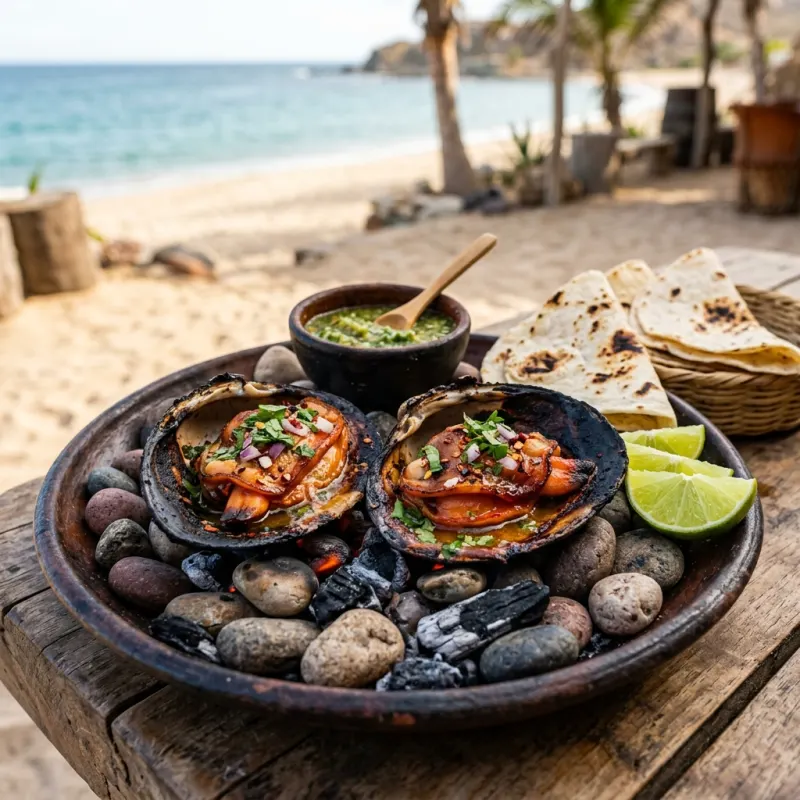
Almejas Chocolatas Tatemadas roasted clams in Loreto

Must Try Dish

Almejas Chocolatas Tatemadas - Giant chocolate clams buried vertically in gravel and slow-roasted beneath a blazing carpet of wild romerillo desert brush. The sweet, tender clam meat is extracted hot and served with homemade flour tortillas, serrano chile salsa, and mustard-mayonnaise sauce.
Food Experiences Title Icon

Food
Experiences

Discover cooking classes, tastings and local food tours

No food experience found
Maya, the human travel expert at TravelingWiz, offering curated, non-AI expertise

Maya’s Final Checklist for Loreto Bay National Park

Logistics shouldn’t be the focus of your trip—the experience should. I’ve hand-vetted these essential partners to ensure your arrival, stay, and exploration are as smooth as an Athenian breeze.

Where to Stay

From boutique hotels to local apartments—compare thousands of options and find the perfect stay in the best neighborhood.

Air Travel

Getting there should be seamless. Compare the best routes and prices across top airlines to start your journey on the right note.

Local Guides

Connect with experts who know the destination best. Get personalized advice and insider tips to help you plan your perfect trip.

Travel Protection

The “Engineer’s” rule: always have a backup. Secure your trip with a plan that covers every “what if” and unexpected change.

Car Rentals

Explore at your own pace with total freedom. Compare reliable rental options and find the right vehicle for your adventure.

Visa Services

Don’t let paperwork slow you down. Get expert assistance with your application to ensure all your entry documents are in order.

FAQs

Visitors reach the park via authorized open-hull motorboats (pangas) departing from the Loreto marina or Puerto Escondido. Boat trips take between 20 to 60 minutes depending on which island is visited.
Yes. Visitors must carry a valid CONANP park entry bracelet, which costs approximately 120 MXN per day and is generally supplied by tour operators or purchased at the marina office.
Blue whales reliably feed in the deep waters of Loreto Bay National Park from mid-January through late March, with peak sightings typically occurring throughout February.
Primitive camping is permitted on designated beaches on islands such as Isla Danzante and Isla del Carmen, but permits must be secured in advance from CONANP and strict ‘Leave No Trace’ rules apply.
Yes, protected bays around Isla Coronados and Isla Danzante offer shallow, crystal-clear water with minimal current, making them exceptionally safe for novice snorkelers.

Your Insights Matter

TravelingWiz grows through the stories of our community. If you’ve recently explored ,Loreto Bay National Park share your tips and stories to help us perfect our guides for the next traveler.

Related Articles

Check out our related articles and blog posts to learn even more about the destination.

No related articles found

Don’t Travel Alone

Share with your friends and family

Where should we send your offline card?

We hate spam just as much as you do

newsletter_consent *