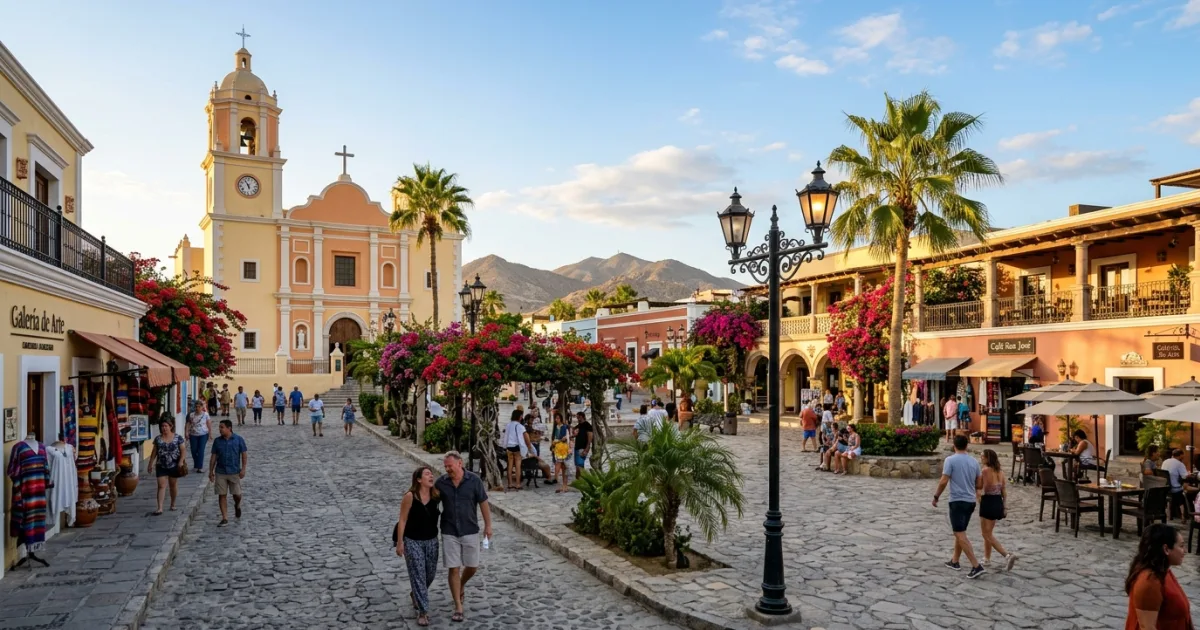
San Jose del Cabo stands as a serene, authentic counterpart to the southern tip of the Baja Peninsula. Rooted in history dating back to the Pericú indigenous culture and established as a Spanish Jesuit outpost in the early 18th century, the city preserves its colonial identity through preserved facades, a classical zócalo, and historical monuments. The town radiates outward from Plaza Mijares, where visitors gather in the shade of ancient laurel trees facing the historic Mission San Jose del Cabo church.
Beyond its historic quarter, San Jose del Cabo is an internationally respected culinary retreat, home to world-renowned organic farm estates nestled in the foothills of the Sierra de la Laguna. Here, open-air kitchens harvest ingredients moments before plating, forging an agricultural movement that defines modern Baja cuisine. Coupled with safe streets, swimmable Blue Flag beaches nearby, and access to pristine desert flora, San Jose del Cabo provides a sophisticated, restorative Mexican escape.
Reasons to Visit
- Weekly Art Walk: Stroll through the cobblestone Gallery District every Thursday evening to meet local and international artists while sampling fine wines.
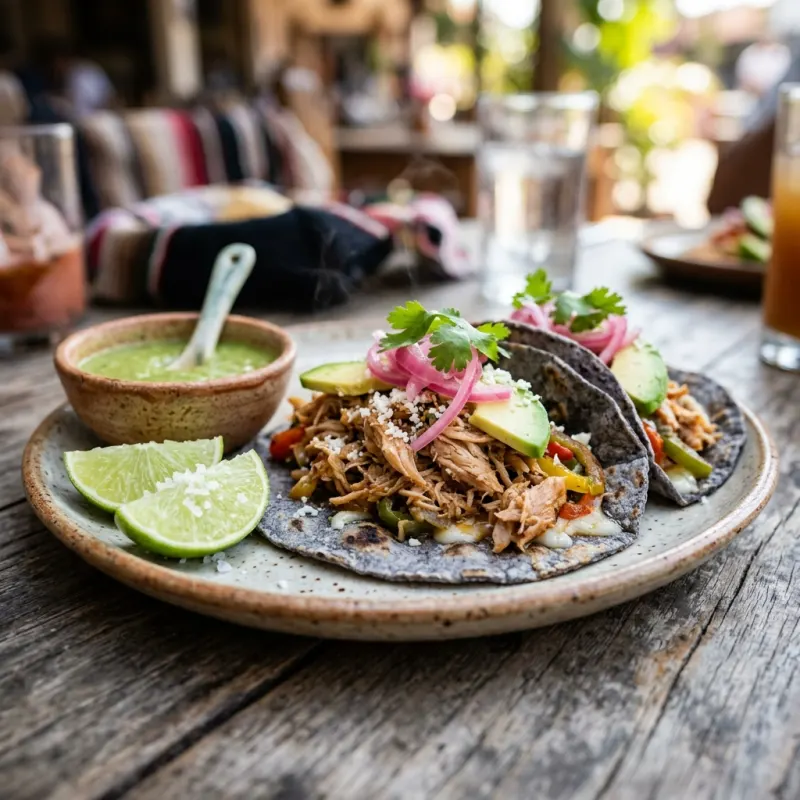
- Pioneering Farm-to-Table Gastronomy: Dine at organic ranch sanctuaries like Flora Farms, Acre, and Los Tamarindos tucked into lush desert valleys.
- Historic Colonial Ambiance: Marvel at pastel-painted 18th-century architecture, tranquil courtyards, and the historic 1730 Mission San Jose church.
- San Jose Estuary: Observe dozens of native and migratory bird species within this rare freshwater wetland sanctuary along the desert coast.
- Premier Surfing and Coastal Relaxation: Watch seasoned surfers tackle the famous Zippers break or unwind peacefully on the golden sand of Playa Palmilla.
Things to Avoid
- Ignoring Ocean Warning Flags: Do not swim on beaches displaying red or black flags; powerful undertows and shorebreaks can be dangerous.
- Confusing It with Cabo San Lucas: Do not arrive expecting wild beachfront clubs or spring break nightlife; San Jose del Cabo celebrates quiet evenings and cultured dining.
- Relying Exclusively on US Dollars: Avoid paying in foreign currency at small artisan shops where local exchange rates can be unfavorable.
- Skipping Reservations at Farm Restaurants: Avoid showing up without advance bookings at popular culinary farms, as tables fill weeks ahead during high season.
Local Transportation Tips
Navigating the historic downtown area of San Jose del Cabo is effortlessly accomplished on foot, as most galleries, cafes, and historical landmarks sit within a compact radius around Plaza Mijares. For traveling between the colonial center and the coastal hotel zone, licensed municipal taxis and rideshare apps like Uber operate reliably and affordably. To venture between San Jose del Cabo and Cabo San Lucas, the purple-and-yellow Ruta del Desierto public buses run along the main highway every 10 to 15 minutes, offering safe, air-conditioned transit for roughly 40 Mexican Pesos (approx. $2.20 USD).
Travel Etiquette
- Courteous Greetings: Always begin interactions with a polite greeting such as 'Buenos días' or 'Buenas tardes' before requesting information or service.
- Art Gallery Etiquette: Ask permission before photographing original artwork inside private galleries during the Art Walk.
- Tipping Practices: Tip 15% to 20% for good service at sit-down dining establishments and leave 20 to 50 pesos per day for hotel housekeeping staff.
- Dress Appropriately: Keep beachwear and swimwear confined to the beach or resort pools; wear standard casual clothes when strolling through town and entering the church.
Recommended Age Group
San Jose del Cabo welcomes a diverse demographic of travelers seeking culture, nature, and relaxation, with environments particularly curated for adult and family vacationers.
- Babies (0-2 years): Neutral. Cobblestone walkways can make standard strollers bumpy, though boutique properties are hospitable and peaceful.
- Kids (3-12 years): Recommended. Safe, calm swimming beaches like Palmilla and educational estuary boat trips or turtle release programs provide memorable nature encounters.
- Teens (13-19 years): Recommended. Surfing lessons along Costa Azul, sea kayaking, snorkeling tours, and desert off-road adventures offer fantastic physical engagement.
- Adults (20-64 years): Recommended. The sophisticated dining scene, artisanal mezcal tastings, quiet boutique hotels, and gallery walks are ideally tuned to adult sensibilities.
- Seniors (65+ years): Recommended. The calm pacing, accessible flat plazas, high safety standards, and top-tier medical facilities cater exceptionally well to mature travelers.
Accessibility Level: Medium
- The historic downtown area around Plaza Mijares offers relatively flat walkways, though uneven cobblestones and high curb transitions require careful navigation for wheelchair users.
- Modern beachfront resort corridors and luxury farm restaurants generally feature ramp access, spacious elevators, and designated ADA-compliant restrooms.
- Playa Palmilla offers accessible parking and paved boardwalk approaches toward the beachfront viewing zones.
Did You Know?
San Jose del Cabo’s estuary is the largest freshwater wetland in the entire Baja California Peninsula, serving as an indispensable sanctuary for over 200 species of resident and migratory birds amidst the arid desert.
Cool Statistics
- San Jose del Cabo records an average of over 300 days of sunshine each calendar year.
- The town was founded in 1730 by Jesuit missionary Nicolás Tamaral.
- Over 200 diverse bird species inhabit the adjacent San Jose Estuary throughout the migratory cycle.






Buy a compatible power adapter for your trip