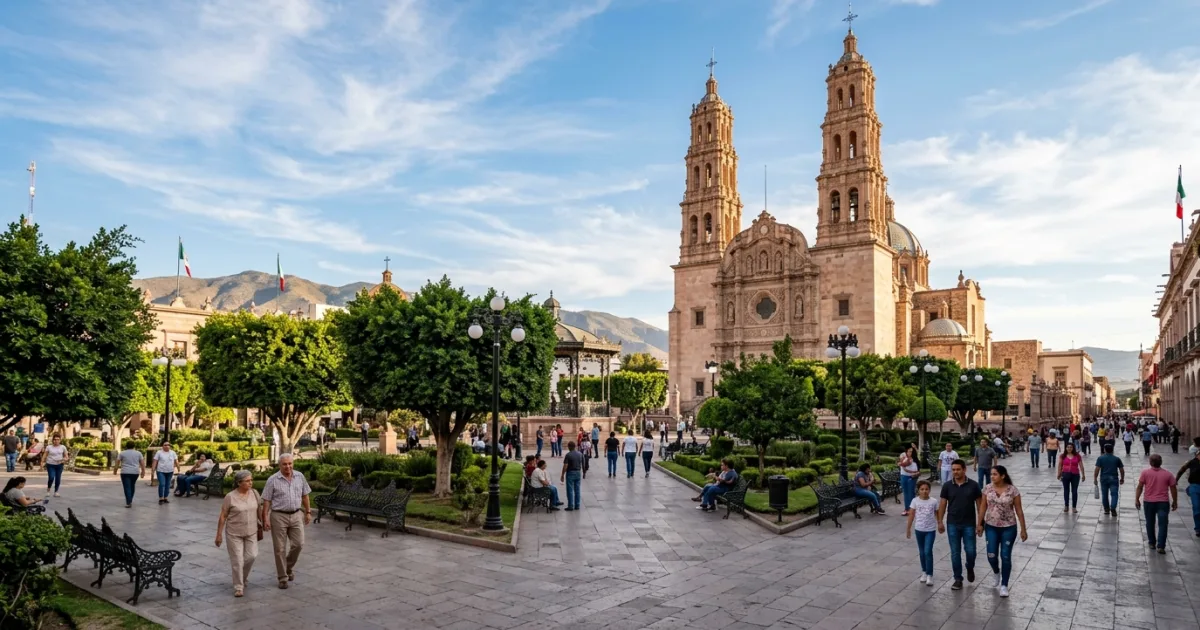
Centro Historico Chihuahua serves as the proud political, cultural, and spiritual nucleus of the state of Chihuahua. Dominated by the soaring twin towers of the Baroque Metropolitan Cathedral, the area encapsulates Mexico's dramatic transformation from a distant Spanish colonial outpost to a battleground of national independence and revolutionary upheaval. Its streets are laid out in a grid centered on generous public plazas adorned with bronze statues, ornamental fountains, and shaded benches where locals gather to read the news or listen to live street mariachis.
The neighborhood is exceptionally pedestrian-oriented compared to many sprawling northern Mexican metropolises. Key arteries like Paseo Victoria have been converted into car-free shopping and dining strips lined with neoclassical facades, local leather stores, and traditional soda fountains. Here, historical preservation is tangible: Casa Chihuahua houses the preserved underground cell of Miguel Hidalgo, while the Palacio de Gobierno displays evocative murals depicting the state's turbulent history. As twilight falls, amber lights illuminate the colonial stonework, creating an inviting atmosphere that blends timeless frontier tenacity with warm Mexican hospitality.
Reasons to Visit
- Marvel at the 18th-century Baroque architecture of the Catedral Metropolitana de Chihuahua.
- Walk the revolutionary path of Pancho Villa at the Museo Histórico de la Revolución Mexicana.
- Stand in the historic site where Father Miguel Hidalgo was imprisoned at Casa Chihuahua.
- Stroll down the lively pedestrian corridor of Calle Victoria for street performances and shopping.
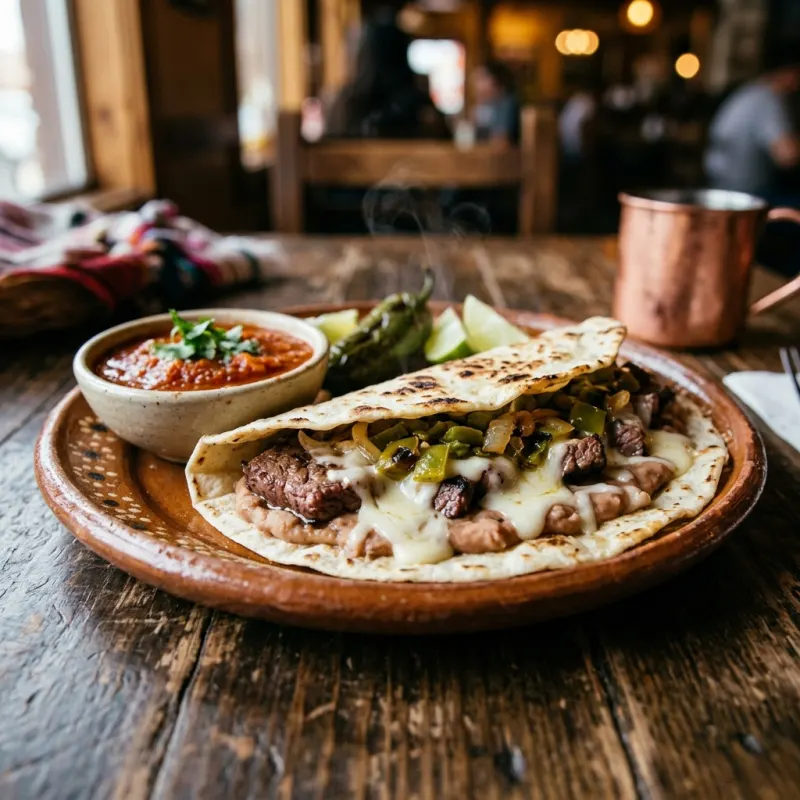
- Experience authentic northern Mexican gastronomy, including top-tier steaks, montados, and sotol.
Things to Avoid
- Avoid walking alone through poorly illuminated alleyways far outside the central pedestrian perimeter late at night.
- Do not exchange currency at informal street kiosks; use verified bank ATMs located around Plaza de Armas.
- Avoid wearing thin-soled dress shoes, as historic stone paving and sidewalk curbs can be uneven.
- Do not confuse sotol with tequila or mezcal; locals take great pride in sotol's distinct desert plant origins.
Local Transportation Tips
Centro Historico Chihuahua is best explored entirely on foot, as major landmarks, plazas, and museums sit within a compact one-kilometer radius. For travel outside the center to suburban stations or the airport, app-based rideshares like Uber and Didi operate reliably and offer fixed transparent pricing. The Vivebús rapid transit bus line also skirts the edge of downtown, providing an economical transit option to peripheral transit hubs.
Travel Etiquette
- Greet shopkeepers and restaurant staff with a polite 'Buenos días' or 'Buenas tardes' upon entering.
- Remove hats and speak in hushed tones when entering the Metropolitan Cathedral or active chapels.
- Tip between 10% and 15% in sit-down dining establishments and cantinas.
- Always ask permission before photographing street artisans, performers, or indigenous Rarámuri vendors selling crafts.
Recommended Age Group
Centro Historico Chihuahua is rich in history and walkable infrastructure, making it appealing across multiple generations with varying interests.
- Babies (0-2 years): Neutral. Cobblestone transitions and crowded sidewalks along pedestrian corridors can require sturdy strollers, though parks offer pleasant open air.
- Kids (3-12 years): Neutral. While spacious plazas and ice cream vendors entertain younger children, the high concentration of solemn history museums can test shorter attention spans.
- Teens (13-19 years): Recommended. Fascinating revolutionary history, vintage clothing shops, and lively plaza culture provide engaging context for adolescents.
- Adults (20-64 years): Recommended. Perfect demographic for architecture walking tours, museum visits, vibrant cantina culture, and gourmet northern culinary experiences.
- Seniors (65+ years): Recommended. Flat pedestrian zones around Plaza de Armas, accessible museums, and numerous shaded park benches make the area very manageable.
Accessibility Level: Medium
- Pedestrian corridors such as Calle Victoria feature smooth paving and curb cutouts at major intersections.
- Casa Chihuahua and the Palacio de Gobierno provide step-free elevator access to primary exhibition galleries.
- The Metropolitan Cathedral offers side ramp access for visitors using wheelchairs or walking aids.
- Historic side streets may feature broken flagstones or narrow sidewalks requiring assistance.
Did You Know?
Father Miguel Hidalgo, the founding father of Mexican Independence, spent his final days imprisoned in the military hospital that once stood on the site of modern-day Casa Chihuahua before facing a firing squad in the courtyard in 1811.
Cool Statistics
- The Catedral Metropolitana de Chihuahua took over 100 years to fully complete between 1725 and 1826.
- Paseo Victoria attracts upwards of 20,000 pedestrians daily on weekends.
- The historic district contains over 50 registered protected historic monuments dating from the 18th to the early 20th century.






Buy a compatible power adapter for your trip