Guanajuato's charm lies in its chaotic yet beautiful urban planning. Unlike the grid systems typical of other colonial Mexican cities, Guanajuato's layout was dictated by the rugged topography of the surrounding mountains and the winding path of the Guanajuato River. When the river was diverted to prevent frequent flooding, the dry riverbeds were transformed into an intricate network of subterranean tunnels. Today, these tunnels divert heavy traffic away from the historic center, leaving the surface streets largely to pedestrians and creating a uniquely peaceful atmosphere in the heart of the city.
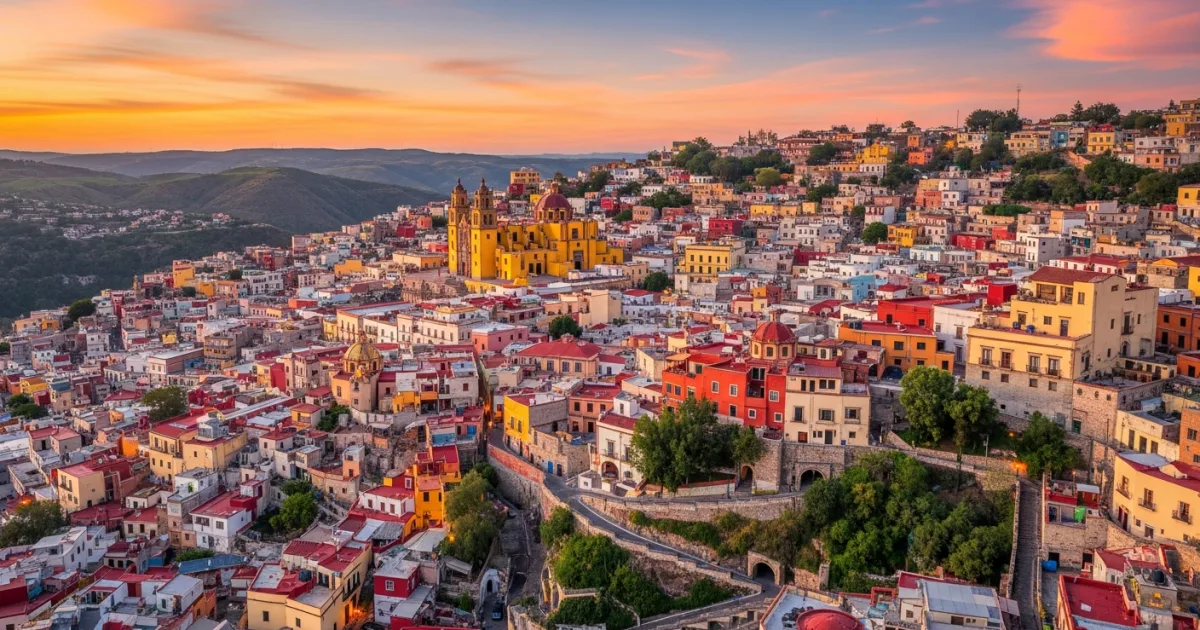
The city is a visual feast, characterized by brightly painted houses cascading down the hillsides, grand colonial churches, and tree-lined plazas. Key landmarks include the magnificent Teatro Juárez, with its Doric columns and bronze statues of the muses, and the striking yellow Basilica of Our Lady of Guanajuato. As the birthplace of famous Mexican muralist Diego Rivera, the city also boasts a rich artistic heritage, which is celebrated year-round but peaks during the internationally acclaimed Cervantino Festival.
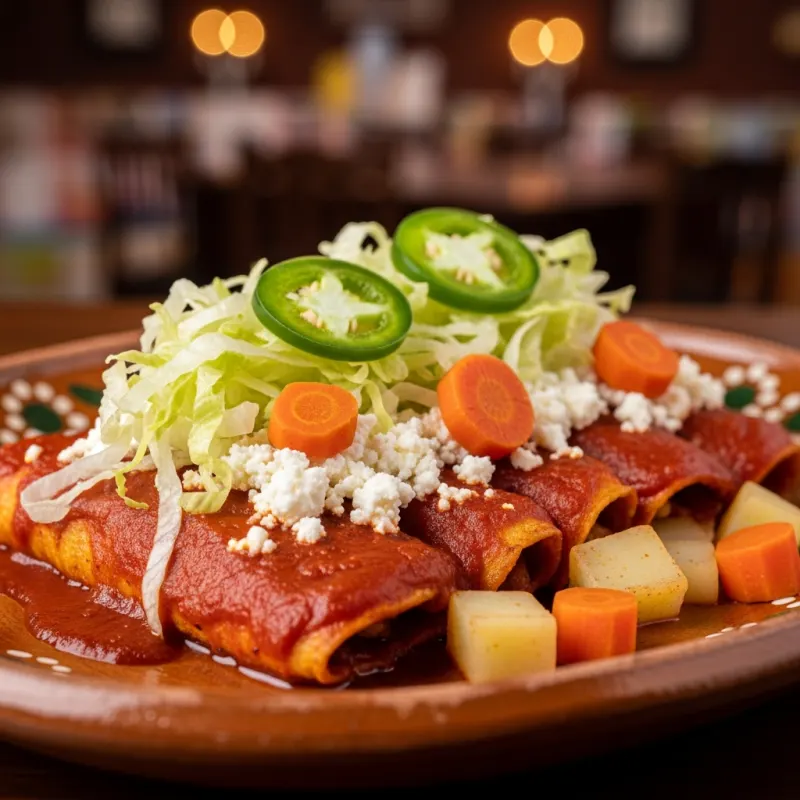
Guanajuato's historic culinary scene is a vibrant mix of indigenous traditions and colonial influences. Discover the local love for fresh, grilled nopales (cactus)—a traditional staple that is naturally fantastic for blood sugar regulation - paired with complex, savory vegetable moles.
Reasons to Visit
- Architectural Beauty: Marvel at the stunning baroque and neoclassical buildings, colorful alleyways, and picturesque plazas.
- Cultural Festivals: Experience the world-renowned Festival Internacional Cervantino every October.
- Unique History: Explore the subterranean tunnel network and learn about the city's wealthy silver mining past.
- The Mummy Museum: Visit the fascinating, albeit macabre, Museo de las Momias, featuring naturally mummified bodies.
- Romantic Atmosphere: Walk through the famous Callejón del Beso (Alley of the Kiss) and enjoy the vibrant evening callejoneadas (musical walking tours).
Things to Avoid
- Driving in the City Center: The subterranean tunnels are confusing for non-locals, and parking is extremely limited.
- Drinking Tap Water: Always stick to bottled or purified water to avoid stomach issues.
- Wearing High Heels: The steep, uneven cobblestone streets make high heels impractical and dangerous.
- Rushing the Altitude: At over 2,000 meters above sea level, it's easy to get winded; take your time walking up the hills.
Local Transportation Tips
The best way to experience Guanajuato is on foot, as the historic center is compact and largely pedestrianized. For longer distances or steep climbs, local buses are cheap and frequent, though they can be crowded. Taxis and ride-sharing apps like Uber are available, but their utility is somewhat limited by the city's reliance on the subterranean tunnel system, which can make pick-ups and drop-offs tricky. To reach the panoramic viewpoint at the Pipila Monument, the funicular railway is the most convenient and scenic option.
Travel Etiquette
- Greetings: It is customary to greet shopkeepers and locals with a polite 'Buenos días' or 'Buenas tardes' when entering a space.
- Tipping: Tipping 10% to 15% is standard in restaurants and cafes. It is also polite to tip bellboys and housekeeping staff.
- Photography: Always ask for permission before taking close-up photos of local people, especially indigenous vendors.
- Church Etiquette: Dress modestly and remove hats when entering the city's many historic churches and basilicas.
Recommended Age Group
Guanajuato offers a rich cultural experience, but its unique topography requires some consideration for different age groups.
- Babies (0-2 years): Neutral. The steep hills, numerous stairs, and uneven cobblestones make navigating with a stroller very difficult. Baby carriers are essential.
- Kids (3-12 years): Recommended. Older children will enjoy the colorful streets, the funicular ride, and the slightly spooky Mummy Museum.
- Teens (13-19 years): Recommended. Teens will appreciate the vibrant street life, excellent food, and highly photogenic alleyways perfect for social media.
- Adults (20-64 years): Recommended. Ideal for adults who can fully enjoy the historical walking tours, nightlife, museums, and cultural festivals.
- Seniors (65+ years): Neutral. While the culture is captivating, the high altitude and steep, uneven terrain can be physically demanding for those with mobility issues.
Accessibility Level: Medium
- Guanajuato's historic center poses significant challenges for wheelchair users and those with limited mobility due to steep inclines, narrow sidewalks, and ubiquitous cobblestones.
- Many historic buildings, restaurants, and boutique hotels lack elevators or ramp access.
- The funicular to the Pipila Monument is accessible and offers a great way to see the city from above without climbing.
- Travelers requiring accessible facilities should verify accommodations and restaurant accessibility in advance, as modern adaptations in this heritage city are limited.
Did You Know?
Guanajuato's famous subterranean streets were originally built in the 19th century as a massive drainage trench to divert the Guanajuato River and save the city from devastating floods. It wasn't until the mid-20th century that these trenches were paved over and converted into the unique underground road network used today.
Cool Statistics
- Founded: 1559
- Elevation: 2,045 meters (6,709 feet) above sea level
- UNESCO Status: Designated a World Heritage site in 1988
- Silver Production: In the 18th century, Guanajuato's mines produced nearly a third of the world's silver.






Buy a compatible power adapter for your trip